A researcher approves a 20-dollar reward for a respondent in Lagos. The respondent has no credit card, a mobile wallet that only takes local transfers, and a phone that gets reception but not much else.
The payout tool that worked for the last 400 US respondents has nothing to offer here. So the reward goes unclaimed, the respondent drops out of the study, and the team spends a week finding another way to pay.
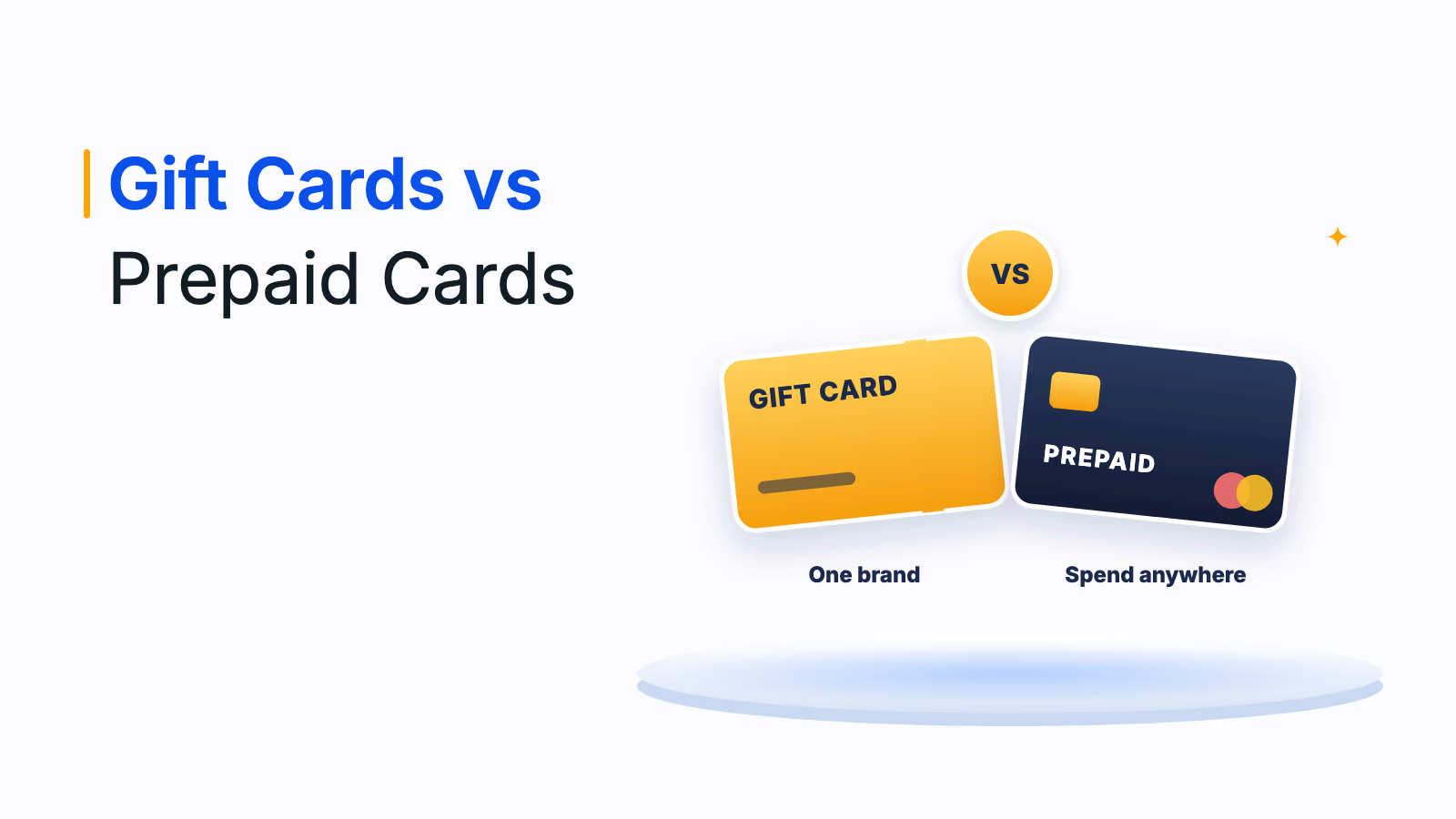
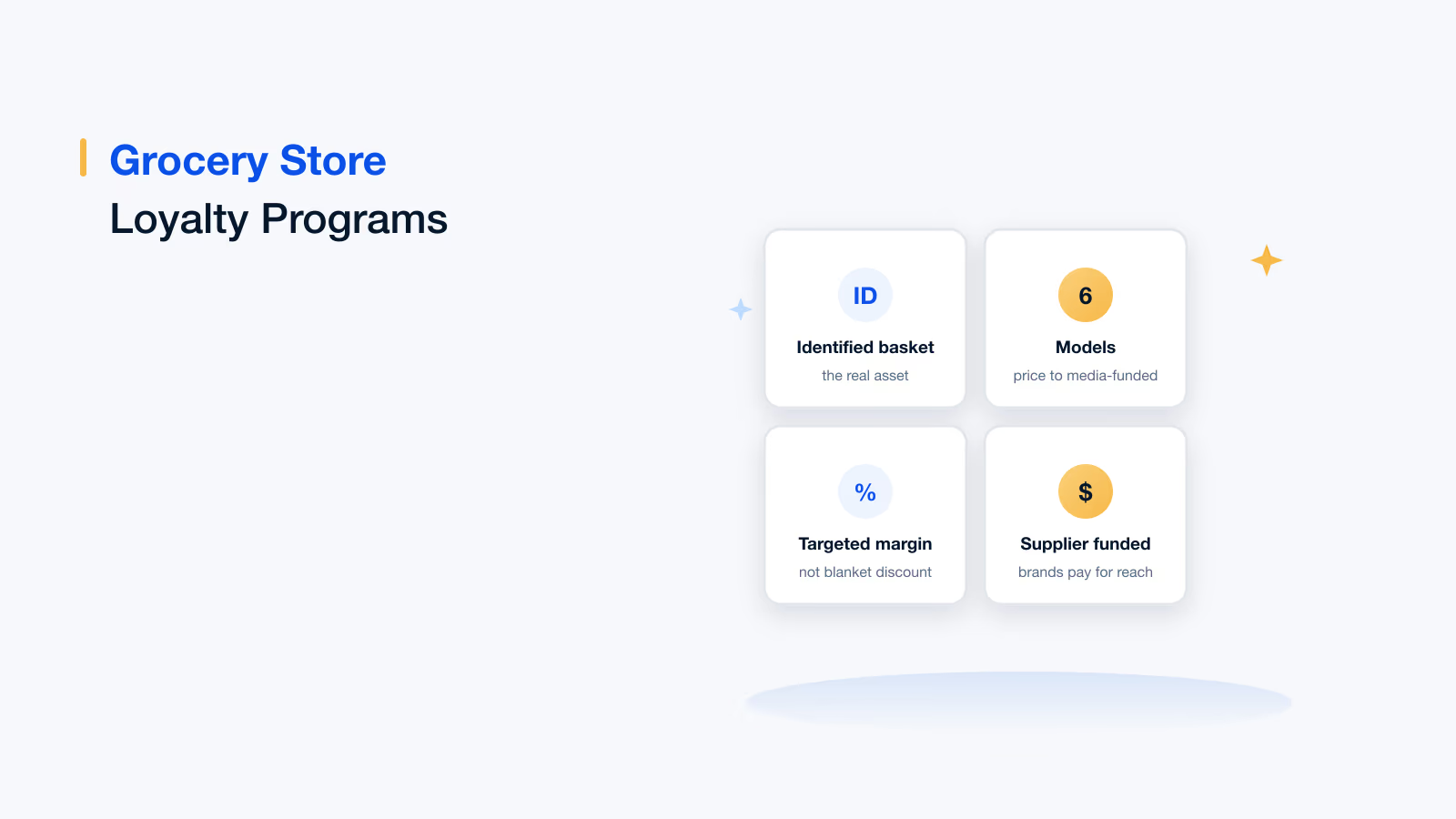
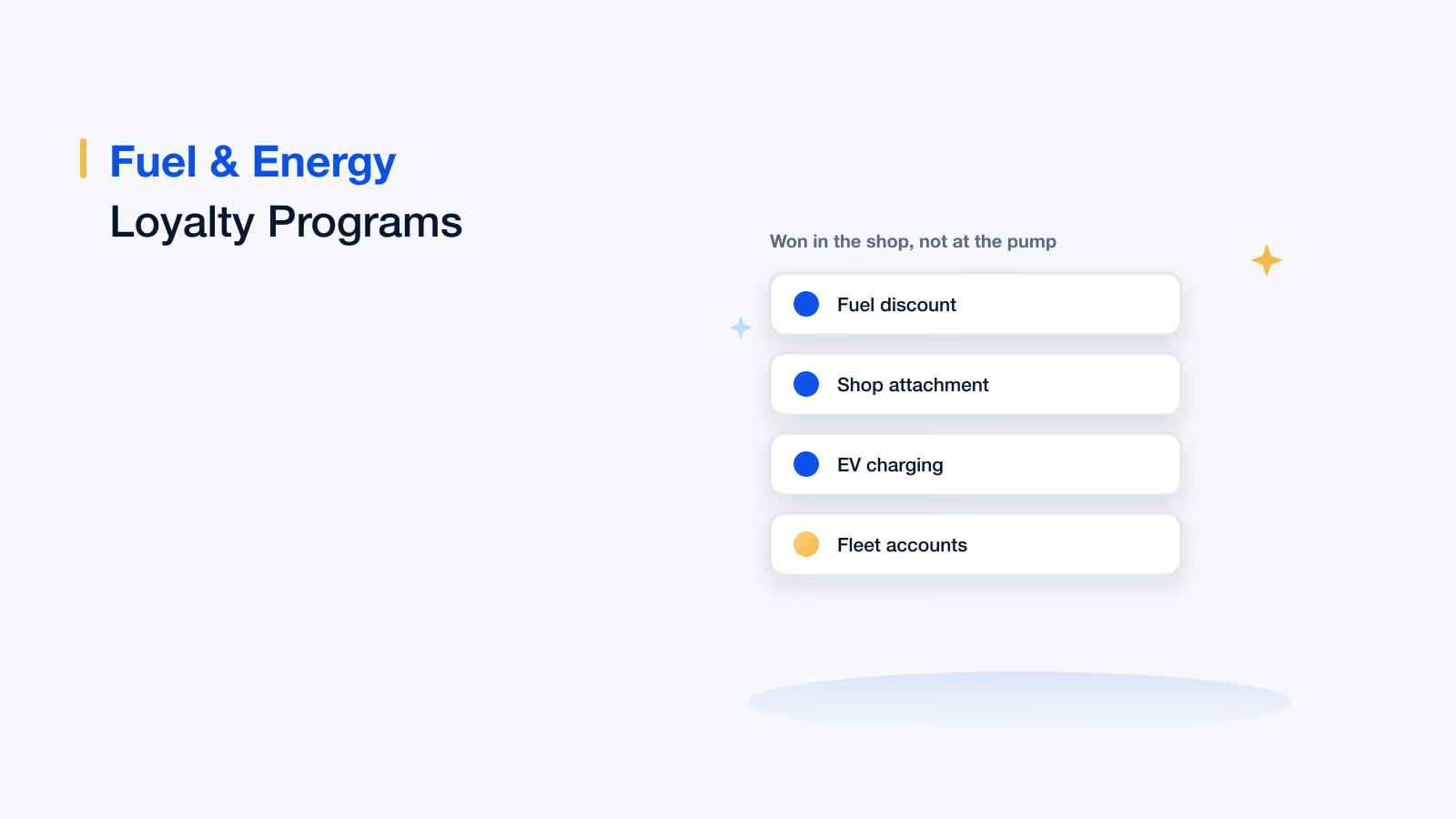
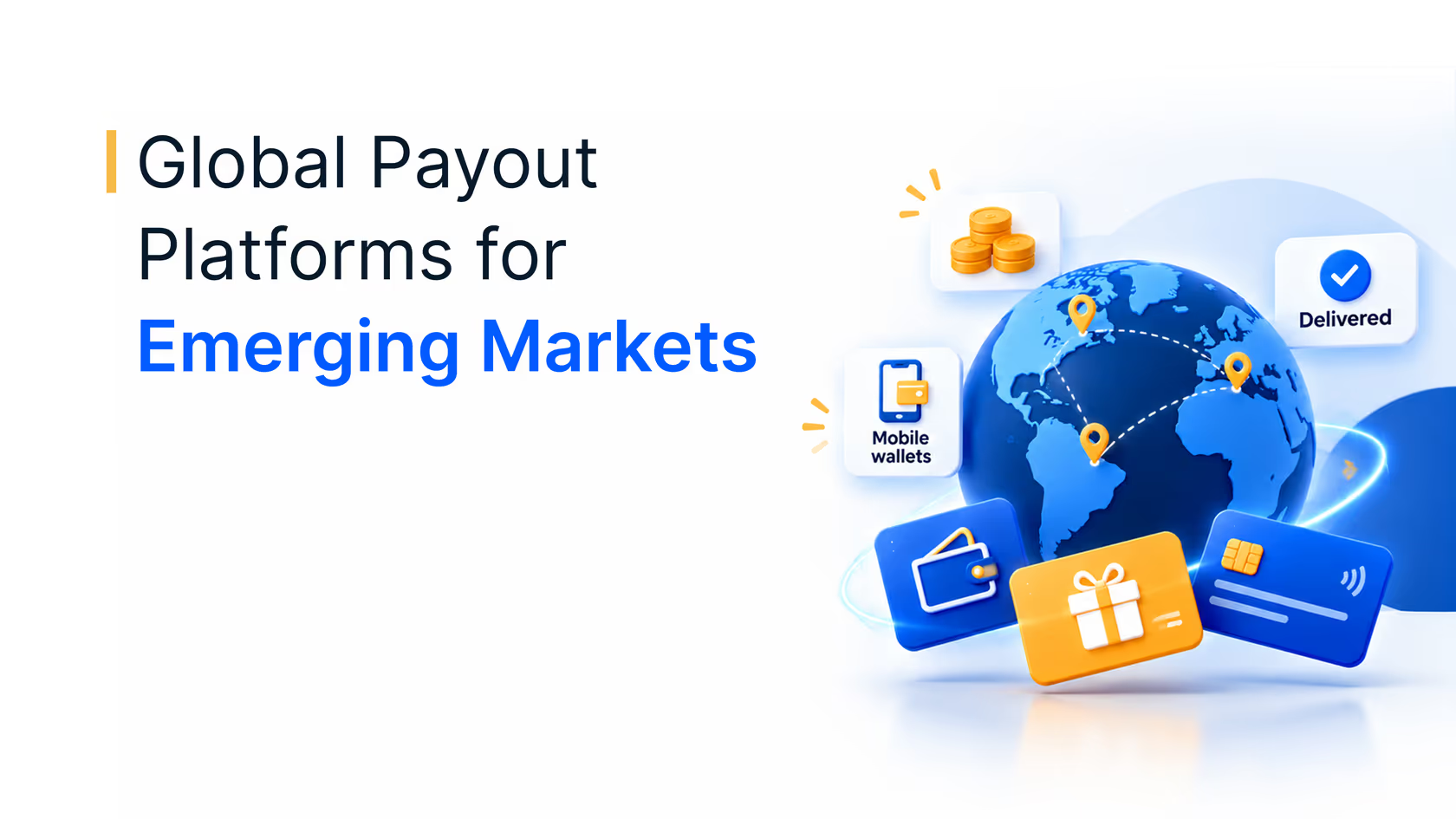
Payout platforms advertise reach. Reach is not the same as a method the recipient can actually use, and wallets, gift cards and prepaid cards each work in some markets and fail in others.
We compared 10 platforms by the payout rail each one does best, so a team can match the tool to the markets it pays in.
Disclosure: Xoxoday publishes this guide and Plum is one of the 10. All are judged on the same criteria.
The Best Global Payout Platforms, by Payout Rail
- Thunes for wholesale payouts to mobile wallets and bank accounts
- Dots for platforms and marketplaces paying creators and contractors (G2 4.8/5)
- Payoneer for freelancers, sellers and contractors paid across borders (G2 3.2/5)
- Xoxoday Plum for rewards that the recipient chooses, in 150+ countries
- Recharge.com for instant mobile top-ups and digital vouchers
- Onbe for US-led programs paying individuals by card, ACH or wallet
- Zaggle for India-based teams issuing prepaid cards for rewards and benefits (G2 4.2/5)
- M2P Fintech for banks and fintechs building prepaid and wallet products
- EnKash for Indian businesses combining payouts, cards and expenses
- b4b Payments for UK and EU programs issuing regulated incentive cards
What Makes a Payout Platform Work in Emerging Markets?
A payout works when the recipient can collect it with what they already have, in their own currency, without a fee that eats the reward.
1.3B
Adults without an account
about 900M of them own a mobile phone, World Bank 2025
2.3B
Registered mobile money accounts
across the world, GSMA 2025
35.4%
Cross-border payments arriving in an hour
against a G20 target of 75% by 2027, FSB 2025
Source: World Bank, Global Findex 2025; GSMA, State of the Industry Report on Mobile Money, 2026; Financial Stability Board, G20 Roadmap for Cross-border Payments progress report, October 2025.
We judged every platform on five tests:
- Local rails. Does it pay into the wallets, bank accounts and vouchers people in each market actually use, such as mobile money, UPI or GCash?
- Recipient choice. Can the recipient pick the method, or does the sender force one rail on every market?
- Compliance and KYC. Look for identity checks, sanctions screening and tax form handling that scale with payout volume.
- Fraud and approval controls. Bulk payouts attract abuse, so check velocity limits, approvals and audit trails.
- API and bulk issuance. A program that grows past a pilot needs triggers, batches and webhooks, not manual uploads.
We weighted local rails and recipient choice most, because those decide whether a payout is collected. Feature claims come from each vendor's public pages, written in our own words. Ratings come from G2 and Capterra as of October 2026 and change over time. Where a score rests on fewer than 20 reviews, we show the count.
Let recipients choose how they get paid
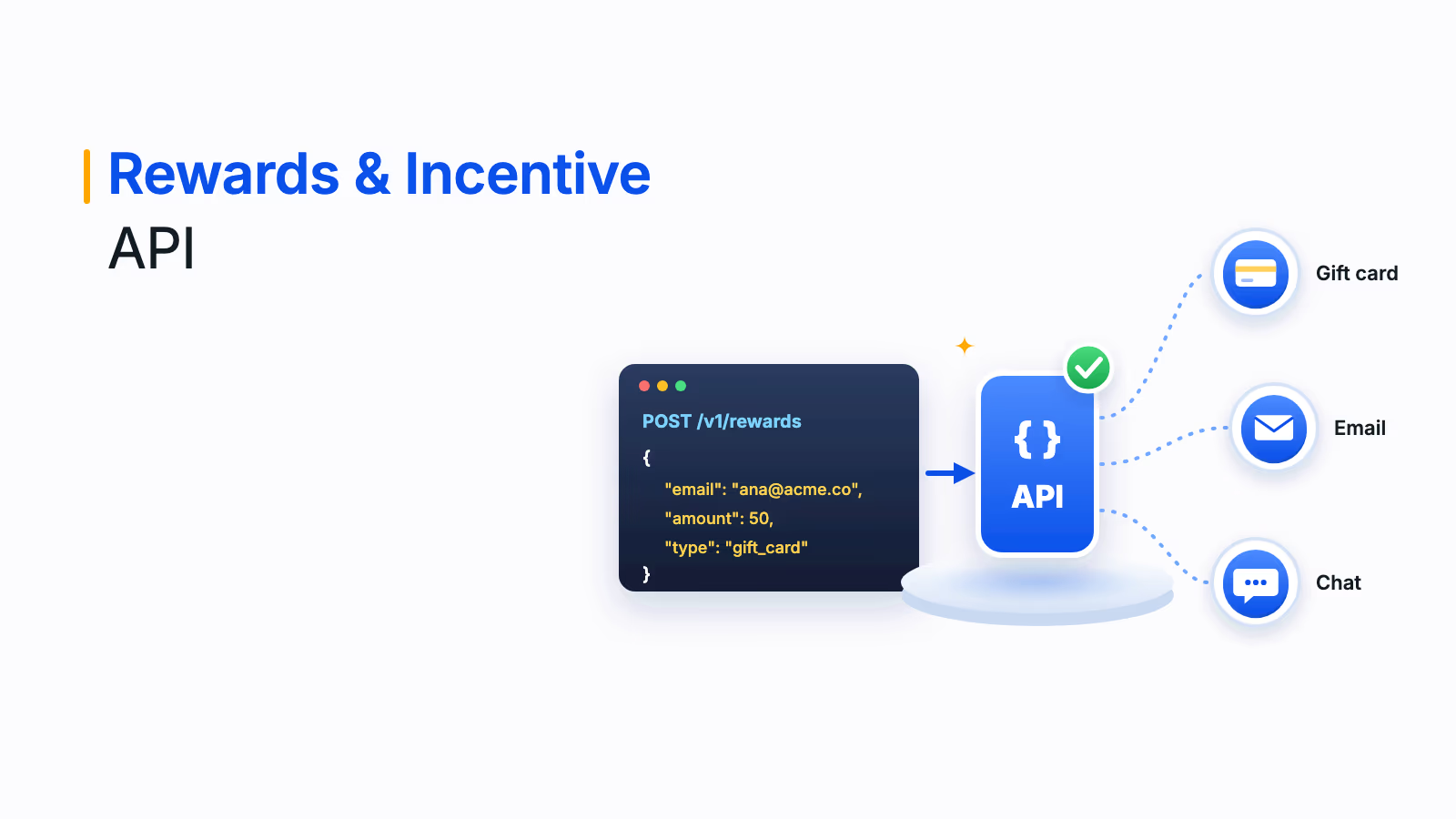
Send gift cards, wallets and card payouts across 150+ countries from one platform and one API.
Book a free 30-min demoTrusted by 5,000+ companies
The Best Global Payout Platforms at a Glance
- Thunes
- Payout rail
- Wallets and bank rails
- Best for
- Wholesale payouts to mobile wallets and bank accounts
- Rating
- No public G2 or Capterra rating
- Dots
- Payout rail
- Wallets and bank rails
- Best for
- Platforms and marketplaces paying creators and contractors
- Rating
- G2 4.8 (5 reviews)
- Payoneer
- Payout rail
- Wallets and bank rails
- Best for
- Freelancers, sellers and contractors paid across borders
- Rating
- G2 3.2 (359 reviews) · Capterra 4.2 (757 reviews)
- Xoxoday Plum
- Payout rail
- Gift cards and multi-method payouts
- Best for
- Rewards that the recipient chooses, in 150+ countries
- Rating
- G2 Leader 2026 (Xoxoday)
- Recharge.com
- Payout rail
- Gift cards and top-ups
- Best for
- Instant mobile top-ups and digital vouchers
- Rating
- No public G2 or Capterra rating
- Onbe
- Payout rail
- Prepaid cards
- Best for
- US-led programs paying individuals by card, ACH or wallet
- Rating
- No public G2 or Capterra rating
- Zaggle
- Payout rail
- Prepaid cards
- Best for
- India-based teams issuing prepaid cards for rewards and benefits
- Rating
- G2 4.2 (115 reviews) · Capterra 4.8 (4 reviews)
- M2P Fintech
- Payout rail
- Prepaid cards
- Best for
- Banks and fintechs building prepaid and wallet products
- Rating
- No public G2 or Capterra rating
- EnKash
- Payout rail
- Prepaid cards
- Best for
- Indian businesses combining payouts, cards and expenses
- Rating
- No public G2 or Capterra rating
- b4b Payments
- Payout rail
- Prepaid cards
- Best for
- UK and EU programs issuing regulated incentive cards
- Rating
- No public G2 or Capterra rating
1. Thunes
Wallets and bank rails. Thunes connects directly to payment endpoints instead of routing through layers of intermediaries. A payer can send to mobile wallets, bank accounts and cards from one integration, by API or SWIFT.
The company says it reaches 140 countries across 90 currencies, with about 4 billion mobile and stablecoin wallets and 8 billion bank accounts on its network. It is built for banks, money transfer operators, wallets and platforms, so a marketing or HR team will usually reach it through a partner, not a direct contract.
- Direct connections to wallets and banks, per the company
- Real-time tracking on payments
- Treasury and compliance tooling alongside payouts
- No gift card catalog or recipient-facing rewards layer, and aimed at financial institutions and platforms
2. Dots
Wallets and bank rails. Dots covers the full payout flow for a platform: onboarding, identity verification, payment and tax forms. A payer can send by API or CSV batch, or share a payout link so the recipient picks how to get paid.
The company says it supports 190+ countries and names mobile money, UPI, GCash, PayPal, Venmo and ACH among its methods. Tax tooling covers the US and Canada, so teams paying elsewhere handle that step themselves.
- White-label onboarding with KYC and sanctions screening
- Payout Links let recipients choose their method
- Named emerging-market wallets such as GCash and UPI
- Built for platforms and marketplaces, with no gift card or prepaid catalog
3. Payoneer
Wallets and bank rails. Payoneer pairs payouts with an account the recipient can hold, spend from or withdraw to a local bank. A payer can send single, batch or mass payouts, and the platform adds multi-currency cards, Smart FX and contractor management.
The company says it serves 190+ countries and territories across 70+ currencies. Many flows assume the recipient opens a Payoneer account, which suits freelancers and marketplace sellers more than one-off survey or promotion rewards.
- Mass and batch payouts with local bank withdrawal
- Multi-currency cards and Smart FX
- AML, KYC and tax document collection
- Recipients often need their own account, and there is no gift card option
4. Xoxoday Plum
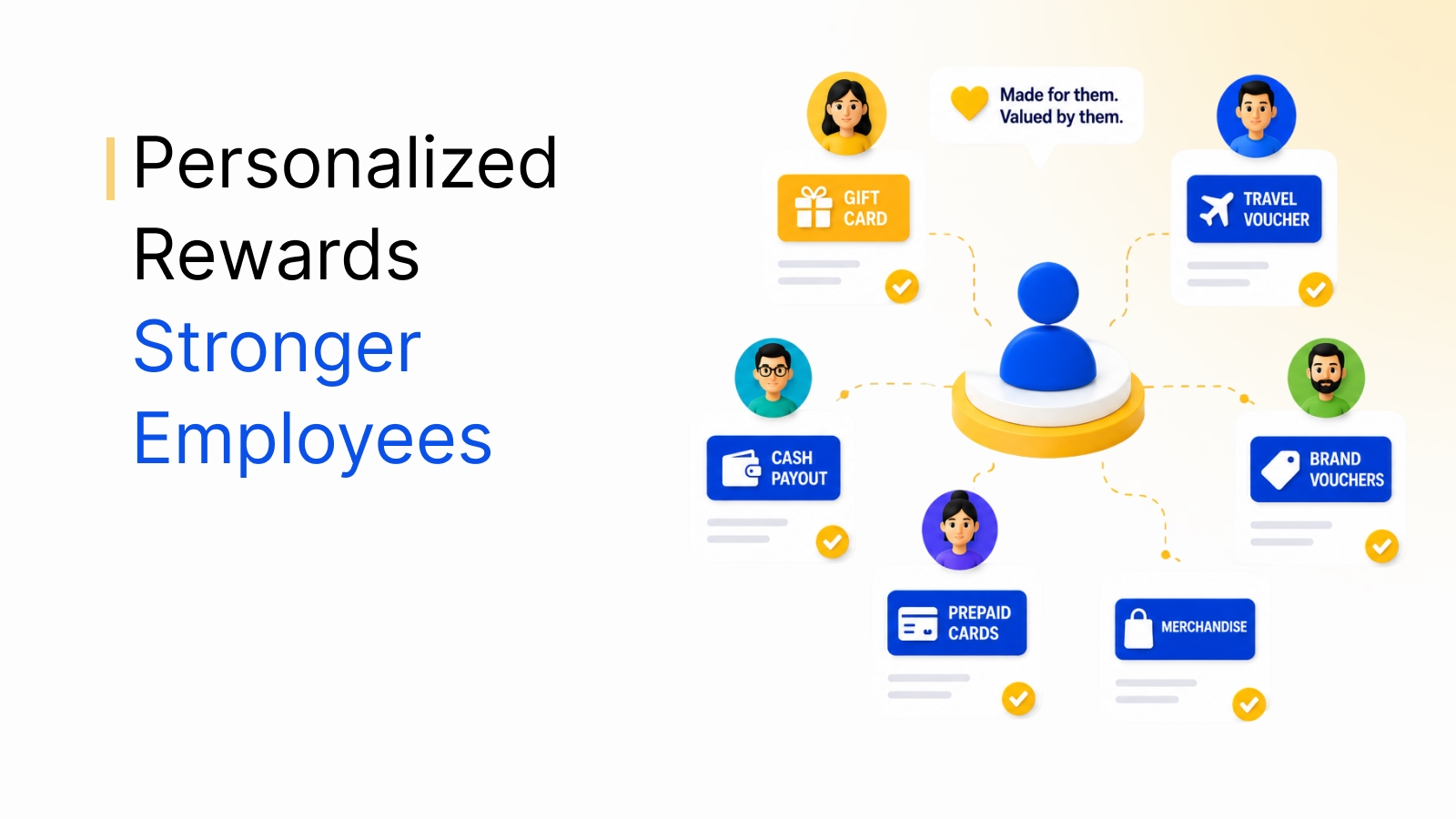
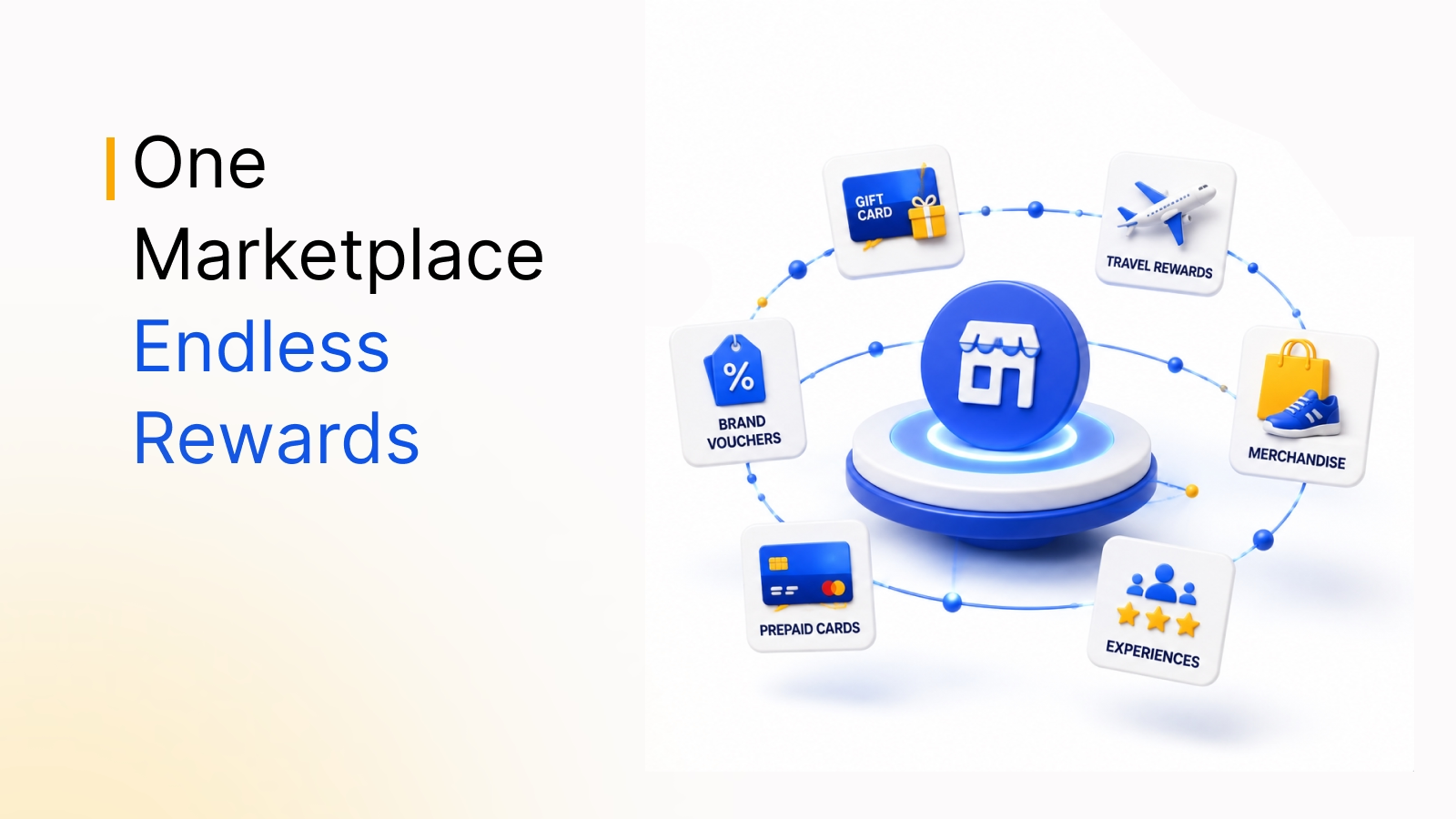
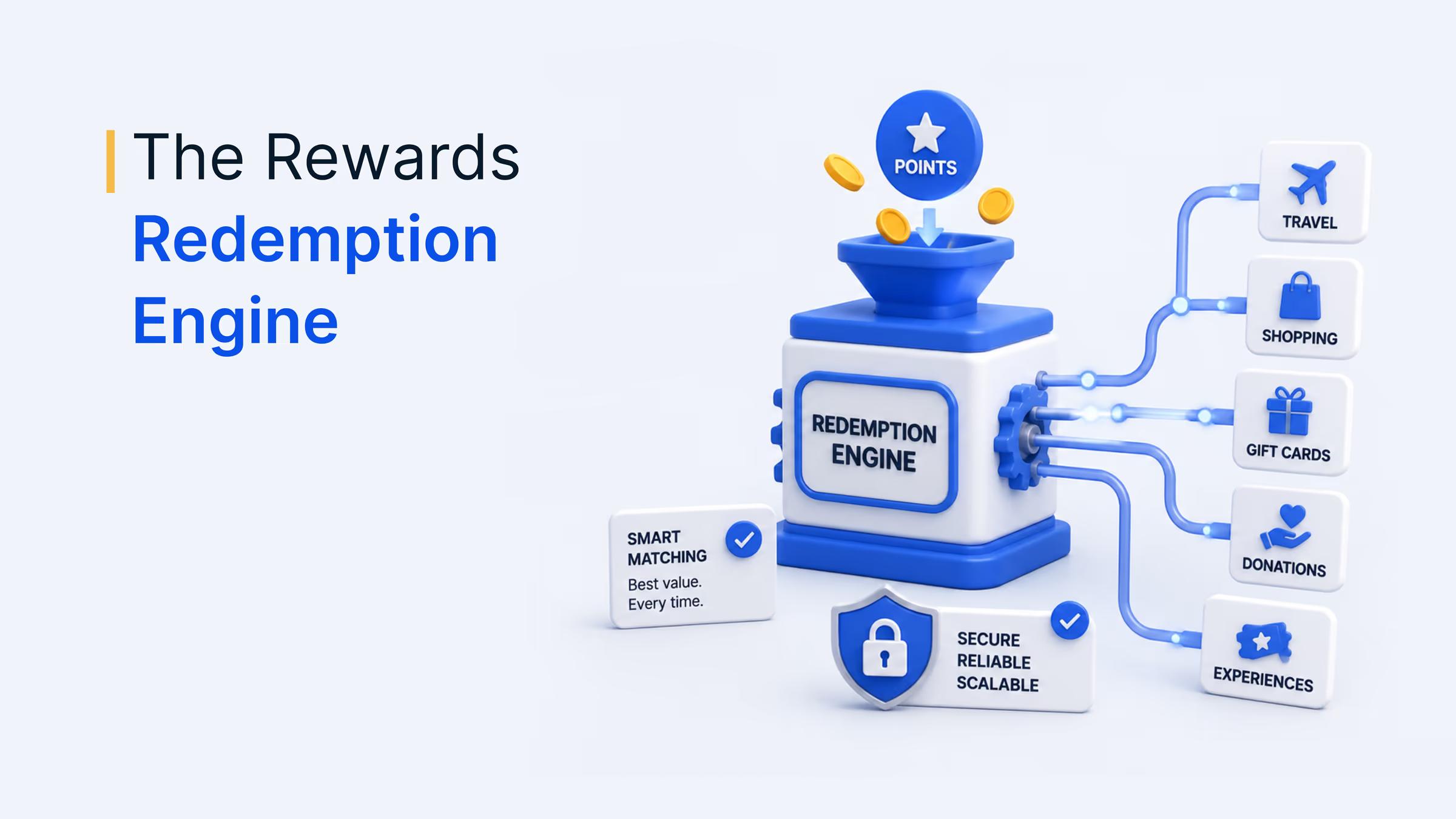
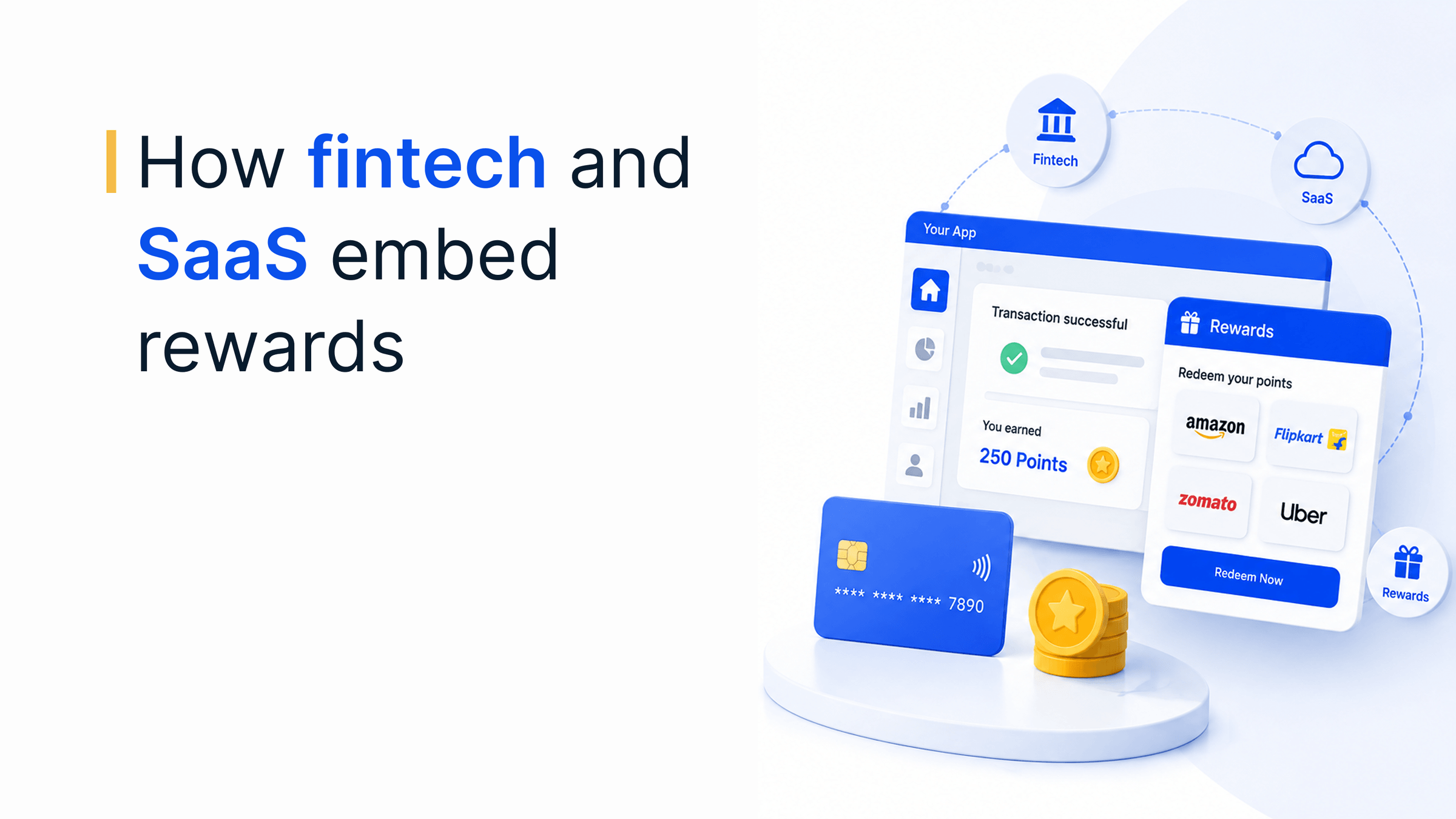
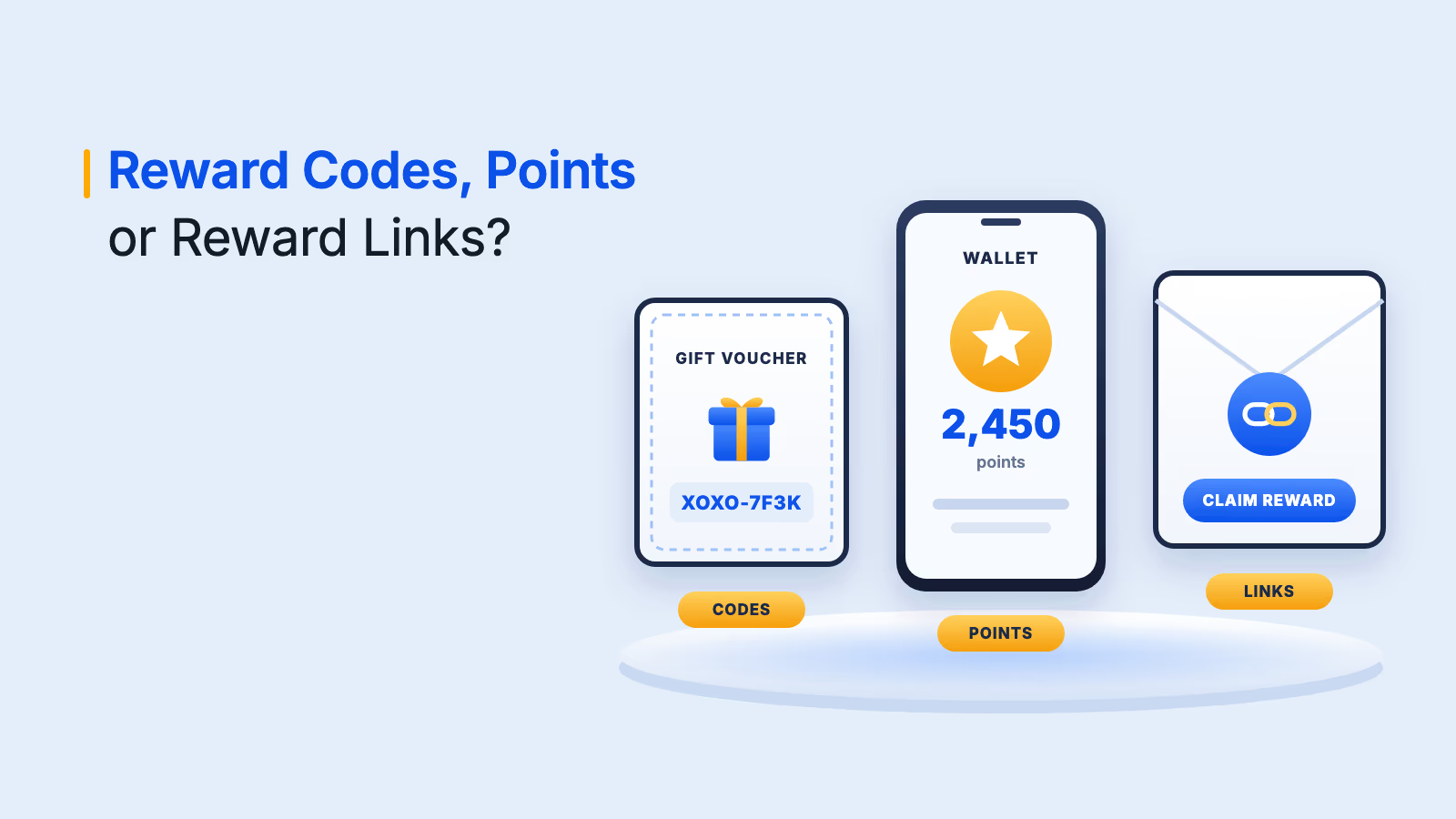
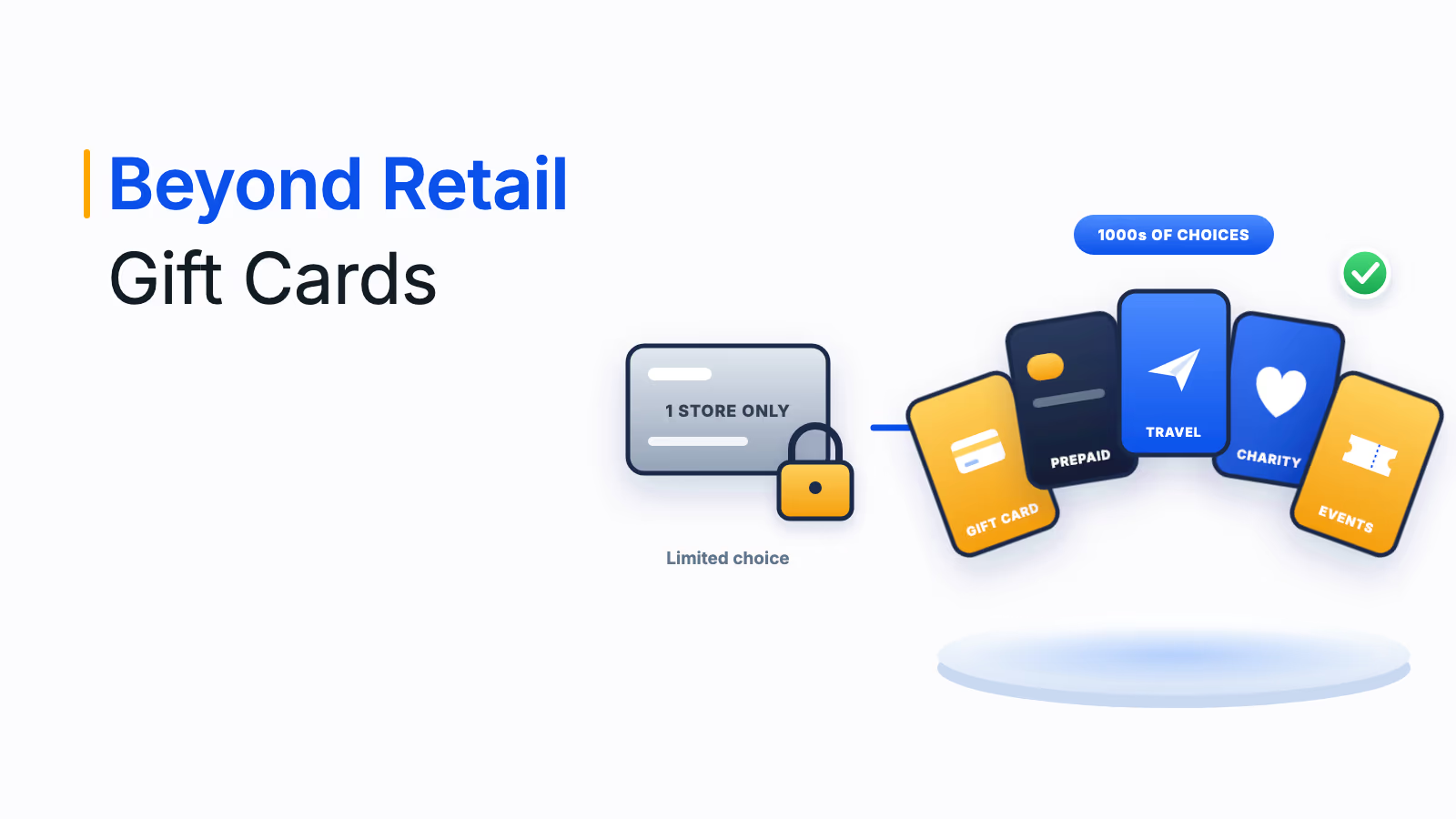
Gift cards and multi-method payouts. Plum lets the recipient choose how to be paid. The same reward can arrive as a local gift card, a prepaid card or a wallet payout, delivered by email, SMS, WhatsApp or a link. The catalog covers 10M+ reward options across 150+ countries, in 50+ currencies and 50+ languages.
Rewards fire from rules, such as a completed survey, a referral or a milestone, or in bulk through an API with idempotency and webhooks. One research firm used it to pay respondents in 31 markets from a single platform, mixing local-currency gift cards, wallets and mobile top-ups.
Plum is catalog-led. A treasury team that only needs bank transfers with no reward choice will find a bank-rail specialist closer to its need.
- One platform for gift cards, wallets and card payouts
- Rule-based triggers and bulk API issuance
- KYC thresholds, tax form workflows and fraud controls
- Catalog-led, so less suited to bank-transfer-only treasury use
5. Recharge.com
Gift cards and top-ups. Recharge.com is a marketplace for prepaid products: mobile top-ups, gift cards, gaming cards and payment vouchers. The company says it lists 16,000+ products and delivers 99.7% of orders within five seconds.
It added a corporate gifting service after acquiring Giftcloud, and Coda completed its acquisition of Recharge in 2025. API and B2B details are not prominent on its public pages, so a business buyer should ask for specifics before planning a program around it.
- Mobile top-ups for operators such as Airtel, Jio and Vi
- Wide range of gift cards and gaming cards
- Fast delivery, per the company
- Marketplace-led, not a bank or wallet payout engine
6. Onbe
Prepaid cards. Onbe describes itself as a business-to-individual payments company, with more than 10 payout options behind one integration. Those include virtual and physical cards, ACH, PayPal, Venmo, Push to Card and digital wallets such as Apple Pay.
It also manages fraud, compliance and program operations for clients. The company says it pays recipients around the world, but its public pages list no emerging-market corridors, and most named methods are US rails.
- More than 10 payout options through one API
- Managed fraud, compliance and operations
- Branded recipient experiences
- Named methods are US-oriented, and no emerging-market coverage is listed
7. Zaggle
Prepaid cards. Zaggle is an India-based spend platform that combines prepaid and commercial cards, employee rewards, channel-partner reward programs, travel and expense tools and tax filing. The company says it serves 4,000+ corporates and has issued 50M cards.
Its footprint is domestic. A subsidiary has been incorporated in Abu Dhabi, but a team paying recipients across several emerging markets would need other rails alongside it.
- Prepaid cards with channel and employee reward programs
- ISO 27001, PCI DSS and SOC certifications, per the company
- Spend, travel and tax tools in the same platform
- Geared to India domestic spend, not cross-border payouts
8. M2P Fintech
Prepaid cards. M2P sells infrastructure to financial institutions, not payouts to marketing or HR teams. Its platform covers prepaid cards, UPI, cross-border transfers and merchant acquiring, with KYC, AML and fraud tooling.
The company says it works in 30+ countries, including India, the UAE, the Philippines, Egypt, Nigeria, Vietnam and Saudi Arabia, with 200+ banks as clients. A business that wants to launch its own prepaid or wallet product would start here. One that wants to send rewards would more likely use M2P through a partner.
- Issuer footprint across several emerging markets, per the company
- API-first, modular platform
- KYC, AML and fraud tools built in
- Sold to banks and fintechs, and implementation-heavy for a reward program
9. EnKash
Prepaid cards. EnKash combines bulk vendor and payroll payouts, corporate prepaid and credit cards, employee rewards and brand vouchers, with receipt capture and auto reconciliation. The company says more than 5,000 businesses use it.
It operates under Indian licences, so it fits domestic payout and spend workflows. It is not a route for sending rewards to recipients in other countries.
- Bulk payouts, cards and expenses in one workflow
- Receipt capture and auto reconciliation
- Employee rewards and brand vouchers
- India-domestic, with no cross-border payout rail
10. b4b Payments
Prepaid cards. b4b Payments offers multi-currency business accounts, local and cross-border payments, FX and physical or virtual cards for expenses, payouts and incentives. It runs on Banking Circle infrastructure and holds FCA and Bank of Lithuania licences.
Its stated footprint is the UK, the EU and the US. Public pages make no emerging-market claims, so it suits teams whose recipients sit mainly in those regions.
- Regulated, card-led incentive and payout programs
- Multi-currency accounts with local payment details
- White-label and embedded options
- Stated coverage is UK, EU and US, not emerging-market wallets or mobile money
What to Ask Before You Choose a Platform
Every demo shows a payout landing in seconds. These four questions show where it stops working.
- Which methods are live in our top five markets? Ask for a country-by-method list, not a global country count.
- Can the recipient choose how to be paid? A forced single rail raises the share of rewards that go unclaimed.
- What happens when a payout fails or goes unclaimed? Confirm how funds return, how long that takes and who sees the report.
- How are identity checks and tax forms handled by country? Get the thresholds in writing before you scale volume.
For more on the mechanics, see our guides to mass payout platforms, rewards APIs and multi-currency prepaid cards.
Which Global Payout Platform Should You Choose?
If recipients need to choose between gift cards, wallets and cards across many countries, start with Plum. For wholesale wallet and bank reach, compare Thunes. For platforms paying creators and contractors, look at Dots and Payoneer. For instant top-ups and vouchers, evaluate Recharge.com.
Card needs are more local. Compare Zaggle and EnKash for India, and b4b Payments for UK and EU incentive cards. Banks and fintechs building their own products should talk to M2P Fintech, and US-led programs can look at Onbe.
To see how recipient-choice payouts work in practice, read how a global rewards marketplace works, then explore Xoxoday Plum.
Book your Plum demo
Frequently asked questions
It is software that sends money, rewards or incentives to individuals in many countries, usually through one API or bulk upload. The better ones handle currency, identity checks and the local method the recipient prefers.
It depends on the market. Mobile money leads in much of Africa, UPI in India and e-wallets in Southeast Asia, while gift cards and prepaid cards work where recipients lack bank accounts. Letting the recipient choose avoids guessing wrong.
Use rails that do not need one: mobile wallets, local gift cards, mobile top-ups or prepaid cards. About 900 million adults without an account own a mobile phone, so wallet and digital voucher delivery reaches many of them.
Expect identity verification and sanctions screening, plus tax form collection above set thresholds, such as W-9 and 1099 rules for US payers. Requirements vary by country, so confirm them with your platform before scaling volume.
Match the rail to the recipient. Wallets suit people who already hold one, gift cards suit rewards and incentives, and prepaid cards suit recipients who want flexible spend. A platform that offers several lets you test which one gets collected.