Key Takeaways
Reward the refill, the streak, and the check-in, not the spend: adherence programs should pay for behavior that protects health.
Insurers and pharmacies want the same patient behavior, so one shared reward layer beats two disconnected programs.
Small, immediate, frequent rewards beat big delayed ones, and every reward rule needs compliance review before launch.
The refill reminder goes out on day 28. The patient reads it on day 31, means to call the pharmacy, and by day 35 has forgotten. Nobody did anything wrong, and the statin still ran out.
Most adherence programs fail in that gap between intending and doing. Reminders tell patients what to do. They give no reason to do it today, and no payoff for doing it again next month.
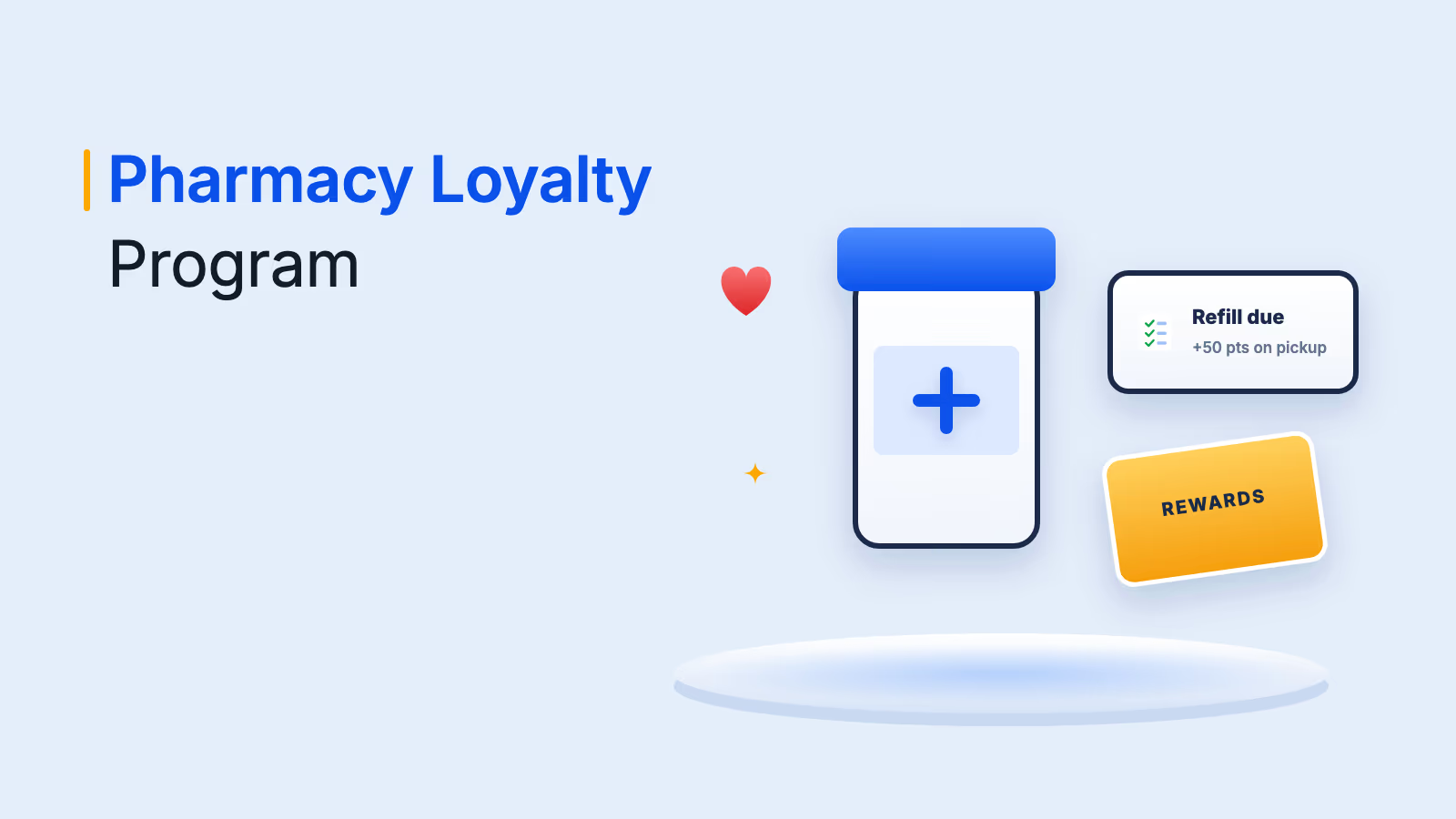
Behavior-based loyalty programs fill the gap. They reward the actions that keep a treatment plan on track, and they give insurers and pharmacies a shared way to see whether it is working.
Why reminders alone stop working
About half of patients do not take chronic-disease medications as prescribed, according to the CDC, and 20% to 30% of new prescriptions are never filled. Nonadherence also costs the US $100 billion or more a year.
~50%
Patients not taking chronic-disease medications as prescribed
$100B+
Estimated annual US cost of nonadherence
125,000
US deaths a year linked to nonadherence
Source: CDC, medication adherence for chronic disease management
The cause is rarely forgetfulness alone. A patient feels fine on a blood pressure drug, so a skipped dose feels harmless. Copays stack up. A 90-day supply arrives, the next refill is three months out, and that is plenty of time to lose the thread.
A reminder cannot fix any of that. A reason to act this week can.
What "behavior-based" means in a loyalty program
A retail loyalty program pays for spend. A behavior-based patient program pays for the actions that matter clinically, and spend is incidental.
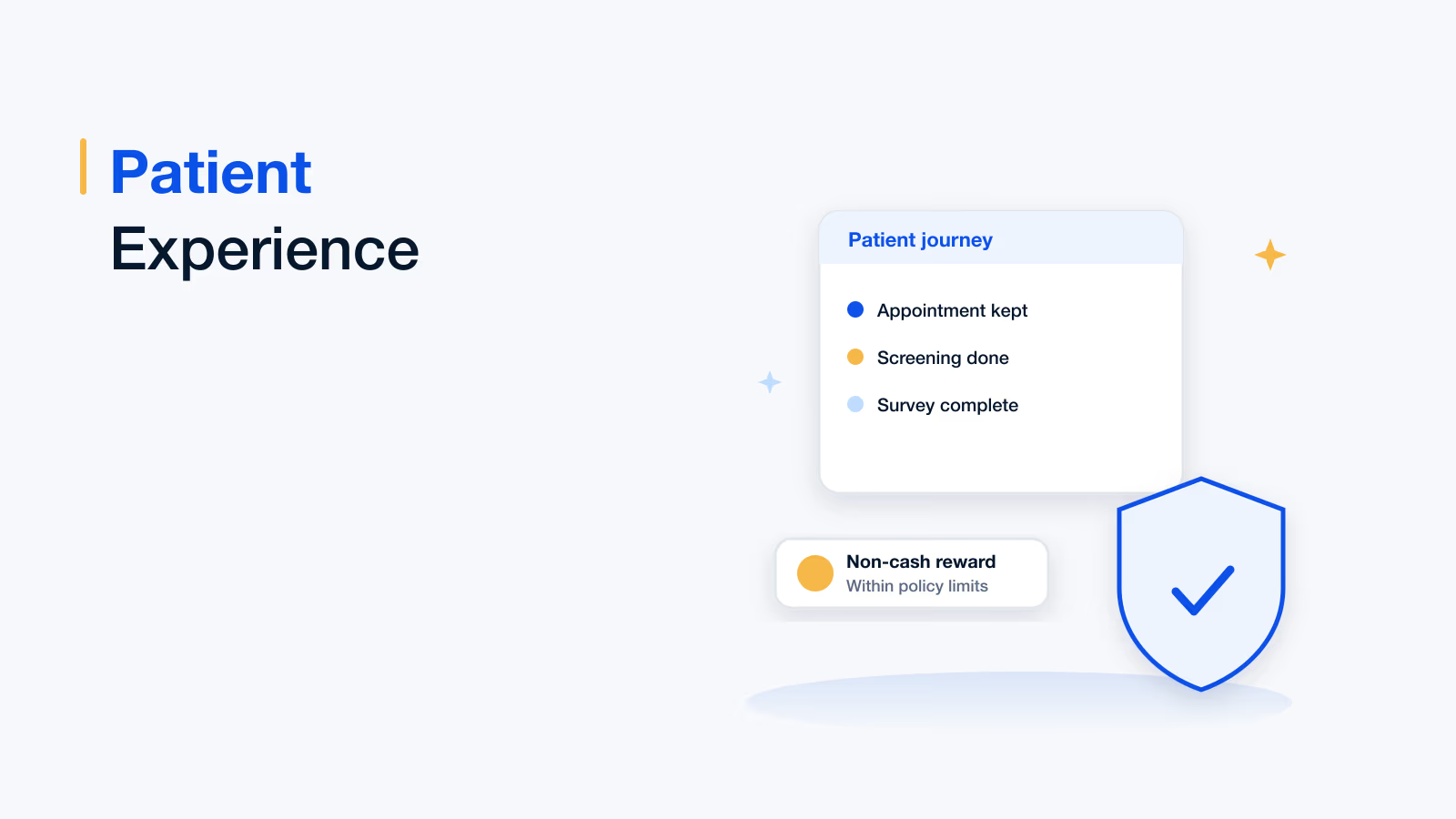
- Refilling inside a set window of the due date
- Keeping a streak of consecutive on-time refills
- Completing a check-in, such as a pharmacist consult or a home blood pressure reading
- Switching to a 90-day supply or auto-refill
- Finishing short education modules about the condition
Spend appears nowhere on that list. A patient on a $4 generic can earn as much as one on a $400 branded drug, which is the point. For a closer look at one condition-specific build, see how a dialysis adherence program is structured.
See Loyalife in action
Build a refill-streak program for your patients, from accrual rules to audit trails.
Talk to our ExpertTrusted by 5,000+ companies
Why insurers and pharmacies want the same behavior
A missed refill costs both sides, just in different currencies.
| Role | What a missed refill costs | What an on-time refill earns | Metric they watch |
|---|---|---|---|
| Pharmacy | Lost refill revenue, and a patient who drifts to another store | Steady prescription volume and more pharmacist touchpoints | Refill rate |
| Health plan | Higher hospital and ER claims over time | Stronger Part D Star Ratings performance | Proportion of days covered |
| Patient | Symptoms return and treatment restarts | Points, rewards, and fewer surprises | Streak length |
For Medicare Advantage and Part D plans, the stakes sit inside the rating system. According to CMS, adherence measures for diabetes, hypertension, and cholesterol medications each carry triple weight in Star Ratings. The test is whether a patient fills prescriptions often enough to cover 80% of the treatment period.
When a plan and a pharmacy each reward the same refill separately, the patient gets two confusing programs. One shared points layer gets them one.
The behavioral science behind rewards that work
Patients do not respond to health consequences 10 years away. They respond to what happens this week.
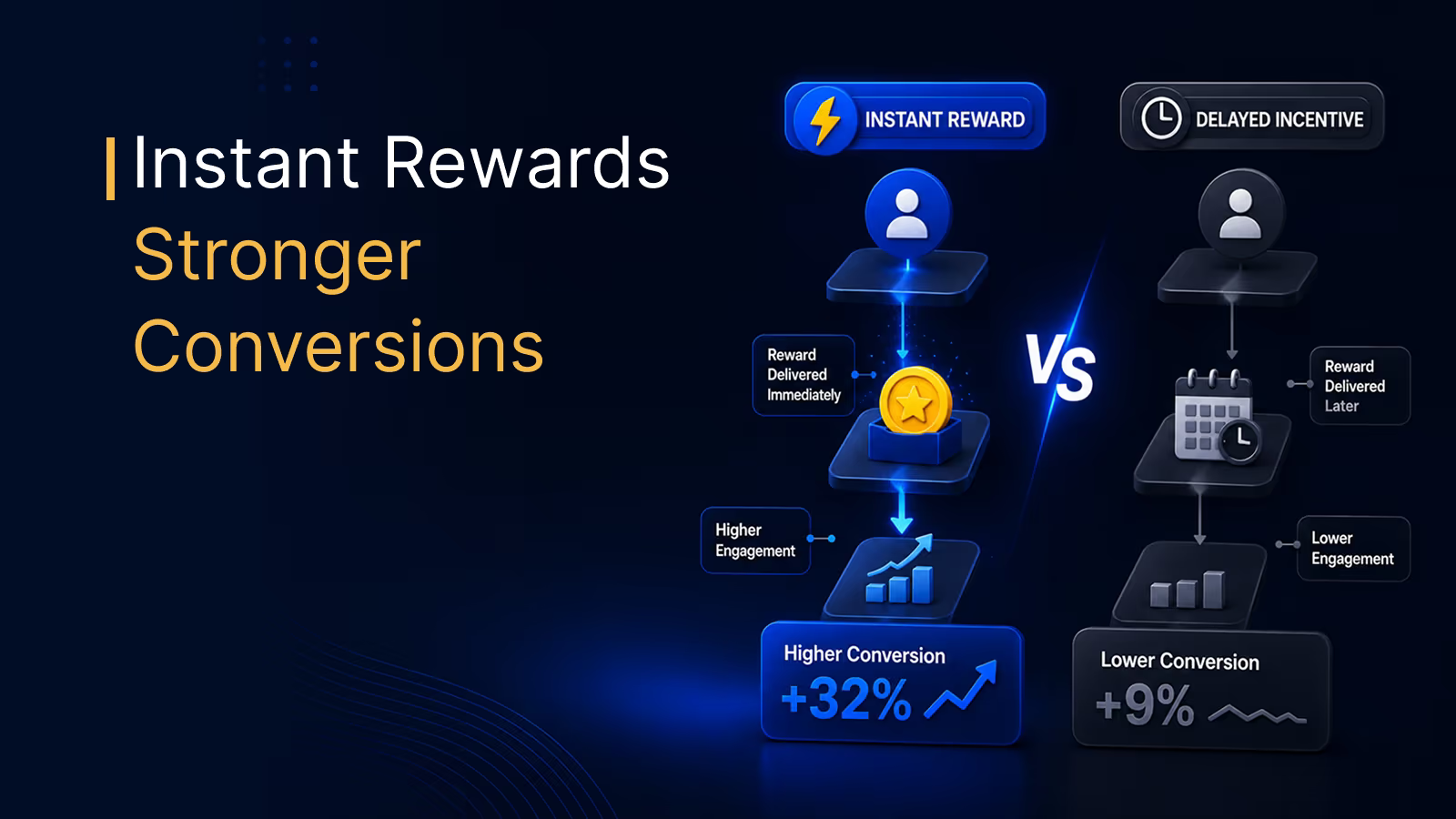
Immediate beats delayed
A reward that posts on the day of the refill ties the action to the payoff. Points that appear two months later do not.
Frequent and small beats rare and large
Researchers led by Kevin Volpp at the University of Pennsylvania tested a daily lottery for patients on warfarin. Patients who opened their pill compartment on schedule were entered for a chance at $10 or $100. In the first pilot, out-of-range INR readings fell from 35.0% to 12.2%, and incorrect pill-taking dropped to 2.3% against a historic 22%. It was a small pilot, so read it as a design signal, not a promise.
Streaks use loss aversion
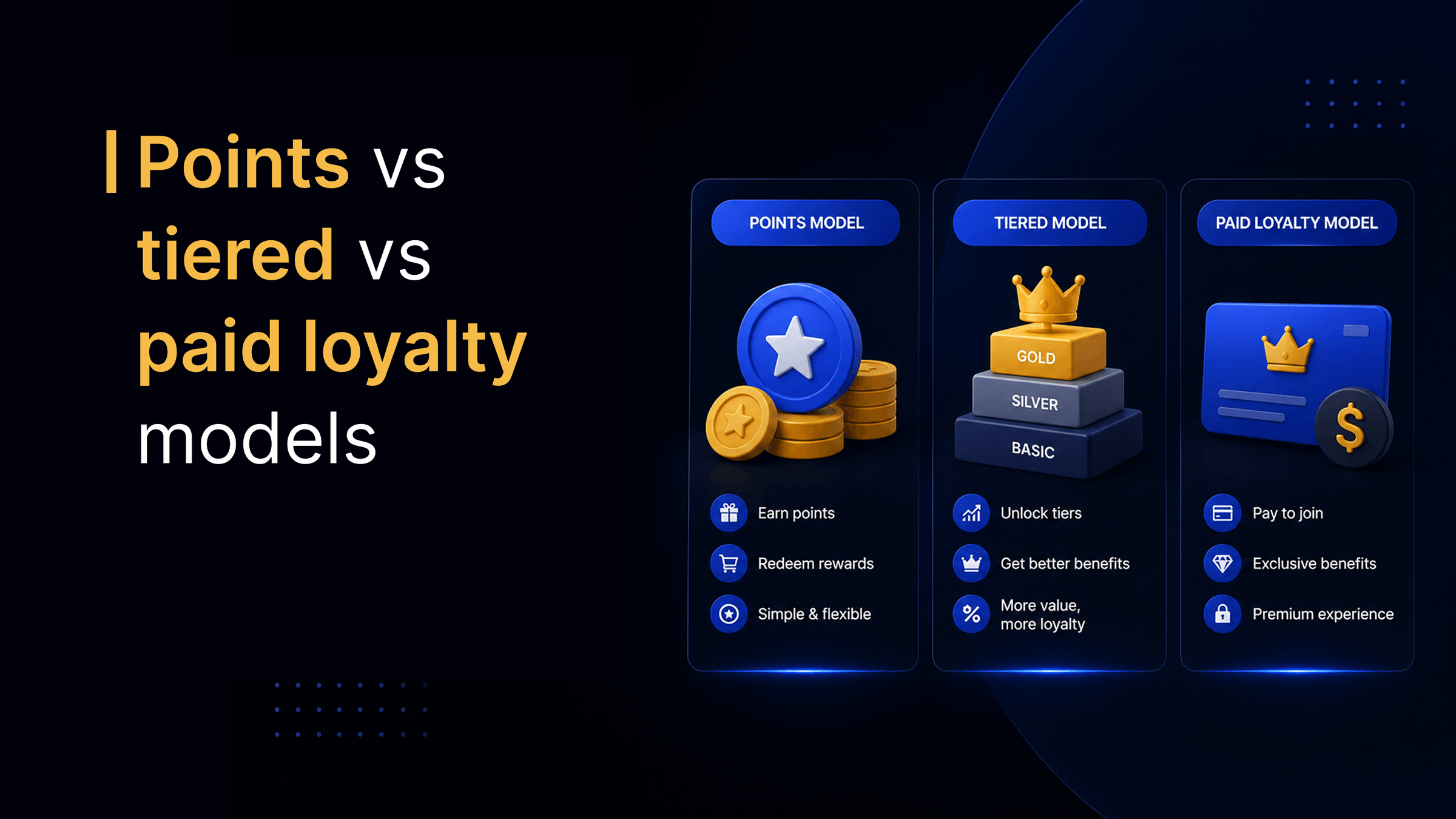
A patient on a five-month streak thinks twice before missing refill six, because breaking the streak feels like losing something already owned. Tiers do the same job over a longer horizon, and our guide to gamification in loyalty programs covers the mechanics.
How to design the reward rules
- Pick two or three behaviors tied to a measure you already track, such as proportion of days covered or 90-day persistency.
- Keep the reward value low and the cadence high.
- Add a streak or tier so progress compounds.
- Include the caregiver when the patient is a child or an older adult.
- Make redemption useful: pharmacy items, home health devices, and wellness vouchers.
None of that holds up without guardrails.
How Loyalife approaches adherence
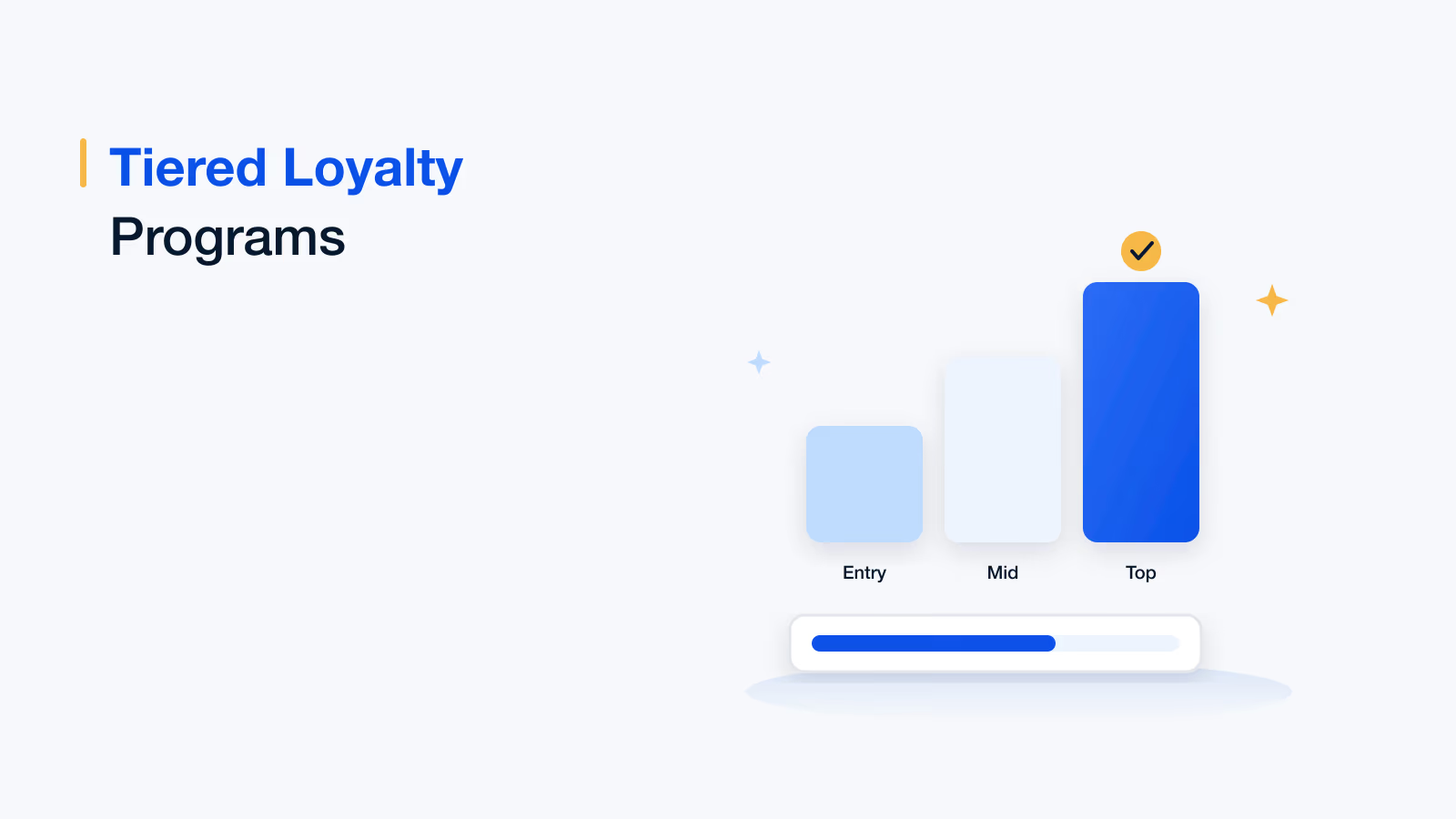
Xoxoday Loyalife lets a plan or a pharmacy write accrual rules around events instead of purchases. A refill within three days of the due date earns base points. Each consecutive on-time refill raises the bonus. Tiers move patients up as their streaks grow.
Rules run on the events you feed in, such as a refill confirmation from a pharmacy system or a validated invoice upload. Every accrual and redemption is logged with an audit trail, role-based access limits who can change rules, and anomaly detection flags accruals above a set threshold. Cohort analytics show enrolled patients against everyone else.
Guardrails: privacy, inducement rules, and fair play
Healthcare rewards play by different rules.
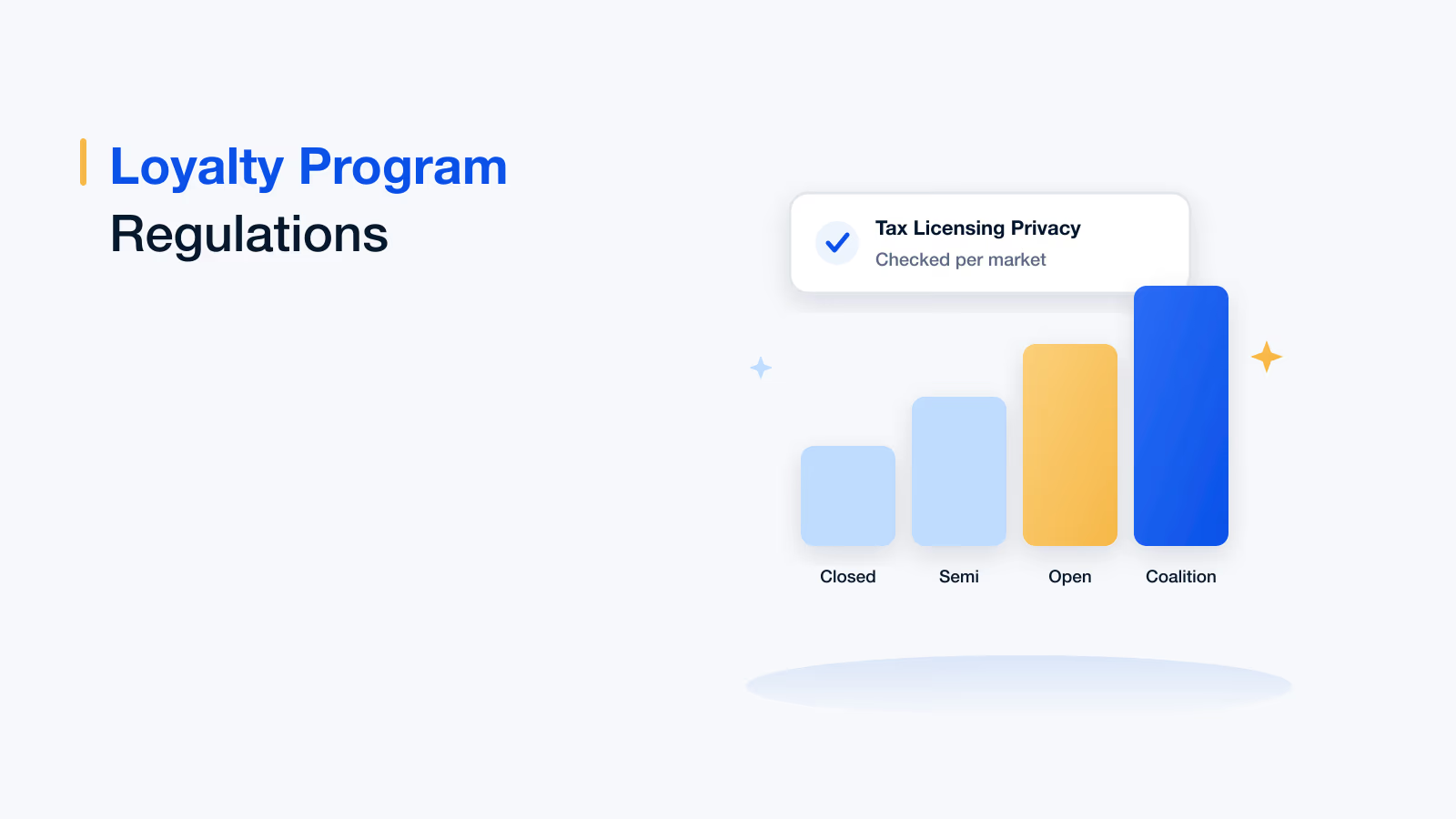
- Privacy: keep loyalty data to the minimum necessary and handle it under HIPAA-compliant controls.
- Inducement limits: federal anti-kickback and beneficiary inducement rules can cap reward value or eligibility for patients in government programs.
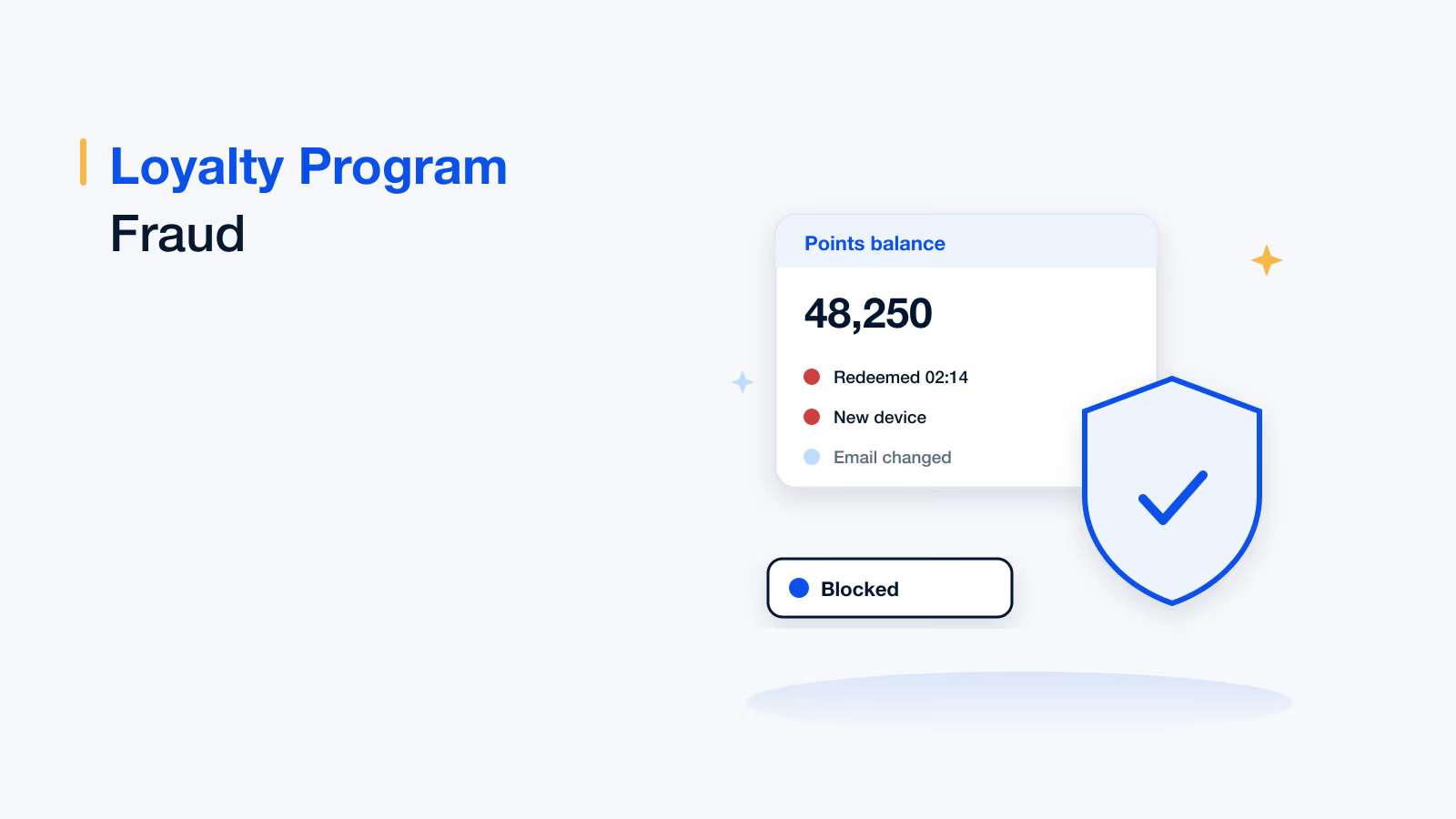
- Fraud: duplicate invoices and refill gaming need checks at accrual, not after payout.
Have compliance counsel review reward values and eligibility before launch. This post is not legal advice, and the healthcare loyalty platform guide shows how audit trails support that review.
How to measure whether it worked
- Proportion of days covered, for enrolled patients and a matched comparison group
- Average gap days between refills
- 90-day persistency on new prescriptions
- Redemption rate per active member
- Program cost per adherent patient
Compare enrolled patients with a matched group, not with last year. Last year is the wrong baseline. A program that cannot show that comparison is a perk, not an adherence strategy. More on picking metrics in loyalty program KPIs.
Book your Loyalife demo
Frequently asked questions
It rewards health-relevant actions, such as on-time refills, check-ins, and streaks, instead of spend. Points, tiers, and redemptions work like any loyalty program, but the accrual rules track adherence.
Early evidence says yes, with caveats. A University of Pennsylvania warfarin pilot cut incorrect pill-taking from a historic 22% to 2.3% of doses. The pilots were small, so test with a comparison group before scaling.
In Medicare Star Ratings, adherence for diabetes, hypertension, and cholesterol medications carries triple weight. Plans are measured on whether patients fill enough prescriptions to cover 80% of treatment.
It depends on the patient population and reward value. Federal anti-kickback and beneficiary inducement rules can limit rewards for government-program patients, so compliance counsel should review before launch.
Reward on-time refills, refill streaks, 90-day supply switches, pharmacist consults, and completed education modules. Each ties to a clinical outcome, and none depends on what the drug costs.