A referral program on one tool and a points program on another gives a brand two member balances, two reports and one confused customer. The team pays for both and still cannot say which referred buyers came back for a second order.
Annex Cloud sells loyalty, referrals, reviews and social advocacy as one suite for enterprise brands, organized into Engage, Personalize, Retain and Advocate. Teams that compare it with other vendors usually weigh a few trade-offs: a lighter ecommerce setup, a headless engine, a referral-first tool, or a suite that also runs channel programs.
Switching carries risk because shoppers are already selective. Deloitte found the average US consumer joins eight loyalty programs and actively uses five, so a migration that wipes balances or breaks redemption can push a brand out of that five.
We compared 10 platforms that brands shortlist for loyalty and referrals, ranked by how much of a combined program each covers natively for a multi-market brand.
Disclosure: Xoxoday publishes this guide and Loyalife is one of the 10. All are judged on the same criteria.
The Best Annex Cloud Alternatives for Loyalty and Referrals
- Xoxoday Loyalife for multi-market brands running customer, channel and referral programs on one platform
- Yotpo for ecommerce brands that want loyalty, referrals and reviews from one vendor (G2 4.3/5)
- TrueLoyal for consumer brands that want loyalty, referrals and user-generated content together (G2 4.6/5)
- Open Loyalty for enterprise teams with developers that want a loyalty API with referrals (G2 4.7/5)
- Kobie for large brands that want loyalty technology with strategy and operations services (G2 4.8/5)
- LoyaltyLion for Shopify brands that want loyalty and referrals with an API to grow into (G2 4.6/5)
- Smile.io for Shopify Plus merchants that want to test and measure each program change (G2 4.6/5)
- Friendbuy for brands that lead with referrals and want loyalty and creators alongside (G2 4.3/5)
- Voucherify for engineering-led teams that want one rule set for promotions, loyalty and referrals (G2 4.6/5)
- Oracle CrowdTwist for restaurant and venue brands that run Oracle point-of-sale systems
What Makes a Loyalty and Referral Platform Worth Switching To?
Members join easily and drift quietly. A platform earns its place when loyalty and referrals work as one program, and when you can show which rewards changed behavior.
8 vs 5
Loyalty programs joined versus actively used
average US consumer, Deloitte 2025
56%
Members who spend more because of the program
US loyalty members, Deloitte 2025
16%
Higher lifetime value for referred customers
one German bank, six years, JMR 2018
Sources: Deloitte, 2025 Consumer Loyalty Program Survey of 5,564 US loyalty program members, published January 2026. Van den Bulte, Bayer, Skiera and Schmitt, Journal of Marketing Research, 2018, a study of one German bank's customers over six years.
We judged every platform on five tests:
- Loyalty and referral coverage. Does it run points, tiers and referrals natively in one program, or does referral live in a separate tool?
- Fit for your stack. Look at the ecommerce platforms, point-of-sale systems and APIs the vendor names, not a promise of an open API.
- Program mechanics. Check for tiers, challenges, receipt scanning, wallet passes, and reviews or user-generated content that earn points.
- Control and measurement. Can you test an incentive, cap its cost and see which referrals became repeat buyers?
- Reach and rewards. What can members redeem, in which countries, and can one account hold several brands or programs?
We weighted loyalty and referral coverage and fit for your stack most, because those decide whether a brand can replace its current platform or only add to it. Feature claims come from each vendor's public pages, written in our own words, and we label figures a vendor publishes itself. Ratings come from G2, Capterra and Forrester as of November 2026 and change over time. Where a score rests on fewer than 20 reviews, we show the count. Yotpo's scores cover its whole platform, not only loyalty.
Loyalty and Referral Platforms at a Glance
- Xoxoday Loyalife
- Best for
- Multi-market brands running customer, channel and referral programs on one platform
- Standout feature
- Configurable referral engine inside a full loyalty suite
- Rating
- G2 Leader 2026 (Xoxoday)
- Yotpo
- Best for
- Ecommerce brands that want loyalty, referrals and reviews from one vendor
- Standout feature
- Loyalty and reviews in one suite
- Rating
- G2 4.3 · Capterra 4.4
- TrueLoyal
- Best for
- Consumer brands that want loyalty, referrals and user-generated content together
- Standout feature
- Fan Club with receipt scanning
- Rating
- G2 4.6 · Capterra 4.8
- Open Loyalty
- Best for
- Enterprise teams with developers that want a loyalty API with referrals
- Standout feature
- Headless engine with no-code campaigns
- Rating
- G2 4.7 (15 reviews) · Capterra 4.8 (15 reviews)
- Kobie
- Best for
- Large brands that want loyalty technology with strategy and operations services
- Standout feature
- Zero-party data and the Bonnie AI assistant
- Rating
- G2 4.8 (10 reviews) · Forrester Wave Leader, Loyalty Platforms, Q4 2025
- LoyaltyLion
- Best for
- Shopify brands that want loyalty and referrals with an API to grow into
- Standout feature
- Headless API with Shopify depth
- Rating
- G2 4.6 · Capterra 4.4 (19 reviews)
- Smile.io
- Best for
- Shopify Plus merchants that want to test and measure each program change
- Standout feature
- Staged rollouts with control groups
- Rating
- G2 4.6 · Capterra 4.8
- Friendbuy
- Best for
- Brands that lead with referrals and want loyalty and creators alongside
- Standout feature
- Referral depth with fraud prevention
- Rating
- G2 4.3 · Capterra 4.2 (5 reviews)
- Voucherify
- Best for
- Engineering-led teams that want one rule set for promotions, loyalty and referrals
- Standout feature
- Incentive experiments with margin guardrails
- Rating
- G2 4.6 · Capterra 4.8
- Oracle CrowdTwist
- Best for
- Restaurant and venue brands that run Oracle point-of-sale systems
- Standout feature
- Native Simphony point-of-sale integration
- Rating
- No public G2 or Capterra rating
Run referrals and loyalty on one wallet
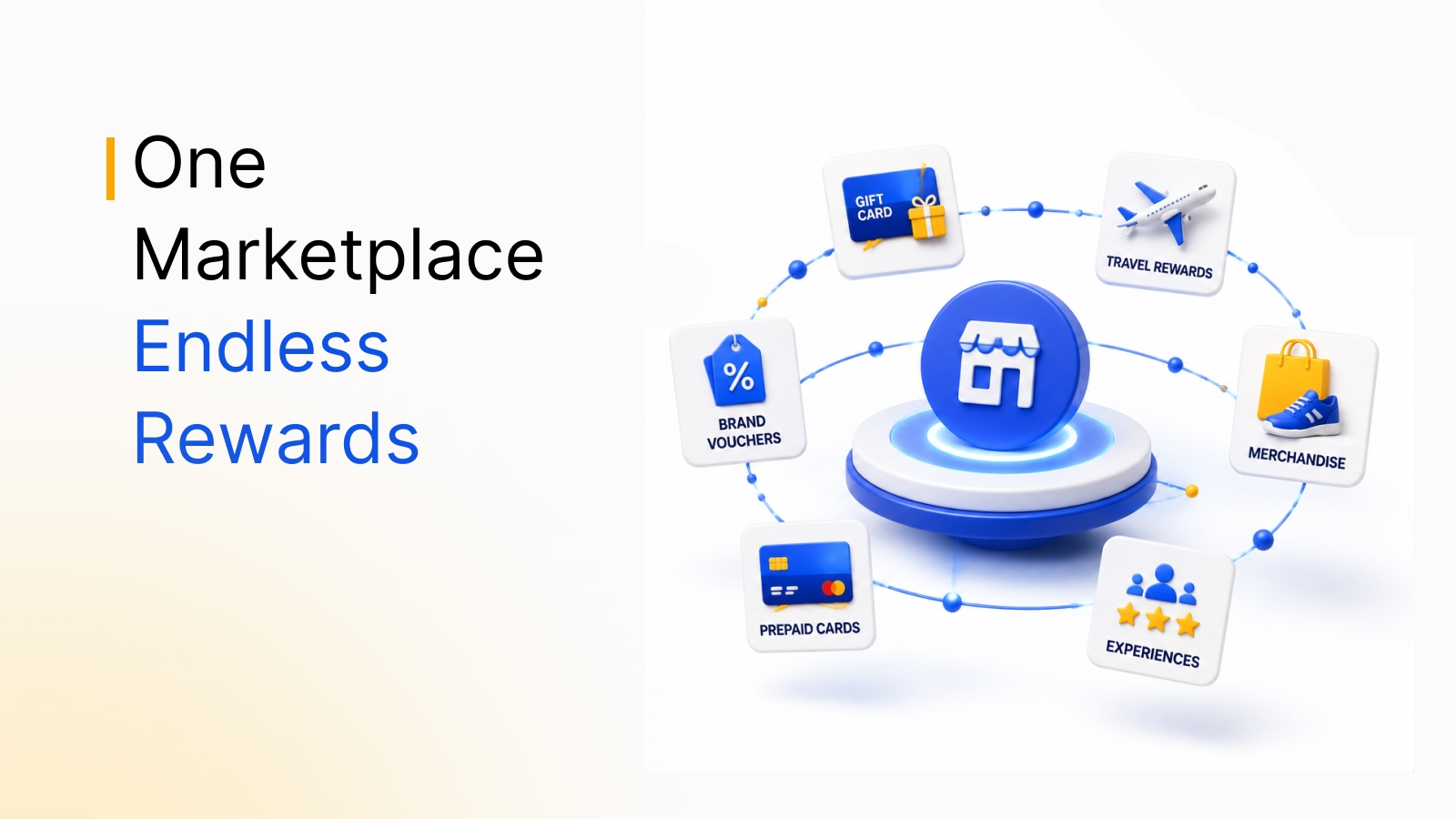
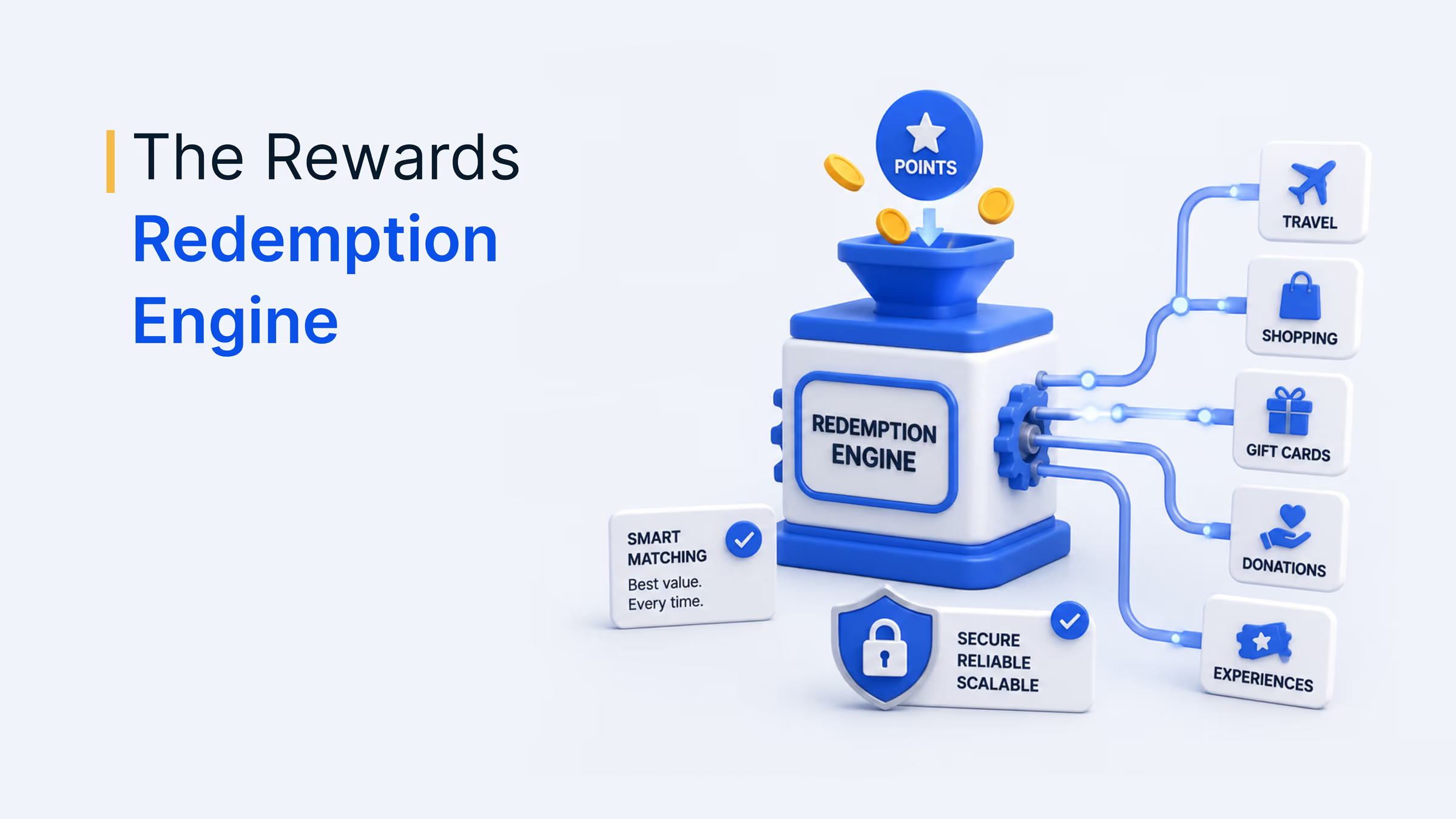
Loyalife runs referrals, points, tiers and gamification under one rule engine, with redemption from 10M+ reward options across 150+ countries.
Book a free 30-min demoTrusted by 5,000+ companies
1. Xoxoday Loyalife
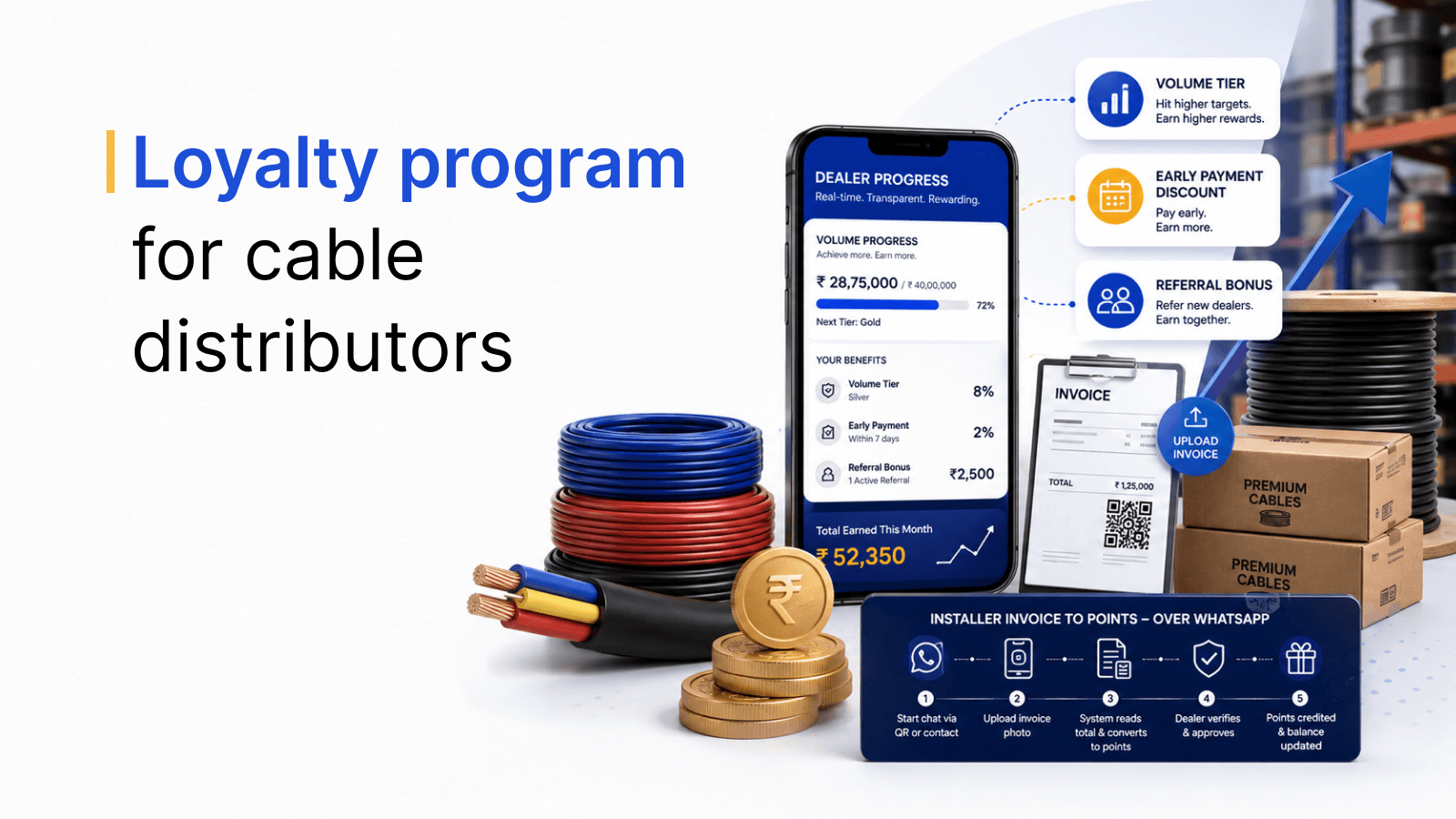
Enterprise loyalty platform. Loyalife covers the loyalty chain in one platform: member profiles, a rule engine, segments and tiers, campaigns, promotions, gamification, redemption and reporting. Referrals are a configurable module that shares the rules, wallet and reporting of every other program, so referral points never sit in a separate tool.
Members can earn by scanning a QR code or uploading a receipt that OCR turns into points, and partner or influencer programs can run through a WhatsApp bot. Redemption draws on a marketplace of 10M+ reward options across 150+ countries, and one account can hold several independent programs.
Loyalife is a full suite, and implementation runs roughly 10 weeks. A brand that only needs a referral widget at checkout will find it broader than the job.
- Referrals, points, tiers and gamification under one rule engine and wallet
- Rewards marketplace with 10M+ options across 150+ countries
- Anomaly detection, maker-checker approvals and audit trails
- A full loyalty suite with a roughly 10-week implementation, so broader than a referral-only need
2. Yotpo
Ecommerce loyalty and referral suite. Yotpo sells loyalty and referrals to ecommerce brands, with named support for Shopify, BigCommerce and Adobe Commerce. Teams change program rules without a developer, and each account gets a customer success manager.
Earning goes beyond purchases. Members earn for reviews and milestones, and Yotpo Spotlight surfaces rewards and login prompts across the shopping journey.
Points Drop sends expiring bonus points to chosen segments. VIP tiers and cards in Apple Wallet and Google Pay sit on the member side, and earn and redeem work online and in store through point-of-sale integration. The company lists 180+ integration partners.
Referral incentives tie into its other programs. Its loyalty page describes no headless API and no channel or B2B programs, so enterprise teams with those needs should ask.
- Online and in-store earn and redeem with point-of-sale integration
- Review points earned inside the same suite
- Managed support with a customer success manager, per the company
- Built for ecommerce, with no channel or B2B programs described on its loyalty page
3. TrueLoyal
Loyalty and community platform. TrueLoyal is the name Zinrelo now uses, after it merged with TINT in 2025. The pairing joins a loyalty engine with reviews, user-generated content and community, and the company says 300+ consumer brands use it.
Fan Club is where referrals, reviews and missions live, so a brand can reward a referral and measure what it influenced. Receipt scanning captures purchases made at other retailers without a point-of-sale connection. Tiers, streaks, challenges and churn-risk analytics sit on a unified consumer profile.
The product is aimed at brands and product sellers rather than banks or very large enterprise programs, and its homepage describes no public API.
- Referrals, reviews and user-generated content in one Fan Club
- Receipt scanning without a point-of-sale connection
- SOC 2, GDPR and CCPA compliance listed by the company
- Aimed at consumer brands, with no public API described on its homepage
4. Open Loyalty
Headless loyalty engine. Open Loyalty is an API-first loyalty engine that plugs into a brand's existing stack instead of replacing it. It targets enterprise brands in retail, quick-service restaurants, insurance, finance and consumer goods, and marketers manage campaigns without code.
The mechanics are broad: points, tiers, referrals, challenges, badges, leaderboards, coupons and games of chance such as spin the wheel and scratch and win. A Loyalty Success Team helps with program design and integration, and the company says it runs 400+ programs across 60+ countries.
Because the engine is headless, brands supply their own member-facing screens. Expect developer work on the first integration.
- Referrals and gamification mechanics beside points and tiers
- No-code campaign management on top of the API
- Hands-on services team for program design
- Developer-led integration, with the member front end built by the brand
5. Kobie
Enterprise loyalty technology and services. Kobie pairs the Alchemy Loyalty Cloud with a large services team. The platform includes a Loyalty Data Engine for customer profiles, a Personalization Hub for offers, a Rewards Hub marketplace and a Zero-Party Data Hub that captures preferences through gamified forms.
Bonnie is its conversational AI loyalty assistant. The platform is composable, so a brand can adopt it end to end or add modules beside an existing stack. By the company's count, Kobie has worked in loyalty for 35+ years.
Kobie is built for enterprise buyers and services-led engagements. Referrals are the open question: its public pages show no referral module, so confirm how they are handled.
- Composable modules that can sit beside an existing stack
- Strategy and operations services from the vendor
- Preference capture through gamified forms
- Enterprise and services-led, with no referral module on its public pages
6. LoyaltyLion
Shopify-centered loyalty platform. LoyaltyLion is built around Shopify, Shopify Plus and Shopify POS, with an enterprise tier for larger brands. Points and rewards cover purchases, subscriptions, referrals and reviews, with challenges and customizable VIP tiers on top.
A headless API and developer portal let enterprise teams build their own front end, and experiential rewards are available at that tier. Native dashboards report on program performance, and it connects to 100+ tools, including Klaviyo, Gorgias, Recharge and Judge.me. The company says 250M+ members have used it.
The point-of-sale support it names is Shopify POS, so retailers on another stack should confirm their till is covered.
- Referrals, reviews and subscriptions all earn points
- Headless API with a developer portal
- Integrations with 100+ tools, per the company
- Centered on Shopify, with Shopify POS the only till it names
7. Smile.io
Shopify loyalty platform. Smile.io serves Shopify merchants, with a focus on Shopify Plus. Programs are modular: points, VIP tiers, referrals, cashback, memberships, badges and challenges, plus birthday and anniversary rewards.
Measurement is the distinctive part. Teams roll a change out to 5% of members, then 25%, then 100%, and compare each promotion against a control group. A managed migration service moves members, balances and tiers from another platform, and the program reaches online, in-store and phone orders.
It supports Shopify only, and its hands-on support is tied to its Plus and Enterprise tiers. Its public site describes no API.
- Control-group measurement for each promotion
- Managed migration of members, balances and tiers
- Referrals and memberships in the same program
- Shopify only, with no API described on its public site
8. Friendbuy
Referral, loyalty and creator platform. Friendbuy started with referrals and now covers loyalty and creator programs on one platform with shared analytics. The referral side includes Advocate Activation, rewards and incentives, testing and optimization, fraud prevention and product sharing.
The loyalty module offers rewards, VIP and membership levels, receipt scanning, wallet passes and retention tools, and a creator module adds tiered commissions and automated payouts. Integrations include Shopify, Klaviyo, Attentive, Braze, Recharge, Segment and Salesforce, plus an API. The company says it has driven $3B+ for brands.
Referrals are the stronger half. Loyalty-heavy programs deserve a closer look in a demo.
- Fraud prevention and testing tools in the referral product
- Creator commissions and payouts on the same platform
- Wide martech integration list
- Referral-led, so loyalty depth needs checking in a demo
9. Voucherify
Promotion and incentive engine. Voucherify is an API-first engine for coupons, promotions, loyalty and referrals. Its Rule Builder sets stacking and exclusion rules, and fraud limits and budget guardrails protect margin.
Experimentation is the draw. Teams test incentives against each other and read the results in its analytics, and one rule set runs across web, mobile and point of sale. Gift cards, bundles, gamification and digital wallets sit in the same engine.
It is an engine, not a packaged program. Its public pages describe no ready-made member-facing loyalty screens, so brands usually build their own.
- Stacking and exclusion rules with budget guardrails
- A/B testing of incentives
- One rule set across web, mobile and point of sale
- An engine without ready-made member screens, so the front end is the brand's to build
10. Oracle CrowdTwist
Enterprise loyalty and engagement platform. Oracle CrowdTwist Loyalty and Engagement is an enterprise platform that Oracle acquired in 2019. Its current marketing leans toward food and beverage, restaurants, venues and entertainment, and it connects to Oracle's Simphony point-of-sale system so guests can enroll, check status and redeem at the register.
Gamification drives visit frequency, and members engage through the app, the register and email. Oracle presents the product alongside payments and guest engagement, and it ships updates monthly.
Referral features are not described on the pages we could read, and retail and channel use cases get less attention than hospitality. It has no public G2 or Capterra rating.
- Native point-of-sale enrollment and redemption for Simphony
- Backed by Oracle, with monthly releases
- Gamification aimed at visit frequency
- Hospitality-centered, with referral features not described on public pages
What to Ask Before You Switch Platforms
Every demo looks smooth. These four questions show what happens to the program you already run.
- Do referral rewards and loyalty points share one balance? If they sit in two wallets, ask how members see them and how finance reports the liability.
- How do balances, [tiers](/loyalife/member-engagement/tiers) and referral links migrate? Ask for the cutover plan, and confirm that links your advocates already shared keep working.
- Which ecommerce and point-of-sale systems connect out of the box? Get the named list, not a promise of an open API. See the Loyalife integrations.
- How is referral fraud handled? Ask what blocks self-referrals and duplicate accounts, and who approves flagged rewards. See security and fraud governance.
For the wider framework, see our customer loyalty program software buyer's guide and our comparison of the best customer loyalty platforms.
Which Loyalty and Referral Platform Should You Choose?
Your stack and your team decide it. Multi-market brands that want customer, channel and referral programs in one platform should start with Loyalife. Ecommerce brands that want reviews beside loyalty can compare Yotpo and TrueLoyal, and Shopify brands can look at LoyaltyLion and Smile.io.
Teams with developers should evaluate Open Loyalty and Voucherify, and large enterprises that want strategy and operations services fit Kobie. Referral-first programs should shortlist Friendbuy, and restaurant and venue brands on Oracle point-of-sale systems should look at Oracle CrowdTwist.
Whichever you shortlist, ask to see the migration plan before the feature tour. To see how Loyalife runs referrals inside a loyalty program, read about referrals, then explore a customer loyalty platform.
Book your Loyalife demo
Frequently asked questions
It is software that rewards customers for repeat purchases and for bringing in new customers. The loyalty side covers points, tiers and redemption, and the referral side covers invite links, rewards for both people and fraud checks.
Check five things: native loyalty and referral in one program, named integrations for your stack, the mechanics members will use, tools to test and cap incentives, and rewards that work in every market you sell in.
Yes. Xoxoday Loyalife runs referrals, points, tiers and gamification under one rule engine and wallet, so referral rewards and loyalty points share one balance. Rewards come from a marketplace of 10M+ options across 150+ countries.
One study of a German bank's customers found referred customers had 16% higher lifetime value over six years. The authors note results depend on the product and on acquisition cost, so compare referred and non-referred cohorts in your own data.
Migrate balances, tiers and referral links exactly, keep the freeze window short and tell members what changes before it happens. Test redemption end to end before cutover, because a failed redemption is the fastest way to lose an active member.