A loyalty program starts as a points plugin and a spreadsheet of VIP customers. Two years later it has tiers, a referral flow, a partner promotion and a finance lead asking who owns the points liability. At that point the team starts asking whether the platform it picked still fits.
Salesforce Loyalty is a natural default for companies whose customer data already lives in Salesforce. Growing brands still compare alternatives for ordinary reasons: a program that marketers can change without an admin or a developer, a launch measured in weeks, a stack that is not built around one CRM, or a program scope wider than customer points.
Shoppers want flexibility. Deloitte's 2024 Consumer Loyalty Survey found that about four in five consumers value flexible earn and redeem options, yet only about 60% are satisfied with the customized experiences programs offer today.
We compared 10 loyalty platforms, ranked by how closely each fits a growing brand that needs to launch fast and keep scaling.
Disclosure: Xoxoday publishes this guide and Loyalife is one of the 10. All are judged on the same criteria.
The Best Salesforce Loyalty Alternatives for Growing Brands
- Xoxoday Loyalife for growing brands that want customer, channel and partner loyalty on one platform
- Yotpo for ecommerce brands whose marketers want to change the program without a developer (G2 4.3/5)
- LoyaltyLion for Shopify and Shopify Plus brands that want AI-led program recommendations (G2 4.6/5)
- Smile.io for established Shopify Plus brands that want to roll out and test promotions gradually (G2 4.6/5)
- TrueLoyal (formerly Zinrelo) for consumer brands that want behavior-based earning, receipt scanning and a managed program (G2 4.7/5)
- Open Loyalty for developer-led teams that want a loyalty engine beside their existing stack (G2 4.7/5)
- Voucherify for promotions and loyalty teams that want one incentive engine with margin controls (G2 4.6/5)
- Voyado for fashion, electronics, beauty and furniture retailers that want CRM and loyalty together (G2 4.5/5)
- Marigold Loyalty for brands that want loyalty and email or SMS on shared customer data (G2 4.6/5)
- Kobie for large brands that want a services-led program with strategy and analytics (G2 4.8/5)
What Makes a Loyalty Platform Worth Switching To?
A program outgrows its platform quietly. Rules need a developer, data sits in three tools, and a new channel means a new project.
~60%
Satisfied with the customized experiences programs offer
Deloitte, 2024 Consumer Loyalty Survey
18%
More likely to repurchase after a first-purchase reward
new CPG buyers, Bain & Company, June 2026
~4 in 5
Consumers value flexible earn and redeem options
Deloitte, 2024 Consumer Loyalty Survey
Source: Deloitte, Consumer Loyalty Survey, 2024 edition of 9,800+ consumers; Bain & Company, "Beyond Sales Lift: How Rewards Build Valuable Customers", June 2026, a consumer packaged goods study.
We judged every platform on five tests:
- Launch speed and marketer control. Can a marketing team build and change rules, tiers and campaigns without a developer or an admin ticket?
- Program breadth. Look beyond points to tiers, referrals, gamification, and partner or channel programs on the same platform.
- Integration and data. Check named connectors for commerce, point-of-sale and CRM platforms, plus APIs for anything custom.
- Analytics and AI. Are predictions, assistants and reports live today, and can finance audit the numbers?
- Vendor continuity and support. Check ownership changes, migration help and whether services come with the software.
We weighted launch speed and program breadth most, because those decide whether a growing brand can keep adding programs without a rebuild. Feature claims come from each vendor's public pages, written in our own words, and we label figures the vendor publishes itself. Ratings come from G2, Capterra and Forrester as of November 2026 and change over time. Where a score rests on fewer than 20 reviews, we show the count.
Run customer and partner loyalty on one platform
Loyalife pairs a marketer-run rule engine with tiers, campaigns and 10M+ reward options across 150+ countries.
Book a free 30-min demoTrusted by 5,000+ companies
Salesforce Loyalty Alternatives at a Glance
- Xoxoday Loyalife
- Best for
- Growing brands that want customer, channel and partner loyalty on one platform
- Standout feature
- Rule engine and AI layer beside a 10M+ option rewards marketplace
- Rating
- G2 Leader 2026 (Xoxoday)
- Yotpo
- Best for
- Ecommerce brands whose marketers want to change the program without a developer
- Standout feature
- Loyalty with a dedicated success manager and migration help
- Rating
- G2 4.3 (265 reviews) · Capterra 4.4 (377 reviews)
- LoyaltyLion
- Best for
- Shopify and Shopify Plus brands that want AI-led program recommendations
- Standout feature
- A Loyalty Agent that advises on retention
- Rating
- G2 4.6 (590+ reviews) · Capterra 4.4 (19 reviews)
- Smile.io
- Best for
- Established Shopify Plus brands that want to roll out and test promotions gradually
- Standout feature
- Gradual rollouts with a control group for each promotion
- Rating
- G2 4.6 (390+ reviews) · Capterra 4.8 (67 reviews)
- TrueLoyal (formerly Zinrelo)
- Best for
- Consumer brands that want behavior-based earning, receipt scanning and a managed program
- Standout feature
- Receipt scanning that ties offline purchases to known customers
- Rating
- G2 4.7 (85 reviews) (Zinrelo listing)
- Open Loyalty
- Best for
- Developer-led teams that want a loyalty engine beside their existing stack
- Standout feature
- API-first engine with no-code gamification
- Rating
- G2 4.7 (15 reviews) · Capterra 4.8 (15 reviews)
- Voucherify
- Best for
- Promotions and loyalty teams that want one incentive engine with margin controls
- Standout feature
- Stacking rules and redemption limits across all incentives
- Rating
- G2 4.6 (22 reviews) · Capterra 4.8 (24 reviews)
- Voyado
- Best for
- Fashion, electronics, beauty and furniture retailers that want CRM and loyalty together
- Standout feature
- Loyalty inside a retail CRM with a digital wallet
- Rating
- G2 4.5 (77 reviews) · Capterra 4.5 (4 reviews)
- Marigold Loyalty
- Best for
- Brands that want loyalty and email or SMS on shared customer data
- Standout feature
- Loyalty tied to zero-party data collection
- Rating
- G2 4.6 (12 reviews)
- Kobie
- Best for
- Large brands that want a services-led program with strategy and analytics
- Standout feature
- Loyalty services and a Customer Operating System
- Rating
- G2 4.8 (10 reviews) · Forrester Wave Leader, Loyalty Platforms Q4 2025
1. Xoxoday Loyalife
Enterprise loyalty platform. Loyalife runs the loyalty value chain in one platform: member profiles, a rule engine, segments and tiers, a campaign builder, promotions, gamification, redemption and reporting. Marketing teams configure earn and burn rules themselves, and each program stays independent under one account.
Beyond customer programs, Loyalife runs channel, influencer and coalition programs, with a WhatsApp bot, QR scans and invoice upload with OCR. Churn prediction and smart nudges sit in the AI layer, and an MCP connection lets an AI assistant analyze a program or build a segment. Redemption draws on a marketplace of 10M+ reward options across 150+ countries, and APIs connect the platform to commerce, CRM, point-of-sale and ERP systems.
Loyalife is a full suite. Implementation runs as a project of roughly 10 weeks, so a small shop that only needs a points widget on one storefront will find it broader than the job.
- Customer, channel, influencer and coalition programs on one platform
- Rule engine and campaign builder that marketers can run
- Rewards marketplace with 10M+ options across 150+ countries
- A full loyalty suite with a roughly 10-week implementation, so broader than needed for a single-storefront points program
2. Yotpo
Ecommerce loyalty and referrals. Yotpo sells loyalty and referrals as a dedicated product beside its reviews and ratings tools. Marketers can change earning rules and tiers without a developer, and the company offers a dedicated customer success manager and help moving a program over from another tool.
Rewards can be products, dollar-value credits or points for non-purchase actions, and Points Drop sends expiring bonus points to chosen segments. The company has narrowed its lineup in recent years, so confirm what sits inside your contract. The G2 and Capterra scores below cover the whole Yotpo platform, not loyalty alone.
- Rules and tiers editable by non-technical marketers
- Migration help from other loyalty tools
- Referrals and loyalty in one product
- Aimed at ecommerce brands, so channel and partner programs sit outside its focus
3. LoyaltyLion
Ecommerce loyalty. LoyaltyLion builds loyalty for Shopify and Shopify Plus stores, and it also offers a headless API for teams that want their own front end. Its AI features draw on a store's own sales patterns to suggest program changes.
The company names a Loyalty Agent, described as an always-on retention advisor, alongside challenges, referrals, a revenue predictor and experiential rewards. It says it has 250M+ members on its platform. Its positioning is Shopify-centric, so brands on other commerce stacks should check connector depth early.
- AI recommendations based on the store's own data
- Headless API for custom storefronts
- Challenges and referrals alongside points
- Shopify-centric, with enterprise omnichannel handled mainly through Shopify POS
4. Smile.io
Ecommerce loyalty. Smile.io builds a loyalty program from modules. Loyalty Studio covers points, VIP tiers, referrals, cashback, memberships, badges and birthday rewards, and a team can roll a change out to part of its audience first.
Promotions can run against a control group, so a team can measure lift instead of guessing. The company says it supports migrations of members, balances and tiers from other loyalty tools. It positions itself for Shopify and Shopify Plus, and reviewers mention limits on branding flexibility.
- Control-group measurement for each promotion
- Gradual rollouts to test changes
- Member, balance and tier migration support
- Built around Shopify, and reviewers cite limited branding flexibility
5. TrueLoyal (formerly Zinrelo)
Loyalty software and managed services. Zinrelo and TINT merged in August 2025 and now operate as TrueLoyal, and the zinrelo.com address redirects to the new site. The platform pairs software with strategy and managed services, so a team can hand part of program operations to the vendor.
Behavior-based earning rules, missions, challenges and streaks sit beside receipt scanning, a Fan Club for referrals and reviews, and analytics for churn risk and purchase likelihood. Named integrations include NetSuite, Shopify, Salesforce and Klaviyo. Because of the brand change, ask how earlier Zinrelo terms map to the TrueLoyal offering.
- Receipt scanning links offline buys to known customers
- Software plus managed program operations
- Named Salesforce, NetSuite, Shopify and Klaviyo integrations
- Recent brand merger, so contract and packaging details are worth confirming
6. Open Loyalty
Composable loyalty API. Open Loyalty is an API-first loyalty engine that sits beside a brand's existing systems instead of replacing them. Campaign tooling and gamification are available without code, so marketers can change rules once developers have wired up the events.
It lists points, status tiers, reward catalogs, multi-currency wallets, referrals, challenges and spin-the-wheel games, plus a Loyalty MCP server. The company says it averages 120 ms response times and runs 1B+ events a month. A composable layer suits teams with integration capacity, because the surrounding marketing tools remain the buyer's to assemble.
- Composable engine that sits beside the existing stack
- No-code campaigns and gamification
- Multi-currency wallets and reward catalogs
- A loyalty layer, not a full marketing suite, and it assumes engineering capacity
7. Voucherify
Promotions and loyalty engine. Voucherify combines loyalty, coupons, referrals, gift cards and promotions in one incentive engine. A rule builder handles stacking, redemption limits and velocity caps, so a team can keep discounts from eating margin.
It also covers digital wallets, store credit, experimentation and an AI assistant called Vincent, and it streams events through webhooks and Kafka. The company says its APIs respond in under 50 ms. Loyalty is one capability among several, and reviewers flag reporting as an area to inspect.
- Coupons, referrals and loyalty in one engine
- Stacking rules and redemption limits
- Webhooks and Kafka event streaming
- Promotions-first, with loyalty as one capability, and reviewers note thin reporting
8. Voyado
Retail customer engagement. Voyado pairs customer engagement, covering a customer data platform, marketing automation and loyalty, with product discovery tools such as search and recommendations. Retail is its stated focus.
Email, SMS and onsite messaging run on the same customer record, and a digital wallet carries membership cards. The company reportedly took majority investment in 2025 and has added wallet capability through an acquisition, so ask how that shapes its roadmap. Loyalty is one module in a wider suite.
- CRM, messaging and loyalty on one customer record
- Digital wallet for membership cards
- In-store engagement for retailers
- Retail-specific, with loyalty as one module in a wider suite
9. Marigold Loyalty
Loyalty inside a messaging suite. Marigold Loyalty is built to work with Marigold's messaging and zero-party data products, so loyalty, email and SMS draw on one customer profile. Grow collects zero-party data through quizzes, polls and gamification.
Ownership is in transition. In September 2025, Zeta Global agreed to acquire Marigold's enterprise business, which includes Marigold Loyalty, valued at up to $325 million. Confirm current branding, packaging and roadmap before you commit. Loyalty works best here when bundled with the wider suite.
- Loyalty, email and SMS on one customer profile
- Zero-party data collection through quizzes and polls
- Permission and preference management
- Enterprise business changing hands, and strongest when bought as a bundle
10. Kobie
Enterprise loyalty and services. Kobie describes a Customer Operating System with loyalty at the center. It combines strategy, data and AI, and its assistant is called Bonnie. The platform covers a Loyalty Data Engine with panoramic customer profiles, a Personalization Hub, a Rewards Hub and a Zero-Party Data Hub.
Kobie was named a Leader in The Forrester Wave: Loyalty Platforms, Q4 2025. It targets large global brands in retail, financial services, telecom, travel and quick-service restaurants, with services for strategy, operations and analytics. A small or self-serve team will find the model heavier than it needs.
- Strategy, operations and analytics services with the platform
- Rewards Hub and Zero-Party Data Hub
- Forrester Wave Leader recognition for loyalty platforms
- Enterprise and services-led, so a weaker fit for small self-serve teams
What to Ask Before You Switch Platforms
Every demo looks polished. These four questions show what happens to the program you already run.
- Who can change a [rule](/loyalife/member-engagement/rule-engine), and how fast? Ask a marketer, not an engineer, to build a new tier live during the demo.
- How do balances, [tiers](/loyalife/member-engagement/tiers) and member records migrate? Ask for the cutover plan, the freeze window and how finance reconciles the opening balance.
- Which integrations are native and which are custom? Get the connector list for your commerce, point-of-sale and CRM systems in writing.
- What do recent ownership changes mean for the roadmap? Ask which products are being kept, merged or renamed, and for how long support is committed.
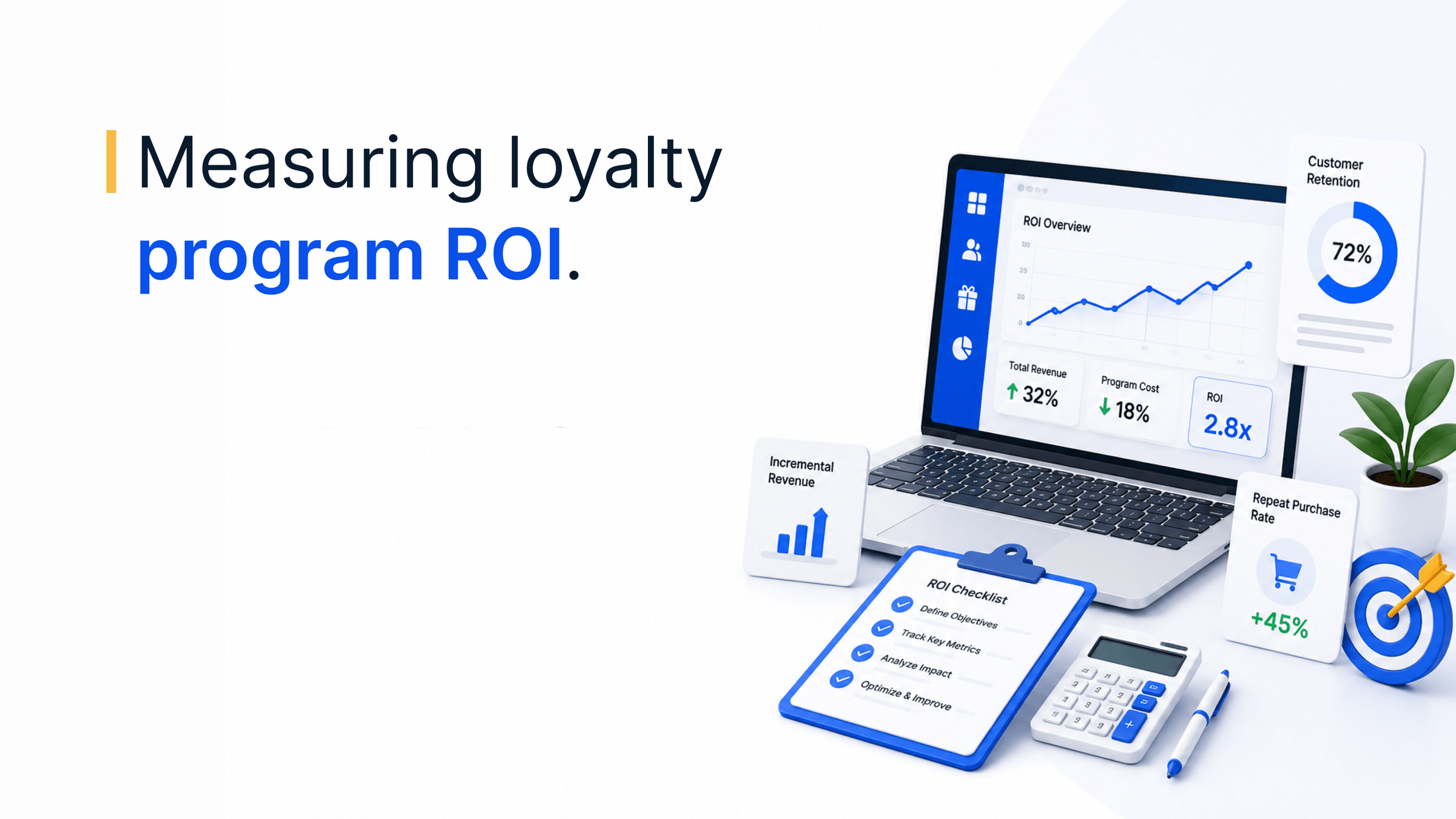
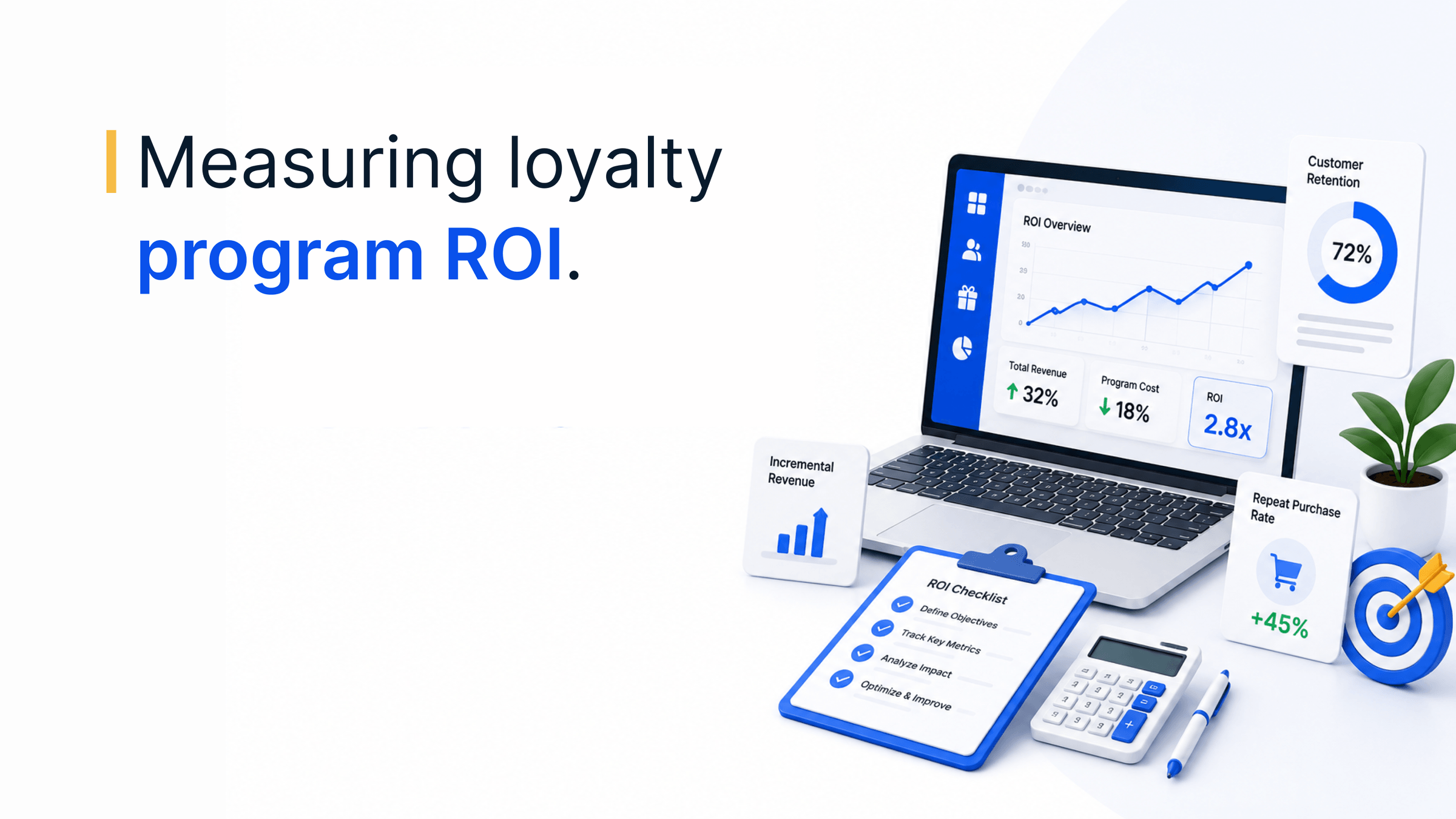
For the wider framework, see our customer loyalty program software buyer's guide, then work out how you will prove value with our guides to loyalty program KPIs and measuring loyalty program ROI.
Which Salesforce Loyalty Alternative Should You Choose?
Fit decides this one. If you want customer, channel and partner programs on one platform, start with Loyalife, and read our Loyalife vs Salesforce Loyalty comparison for a direct view. Shopify brands can compare Yotpo, LoyaltyLion and Smile.io, and consumer brands that want receipt scanning and a managed program can look at TrueLoyal.
Engineering-led teams can compare Open Loyalty and Voucherify, retailers that want CRM and loyalty together can look at Voyado, and large brands that want a services-led program can compare Marigold Loyalty and Kobie.
Whichever you shortlist, ask to see the migration plan before the feature tour. If you are weighing Shopify, Salesforce and HubSpot connectors specifically, read our guide to loyalty platforms that integrate with Shopify, Salesforce and HubSpot, then explore a customer loyalty platform.
Book your Loyalife demo
Frequently asked questions
Common reasons are a program that marketers can change without an admin, a faster launch, a stack that is not built around one CRM, and a wider program scope. Check the migration plan first, because live balances and tiers must keep working during cutover.
Look for marketer-run rules and tiers, named connectors for your commerce and point-of-sale systems, and room to add referral, partner or channel programs later. Ask how balances migrate and who owns support after go-live.
An ecommerce app is enough when the program lives on one storefront and the rules stay simple. A full platform fits when you add stores, partners, channel programs or several brands, because rules and balances then need one home.
Yes. Loyalife runs customer, channel, influencer and coalition programs on one platform, each independent under one account. Rewards come from a marketplace of 10M+ options across 150+ countries.
Migrate balances and tiers exactly, keep the freeze window short and tell members what changes before it happens. Test earning and redemption end to end before cutover, because a wrong balance is the fastest way to lose trust.