A retention manager at a $60M online retailer gets budget for a loyalty program. Two vendors demo well. One turns out to be built for a 500-order-a-month shop, and the other needs a six-month project and a developer team she does not have.
Mid-market brands live in that gap. They have outgrown a plug-in, but they do not run a global program office. The software has to launch in weeks, connect to a commerce platform and a CRM, and still handle tiers, referrals and multi-market rules a year later.
We compared 10 platforms on how well each fits that middle ground, ranked by the evidence each vendor's own public pages give for mid-market capability.
Disclosure: Xoxoday publishes this guide and Loyalife is one of the 10. All are judged on the same criteria.
The Best Loyalty Program Software
- Xoxoday Loyalife for brands that need customer, channel and partner loyalty on one platform
- Yotpo for ecommerce brands that want loyalty and reviews from one vendor (G2 4.3/5)
- LoyaltyLion for Shopify and Shopify Plus brands that want a headless option (G2 4.6/5)
- Smile.io for Shopify Plus brands that want staged rollouts and built-in measurement (G2 4.6/5)
- Open Loyalty for teams with developers that want a composable loyalty engine (G2 4.7/5, 15 reviews)
- Voucherify for teams that want loyalty, coupons and referrals in one API engine (G2 4.6/5, 23 reviews)
- Gameball for brands that want deep gamification and mobile app programs (G2 4.5/5, 17 reviews)
- Marsello for retail and hospitality brands that sell in stores and online (G2 4.4/5, 31 reviews)
- Rivo for Shopify brands that want loyalty, accounts and memberships in one app
- Bubblehouse for brands that want omnichannel and subscription loyalty mechanics
What Makes the Best Loyalty Program Software for a Mid-Market Brand?
A mid-market program pays back when members redeem, not just enroll.
10%
Higher spend from a typical active member
versus an enrolled but inactive member, McKinsey 2022
25%
Higher spend from redeemers
versus enrolled but inactive members, McKinsey 2022
37%
Marketers confident in loyalty data insight
more than somewhat confident, Forrester Q1 2026, commissioned by Zeta Global
Source: McKinsey & Company, "Next in loyalty: Eight levers to turn customers into fans" (2022); Forrester survey, Q1 2026, commissioned by Zeta Global.
We judged every platform on five tests:
- Stack fit. Which commerce platforms, POS systems and CRMs does it name as live integrations?
- Mechanics beyond points. Tiers, referrals, challenges, memberships and wallet passes: which ship, and which need custom work?
- Time to launch. Can marketers configure the program, or does it need a developer project?
- Growth headroom. Can it add markets, languages, brands or partner programs without a re-platform?
- Redemption and controls. What can members redeem for, and what limits stop fraudulent earning?
We weighted stack fit and growth headroom most, because those decide whether a platform still fits after the first year. Feature claims come from each vendor's public pages, written in our own words, and we say when a page does not describe a capability. Ratings come from G2 and Capterra as of November 2026 and change over time. Where a score rests on fewer than 20 reviews, we show the count.
The Best Loyalty Program Software at a Glance
- Xoxoday Loyalife
- Best for
- Brands that need customer, channel and partner loyalty on one platform
- Standout feature
- Customer, channel and influencer programs on one core
- Rating
- G2 Leader 2026 (Xoxoday)
- Yotpo
- Best for
- Ecommerce brands that want loyalty and reviews from one vendor
- Standout feature
- Loyalty and reviews from one vendor
- Rating
- G2 4.3 · Capterra 4.4
- LoyaltyLion
- Best for
- Shopify and Shopify Plus brands that want a headless option
- Standout feature
- Headless API for custom storefronts
- Rating
- G2 4.6 · Capterra 4.4 (19 reviews)
- Smile.io
- Best for
- Shopify Plus brands that want staged rollouts and built-in measurement
- Standout feature
- Control-group measurement of promotions
- Rating
- G2 4.6 · Capterra 4.8
- Open Loyalty
- Best for
- Teams with developers that want a composable loyalty engine
- Standout feature
- API-first engine with broad gamified mechanics
- Rating
- G2 4.7 (15 reviews) · Capterra 4.8 (15 reviews)
- Voucherify
- Best for
- Teams that want loyalty, coupons and referrals in one API engine
- Standout feature
- Promotion governance with stacking rules and limits
- Rating
- G2 4.6 (23 reviews) · Capterra 4.8 (24 reviews)
- Gameball
- Best for
- Brands that want deep gamification and mobile app programs
- Standout feature
- Challenges, streaks and in-app games
- Rating
- G2 4.5 (17 reviews) · Capterra 5.0 (7 reviews)
- Marsello
- Best for
- Retail and hospitality brands that sell in stores and online
- Standout feature
- Loyalty, email and SMS in one tool
- Rating
- G2 4.4 (31 reviews)
- Rivo
- Best for
- Shopify brands that want loyalty, accounts and memberships in one app
- Standout feature
- Cashback as store credit without a full program
- Rating
- No public G2 or Capterra rating
- Bubblehouse
- Best for
- Brands that want omnichannel and subscription loyalty mechanics
- Standout feature
- One points ledger across online, retail and third-party channels
- Rating
- No public G2 or Capterra rating
Run customer, channel and partner loyalty on one platform
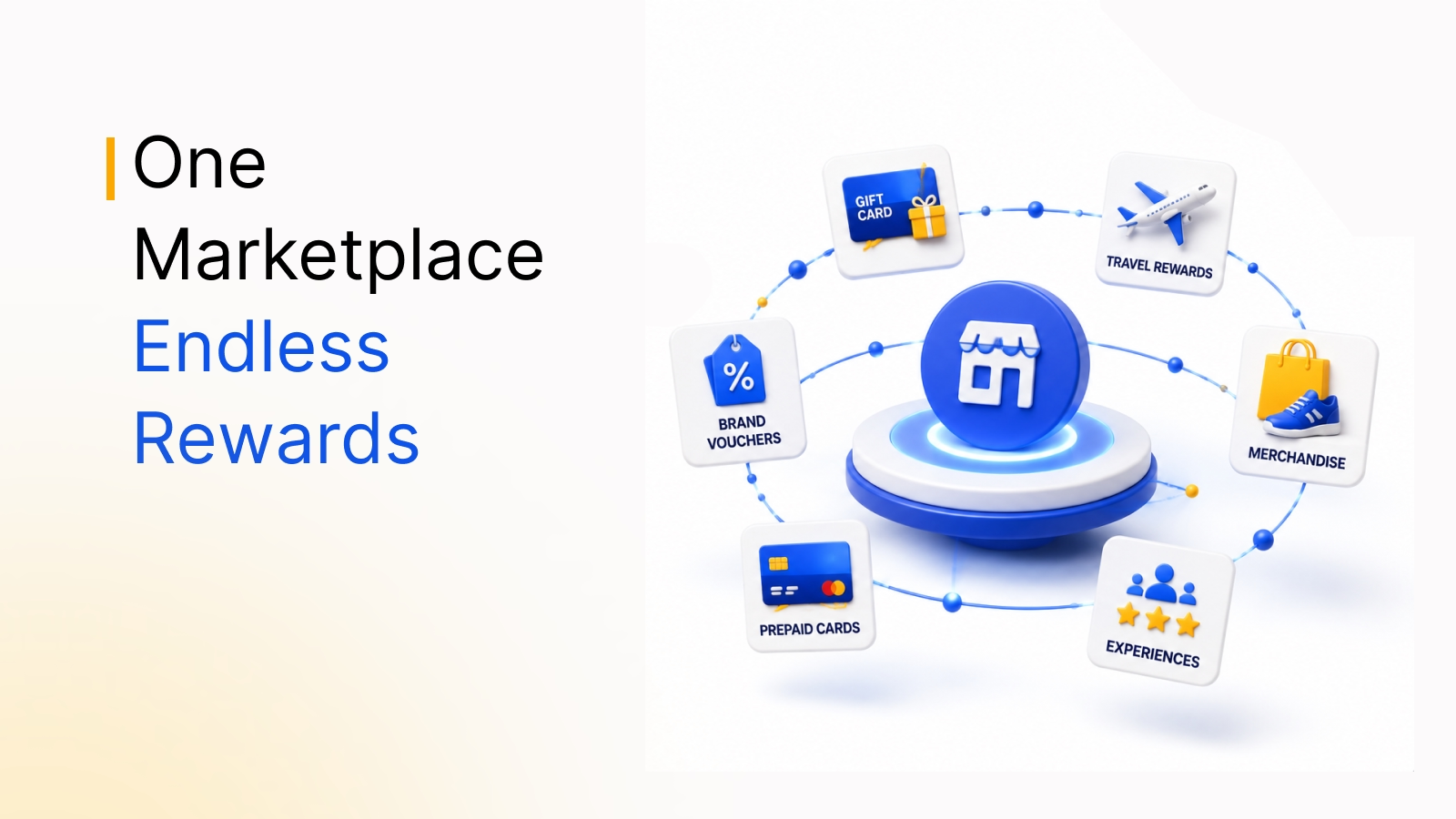
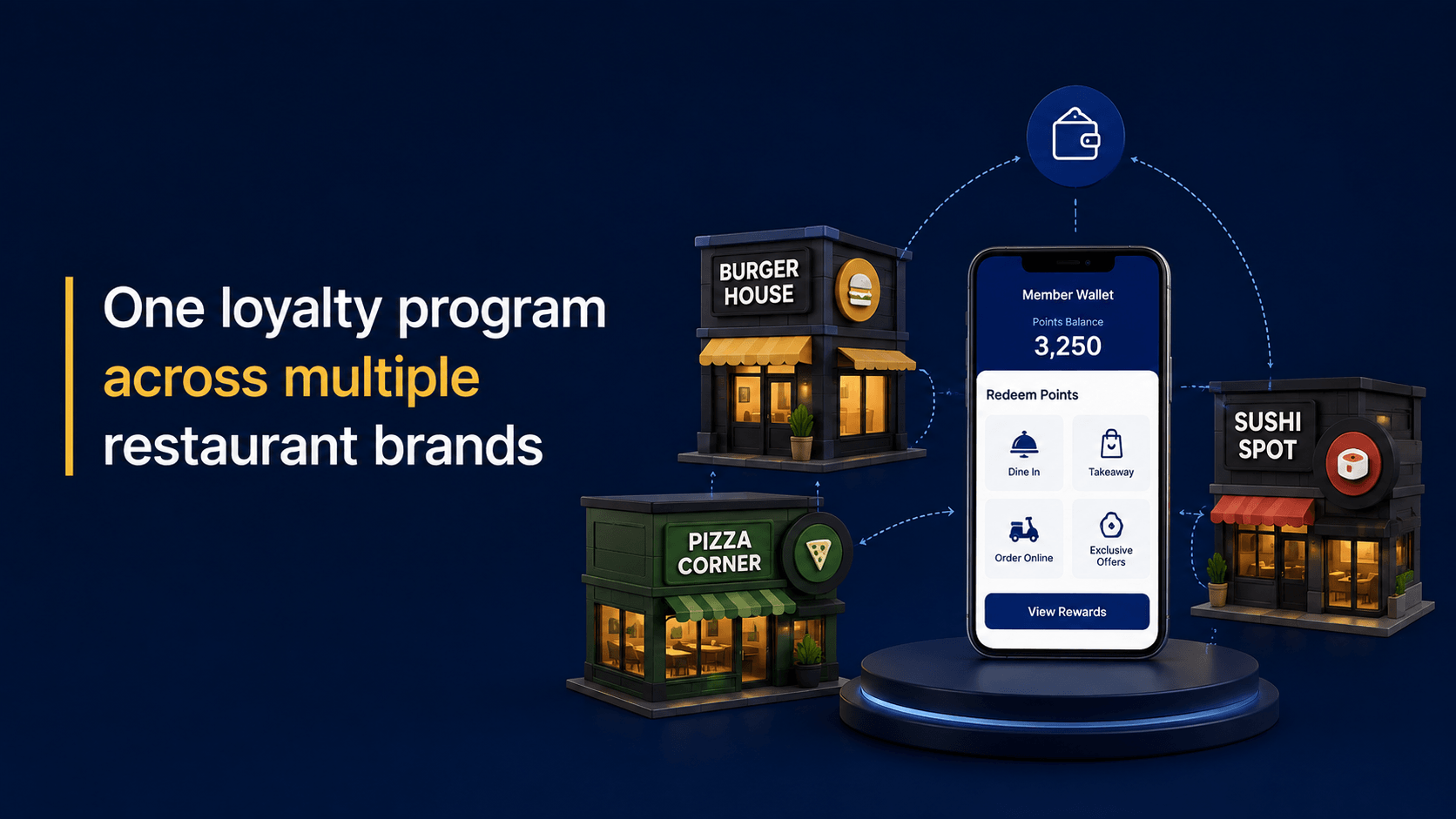
Loyalife gives mid-market brands a rule engine, tiers, referrals and a 10M+ option rewards marketplace in one suite.
Book a free 30-min demoTrusted by 5,000+ companies
1. Xoxoday Loyalife
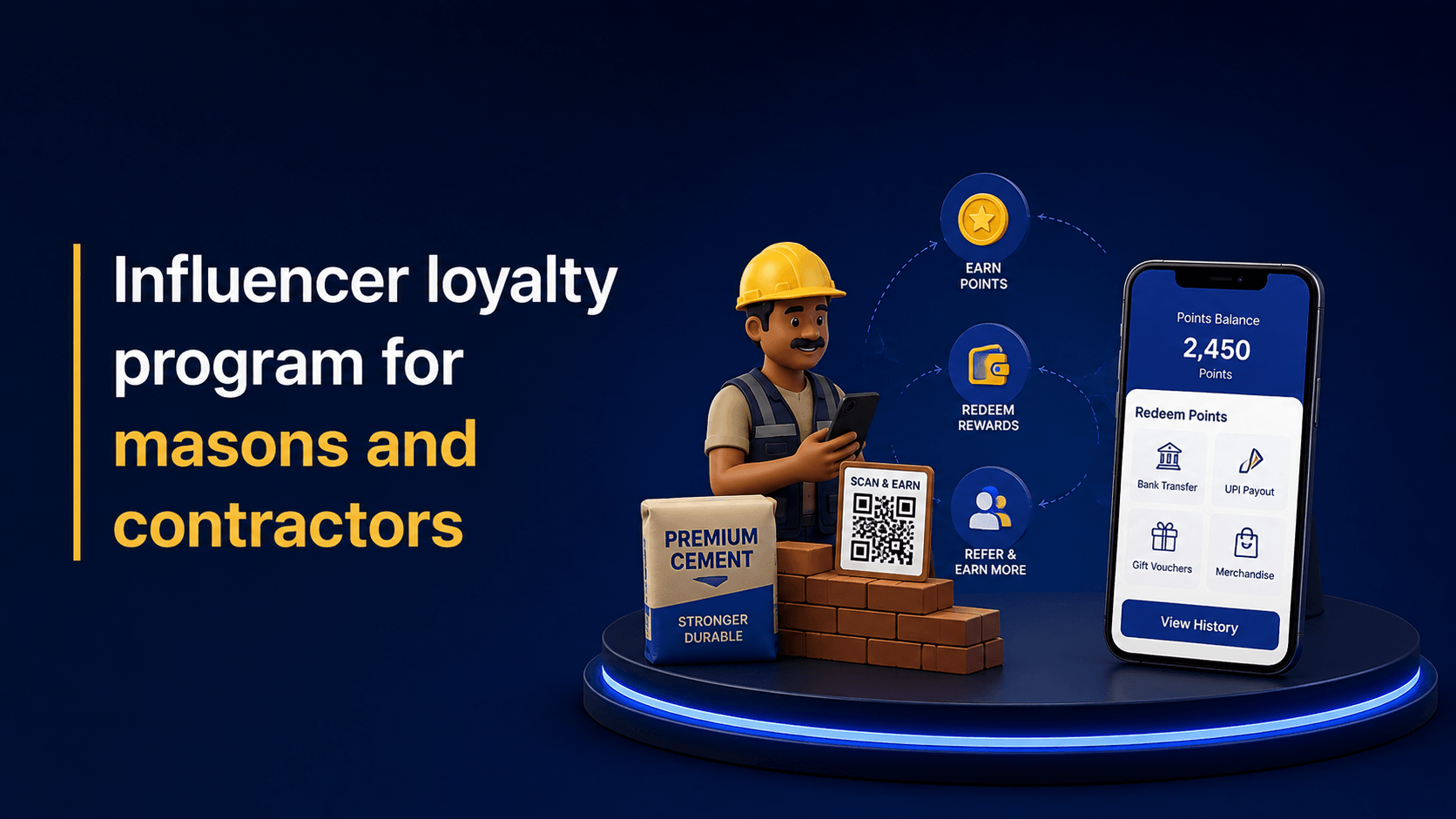
Full loyalty suite. Loyalife runs the loyalty chain in one platform: member profiles, a rule engine, segments and tiers, campaigns, referrals, gamification, a digital wallet and a redemption marketplace. A mid-market brand can start with a customer program and add channel or influencer schemes on the same core.
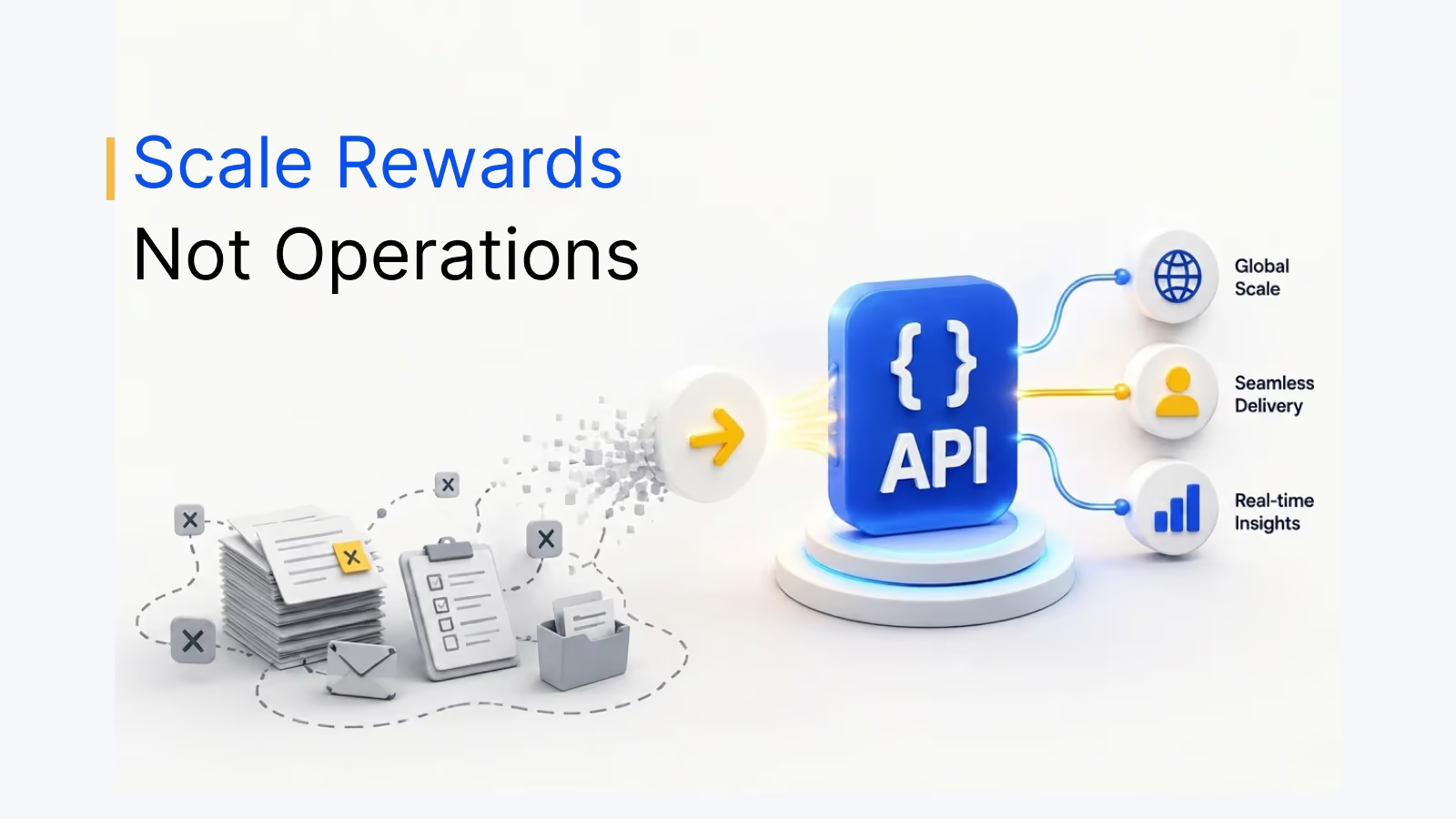
Controls include maker-checker approvals, anomaly detection and audit trails. Integrations run through APIs and bulk upload, and deployment can be cloud or on-premise. The catalog holds 10M+ reward options across 150+ countries.
Loyalife is a full suite. A brand that wants only a points widget on one storefront will get more than it needs.
- Customer, channel and influencer programs on one platform
- Maker-checker approvals and anomaly detection
- Redemption marketplace with 10M+ options
- More platform than a single-storefront points program needs
2. Yotpo
Ecommerce loyalty and reviews. Yotpo sells loyalty for ecommerce brands, alongside reviews and user content. Its loyalty product covers points, VIP tiers, referrals, experiential rewards, in-store earning and digital loyalty cards for Apple Wallet and Google Pay.
It names a wide set of platforms, including Shopify, BigCommerce, WooCommerce, Adobe Commerce and Salesforce Commerce Cloud, and documents an API. The company says more than 30,000 loyalty programs have launched on it.
It is built for ecommerce and retail brands. B2B and non-retail programs are outside its focus.
- Platform coverage beyond Shopify
- Loyalty and reviews from one vendor
- Wallet cards and a documented API
- Built for ecommerce and retail, not B2B or channel programs
3. LoyaltyLion
Shopify-led loyalty. LoyaltyLion serves retail and direct-to-consumer brands, with its strongest base on Shopify and Shopify Plus. Programs reward purchases, subscriptions, referrals and reviews, with VIP tiers, challenges and a rules-and-automation layer.
A headless API supports custom storefronts, and it names more than 100 integrations, including Klaviyo, Zendesk and Recharge. The company says its programs run in 130+ languages.
Positioning is Shopify-centric, so a brand on another platform should confirm support. In-store loyalty runs through Shopify POS.
- Headless API for custom storefronts
- Multilingual programs
- Subscription support through Recharge
- Shopify-centric positioning, with in-store loyalty relying on Shopify POS
4. Smile.io
Modular Shopify loyalty. Smile.io builds loyalty for Shopify brands, aimed mainly at larger merchants on Shopify Plus. Loyalty Studio combines points, VIP tiers, referrals, cashback, memberships, badges and challenges into one program.
It supports gradual rollouts to a share of shoppers or one market, and promotions with a control group so a team can measure incremental impact. The company also says it can migrate members, balances and tiers from several other loyalty tools.
It runs on Shopify only, and its homepage does not describe a public API.
- Control-group measurement of promotions
- Staged rollouts to part of the audience
- Migration support for balances and tiers
- Runs on Shopify only
5. Open Loyalty
Composable loyalty engine. Open Loyalty is an API-first engine with a campaign builder, analytics and a long list of mechanics, from points and tiers to spin the wheel, scratch and win, and leaderboards. It connects to ecommerce, CRM, POS, CDP and marketing automation tools.
The company says it has launched 400+ programs across 60+ countries, and it offers enterprise support and an uptime SLA. It is part of the OEX group, a Polish holding company.
It suits a team with developers. A marketer-only team will face more setup work than with an app-style tool.
- API-first architecture for custom front ends
- Broad gamified mechanics
- Success team and enterprise support
- Developer-led setup, with messaging that leans enterprise
6. Voucherify
Promotions and loyalty API. Voucherify combines loyalty points and tiers with coupons, referrals, gift cards and cart-level promotions in one engine. Stacking rules, per-customer limits and approval workflows govern how offers combine.
It streams events through webhooks and Kafka and lists integrations with Braze, mParticle, Shopify, Snowflake and Commercetools. The company says its API responds in under 50 milliseconds.
It is developer-oriented, so non-technical teams may need engineering help to build campaigns.
- Promotion governance and fraud limits
- Loyalty, coupons and referrals in one engine
- Composable-stack integrations
- Developer-oriented, and reviewers note reporting limits
7. Gameball
Gamified loyalty. Gameball packages a loyalty engine with challenges and missions, streaks, badges, leaderboards, in-app games and a family wallet. It offers SDKs for iOS, Android and Flutter, plus connectors for Shopify and Salesforce.
It supports multi-country and multi-brand programs. The company says it serves 3,000+ brands in 70+ countries.
Its public review base is small, and its presence is centered on the Middle East, so check support coverage in your own region.
- Deep gamification toolkit
- SDKs for mobile app programs
- Multi-country and multi-brand support
- Small public review base, with a support footprint centered on the Middle East
8. Marsello
Retail and hospitality loyalty. Marsello runs branded loyalty and referral programs that work in stores and online, with email and SMS campaigns in the same tool. Members can hold wallet passes, and reporting covers repeat business and campaign attribution.
It lists integrations with Shopify, Lightspeed, Klaviyo and Cin7, and shows case studies from bakeries and cafes. Marsello also bought Goody, another New Zealand loyalty platform.
It centers on retail and hospitality. Enterprise and multi-brand features are not described on its public pages.
- Loyalty, email and SMS in one tool
- Works with POS and online stores
- Retail and hospitality case studies
- Retail and hospitality focus, with no public multi-brand detail
9. Rivo
All-in-one Shopify retention. Rivo combines points, cashback and VIP tiers with customer accounts, wallet passes, wishlists, referrals and paid memberships. Cashback can run as expiring store credit without a full loyalty program.
A developer toolkit and API support custom builds. The company says 9,000+ merchants use it and it lists 50+ integrations.
It supports Shopify and Shopify Plus only.
- Loyalty, accounts, memberships and referrals in one app
- Cashback as store credit
- Developer toolkit for custom builds
- Runs on Shopify only
10. Bubblehouse
Omnichannel and subscription loyalty. Bubblehouse covers points, tiers, paid memberships, referrals, gamified actions and subscription milestone rewards. A single customer identity and points ledger spans online, retail and third-party channels, with AI receipt upload.
It ships 30+ prebuilt earning campaigns, lists 100+ integration partners and offers gift-card redemption. All three figures are the company's own.
Independent validation is thin: it has almost no public reviews, and its site gives little company detail.
- Omnichannel points ledger
- Subscription loyalty
- Prebuilt earning campaigns
- Very small public review footprint
What to Ask Before You Switch Platforms
A demo shows points landing in an account. These four questions show how the platform behaves once it is live.
- Which platforms and POS systems are live today? Ask for reference brands on your exact stack, not a connector list. Start with the best loyalty platforms that integrate with Shopify, Salesforce and HubSpot.
- Who can change a rule? Confirm whether marketers edit earning and tier rules or need a developer ticket. Loyalife's rule engine is one example.
- What happens to balances if we leave? Get the export format for balances, tiers and history in writing.
- How does it handle fraud? Ask about earning limits, duplicate-claim checks and approvals on high-value redemptions. See security and fraud governance.
Which Loyalty Program Software Should You Choose?
Start with Loyalife if you want customer, channel and partner programs on one platform with a redemption marketplace. Shopify and Shopify Plus brands should compare LoyaltyLion, Smile.io and Rivo. Yotpo suits ecommerce brands on a wider range of commerce platforms, or those that want reviews bundled in.
Teams with developers should look at Open Loyalty or Voucherify. Gameball fits mobile-first and gamified programs, Marsello suits retail and hospitality, and Bubblehouse fits omnichannel and subscription mechanics.
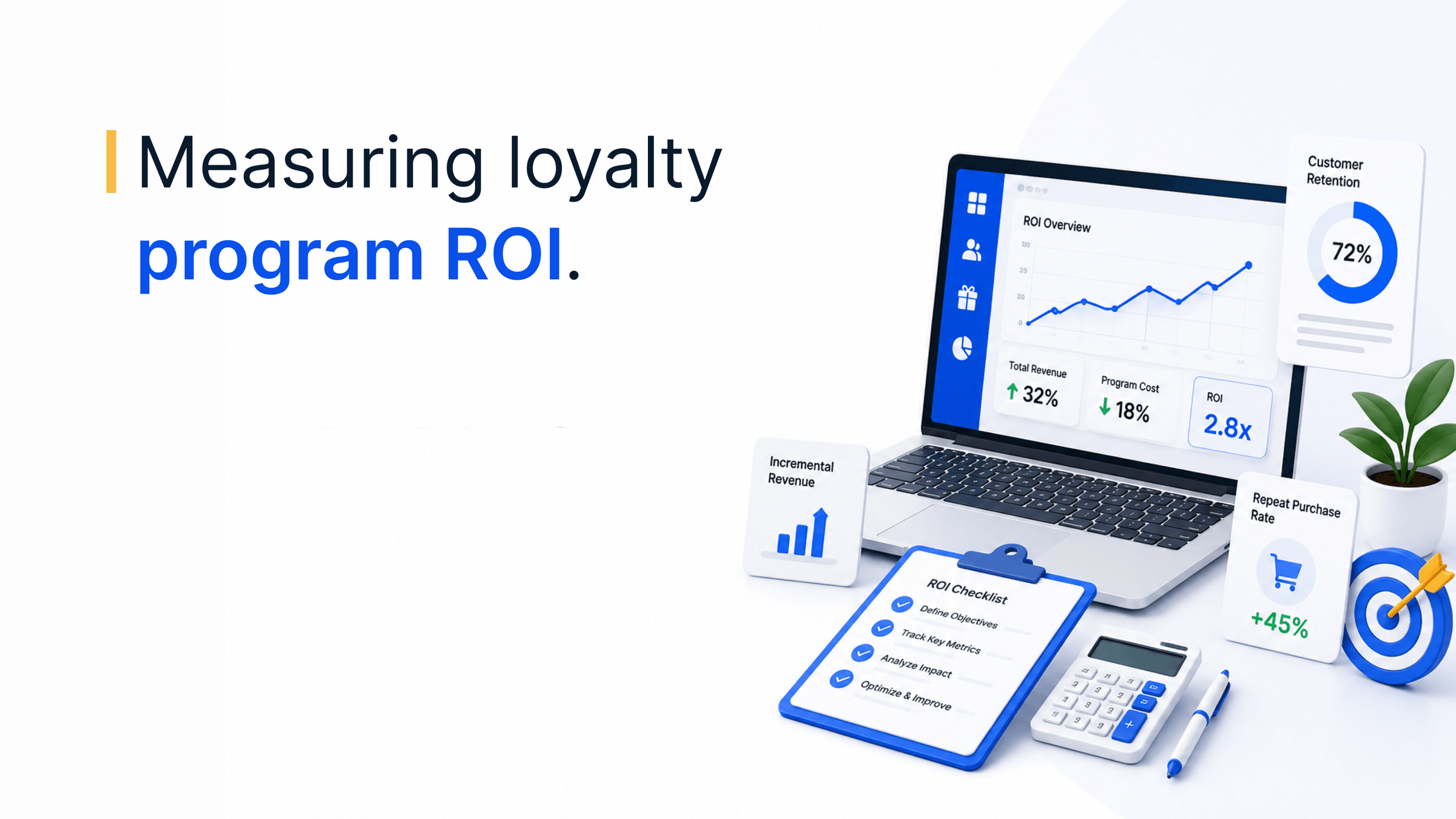
Whichever you shortlist, run the same pilot: one customer segment, one quarter, and a comparison of redeemer spend against non-redeemer spend. The platform that moves that gap is the right one. Track it against your loyalty program KPIs and loyalty program ROI, then explore loyalty program software or the customer loyalty program software buyer's guide.
Book your Loyalife demo
Frequently asked questions
It is software that runs a rewards program: earn rules, tiers, member balances, referrals and redemption. It connects to commerce, POS and CRM systems so rewards post automatically.
Look for a fast launch run by marketers, named integrations with your stack, and room to add markets or partner programs later without a re-platform.
App-style tools let marketers configure programs. API-first engines such as Open Loyalty and Voucherify assume developer involvement, so check who will own setup before you choose.
Few retail-first tools do. Xoxoday Loyalife runs channel and influencer programs on the same platform as customer loyalty, and you should ask any other vendor about it directly.
Track active and redemption rates, and compare the spend of redeemers against non-redeemers. Our guides to loyalty program KPIs and ROI explain how to set up the measurement.