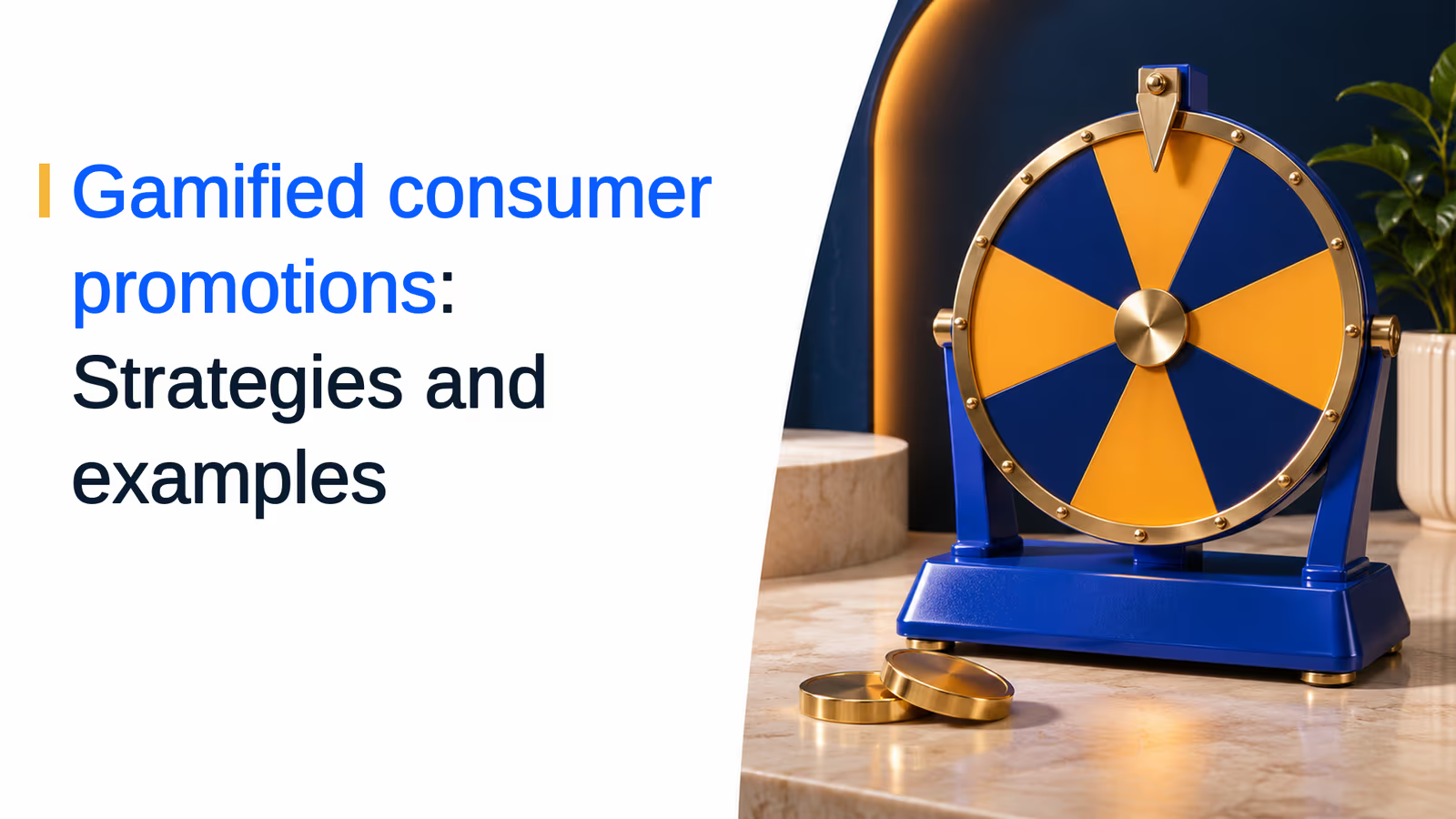
A retailer adds a spin-to-win wheel to its loyalty app. Sign-ups jump in week one. By week four almost nobody spins, and the team cannot tell whether the odds were wrong, the prizes were dull, or the wheel sat three taps deep.
Gamification rarely fails because the idea is weak. It fails because the platform behind it cannot cap a prize budget, test a mechanic on one segment, or retire a game that stopped working. Capping, testing and retiring are plumbing, and a feature list seldom covers any of it.
Members also carry a lot of loyalty clutter. In Deloitte's 2025 survey of 5,564 US loyalty program members, the average person was enrolled in eight programs and actively used five.
We compared 10 platforms that run game mechanics inside a loyalty program, grouped by the kind of business each fits best, so a team can match the tool to its stack and its audience.
Disclosure: Xoxoday publishes this guide and Loyalife is one of the 10. All are judged on the same criteria.
The Best Gamification Platforms for Customer Loyalty, by Business Type
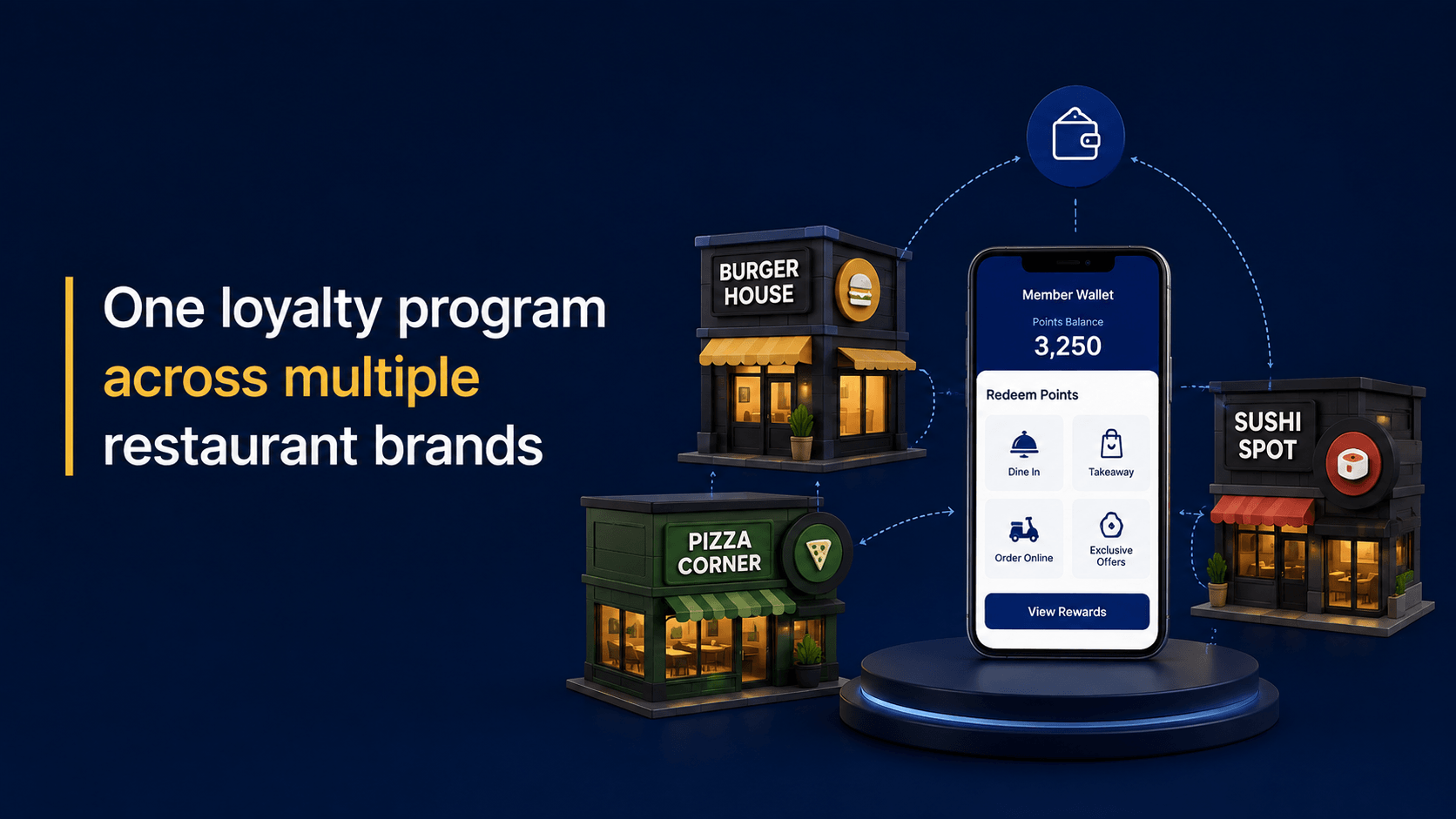
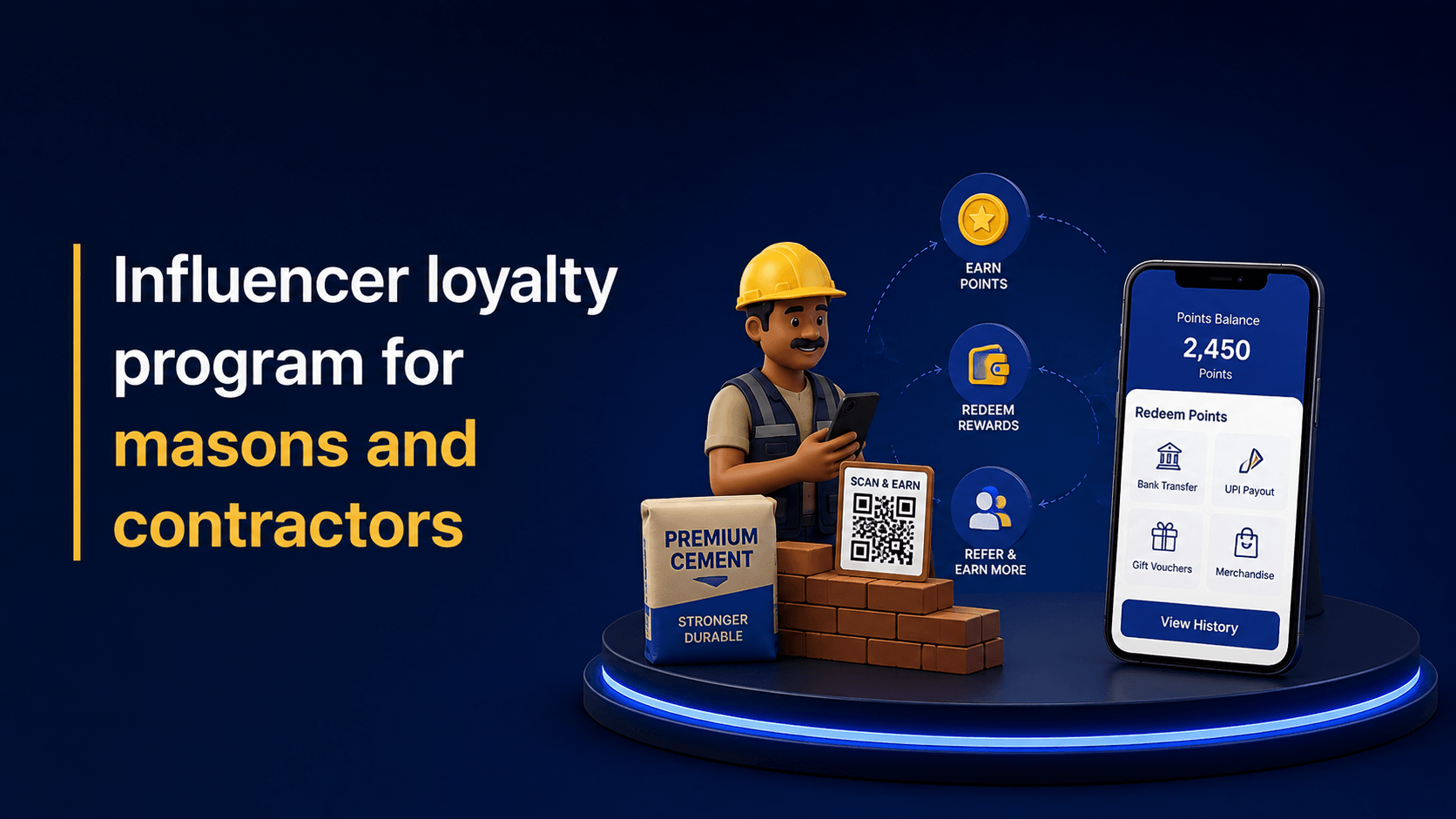
- Xoxoday Loyalife for one gamified program across customers, channel partners and influencers
- Kobie for large brands that want a loyalty platform with services behind it
- Open Loyalty for enterprise teams building their own gamified experience on an API
- Gameball for brands embedding games into an existing app, POS or website (G2 4.5/5)
- Perx for banks, insurers and telecoms driving digital behavior
- Smile.io for Shopify and Shopify Plus brands (G2 4.6/5)
- LoyaltyLion for Shopify brands that want challenges and API access (G2 4.6/5)
- Yotpo for ecommerce brands that want loyalty tied to referrals and earning rules (G2 4.3/5)
- Voucherify for enterprise teams that need budgets and fraud controls around incentives
- Kangaroo Rewards for small and mid-size local businesses
What Makes a Gamification Platform Work for Loyalty?
A game works when members keep playing it and the budget behind it stays under control. Attention is already thin.
8
Loyalty programs the average member joins
but only 5 are used actively
51%
Members who engage with only one program
at the industry level
40%
Members who sometimes forget to redeem
so rewards need prompts
Source: Deloitte, 2025 Consumer Loyalty Program Survey, 5,564 US adults, fielded September to October 2025.
We judged every platform on five tests:
- Mechanic range. Does it name real mechanics such as challenges, streaks, badges, leaderboards or instant-win games, or only points and tiers?
- Budget and odds control. Can you cap prizes per game, per member and per day, and set the odds, so a promotion cannot overspend?
- Targeting and testing. Can a mechanic go to one segment, or be tested against a control group before it reaches everyone?
- Where it lives. Does the game run inside your own app, site or store, or in a separate member portal?
- Time to launch. Can marketers configure it, or does every change need a developer?
We weighted mechanic range and budget control most, because those decide whether a game is worth running and safe to leave on. Feature claims come from each vendor's public pages, written in our own words. Ratings come from G2, Capterra and Forrester as of November 2026 and change over time. Where a score rests on fewer than 20 reviews, we show the count.
Run games, tiers and referrals from one loyalty rule engine
Spin-the-wheel, scratch cards and leaderboards with prize caps, backed by a 10M+ option rewards marketplace across 150+ countries.
Book a free 30-min demoTrusted by 5,000+ companies
The Best Gamification Platforms for Customer Loyalty at a Glance
- Xoxoday Loyalife
- Best for
- One gamified program across customers, channel partners and influencers
- Standout feature
- Games share one rule engine and balance
- Rating
- G2 Leader 2026 (Xoxoday)
- Kobie
- Best for
- Large brands that want a loyalty platform with services behind it
- Standout feature
- Platform sold with strategy and managed services
- Rating
- Forrester Wave Leader, Loyalty Platforms Q4 2025
- Open Loyalty
- Best for
- Enterprise teams building their own gamified experience on an API
- Standout feature
- One of the broadest published sets of game mechanics
- Rating
- Capterra 4.8
- Gameball
- Best for
- Brands embedding games into an existing app, POS or website
- Standout feature
- Games embedded in the brand's own app
- Rating
- G2 4.5 (16 reviews)
- Perx
- Best for
- Banks, insurers and telecoms driving digital behavior
- Standout feature
- Quests and streaks for financial services
- Rating
- No public G2 or Capterra rating
- Smile.io
- Best for
- Shopify and Shopify Plus brands
- Standout feature
- Staged rollouts and control groups
- Rating
- G2 4.6 (451 reviews)
- LoyaltyLion
- Best for
- Shopify brands that want challenges and API access
- Standout feature
- Named Challenges feature with a headless API
- Rating
- G2 4.6 (535 reviews) · Capterra 4.4 (19 reviews)
- Yotpo
- Best for
- Ecommerce brands that want loyalty tied to referrals and earning rules
- Standout feature
- Earning rules for actions beyond purchase
- Rating
- G2 4.3 (265 reviews)
- Voucherify
- Best for
- Enterprise teams that need budgets and fraud controls around incentives
- Standout feature
- Budgets, limits and stacking rules
- Rating
- No public G2 or Capterra rating
- Kangaroo Rewards
- Best for
- Small and mid-size local businesses
- Standout feature
- Prize odds and budget caps set per game
- Rating
- No public G2 or Capterra rating
1. Xoxoday Loyalife
Enterprise and multi-audience. Loyalife runs games inside the same rule engine that handles points and tiers, so a leaderboard, a milestone or an instant-win game earns and redeems against one member balance. Spin-the-wheel and scratch cards run with prize caps and set odds, and the rule engine covers tiers, multipliers and caps.
Members can earn by scanning a QR code on packaging, uploading an invoice that OCR reads into points, or checking in at a location, which suits brands that sell through retailers. Rewards redeem from a catalog of 10M+ options across 150+ countries. It is built for enterprise programs, so a single-store merchant will find it more than it needs.
- Games, tiers and referrals share one rule engine and one balance
- QR, invoice and location-based earning for offline-heavy brands
- Real-time leaderboards, with maker-checker approvals and anomaly checks on payouts
- More platform than a single-store ecommerce merchant needs
2. Kobie
Enterprise and multi-audience. Kobie sells the Alchemy Loyalty Cloud together with strategy and managed services, plus an AI layer called Bonnie. The company names retail, entertainment, financial services, telecom, travel and hospitality, and quick-service restaurants among its sectors, and says it has worked in loyalty for more than 35 years.
Its public pages mention gamification only in passing, inside a zero-party data hub. A team shopping for game mechanics should ask for a live demo of them before shortlisting it.
- Platform and services in one engagement
- Zero-party data hub for collecting member preferences
- Named across several enterprise sectors
- Game mechanics are not a published focus, and the services-led model suits large teams
3. Open Loyalty
Game-first and API-first. Open Loyalty is an API-first platform that lets marketers run campaigns without code once it is built. Its published mechanics include tiers and rank progression, challenges and missions, spin the wheel, Scratch & Win, lotteries and raffles, badges and leaderboards.
The company says it runs 400+ programs and handles about a billion loyalty events a month. API-first means developers usually do the first build, which suits a team with an engineering group and a custom front end more than a marketing-only team.
- One of the broadest published sets of game mechanics in this guide
- Multi-wallet points for separate currencies
- ISO 27001 and ISO 9001 plus GDPR, per the company
- Developers usually handle the first build
4. Gameball
Game-first and API-first. Gameball is a loyalty platform with gamification built in, delivered through an SDK and API that sit inside a brand's own app, POS and website, so members do not download a separate app. Named mechanics include challenges and missions, badges, leaderboards, VIP tiers, streaks, punch cards, and the in-app games Spin & Win and Calendar Challenge.
The company says 3,000+ brands use it across 70+ countries, and it lists GDPR, CCPA and PDPL support with in-country hosting in some markets. It fits teams that will integrate through an SDK or API.
- Games live inside the brand's own app or site
- Streaks, punch cards and Calendar Challenge are named
- Regional hosting and PDPL support are stated
- Needs an app, POS or site to embed into, plus some integration work
5. Perx
Game-first and API-first. Perx Technologies, based in Singapore, calls its product a behavioral loyalty platform that combines games, AI-driven rules, rewards and analytics. Its site names quests, which are multi-step journeys, along with streaks, dynamic leaderboards, referral campaigns and AI-automated tier progression.
The clients it names are mostly banks and other financial institutions, and the product is positioned for that sector. Spin-the-wheel and scratch cards are not listed on its homepage.
- Quests give members a multi-step path, not a single action
- Streaks and dynamic leaderboards are named
- Positioned for banks, insurers and telecoms
- Aimed at financial services, so a small ecommerce store is a less natural fit
6. Smile.io
Ecommerce platforms. Smile.io is built around Shopify checkout, customer accounts and point of sale. Its mechanics include points, VIP tiers, referrals, cashback, memberships, badges and challenges.
A team can roll a program out to 5%, 25% or 100% of customers and hold back a control group, which shows whether a mechanic changes behavior. Leaderboards, streaks and games are not listed, and it works only with Shopify.
- Badges and challenges alongside points and tiers
- Staged rollouts and control groups for testing
- Migration help from other loyalty tools
- Shopify only, with no leaderboards or games listed
7. LoyaltyLion
Ecommerce platforms. LoyaltyLion serves online retailers, mainly on Shopify and Shopify Plus, with a headless API and an enterprise offering for larger brands. Challenges sit beside points, VIP tiers and referrals, and rules and automation control who earns what.
It lists 100+ integrations, including Klaviyo, Gorgias and Recharge, and an AI Loyalty Agent that advises on retention. Badges, leaderboards and games are not named on its homepage.
- Challenges are a named feature
- 100+ integrations, including Klaviyo, Gorgias and Recharge
- Headless API for custom storefronts
- Shopify-centric, with no badges, leaderboards or games listed
8. Yotpo
Ecommerce platforms. Yotpo Loyalty and Referrals covers points, VIP tiers, referrals and earning rules that reward actions beyond a purchase, such as reviews and milestones. Points Drop sends expiring bonus points to a chosen segment, a simple urgency mechanic.
It works with Shopify, BigCommerce and Adobe Commerce, and supports in-store loyalty through Apple Wallet and Google Pay cards. Its mechanics center on points, tiers and referrals, with no challenges, badges, leaderboards or games on the page.
- Works across Shopify, BigCommerce and Adobe Commerce
- Earning rules reward reviews and milestones
- Points Drop adds an urgency mechanic
- Light on game-style mechanics
9. Voucherify
Incentive engines and small business. Voucherify calls itself an incentive optimization engine for promotions, coupons, loyalty and referrals, with budgets, limits, stacking rules and fraud controls. Gamification is listed as an incentive type, but its public pages do not detail the mechanics.
Its API handles real-time redemptions during high-traffic events, and integration usually involves developers. It fits a team that wants guardrails around many kinds of incentive more than a game-first experience.
- Budgets, limits and stacking rules on every incentive
- Fraud controls built into redemption
- Omnichannel delivery through an API
- Game mechanics are not detailed publicly, and setup usually involves developers
10. Kangaroo Rewards
Incentive engines and small business. Kangaroo Rewards is a loyalty platform for local and retail businesses, with points, tiers and automated email and SMS campaigns. Its gamification page names spin-to-win, prize draws and raffles, contests and giveaways, social and review rewards, and surprise rewards at milestones.
Owners set the prizes, odds, entries and daily or weekly budget caps for each mechanic, and a specialist helps configure the setup during onboarding. It is built for small and mid-size operators, not multi-market enterprise programs.
- Prize odds and budget caps set per mechanic
- Spin-to-win, raffles and contests are named
- Onboarding help from a specialist
- Built for small and mid-size operators, not multi-market enterprise programs
What to Ask Before You Launch Games in a Loyalty Program
A demo will show a wheel spinning. These four questions show what happens when it keeps spinning.
- Can we cap the prize budget? Ask for limits per game, per member and per day, not a single global ceiling. Caps live in the rule engine.
- Can we test a mechanic on one segment first? A control group tells you whether a streak raised visits or just rewarded people who would have come anyway. Track results against loyalty program KPIs.
- Where does the game live? A game inside your own app gets opened. A separate member portal often does not.
- What stops members from gaming the game? Look for repeat-scan checks, duplicate invoice detection and approval flows on large payouts. See security and fraud governance for the controls to ask about.
Which Gamification Platform Should You Choose?
Match the tool to the business. If one program has to reward customers, channel partners and influencers, start with Loyalife. Brands that want to build their own gamified experience on an API can compare Open Loyalty and Gameball, and banks, insurers and telecoms can look at Perx. Large brands that want services alongside the platform should evaluate Kobie.
Shopify merchants will find Smile.io and LoyaltyLion closest to their stack, and Yotpo suits ecommerce brands that care more about referrals and earning rules than games. Teams that need budgets and fraud controls around many incentive types can look at Voucherify, and small local businesses at Kangaroo Rewards.
To compare broader options first, read our list of the best customer loyalty platforms, then explore a loyalty platform that runs games.
Book your Loyalife demo
Frequently asked questions
It is software that adds game mechanics, such as challenges, streaks, badges, leaderboards and instant-win games, to a loyalty program. The better ones tie those games to the same points balance, rules and reporting that run the rest of the program.
It depends on the goal. Streaks and challenges push repeat visits, instant-win games lift sign-ups and first purchases, and leaderboards suit competitive audiences such as channel partners. Test each on one segment before rolling it out.
Set caps per game, per member and per day, and fix the odds in advance. Add approval flows for large payouts and checks for repeat scans or duplicate invoices, so one loophole cannot drain a campaign.
It depends on the platform. API-first tools such as Open Loyalty usually need developers for the first build, while app-based tools for Shopify or small businesses are configured by marketers. Ask each vendor who handles changes after launch.
Some can. Xoxoday Loyalife runs customer, channel and influencer programs on one rule engine, with leaderboards, milestones and instant-win games available across all three. Most ecommerce-focused tools cover consumers only.