A customer who has sat on 40,000 points for two years is not loyal. She is waiting for a better offer.
Points are a currency, and currencies get compared. The day a competitor matches your earn rate, nothing about your program belongs to you anymore.
Travelers belong to three or four programs in one sector, McKinsey's 2023 US travel survey found, and experience has become a stronger loyalty driver than points. A balance in one wallet rarely keeps anyone.
This guide covers 10 mechanics that work without a points balance at the center, grouped by what they reward: access, emotion, behavior, or relationships. Each one says where it fits and what it costs to run.
Disclosure: Xoxoday publishes this guide and Loyalife runs several of these mechanics. All ideas are judged on the same criteria.
The best loyalty program ideas beyond points
- Invoice-based rewards for trade partners for channel, trade, and aftermarket networks
- Shared-wallet coalitions for complementary, non-competing brands
- Paid membership for high-frequency, high-margin brands with a benefit used monthly
- Early access and members-only drops for limited-run or seasonal products
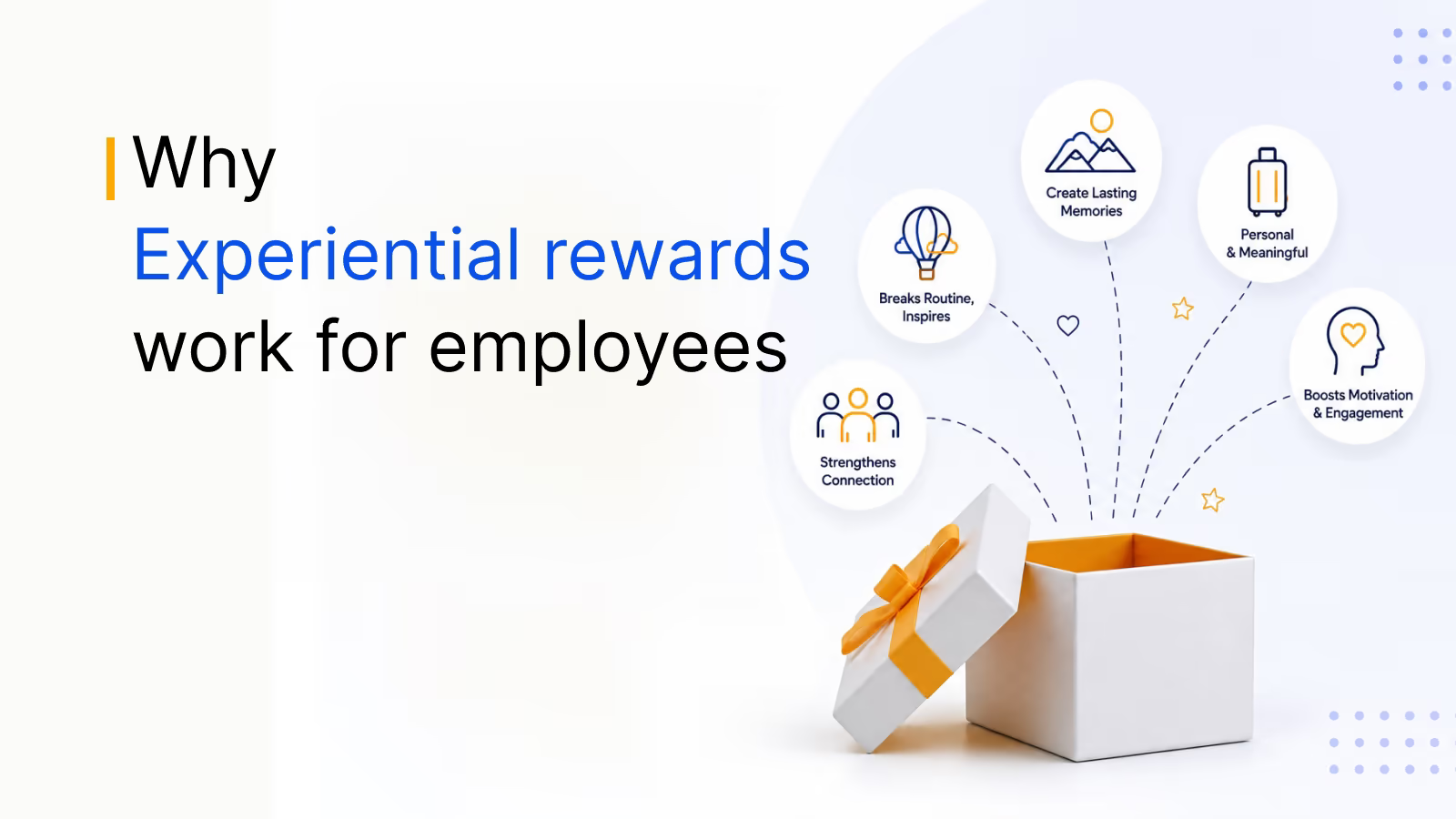
- Experiential rewards for premium or enthusiast brands
- Surprise and delight for brands that know who their top customers are
- Cause-linked rewards for values-led consumer brands
- Two-sided referrals for brands with strong word of mouth
- Status for contribution for review-heavy product categories
- Customer councils for product-led brands
What makes a good non-points mechanic?
A good mechanic gives customers a reason to return that a competitor cannot copy by matching an earn rate.
63%
Consumers in at least one paid loyalty program
McKinsey, 2020
50%
Paid-program cancellations in the first year
Mostly over unused benefits, McKinsey
8-15 pts
Higher satisfaction for subscription programs than loyalty equivalents
McKinsey, Australia 2026
Source: McKinsey & Company.
We judged every idea on five tests:
- Motive fit. Does it reward something the customer already wants, such as status, surprise, belonging or speed?
- Cost to run. What does it take in rewards, staff time and operations, beyond the headline benefit?
- Abuse resistance. Can it be gamed with duplicate accounts, fake claims or low-quality signups?
- Time to launch. Can a team test it in one quarter without rebuilding its stack?
- Measurability. Is there one metric that shows whether it works?
We weighted motive fit and measurability most, because an idea customers do not want or a team cannot measure rarely survives its first review. Statistics come from McKinsey research and are shown with the year of the survey. Examples are illustrative, not client results.
See how Loyalife runs non-points mechanics
Set up paid tiers, referral bonuses, and invoice-based partner schemes from one rule engine.
Book a free 30-min demoTrusted by 5,000+ companies
The best loyalty program ideas at a glance
- 1. Invoice-based rewards for trade partners
- Best for
- Channel, trade, and aftermarket networks
- Main risk
- Claim fraud and duplicates
- First metric to watch
- Claims validated within 24 hours
- Rating
- G2 Leader 2026 (Xoxoday)
- 2. Shared-wallet coalitions
- Best for
- Complementary, non-competing brands
- Main risk
- Settlement and data ownership
- First metric to watch
- Cross-partner redemption rate
- Rating
- No public G2 or Capterra rating
- 3. Paid membership
- Best for
- High-frequency, high-margin brands with a benefit used monthly
- Main risk
- Churn at first renewal
- First metric to watch
- Renewal rate
- Rating
- No public G2 or Capterra rating
- 4. Early access and members-only drops
- Best for
- Limited-run or seasonal products
- Main risk
- "Early" stops feeling early
- First metric to watch
- Share of drop sold to members
- Rating
- No public G2 or Capterra rating
- 5. Experiential rewards
- Best for
- Premium or enthusiast brands
- Main risk
- Capacity and allocation
- First metric to watch
- Event attendance and repeat rate
- Rating
- No public G2 or Capterra rating
- 6. Surprise and delight
- Best for
- Brands that know who their top customers are
- Main risk
- Becomes predictable
- First metric to watch
- Order frequency after a surprise
- Rating
- No public G2 or Capterra rating
- 7. Cause-linked rewards
- Best for
- Values-led consumer brands
- Main risk
- Too many causes
- First metric to watch
- Share of rewards donated
- Rating
- No public G2 or Capterra rating
- 8. Two-sided referrals
- Best for
- Brands with strong word of mouth
- Main risk
- Low-quality signups
- First metric to watch
- Referred-member first-purchase rate
- Rating
- No public G2 or Capterra rating
- 9. Status for contribution
- Best for
- Review-heavy product categories
- Main risk
- Spam if tied to points
- First metric to watch
- Quality reviews per member
- Rating
- No public G2 or Capterra rating
- 10. Customer councils
- Best for
- Product-led brands
- Main risk
- Feedback with no follow-up
- First metric to watch
- Council participation rate
- Rating
- No public G2 or Capterra rating
1. Invoice-based rewards for trade partners
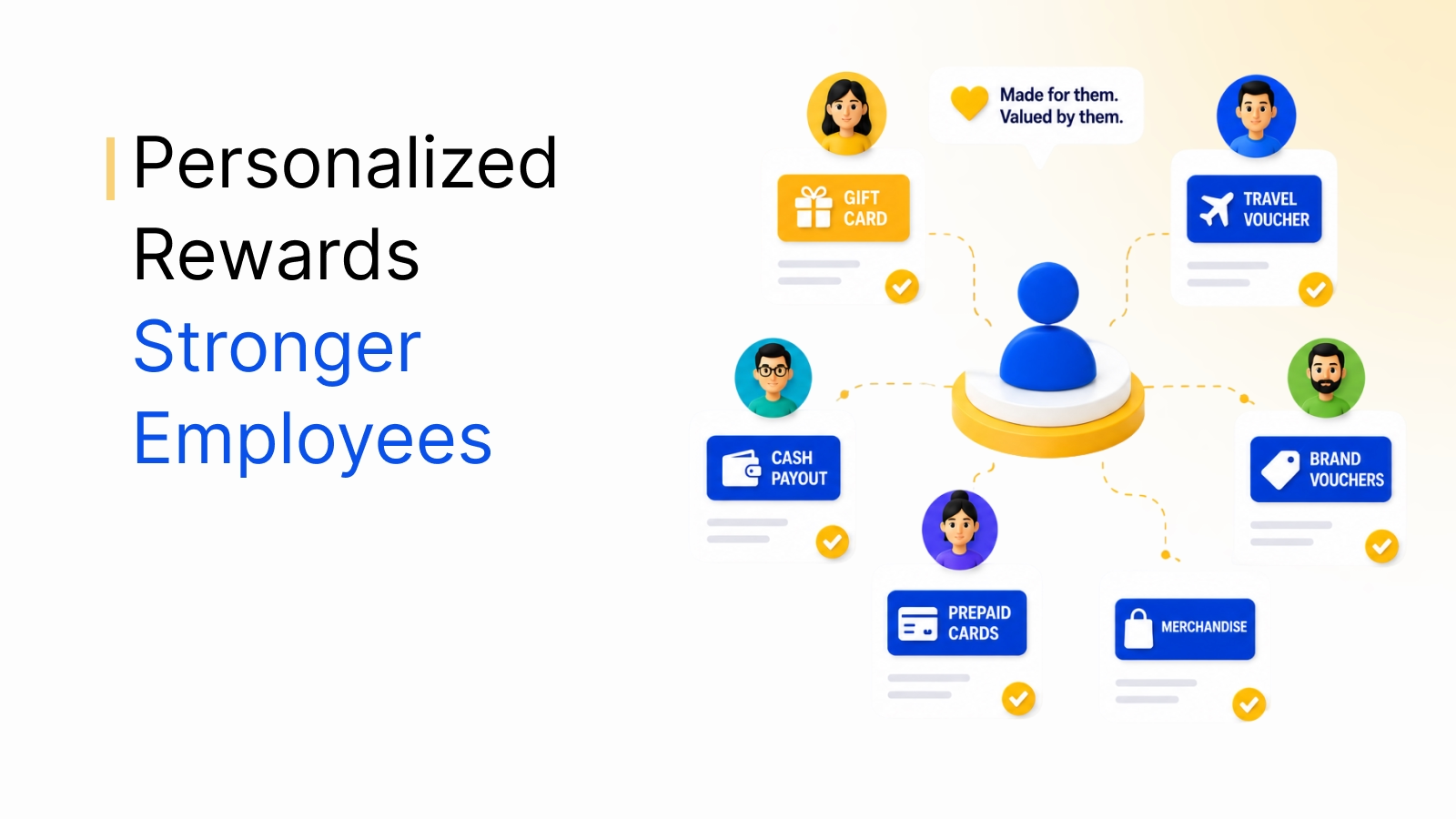
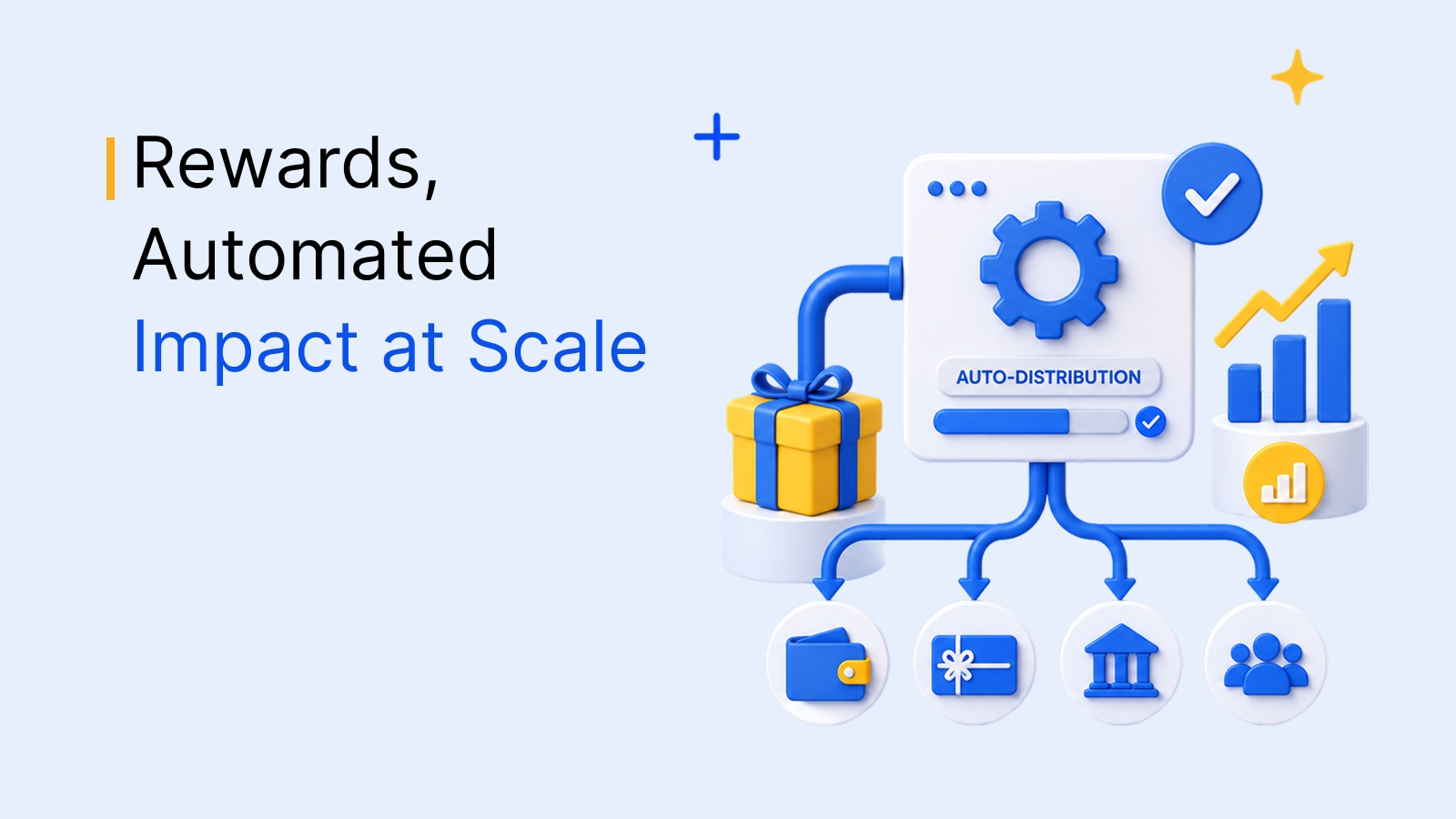
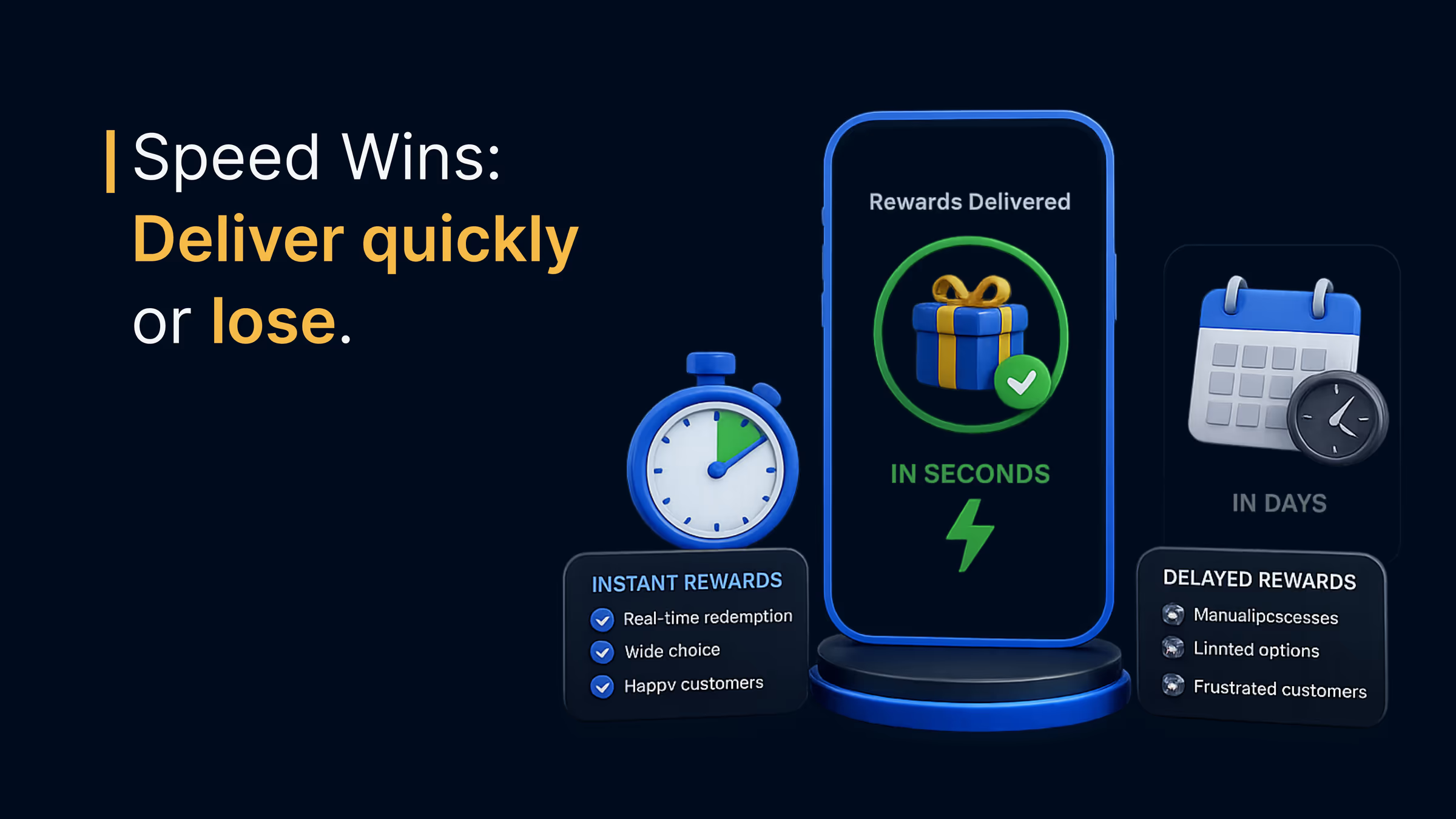
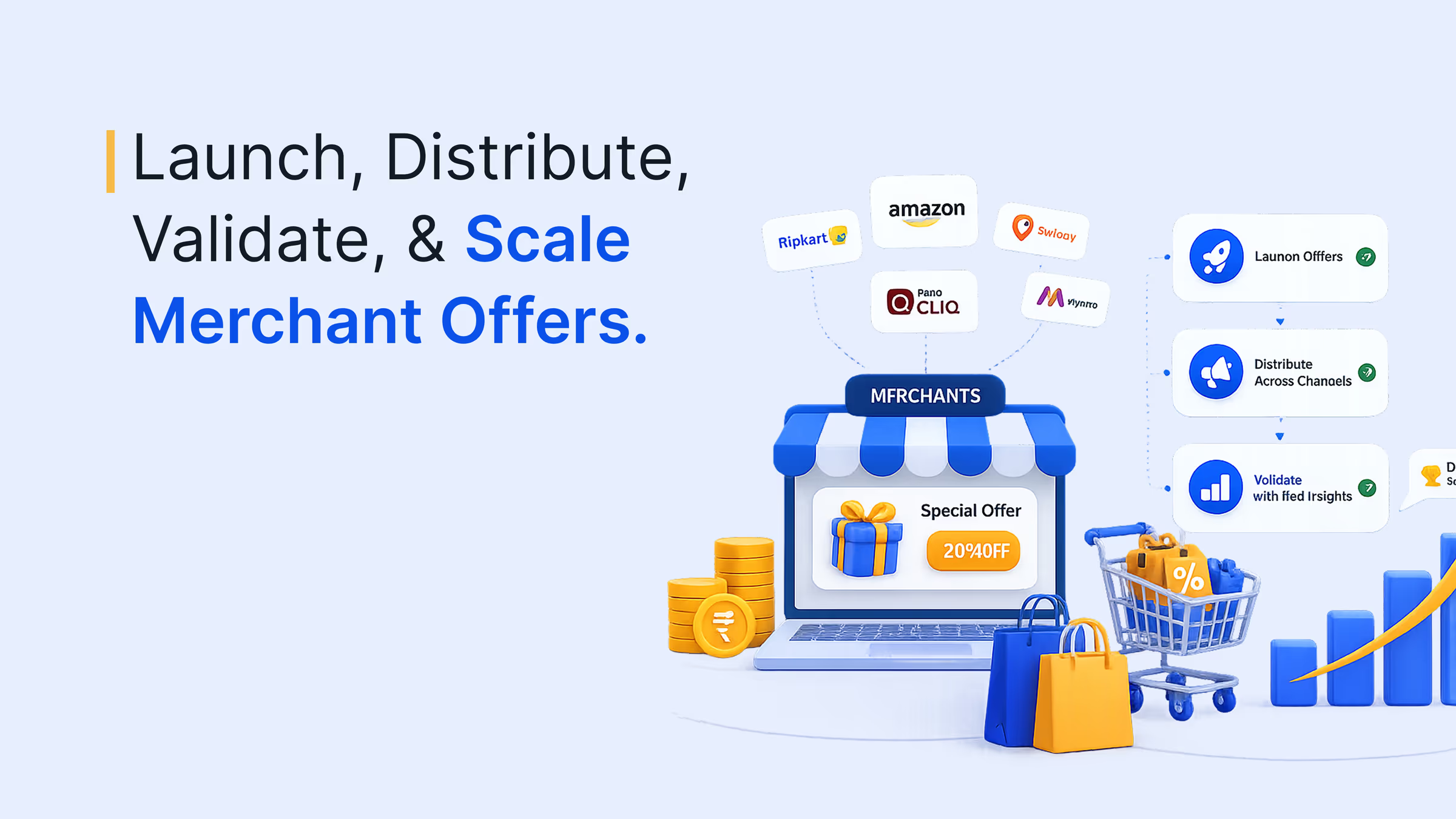
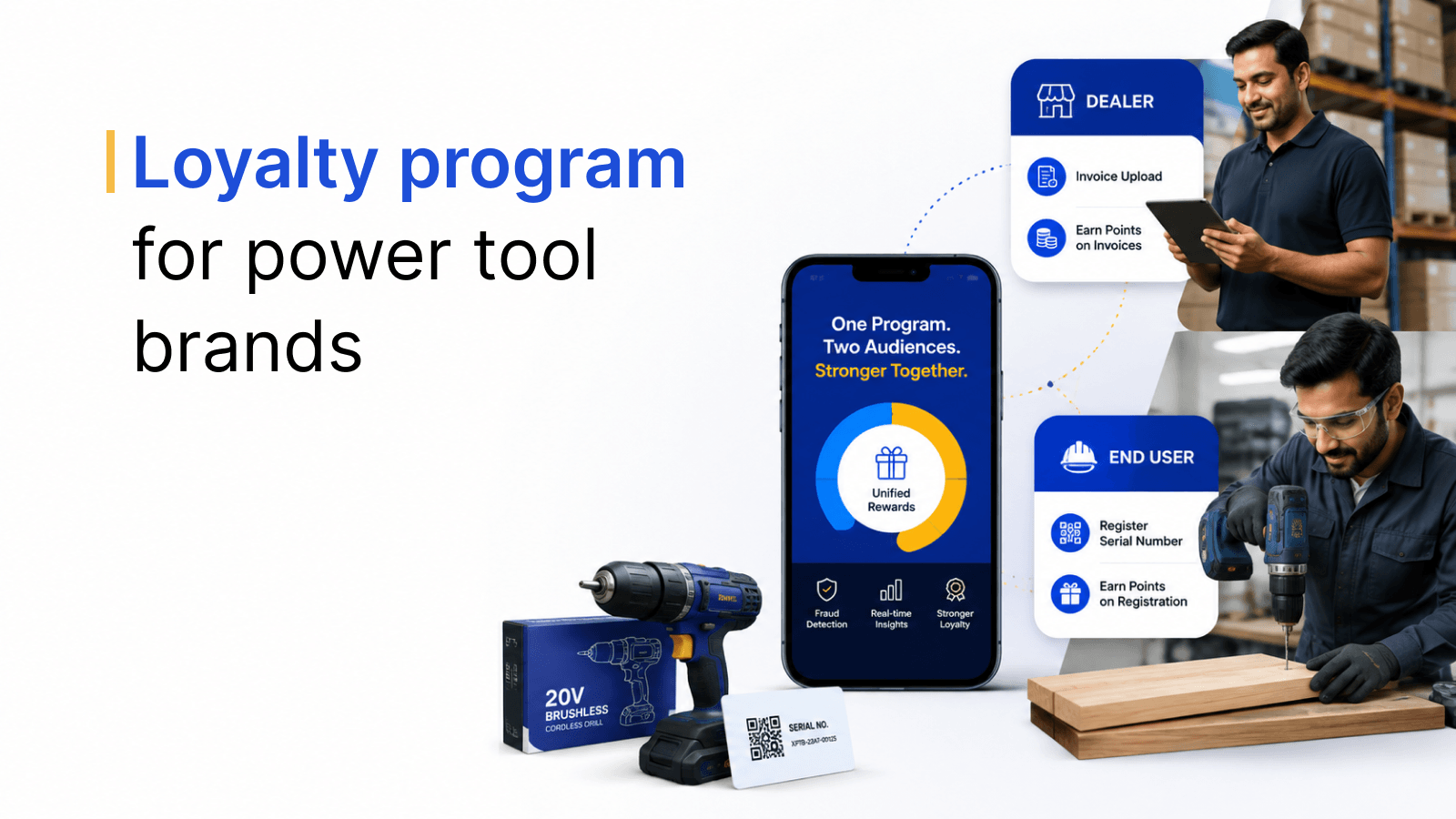
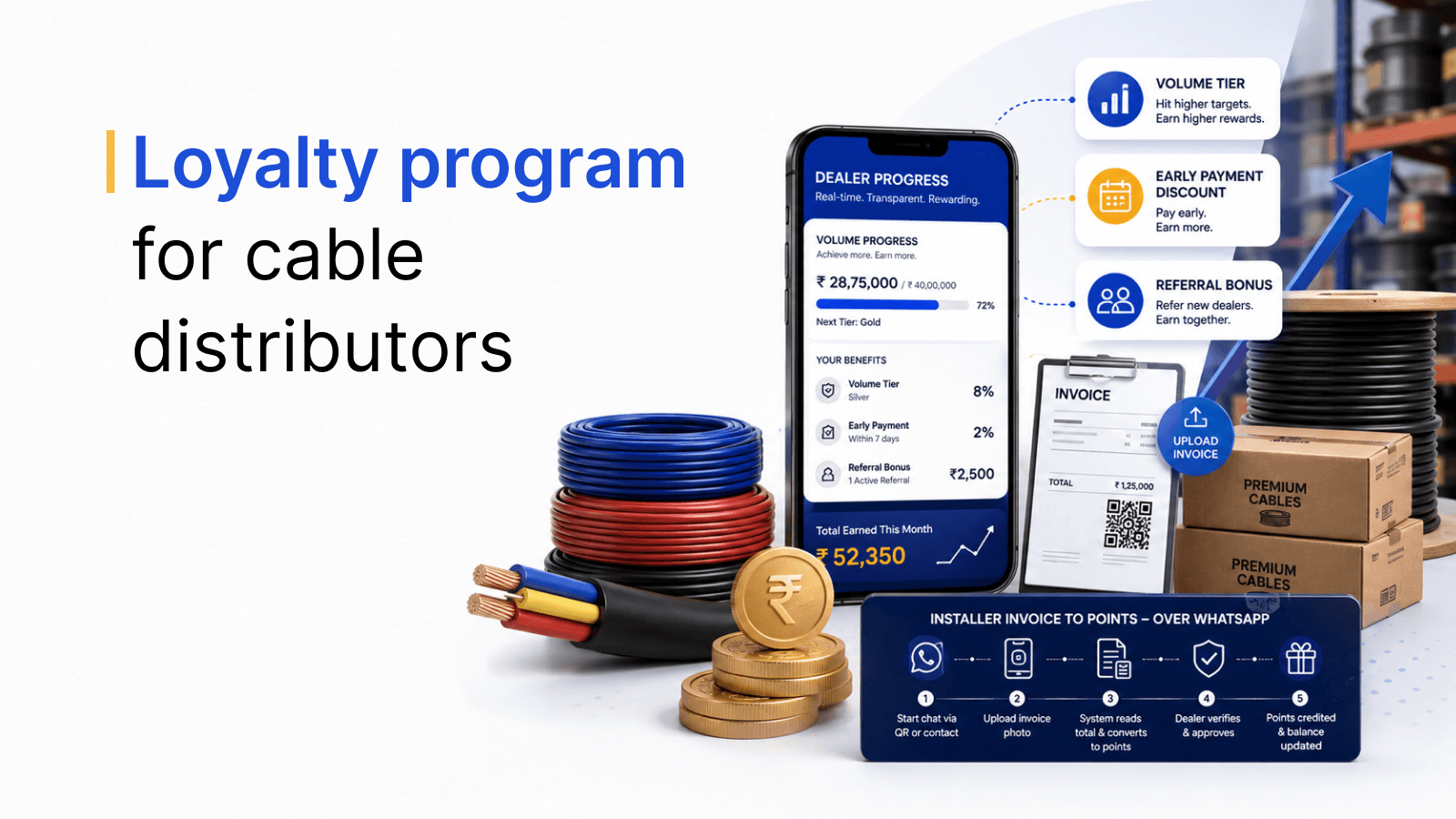
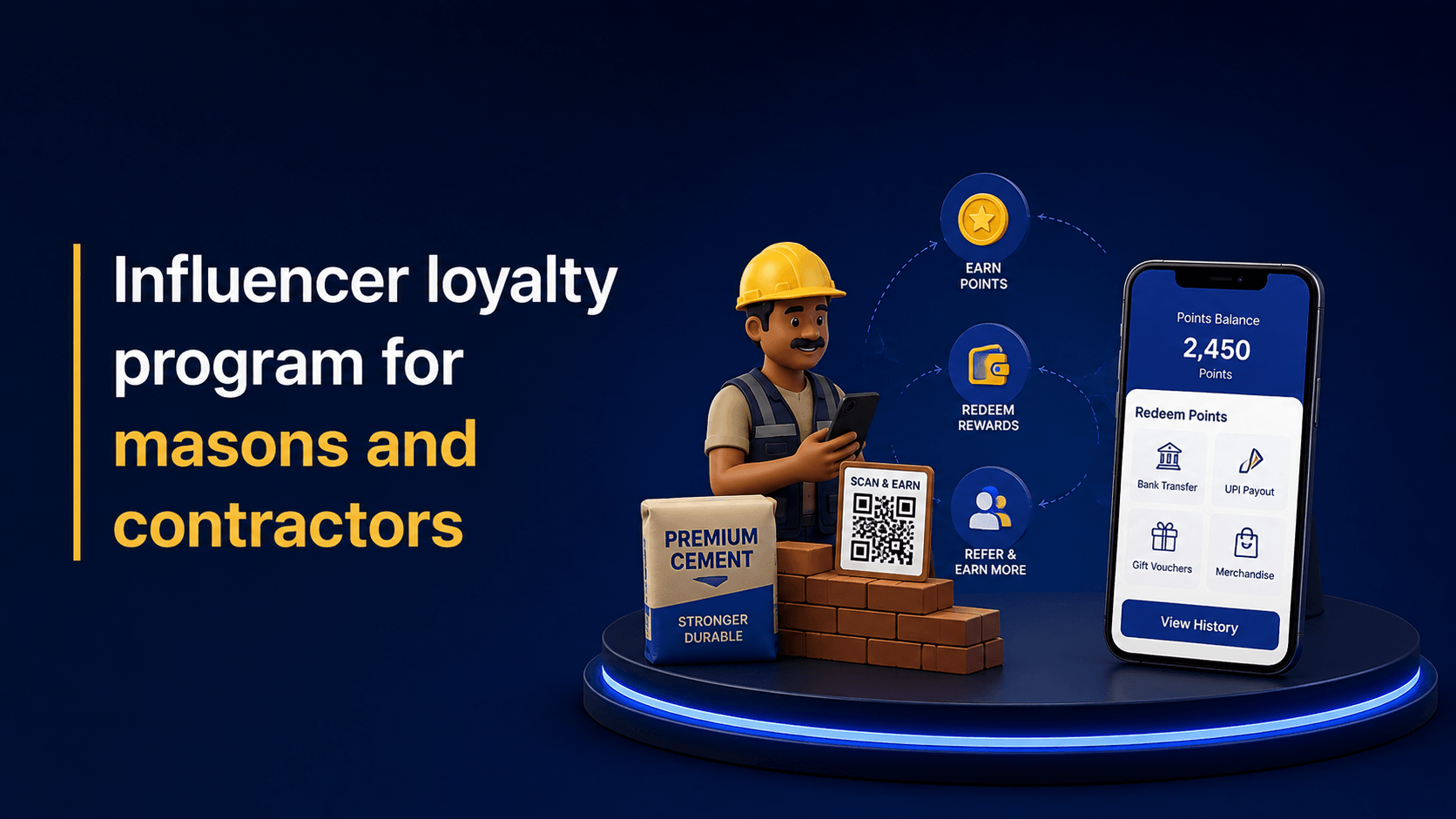
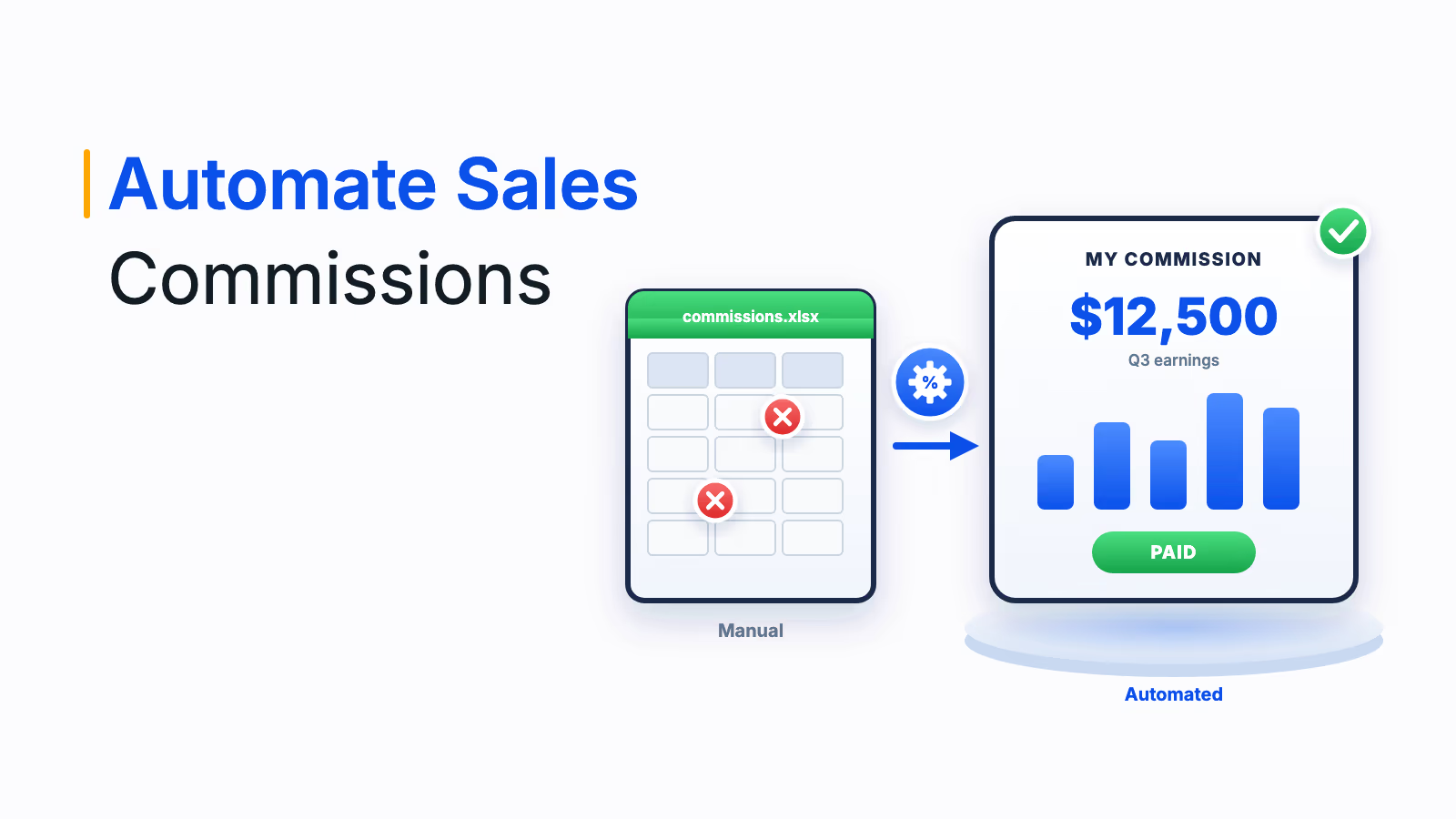
Ecosystems and trade partners. Mechanics, electricians, and contractors rarely open a loyalty app. They do open WhatsApp. In aftermarket categories like tires, a mechanic can send a photo of the invoice to a WhatsApp number. The system checks it for duplicates, readability, and date, converts it to a reward, and notifies the retailer for approval.
Speed is the whole design. A reward that arrives within a day gets repeated. One that arrives next quarter does not. Xoxoday Loyalife runs this flow, with tier rules, multipliers and referral bonuses, from one rule engine.
- Meets trade partners on WhatsApp, not a new app
- Duplicate and date checks before reward release
- Retailer approval step keeps claims honest
- Needs a clear approval process and a fraud review for edge cases
2. Shared-wallet coalitions
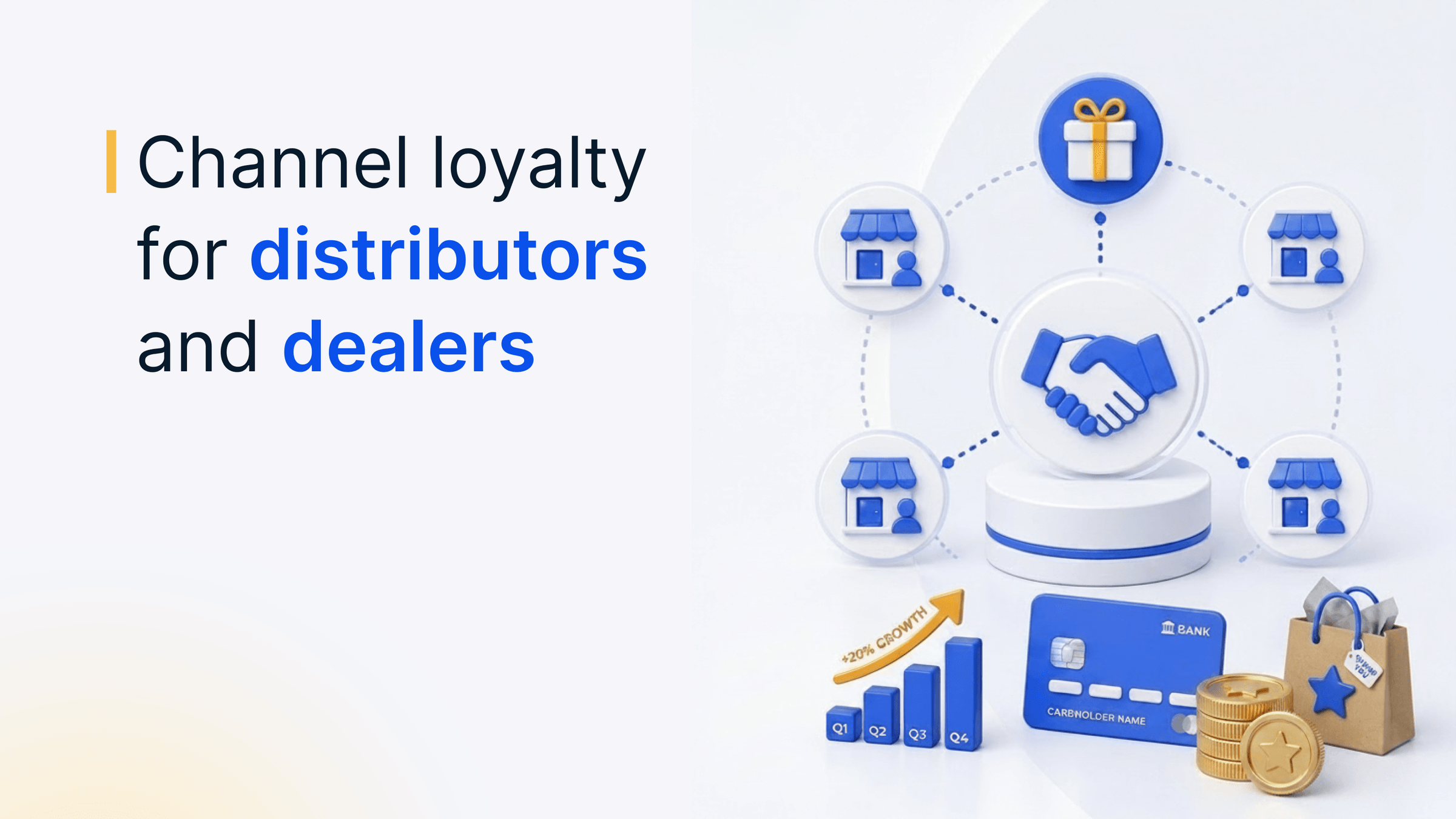
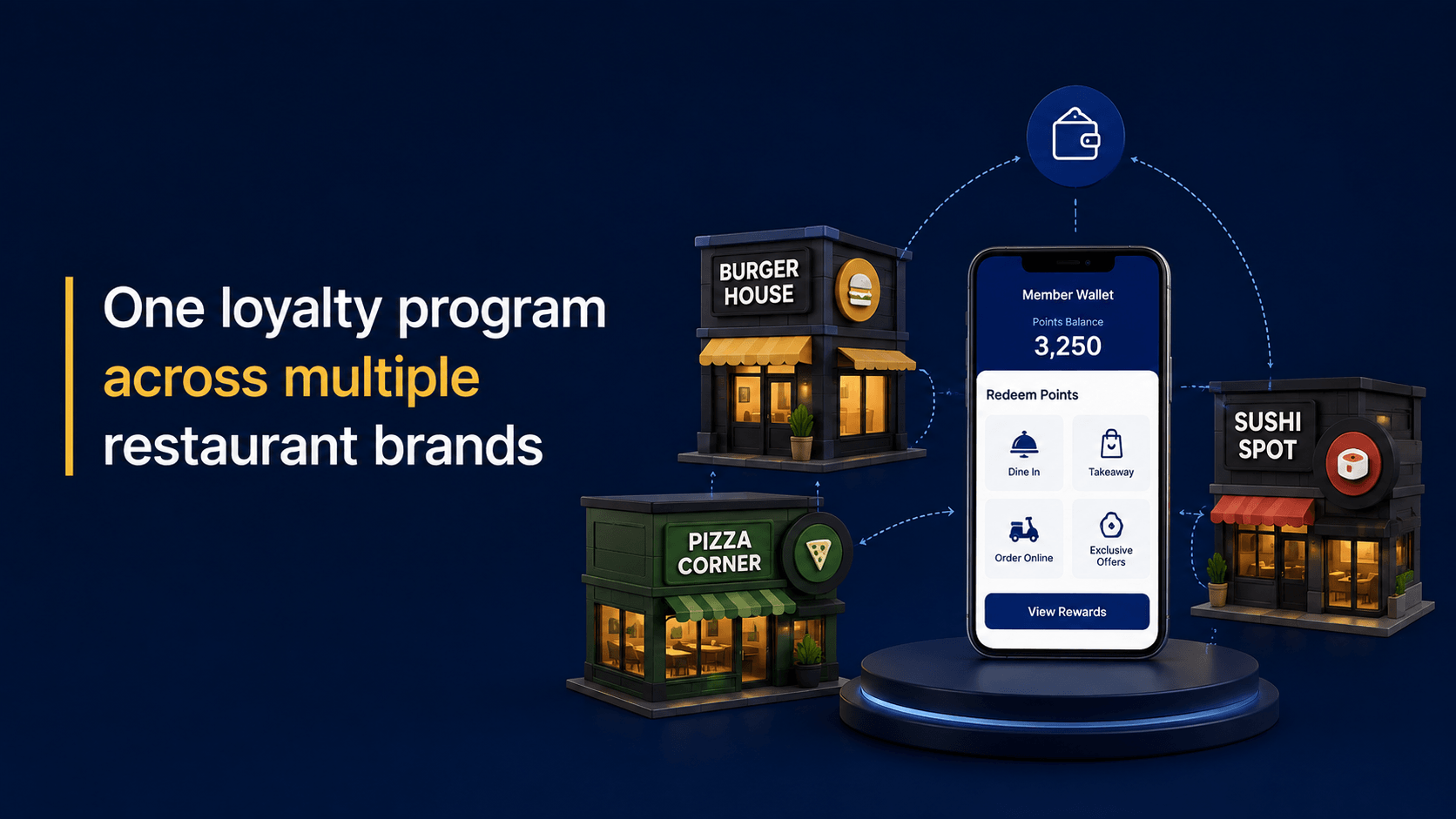
Ecosystems and trade partners. Two or three non-competing brands can let customers earn in one place and spend in another. A grocery chain, a fuel retailer, and a pharmacy could share one program. The value comes from the combined reach, not from any single partner's budget.
The hard part is the back office: agreeing on settlement, data sharing, and who owns the member. The coalition loyalty guide walks through those decisions.
- Wider reach than any one partner
- Customers earn and spend across brands
- Shared cost of rewards
- Needs settlement rules and agreed data-sharing terms
3. Paid membership
Status and access. Picture a running-shoe brand that charges $60 a year for free shipping, early drops, and a members-only line. The fee does something points never can: it makes the customer a stakeholder. People defend a decision they paid for.
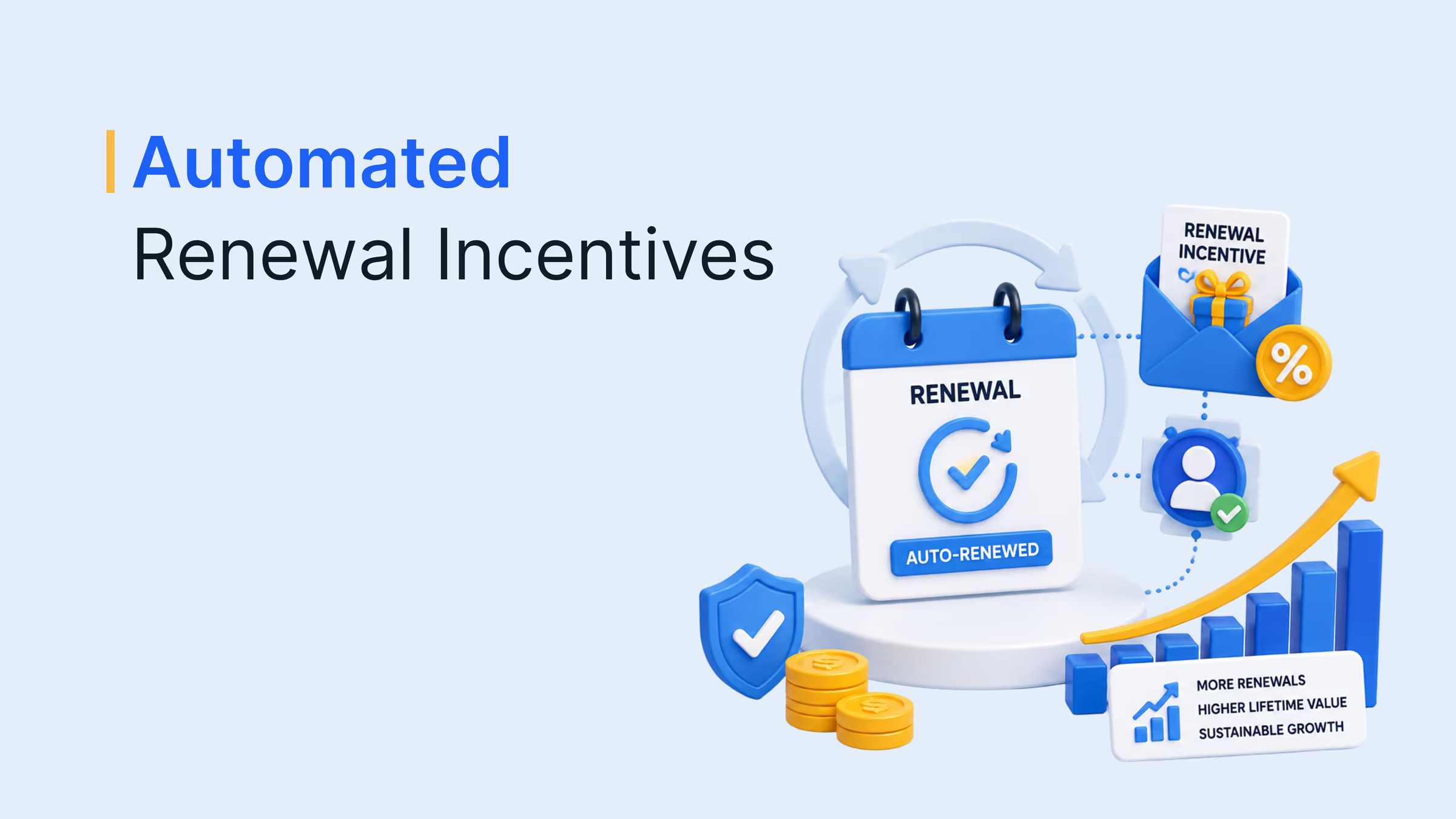
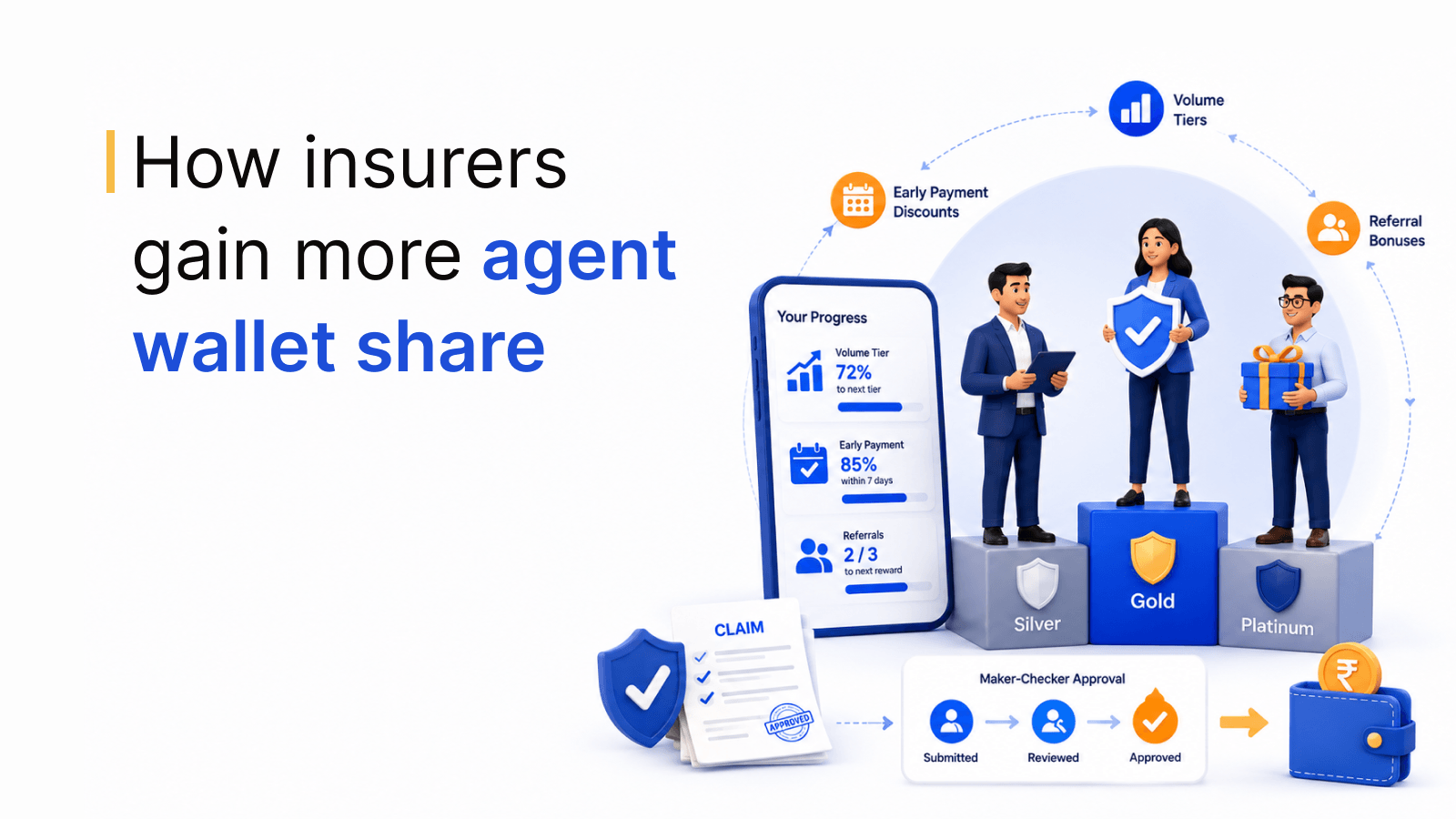
Paid models have a known weak spot. The first renewal is where benefits get judged, and half of cancellations happen in the first year, according to McKinsey. Without a benefit customers use monthly, the fee reads as a tax. See our guide to membership loyalty programs for the full model.
- Fee creates commitment and funds the benefits
- Predictable recurring revenue
- Self-selects your most engaged customers
- Cancellations cluster at first renewal when benefits go unused
4. Early access and members-only drops
Status and access. Access costs almost nothing and feels expensive. Let members buy the new colorway 48 hours early, or reserve limited stock only they can see.
Scarcity does the work here, so keep the window real. If early access sells out for everyone anyway, members notice within two drops.
- Near-zero reward cost
- Turns launches into a reason to join
- Easy to test on one product
- Only works while stock or timing is genuinely limited
5. Experiential rewards
Status and access. A discount ends when the receipt prints. A behind-the-scenes factory tour, a tasting with the founder, or a masterclass gets retold.
The cost is operational, not financial. Experiences need capacity limits, a fair way to allocate seats, and someone to run them. Start with one quarterly event for the top tier, then see who shows up.
- Creates stories customers retell
- Strongest fit for top-tier members
- Little discounting needed
- Needs capacity limits, seat allocation and staff time
6. Surprise and delight
Emotion and surprise. A fixed reward becomes an expectation. An unannounced one becomes a story. Send a free upgrade to a customer on their tenth order, or a handwritten note with no ask attached.
Keep it rare enough that no one can predict it. If you want badges and leaderboards instead, the gamification guide covers that ground in depth.
- Memorable and easy to share
- Cheap when targeted to top customers
- Builds goodwill without a program rule
- Loses its effect once customers can predict it
7. Cause-linked rewards
Emotion and surprise. Let members convert a reward into a donation to a charity you have vetted. Some customers will never redeem for themselves but will gladly redeem for a cause.
Pick two or three causes, not twenty. And publish the running total, because a visible tally is what turns a donation into a shared project.
- Reaches customers who ignore personal rewards
- Strengthens brand values
- Running total creates shared purpose
- Needs vetted charity partners and clear reporting
8. Two-sided referrals
Emotion and surprise. A referral that rewards only the referrer feels like being paid to spam friends. Reward both people and it becomes a gift.
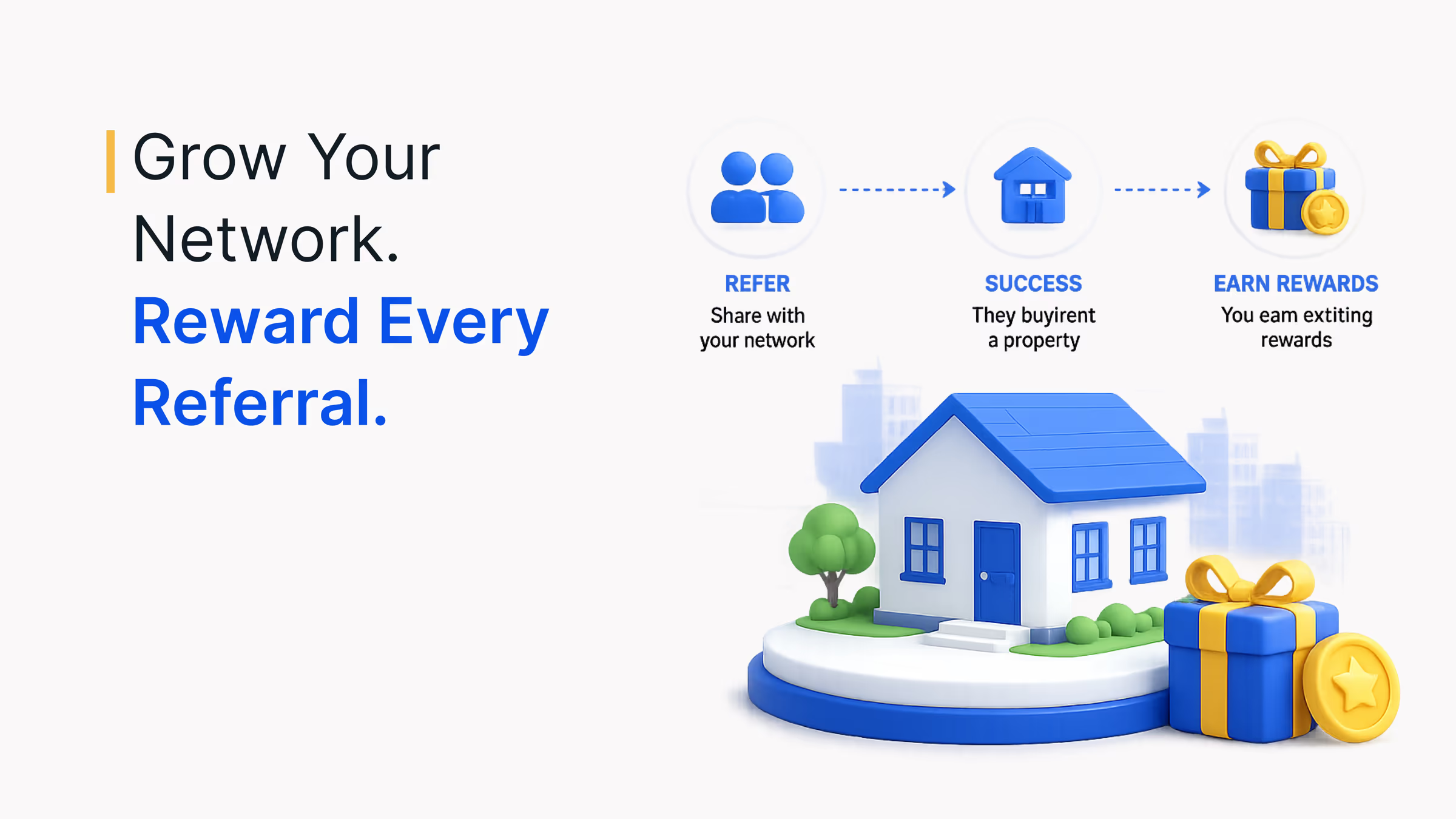
Tying the reward to a real first action, not just a signup, keeps the economics honest and the quality of new members high. See how referrals work in Loyalife.
- Acquires customers through trusted introductions
- Both sides get a reason to act
- Reward only fires on a real purchase
- Open to gaming without fraud checks on duplicate accounts
9. Status for contribution
Behavior beyond buying. A customer who writes a detailed review, uploads a photo, or answers a product question has given you something a purchase never could. Reward that with status or access, not a balance.
A "Top Reviewer" tier with early access to new products works better than 50 points per review. Points invite spam. Status invites craft.
- Grows review and photo volume
- Rewards quality, not quantity
- Costs access, not cash
- Needs moderation to keep quality high
10. Customer councils
Behavior beyond buying. Invite your 20 most engaged customers to vote on the next flavor, feature, or color. Show them the result and credit them by first name.
It costs a monthly survey and a thank-you. It also hands your product team a pre-qualified panel, which is worth more than it looks.
- Cheap to run
- Gives product a pre-qualified panel
- Makes top customers feel heard
- Loses trust fast if feedback never leads to a visible change
What to ask before you launch
Every idea sounds good in a planning meeting. These four questions show where it stops working.
- Which customer motive does this serve? Name one, such as status, surprise or speed. An idea without a motive becomes a discount.
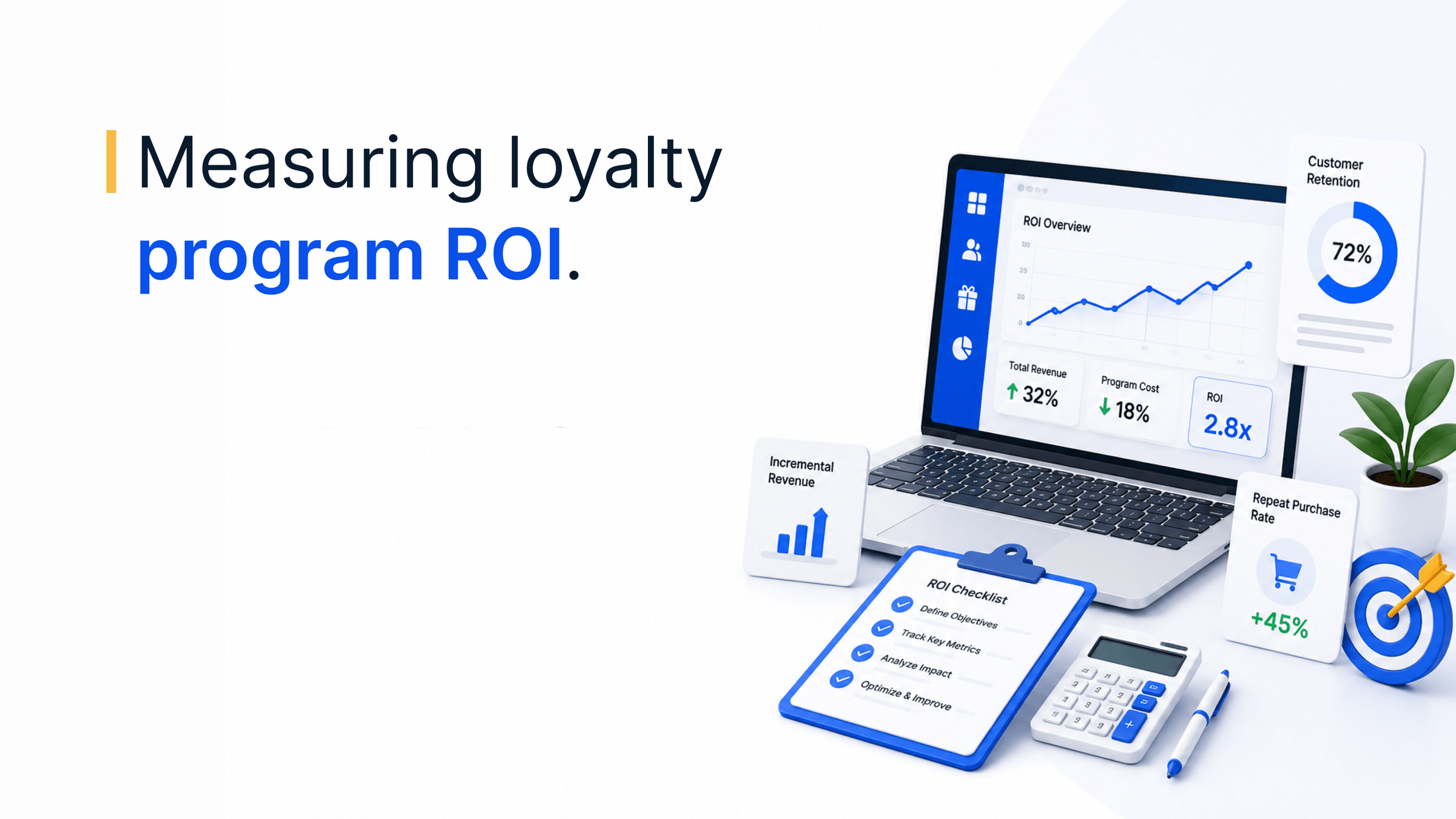
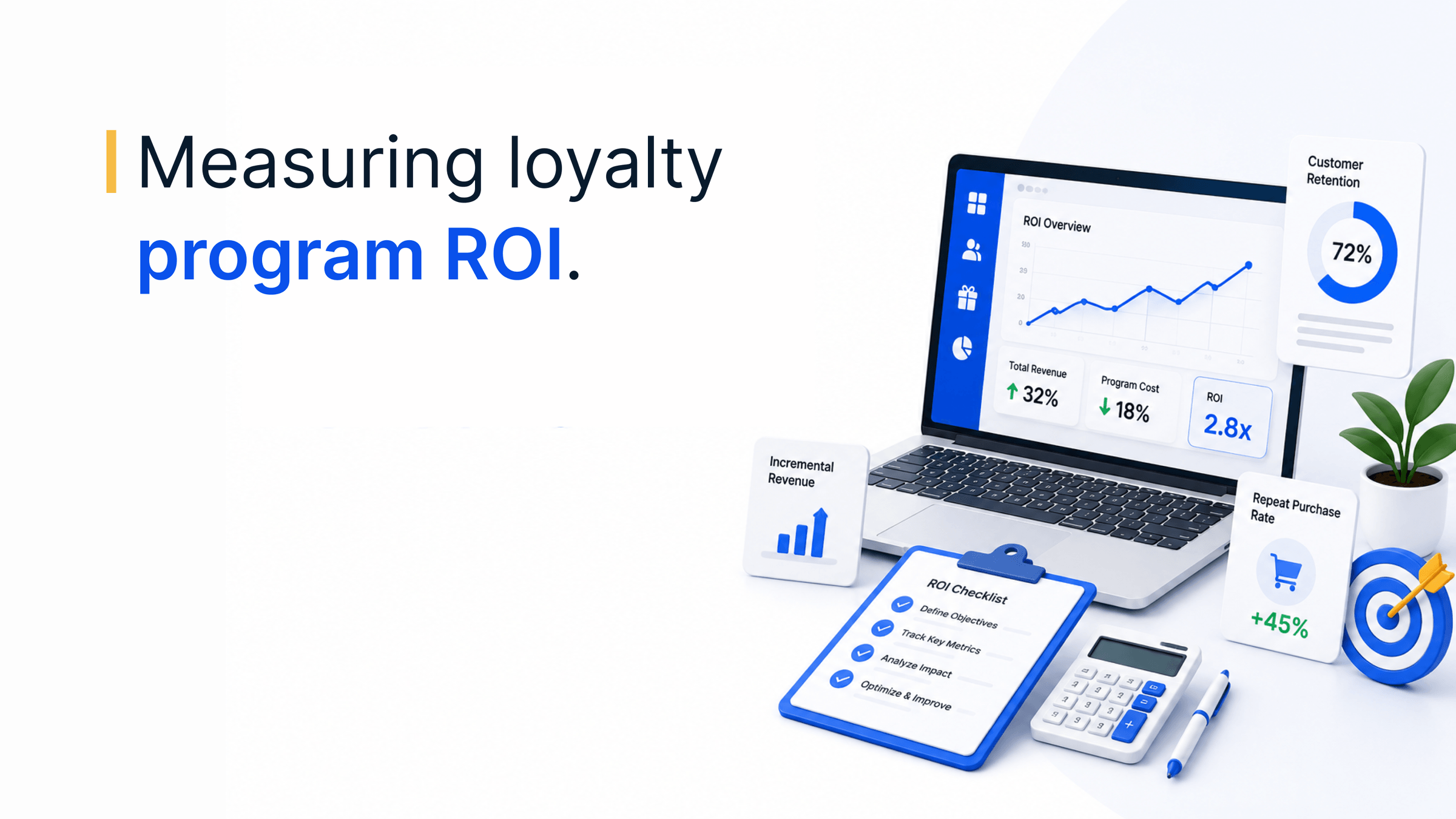
- What is the first metric, and what is the baseline? Measure repeat purchase rate and time between purchases first. The loyalty program KPIs guide covers how to set it.
- How could this be gamed? Check duplicate accounts, fake claims and low-quality referrals before launch, not after.
- Who runs it every week? Events, councils and approvals need an owner, not a good intention.
Which loyalty program idea should you choose?
Xoxoday Loyalife is the place to start if you run a channel or trade network, and its rule engine also handles tiers, referral bonuses and shared wallets. Most of these ideas break on operations, not creativity: a paid tier needs billing logic, a referral needs two reward rules and a fraud check, and a trade scheme needs invoice validation. Explore our loyalty platform to run them from one rule engine, with rewards fulfilled from 10M+ options across 150+ countries. Whichever you pick, run one idea per motive for a quarter before layering a second.
Start with the customer motive, not the mechanic. Ecosystems and trade networks want ideas 1 and 2. Status seekers want 3 to 5. Emotional buyers want 6 to 8. Customers who already engage with you want 9 and 10.
Book your Loyalife demo
Frequently asked questions
Paid memberships, early-access clubs, experiential rewards, two-sided referral programs, cause-linked rewards, and customer councils all work without a points balance. Trade programs often use invoice-based rewards paid out after a validated claim.
Not always. Points work when purchases are frequent and the reward is immediate. Non-points mechanics earn their place when points have plateaued or when customers value access, belonging, or speed more than a balance.
Track repeat purchase rate and time between purchases for members against non-members. Then add one mechanic-specific metric, such as renewal rate for paid tiers or first-purchase rate for referred friends.
Early access, customer councils, and status for contribution cost mostly time, not rewards. They suit brands that do not yet have a large reward budget.
Yes, particularly invoice-based rewards, training-linked rewards, and shared-wallet schemes. The common thread is speed and verification: partners respond to rewards they can see, claim, and trust quickly.