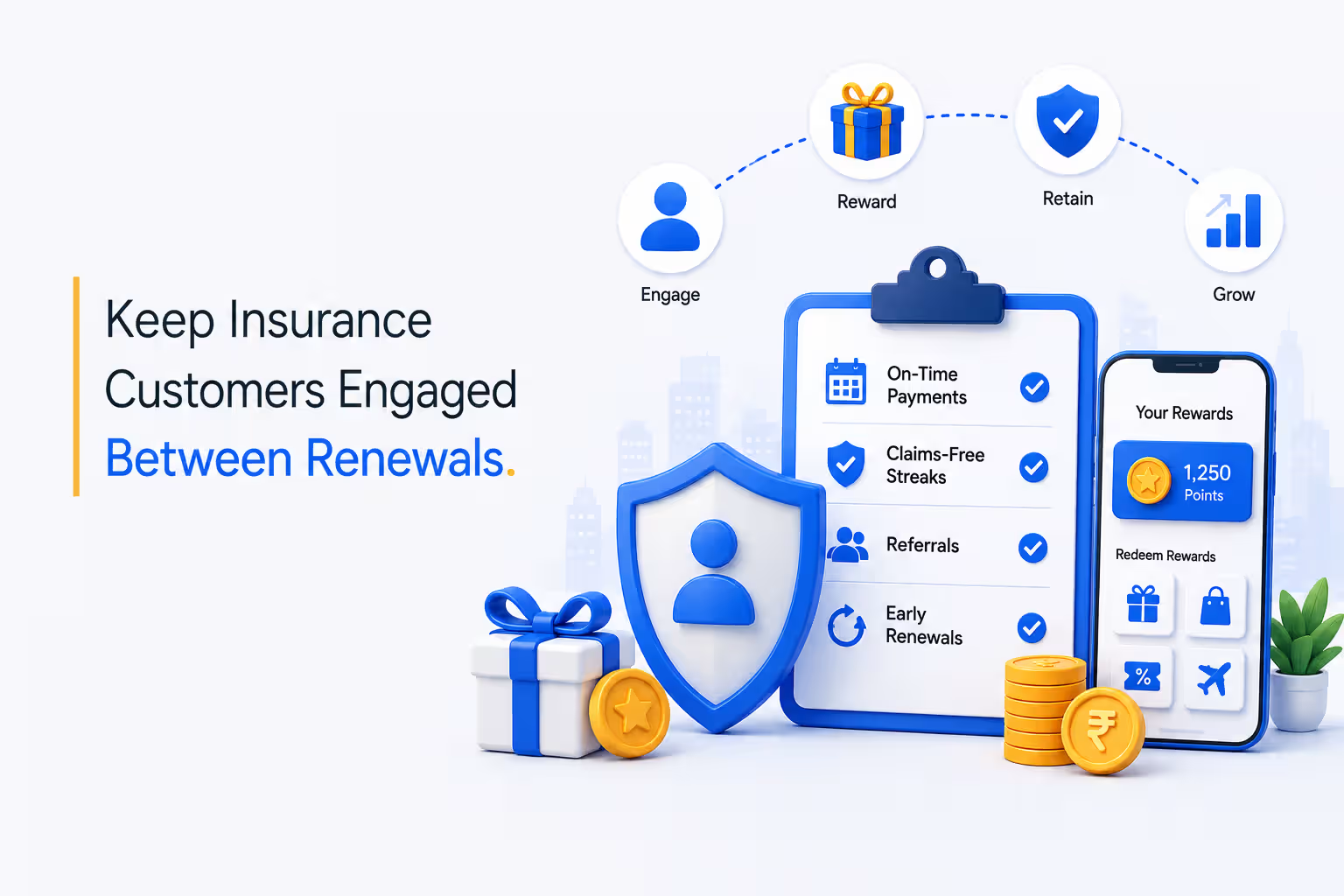
A fintech growth lead spends six weeks tuning the sign-up flow. Fewer fields, better copy, a progress bar. KYC completion barely moves, because the users who stall are not confused. They simply have nothing pulling them across the line right now.
A SaaS product manager hits the same wall one step later. People create workspaces, then never invite a teammate, connect a data source or finish the setup checklist. Every nudge email gets a polite non-response.
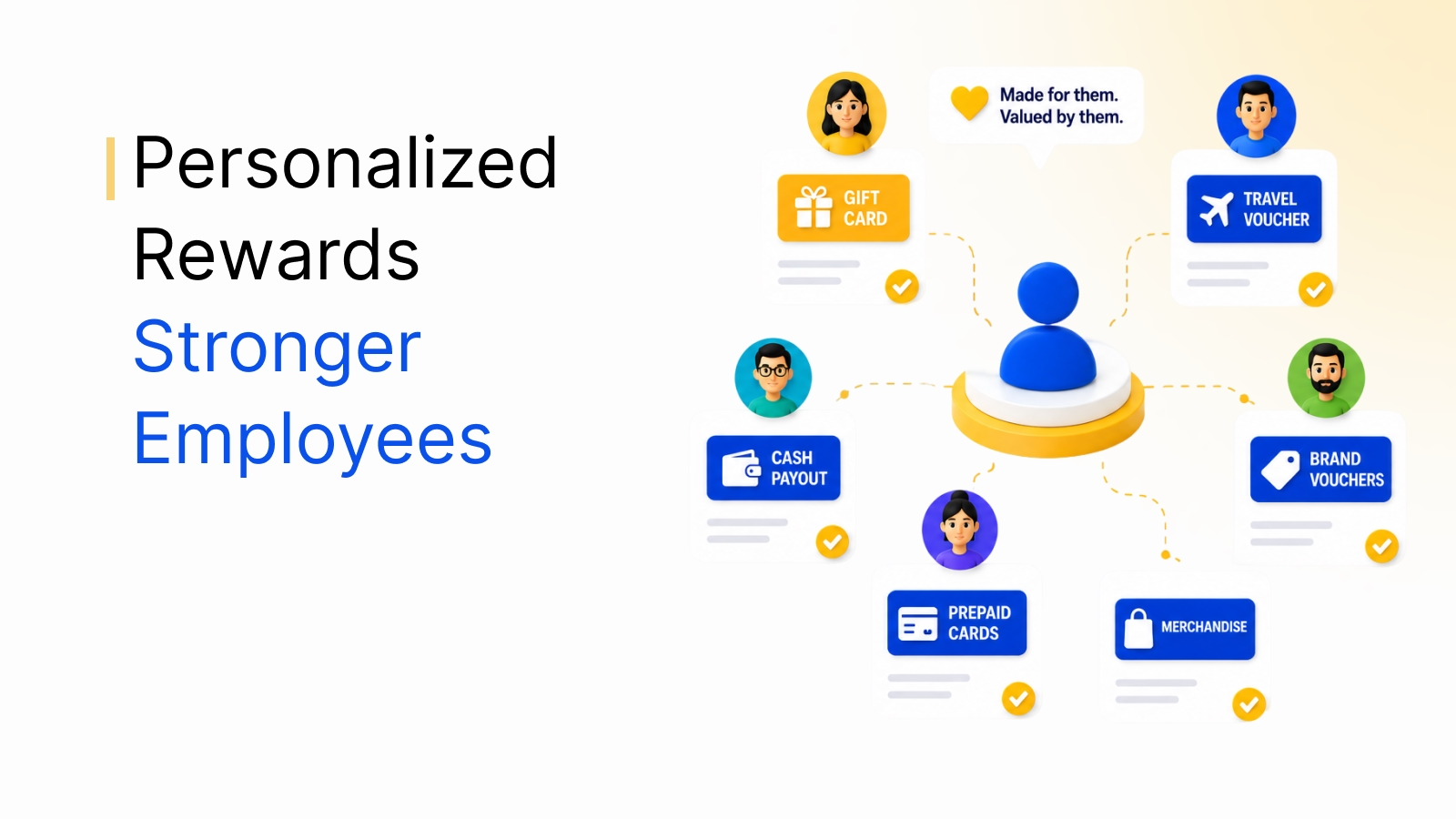
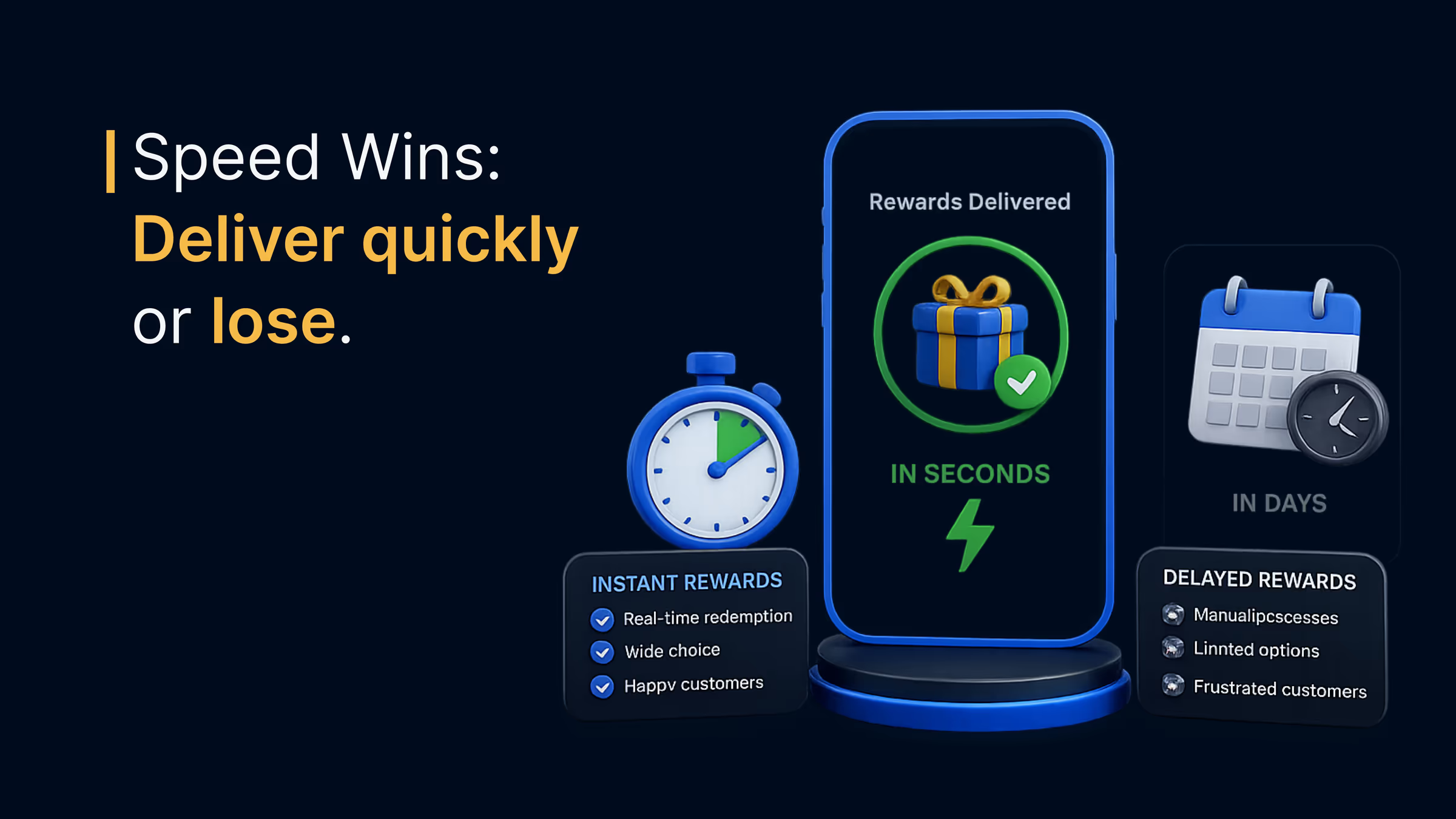
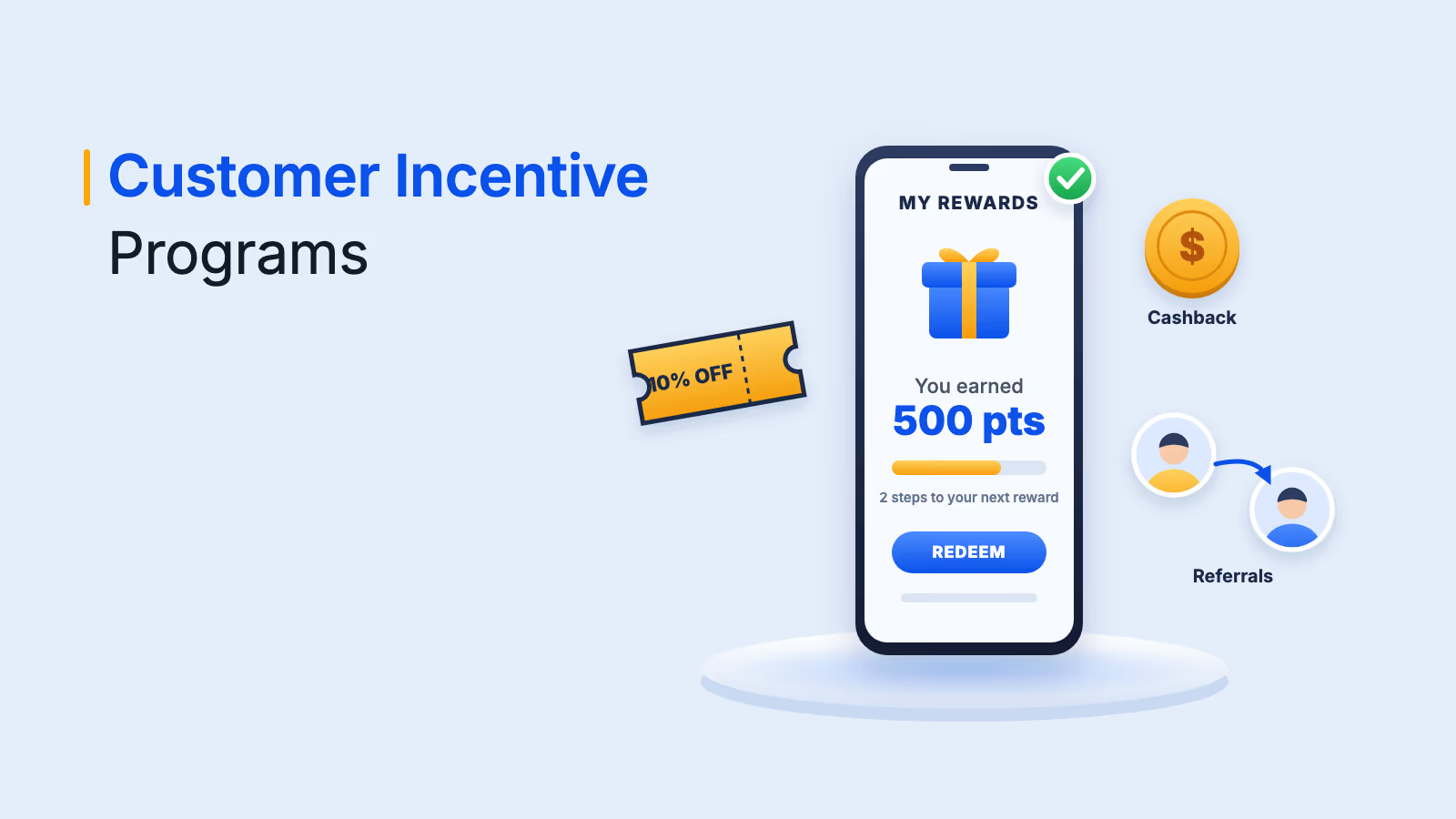
Both teams are asking users for effort and offering nothing back at the moment of effort. Rewards fix that, as long as they fire inside the product and not in a campaign two weeks later.
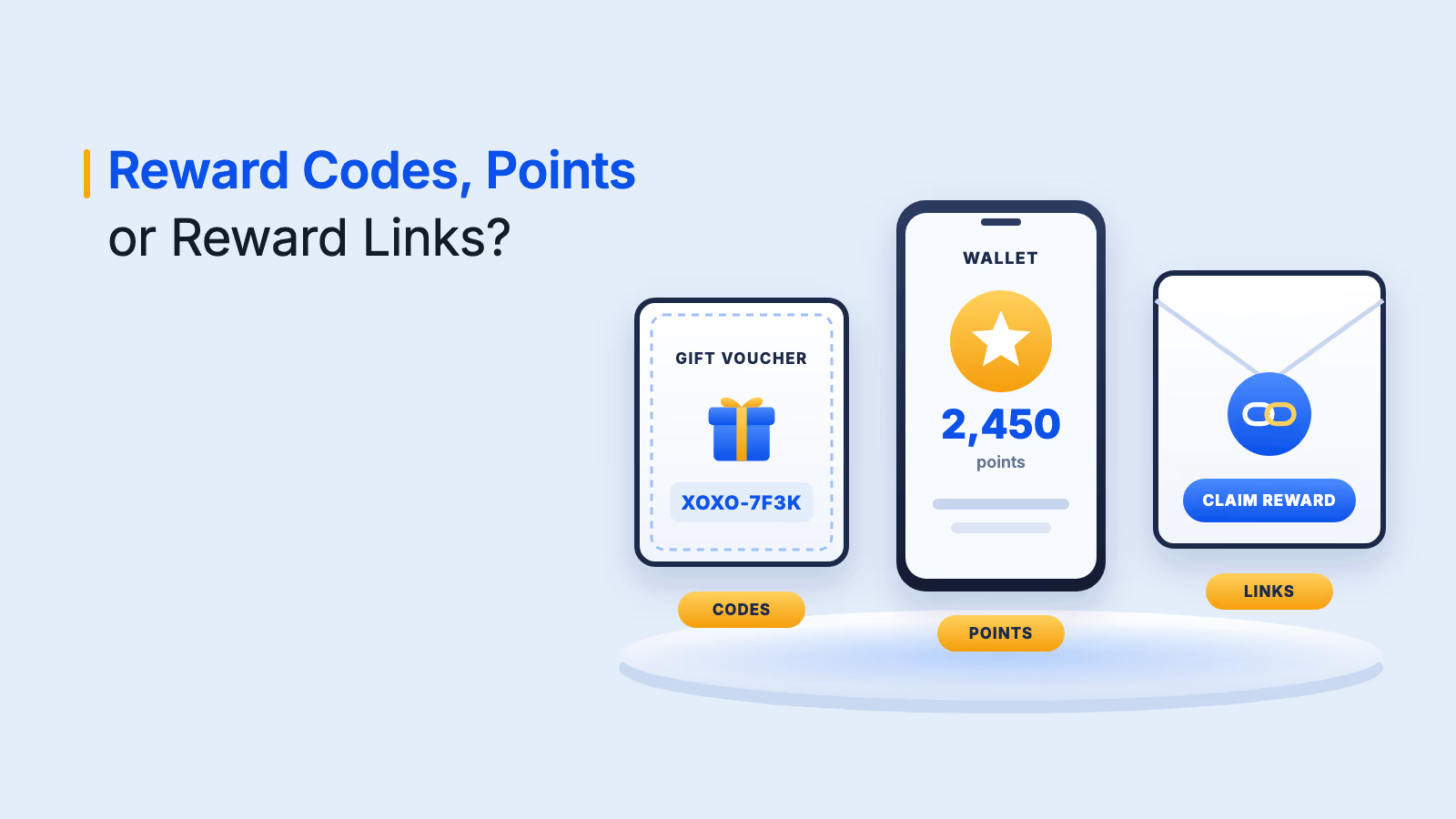
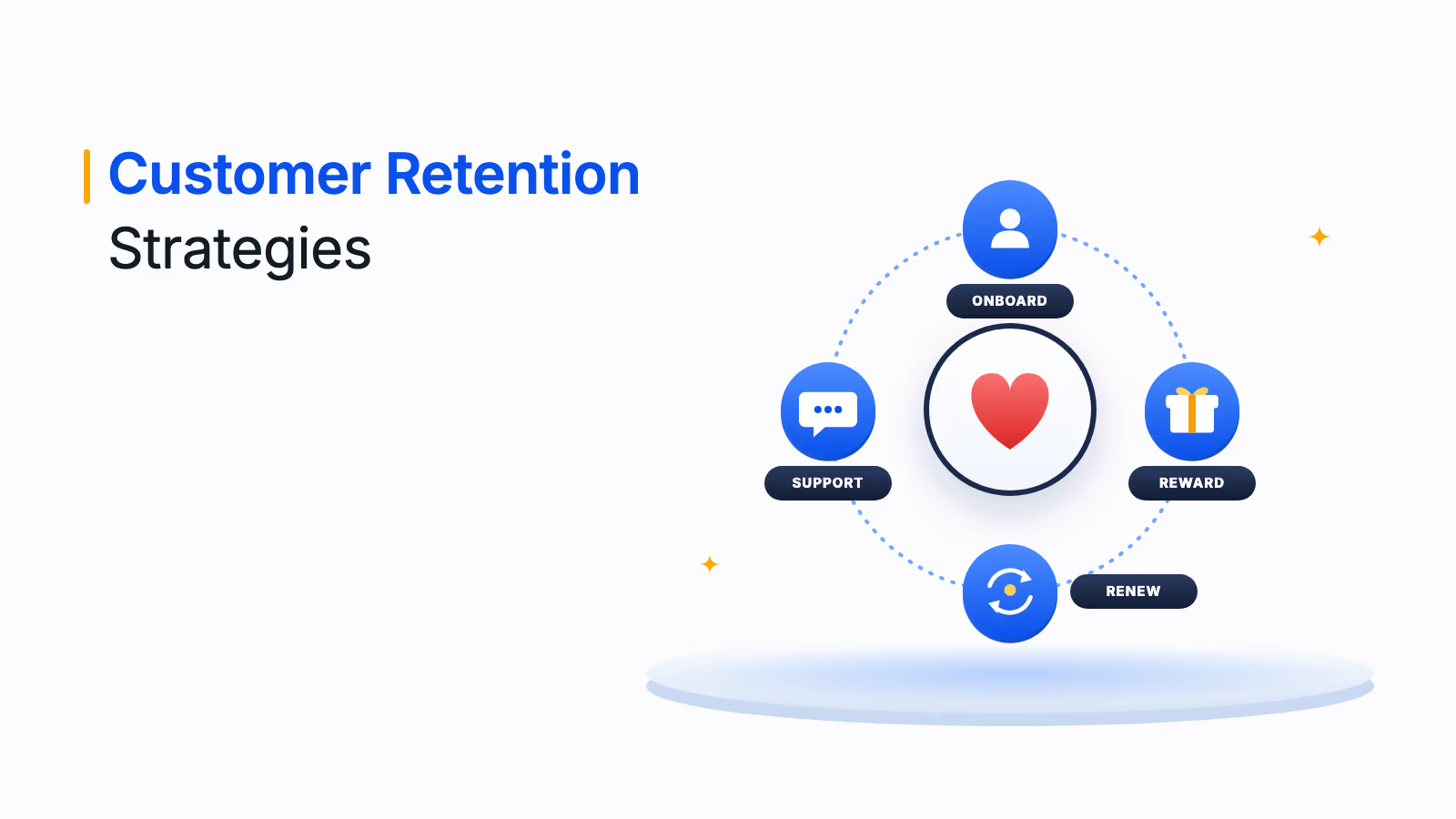
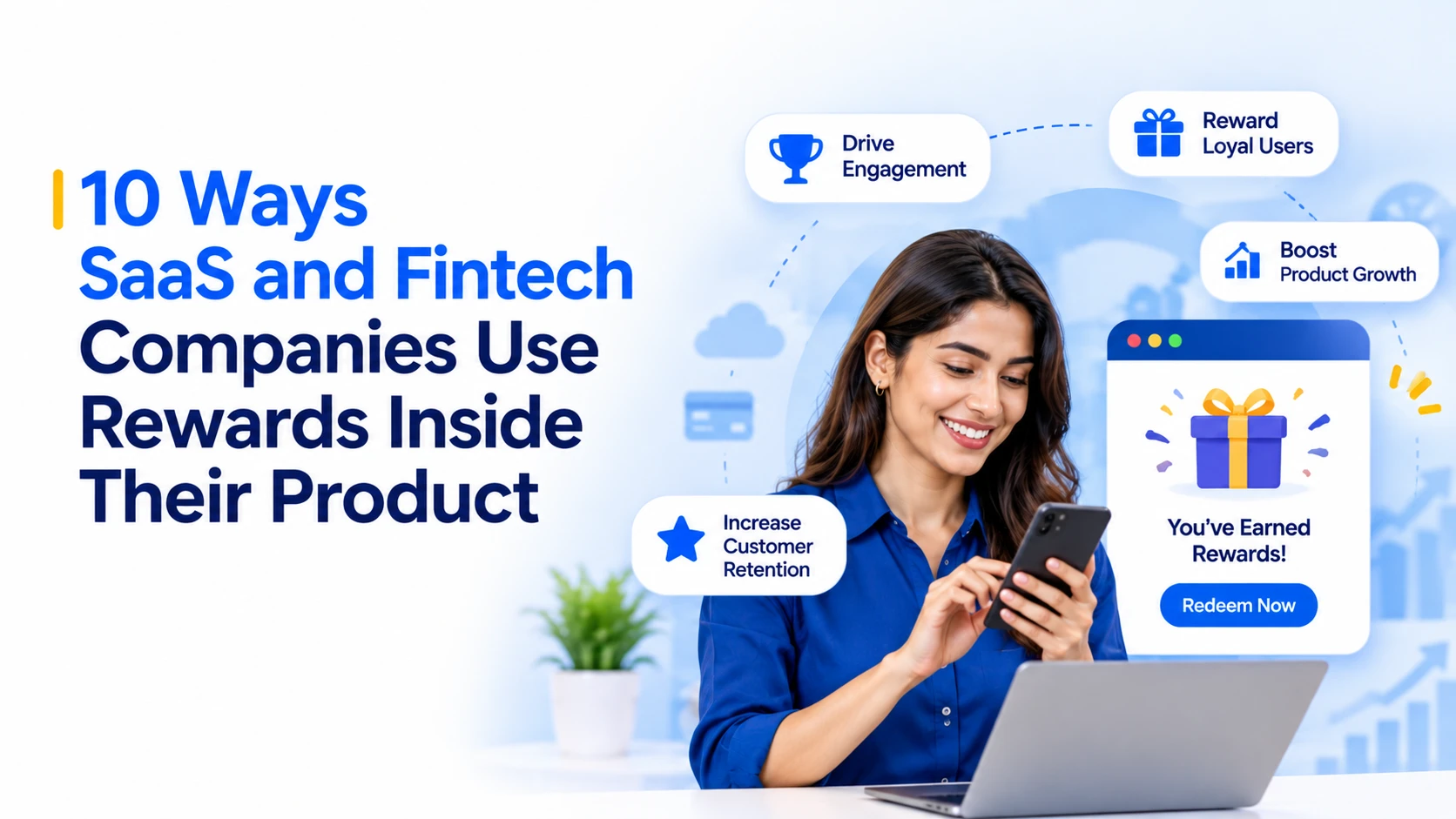
This guide compares 10 ways SaaS and fintech companies use in-product rewards today, each with a trigger, a reward type and an example scenario, so you can pick the two or three that fit your funnel.
Disclosure: Xoxoday publishes this guide and sells Plum, the rewards platform behind several of these use cases. All 10 are judged on the same criteria.
The Best Ways to Use Rewards Inside a SaaS or Fintech Product
- KYC and account verification for fintechs losing applicants between ID upload and approval
- Onboarding milestones for SaaS products where activation depends on a short chain of setup steps
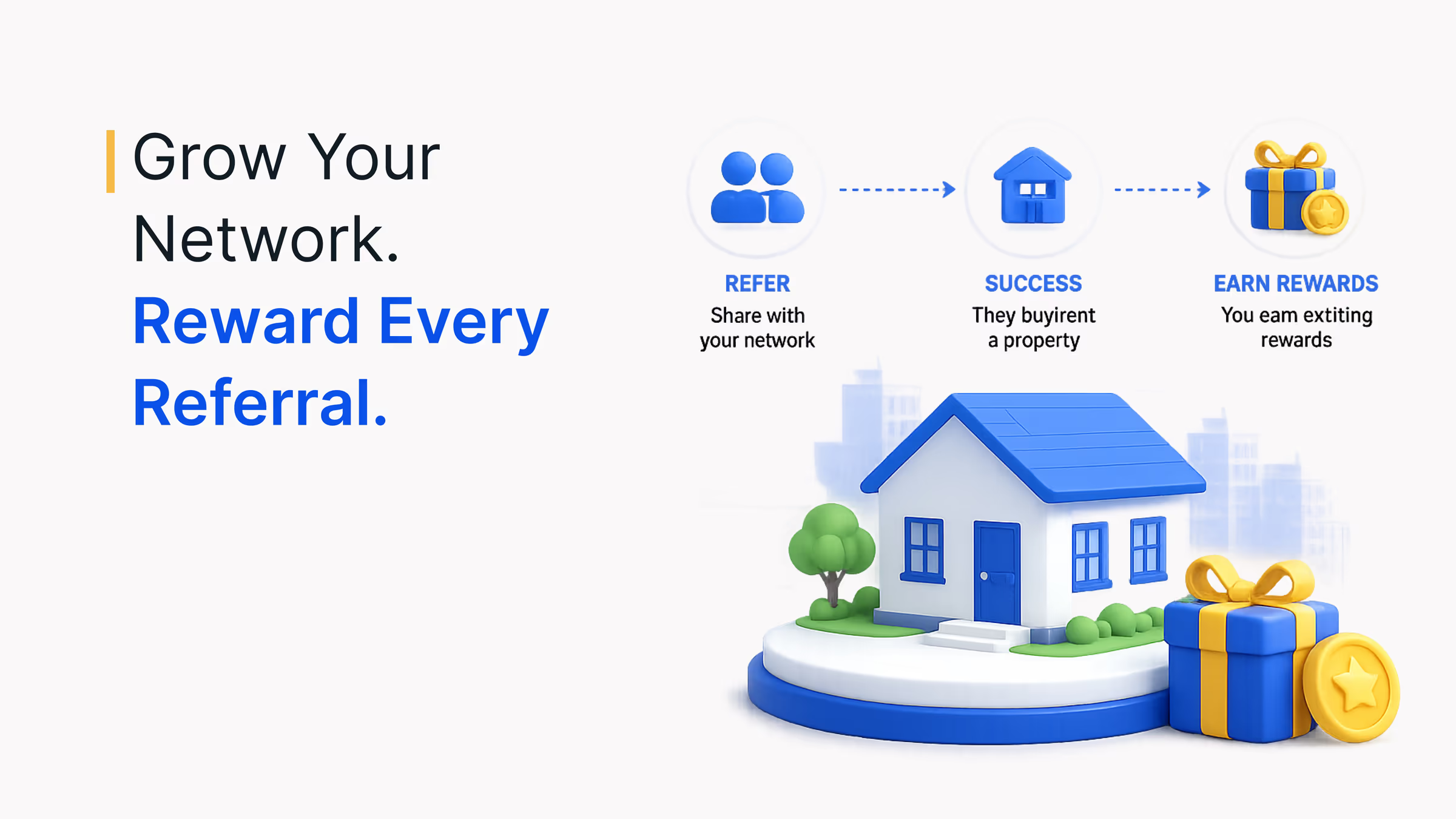
- Verified referrals for growth teams whose referral payouts arrive weeks late
- In-product feedback and surveys for product teams that need research responses from users who ignore email
- Public reviews and ratings for teams building review volume on third-party software sites
- First use of a sticky feature for products with one feature that predicts retention
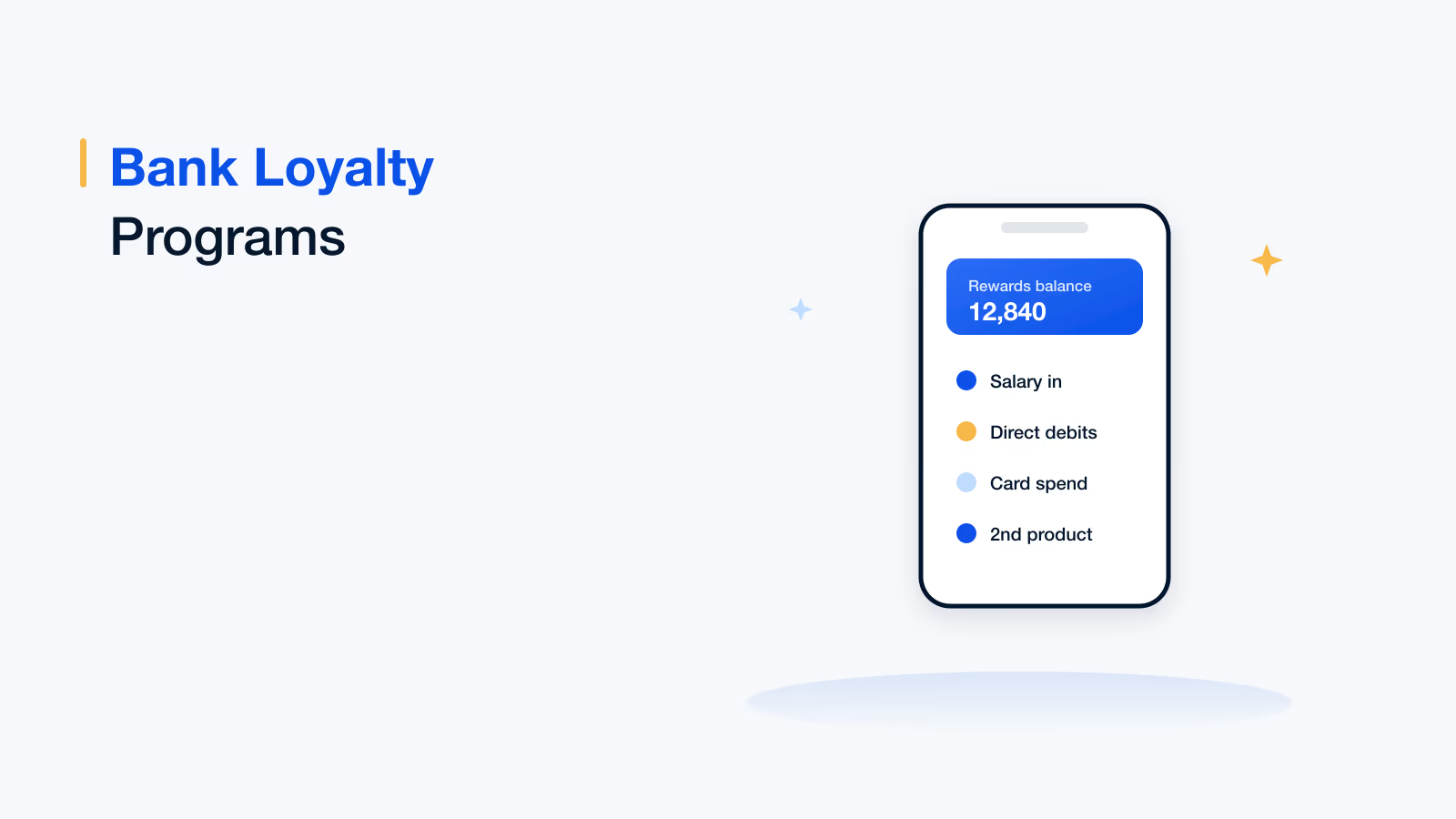
- Deposits and spend milestones for fintechs that need new users to build a transaction habit
- Refunds and goodwill credits for subscription and commerce products with refund-related support tickets
- Partner and affiliate payouts for platforms paying resellers, affiliates or creators by monthly wire
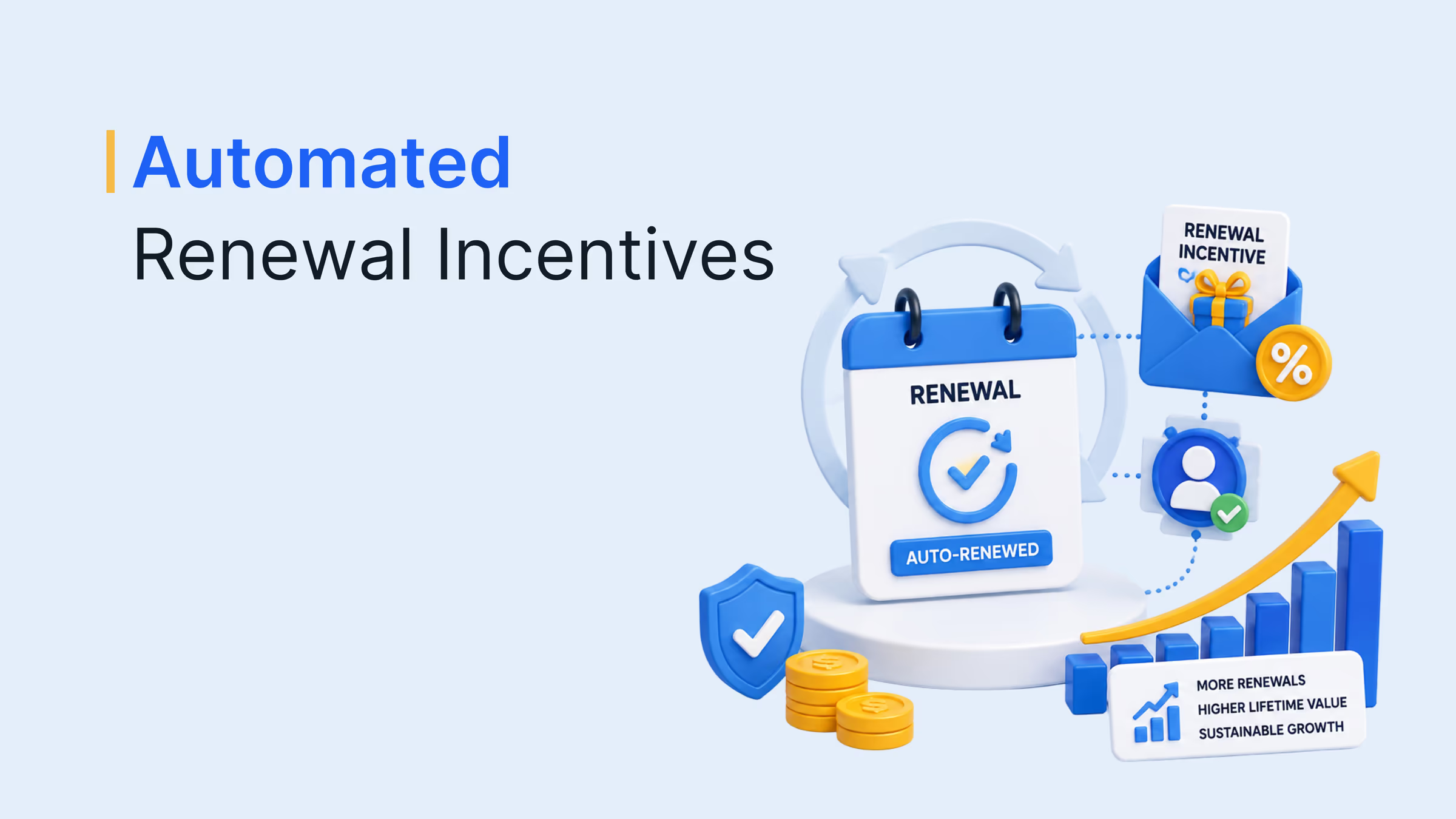
- Win-back and renewals for products with lapsed users or accounts approaching renewal
What Makes an In-Product Reward Worth Running?
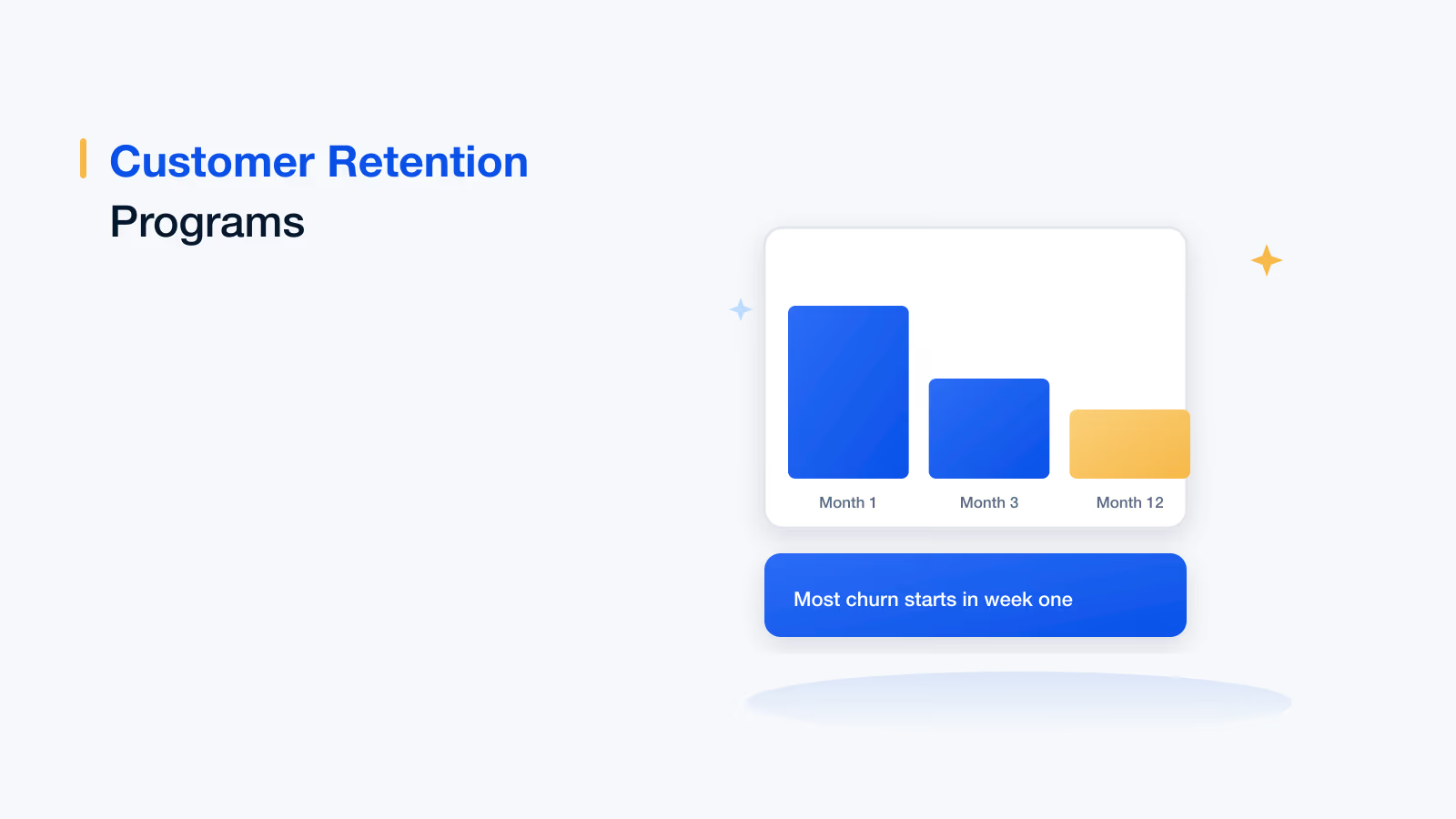
The first days decide the account, and the user needs a reason to act inside them. Three benchmarks show how much is at stake.
19.2%
Average onboarding checklist completion
Across 188 SaaS companies
16%
Higher lifetime value for referred customers
Wharton study of retail bank customers
77%
Daily active users lost within 3 days
Mobile app installs
Source: Userpilot SaaS onboarding benchmarks; Wharton School referral value study; Braze mobile app retention research.
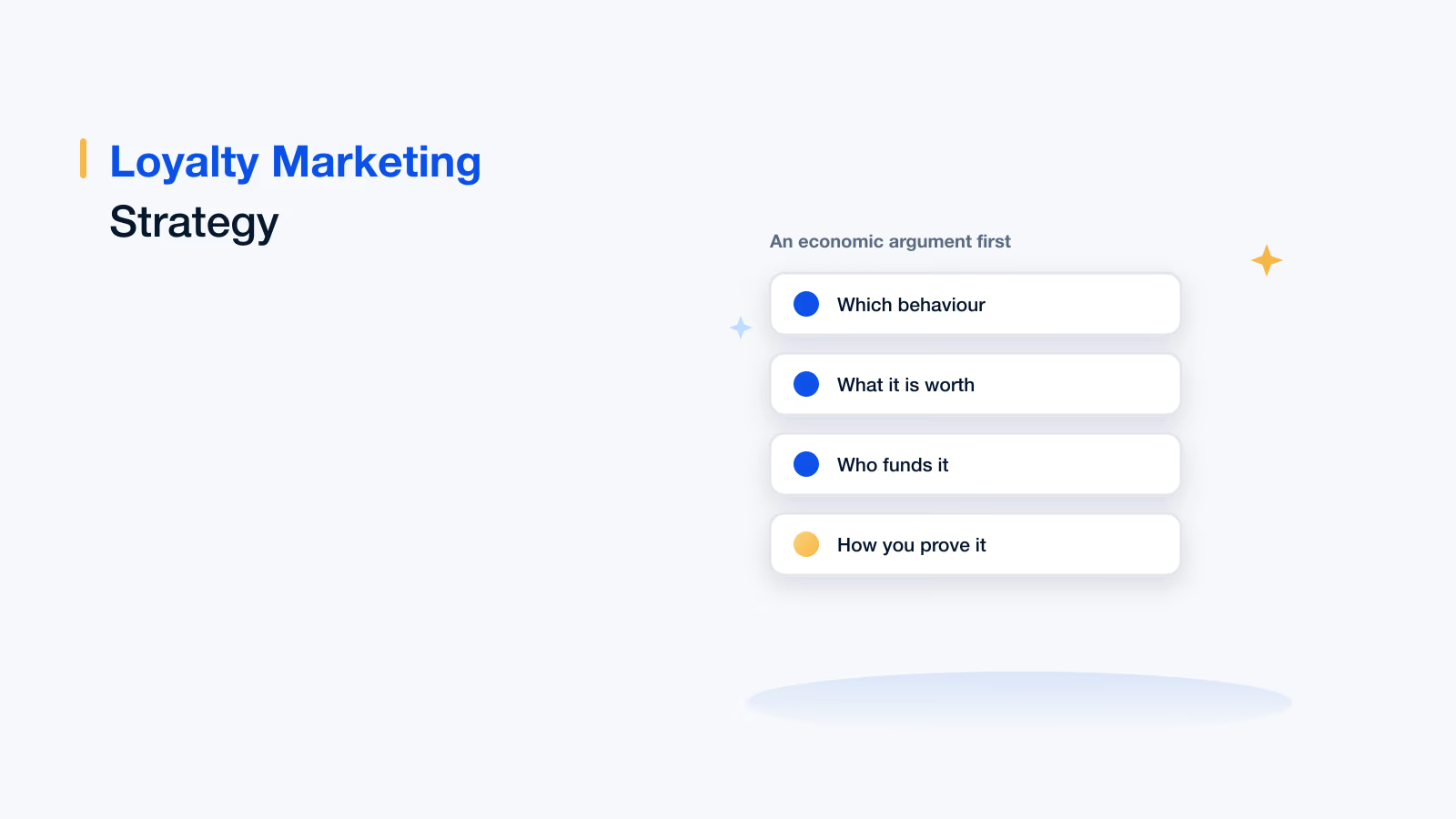
We judged every use case on five tests:
- Verifiable trigger. The reward should fire on an event your product can confirm, not a self-reported action.
- Funnel impact. It should target a step where users measurably drop off today.
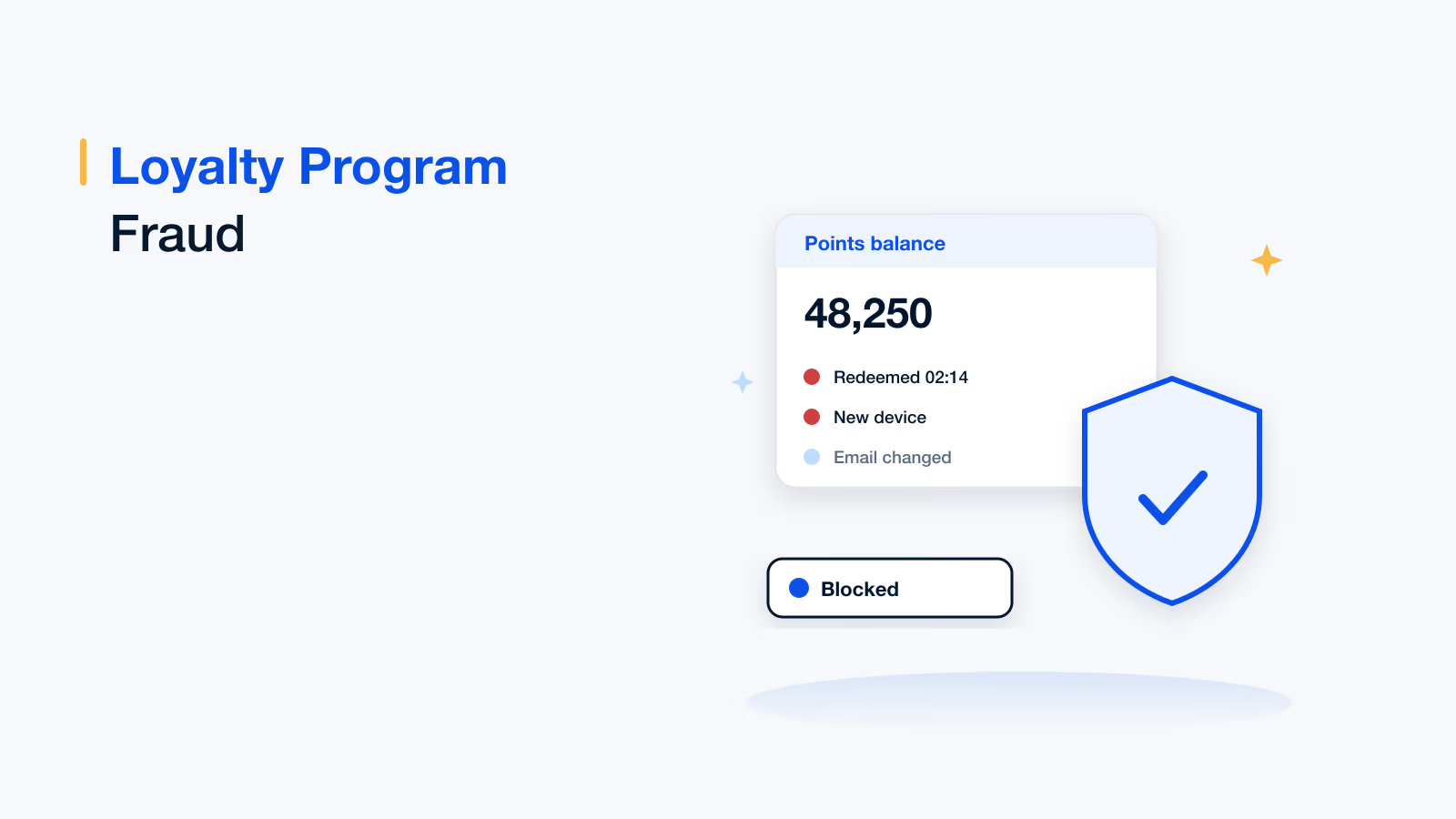
- Fraud exposure. Pay on outcomes, and check how easily the reward can be gamed.
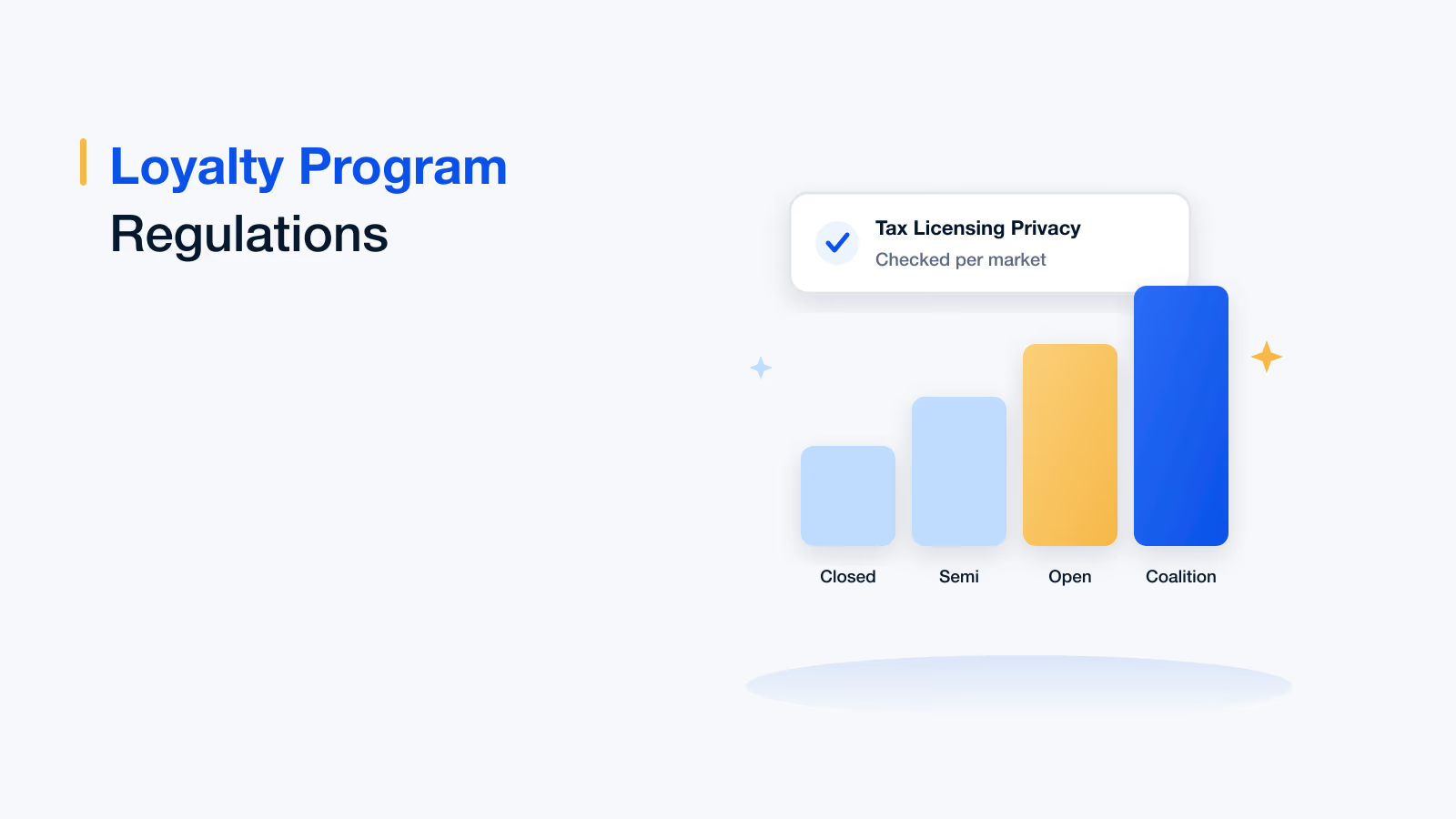
- Global fit. A reward that works in one country has to survive expansion into others.
- Cost control. Budget caps, approvals and audit logs must exist before volume grows.
We weighted verifiable triggers and funnel impact most, because a reward on the wrong event costs money without moving a metric. Benchmarks come from the sources named above, and the example scenarios are illustrative, not customer results. Ratings show Plum's rating on the Xoxoday G2 and Capterra listings as of October 2026, since every use case here runs on the same platform.
See how Plum triggers rewards from your product events
Connect a product event to an instant reward in weeks. 10M+ reward options, 150+ countries, bulk issuance of up to 10,000 recipients.
Book a free 30-min demoTrusted by 5,000+ companies
The Best In-Product Reward Use Cases at a Glance
- KYC and account verification
- Best for
- Fintechs losing applicants between ID upload and approval
- Typical reward
- Gift card or prepaid credit
- Rating
- G2 4.6 · Capterra 4.4 · G2 Leader 2026
- Onboarding milestones
- Best for
- SaaS products where activation depends on a short chain of setup steps
- Typical reward
- Gift card or charity donation
- Rating
- G2 4.6 · Capterra 4.4 · G2 Leader 2026
- Verified referrals
- Best for
- Growth teams whose referral payouts arrive weeks late
- Typical reward
- Choice of gift card or wallet credit
- Rating
- G2 4.6 · Capterra 4.4 · G2 Leader 2026
- In-product feedback and surveys
- Best for
- Product teams that need research responses from users who ignore email
- Typical reward
- Gift card or cash-like payout
- Rating
- G2 4.6 · Capterra 4.4 · G2 Leader 2026
- Public reviews and ratings
- Best for
- Teams building review volume on third-party software sites
- Typical reward
- Gift card
- Rating
- G2 4.6 · Capterra 4.4 · G2 Leader 2026
- First use of a sticky feature
- Best for
- Products with one feature that predicts retention
- Typical reward
- Small credit or gift card
- Rating
- G2 4.6 · Capterra 4.4 · G2 Leader 2026
- Deposits and spend milestones
- Best for
- Fintechs that need new users to build a transaction habit
- Typical reward
- Points, gift card or payout
- Rating
- G2 4.6 · Capterra 4.4 · G2 Leader 2026
- Refunds and goodwill credits
- Best for
- Subscription and commerce products with refund-related support tickets
- Typical reward
- Recipient-choice payout
- Rating
- G2 4.6 · Capterra 4.4 · G2 Leader 2026
- Partner and affiliate payouts
- Best for
- Platforms paying resellers, affiliates or creators by monthly wire
- Typical reward
- Cash-like payout or prepaid card
- Rating
- G2 4.6 · Capterra 4.4 · G2 Leader 2026
- Win-back and renewals
- Best for
- Products with lapsed users or accounts approaching renewal
- Typical reward
- Gift card or credit
- Rating
- G2 4.6 · Capterra 4.4 · G2 Leader 2026
1. KYC and account verification
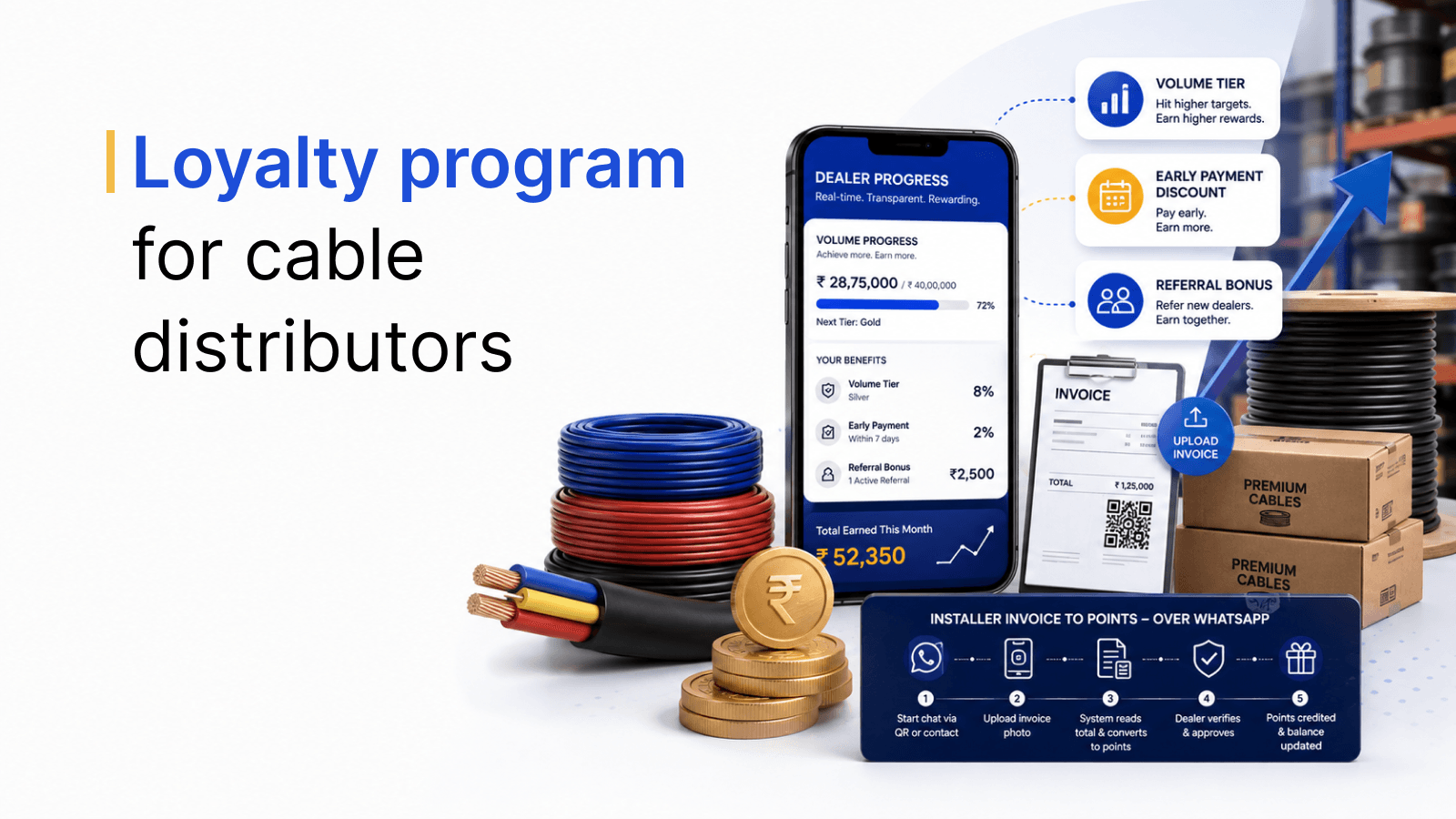
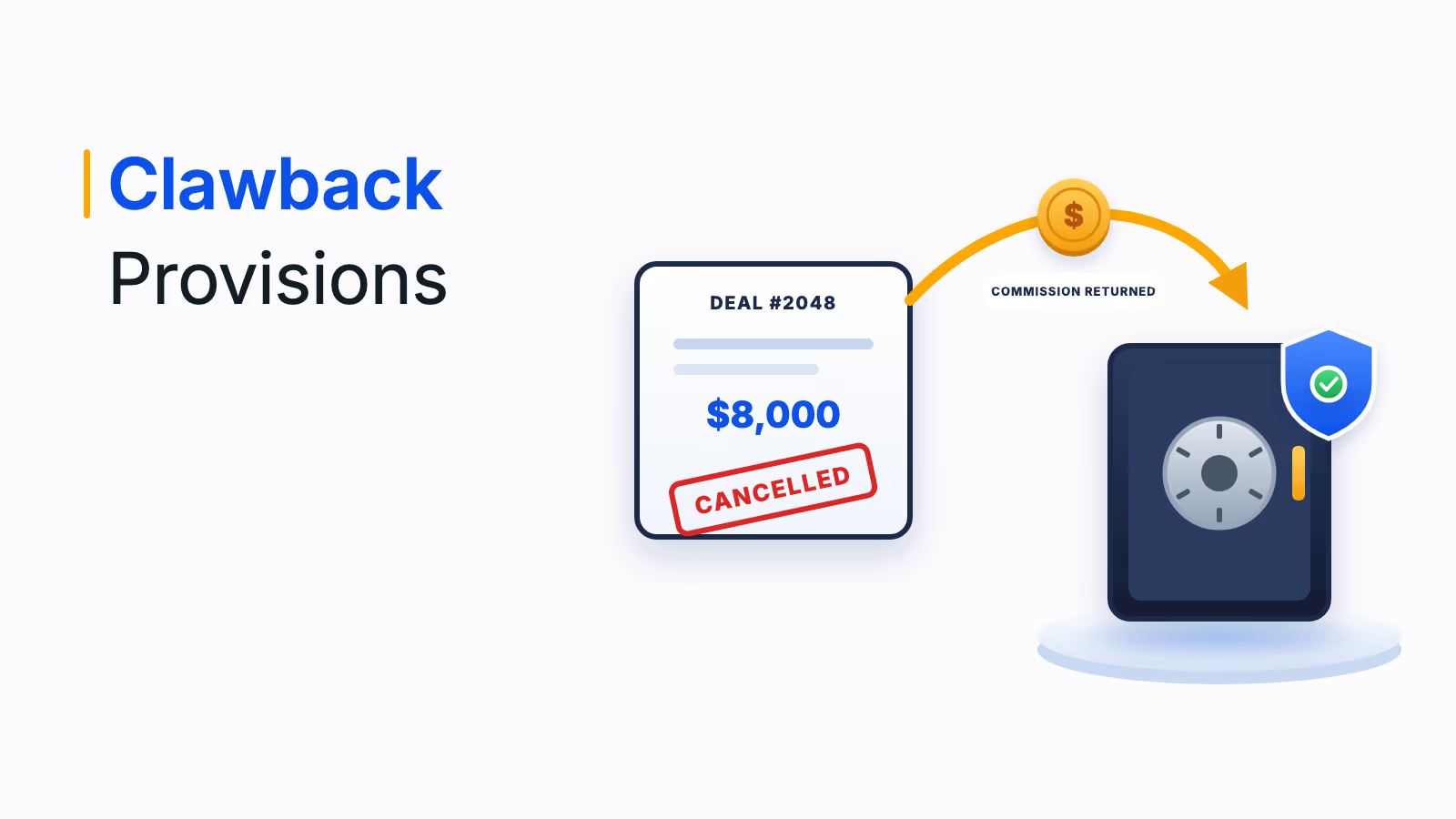
Trigger: KYC approval. Verification is the step users resent most and fintechs can skip least. The trigger is a KYC approval webhook, and the reward is a small, instant digital gift card or prepaid credit.
A neo-bank sees applicants upload an ID, then leave before the selfie check. A reward that fires on approval, not on submission, gives them a reason to finish and costs nothing for applicants who never complete.
- Pays only on verified approval, so fake sign-ups earn nothing
- Small rewards are enough to move a mandatory step
- Reward value needs a cap so it does not attract throwaway accounts
2. Onboarding milestones
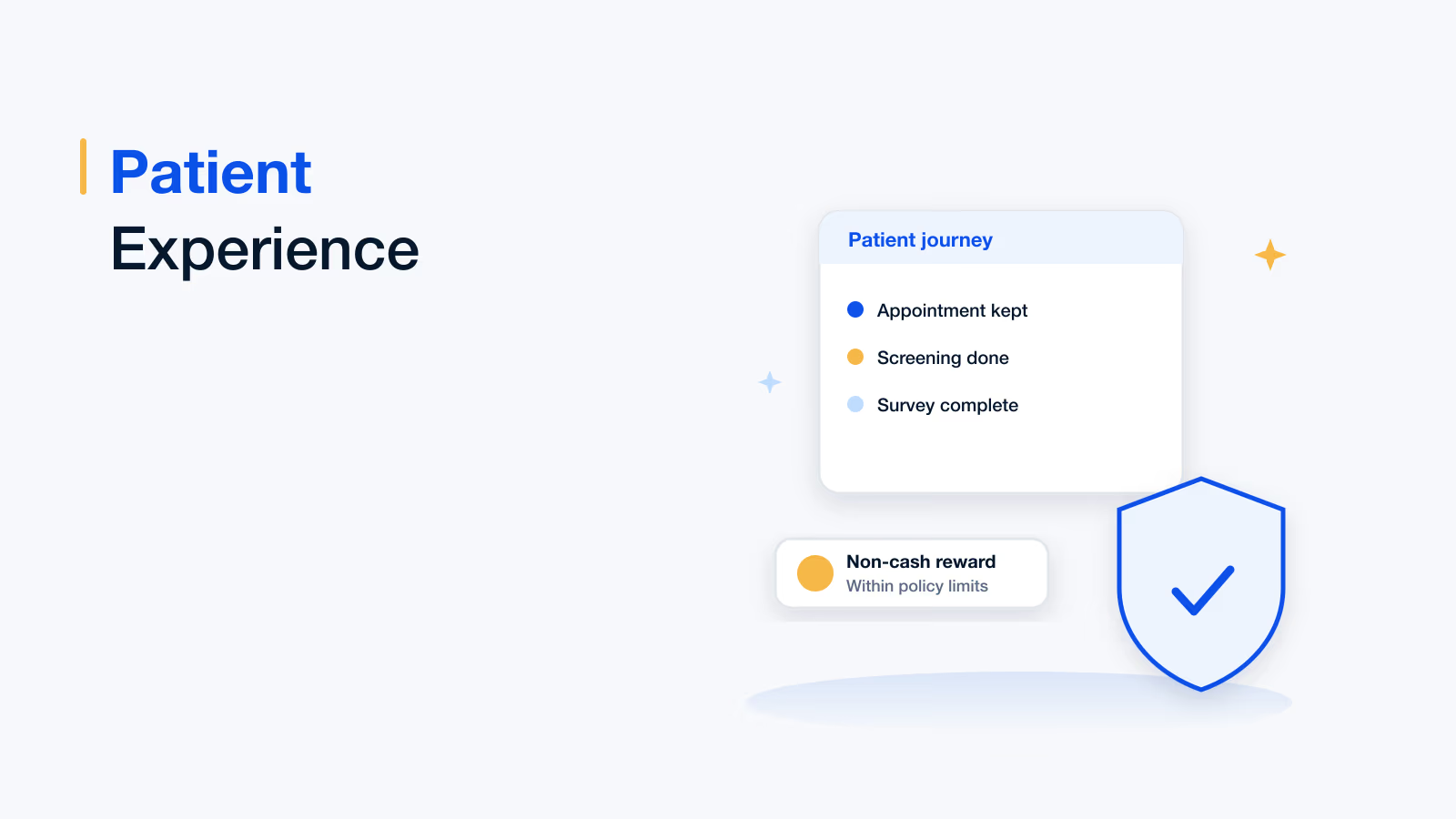
Trigger: Key setup step completed. Activation is rarely one event. It is a short chain: connect a data source, invite a teammate, publish a first project. Rewarding the hardest link usually moves the number more than rewarding the first.
A project management tool finds that accounts with three or more invited teammates in week one retain far better. It rewards the admin when the third invite is accepted, not when invites are sent.
- Targets the exact step that predicts retention
- Donation option suits buyers who cannot accept gifts
- Needs a budget cap per account so one large workspace cannot drain the program
3. Verified referrals
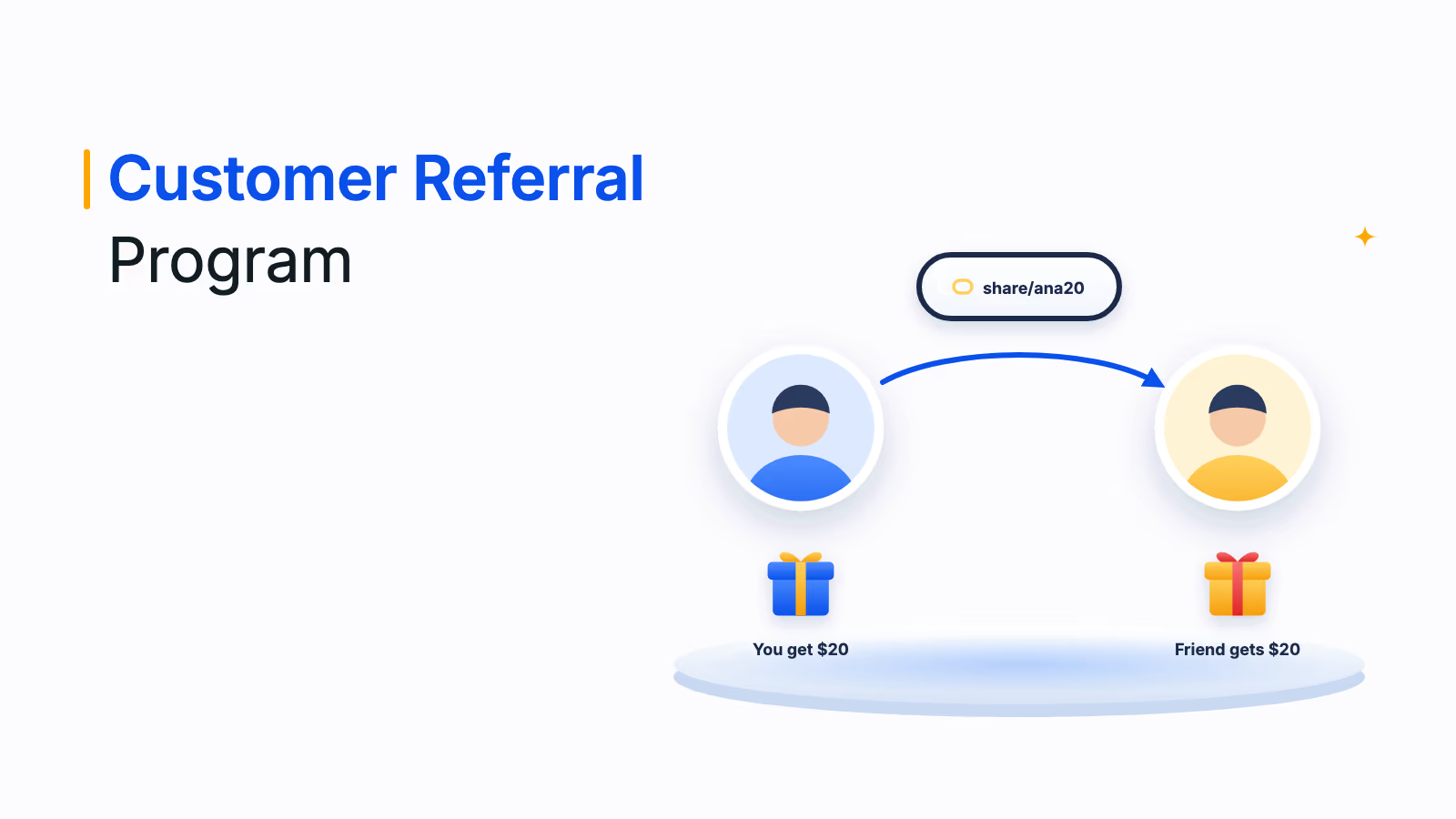
Trigger: Referred user's first qualifying action. Referral programs fail most often at payout. Approvals run through a spreadsheet, rewards arrive late, and the referrer stops talking about the product. Automating the payout on a verified event fixes the part users notice.
A payments app rewards both sides when the referred user completes a first transaction, while duplicate detection and self-referral checks hold back anything that looks gamed. For ideas on structure, see these referral rewards and incentive ideas.
- Reward lands while the referral is still fresh
- Fraud checks protect program ROI
- Must pay on the qualifying action, never on sign-up alone
4. In-product feedback and surveys
Trigger: Survey submitted. Nobody enjoys a feedback pop-up. Product teams ask at the moment users are least willing to answer, and an in-app survey with an instant reward turns a skipped pop-up into a completed one.
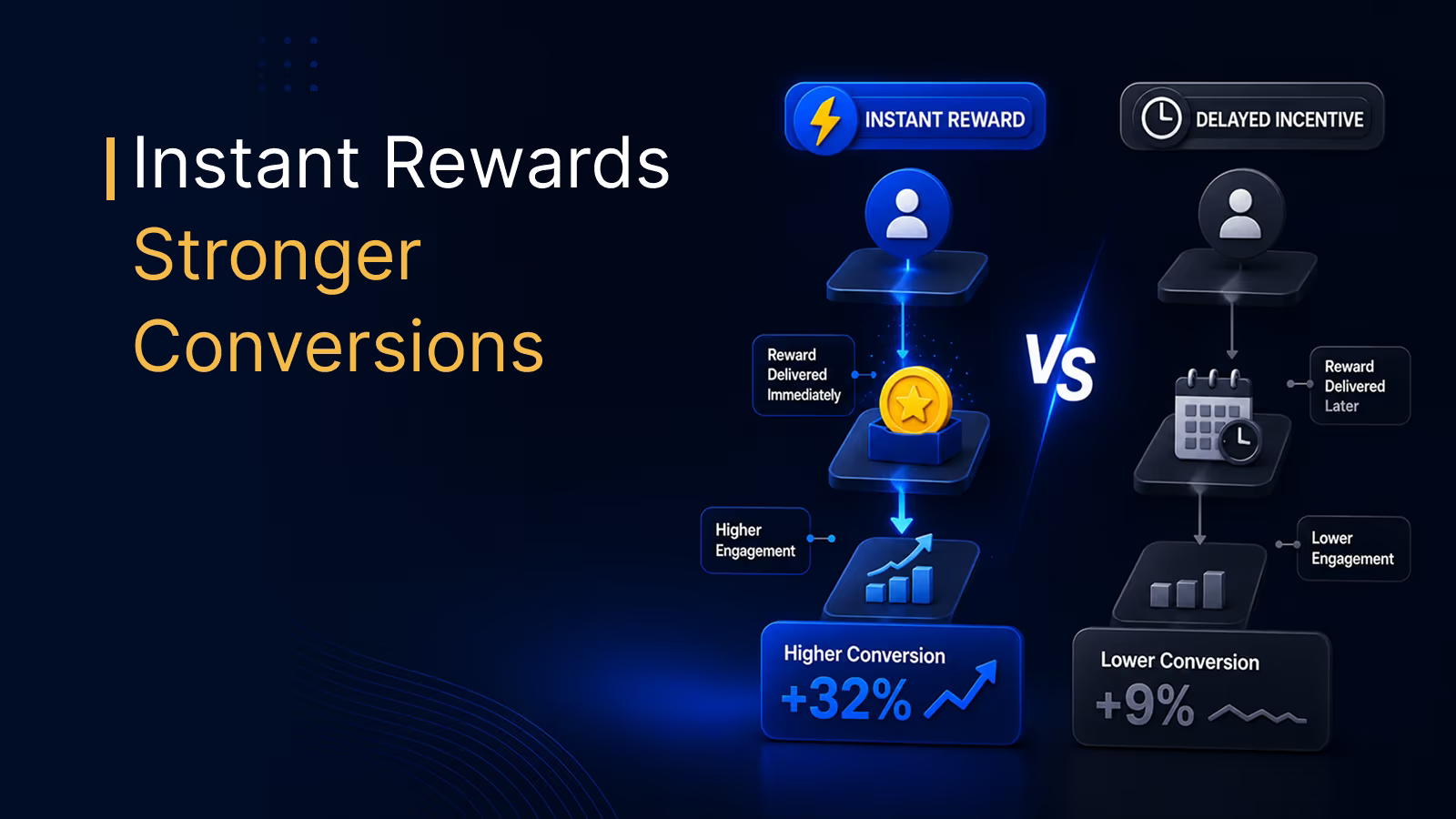
A SaaS company sends a 10-question research survey to churn-risk accounts and attaches a reward that arrives the moment the last answer is submitted. A reward that shows up a week later reads as a thank-you, not an exchange. See survey incentive ideas that boost participation for tactics.
- Reaches users who never answer email
- Anonymous rewards protect survey privacy
- Reward must arrive within minutes to feel connected to the effort
5. Public reviews and ratings
Trigger: Validated public review. Reviews are slow to build. Happy customers are rarely asked at the right moment, so volume on third-party sites compounds slowly. An in-product prompt after a success event, paired with a reward for a verified review, speeds it up.
After a customer's first successful report export, the app invites a review and sends a thank-you reward once the review is validated. Rewarding a verified review, never a positive one, keeps the program within platform guidelines.
- Prompt lands right after a success moment
- Rewards verified reviews, not sentiment
- Each review site has its own incentive policy, so disclosure rules need checking before launch
6. First use of a sticky feature
Trigger: First completed use. Some features predict retention better than anything else: a saved integration, an automation rule, a recurring payment. Find yours, then reward the first completed use so users reach the feature that keeps them.
A finance app finds that users who set up a recurring transfer rarely churn. It rewards the first recurring transfer that actually runs, not the one that is merely scheduled.
- Rewards the outcome that drives retention
- Easy to measure against a feature adoption baseline
- Reward the result of the feature, not a click on it, or the metric inflates
7. Deposits and spend milestones
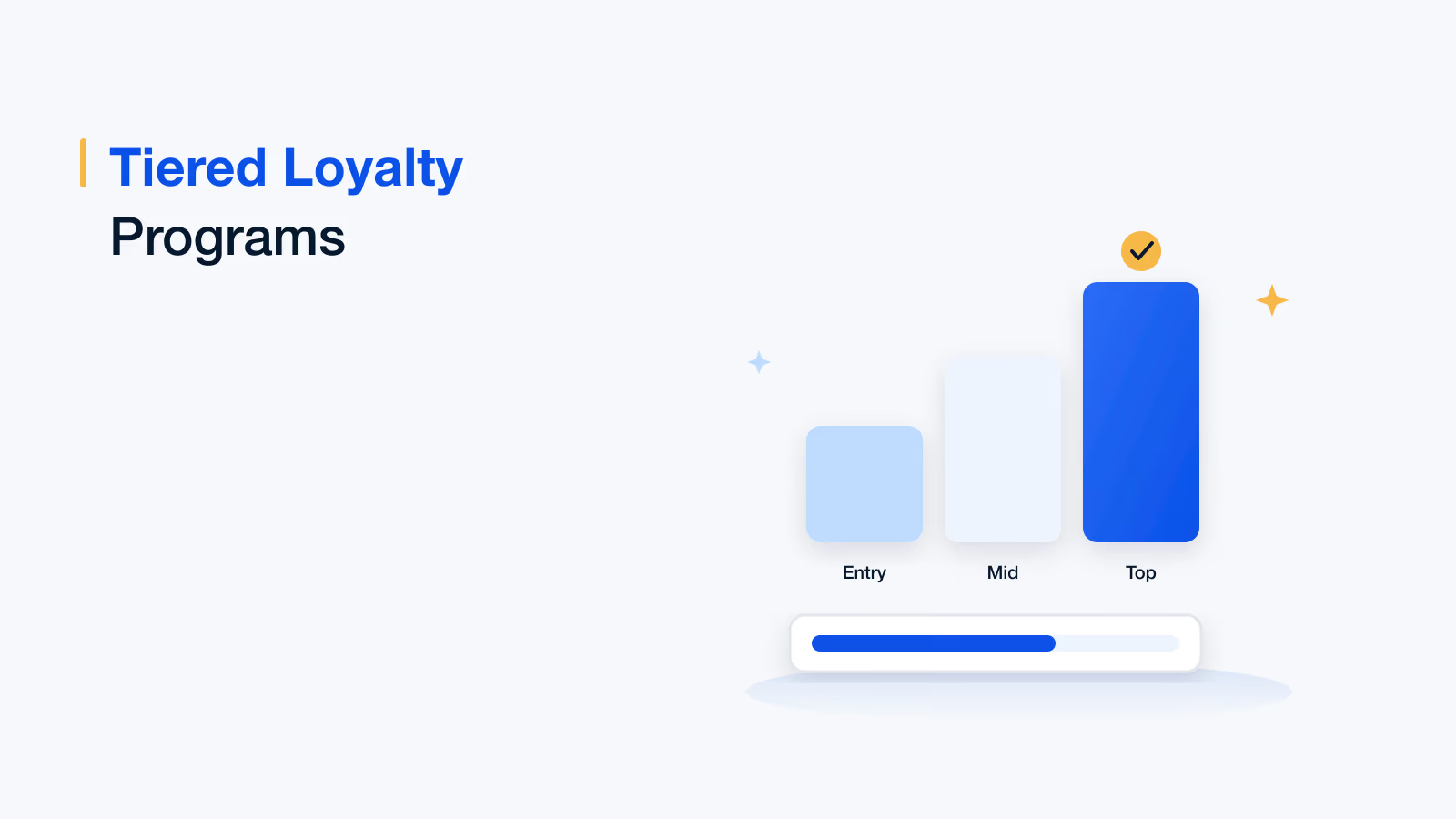
Trigger: Deposit or spend threshold. Fintech retention depends on money moving. A tiered reward for a first deposit, a tenth transaction or a monthly spend threshold teaches users the habit of coming back.
A card app steps users through three milestones in 60 days. Each reward is larger than the last, and the final one is a choice from a wide catalog, so the user feels progress, not a flat bonus.
- Builds habit through visible progress
- Larger final reward keeps users past day 30
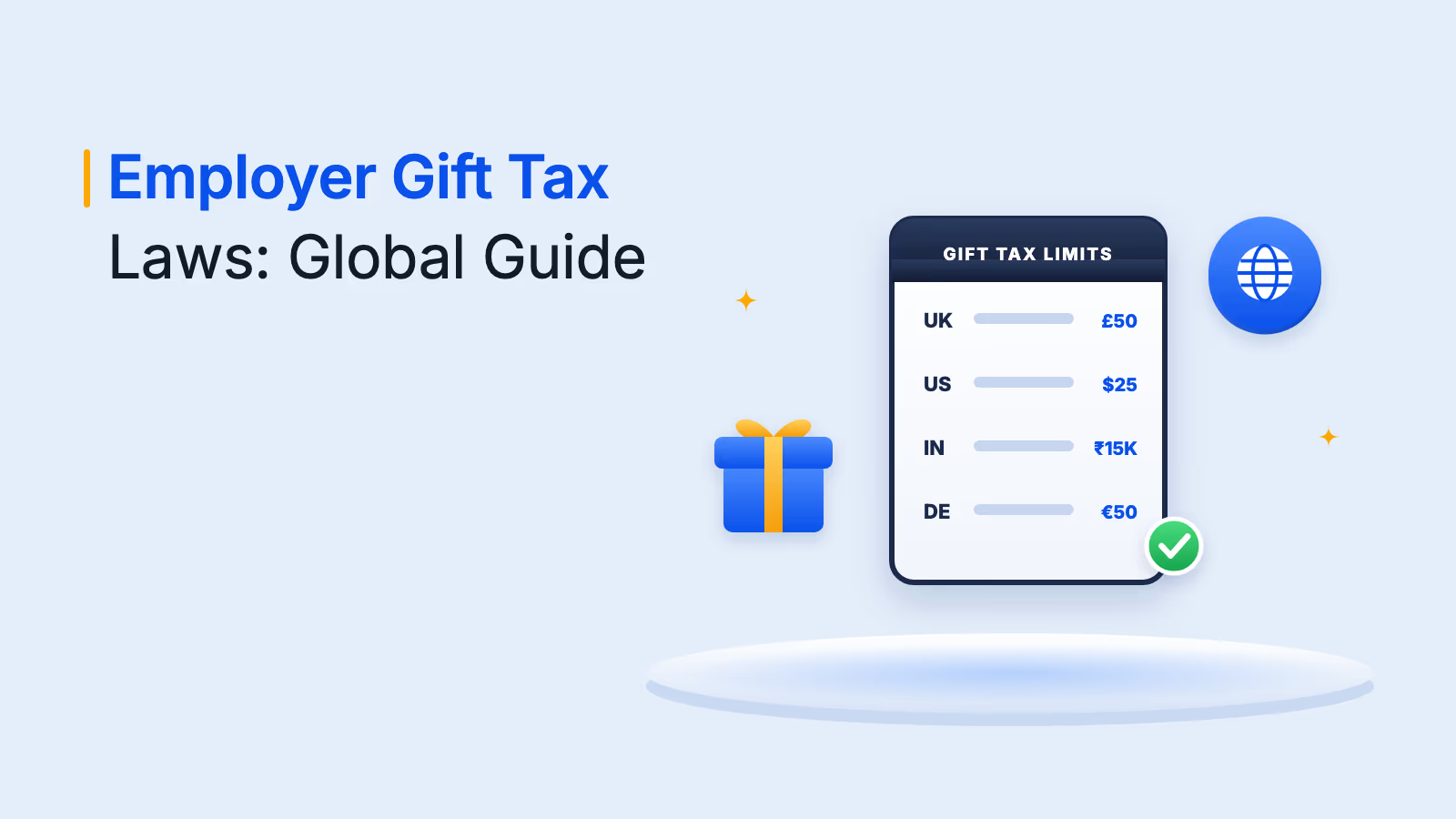
- Tax and regulatory limits on reward value vary by country
8. Refunds and goodwill credits
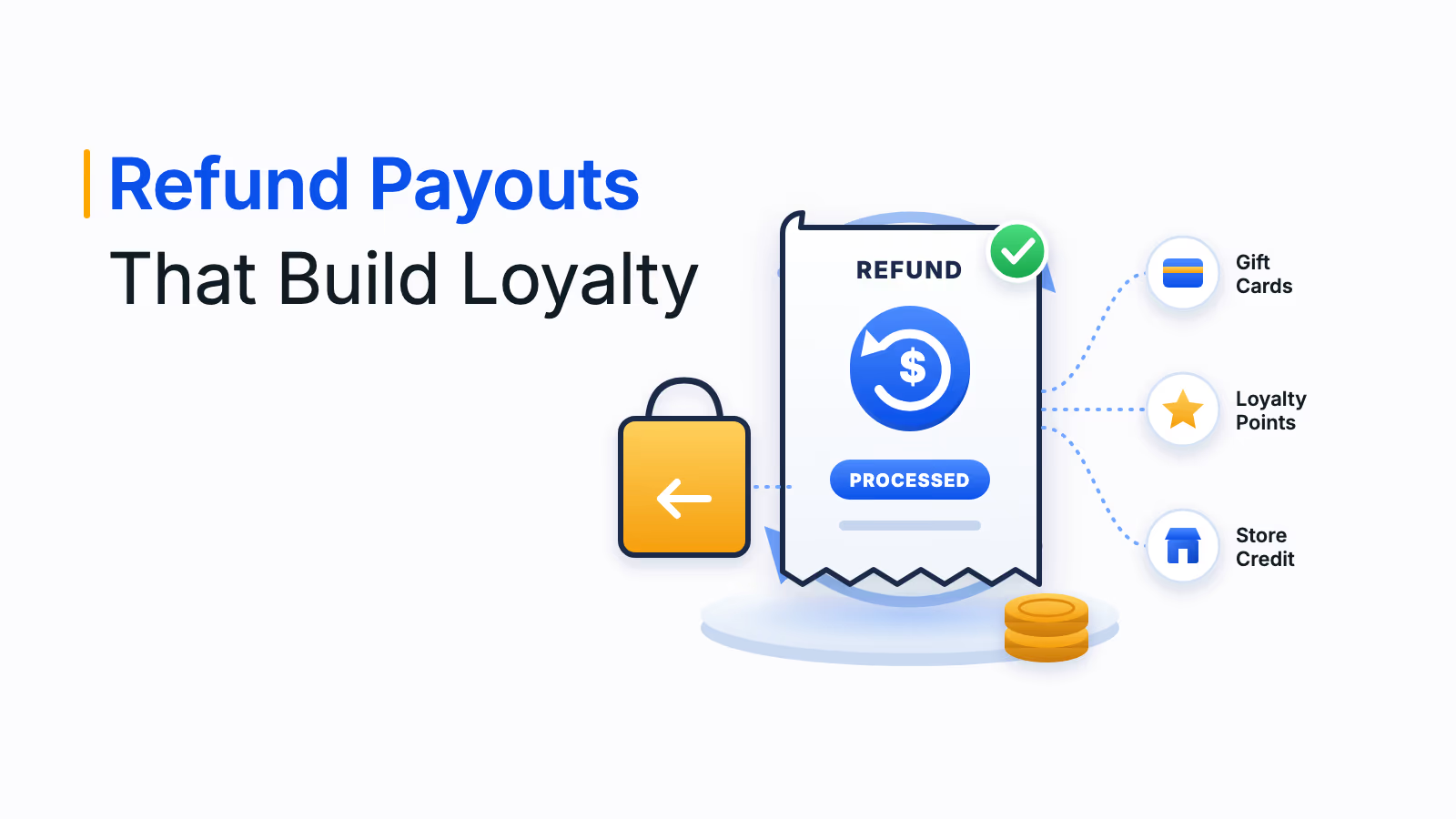
Trigger: Refund approved. A refund is a moment of truth. Paying it back to the original method only is the safest path for finance, but it is slow and offers the customer nothing. Letting the recipient pick between bank transfer, wallet credit or a gift card makes the same payout feel faster and fairer.
A subscription product cancels a duplicate charge and sends the customer a link to choose how to receive the money, plus a small goodwill reward. More on the mechanics in how refund payouts work.
- Cuts where-is-my-refund tickets
- Recipient picks the method that suits them
- Finance needs every refund mapped back to an order and a ledger entry
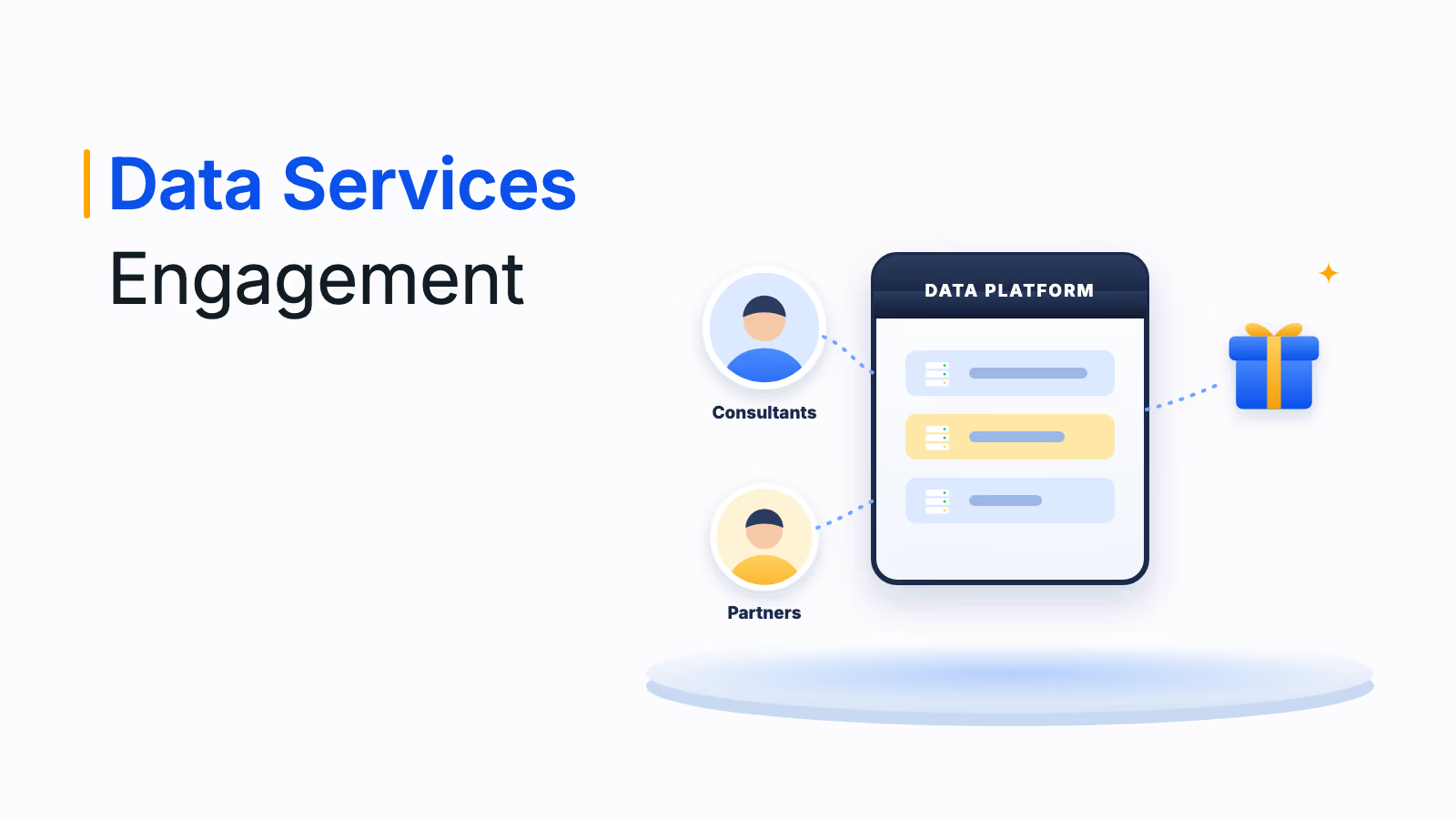
9. Partner and affiliate payouts
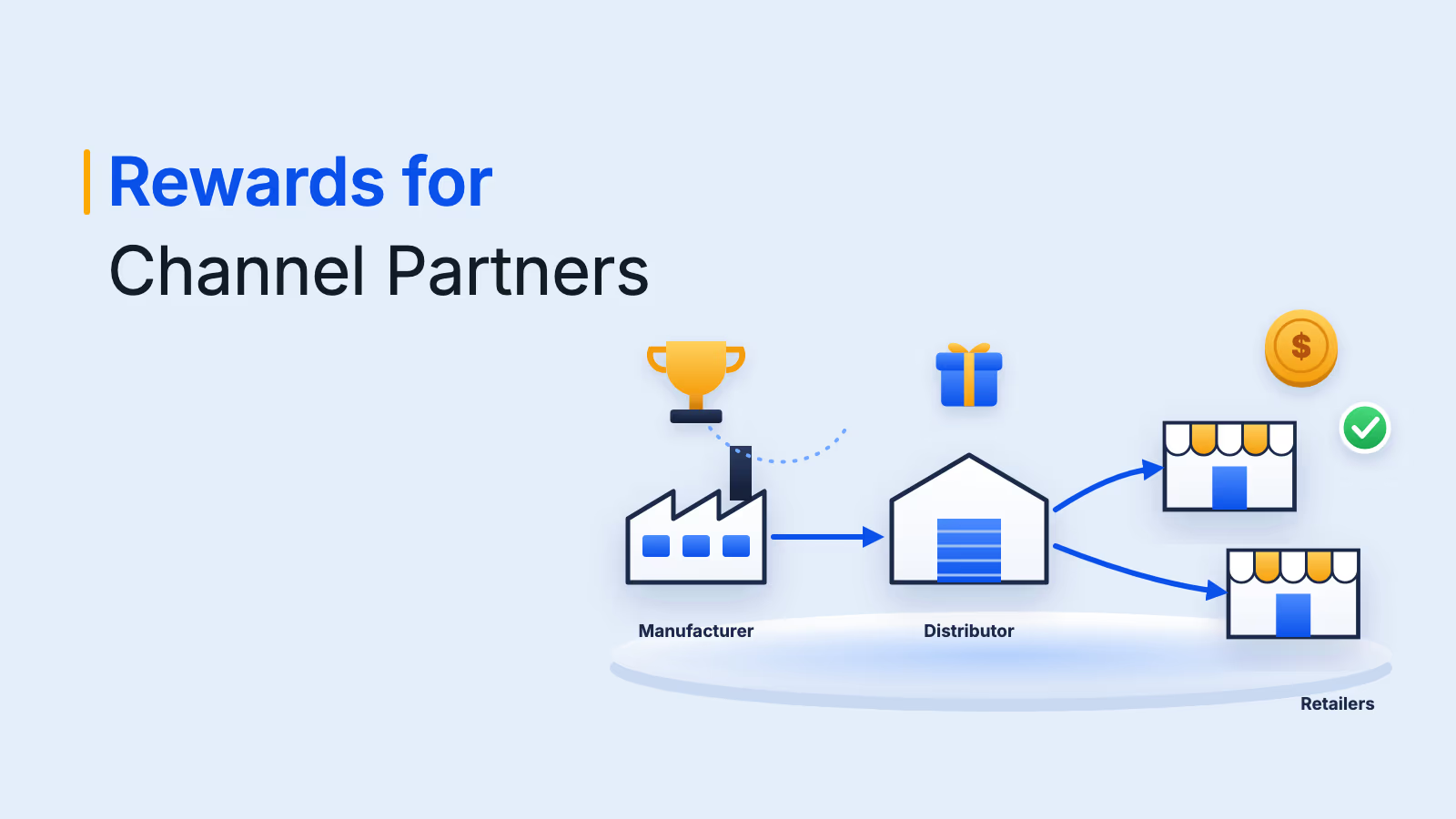
Trigger: Cleared sale or commission. Platforms with resellers, affiliates or creators often pay commissions by bank wire once a month, with a finance team chasing tax forms. Moving payouts into the partner portal gives partners a live view of what they have earned and when it arrives. Partners notice.
A SaaS marketplace pays affiliate commissions on a cleared sale, collects the required tax form at first payout, and lets each affiliate choose a local payout method.
- Partners see earnings and payout timing in real time
- Tax form collection happens before the first payment
- Tax form rules (such as W-9 and 1099 in the US) must be set up before launch
10. Win-back and renewals
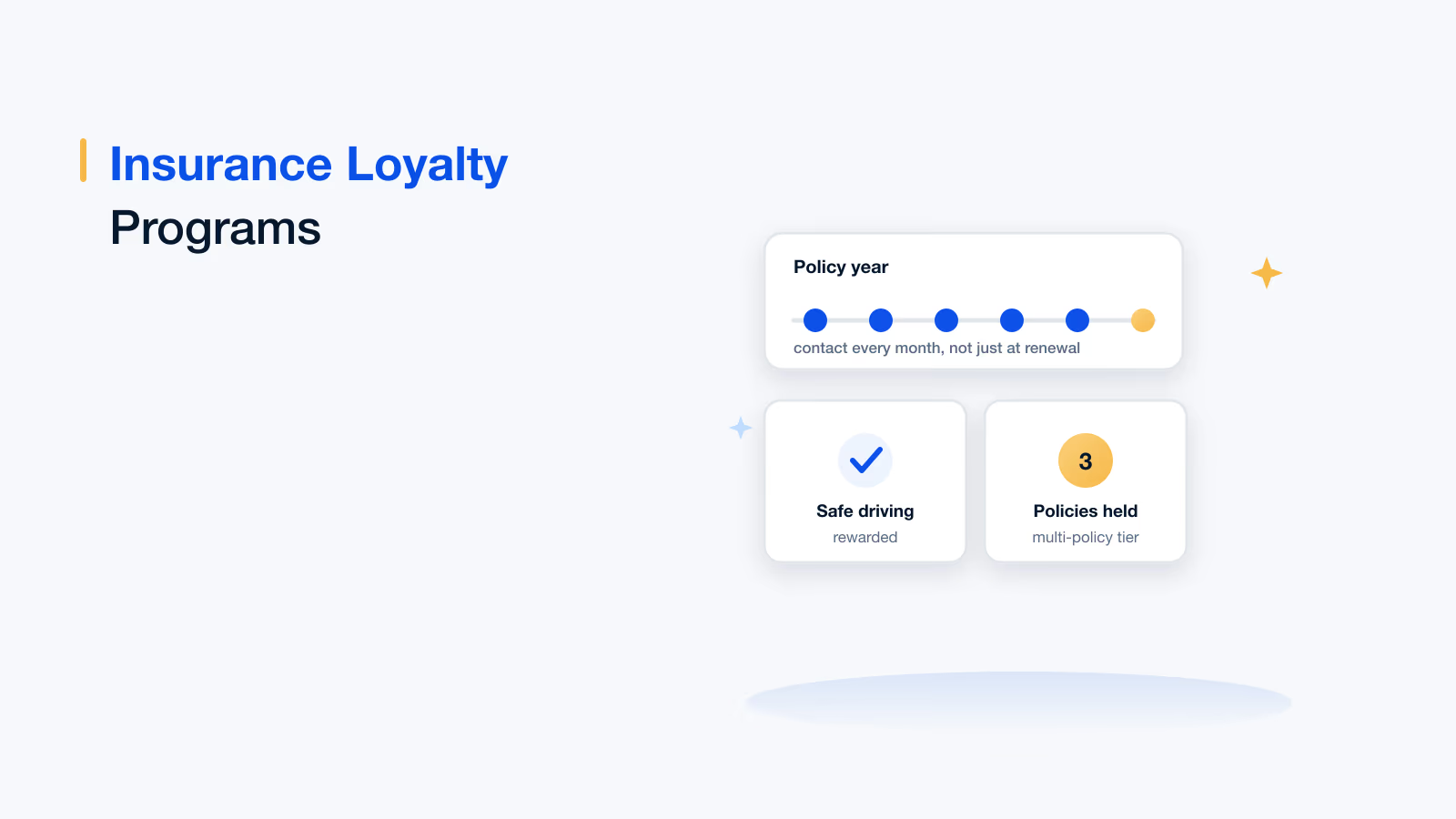
Trigger: Return or review completed. Reactivation offers are usually discounts. Discounts cost margin forever. A one-time reward tied to a specific return action costs less and is easier to measure.
A user has not logged in for 45 days, so the app offers a reward when they reconnect an account. An account due for renewal gets a reward for completing a short success review before the renewal date. See automated renewal incentives for the renewal pattern.
- Costs less than a permanent discount
- Ties spend to a measurable return action
- Cap the offer per user so loyal users do not learn to wait for it
What to Ask Before You Launch Your First Reward
Start with one use case, not ten. These four questions narrow the choice quickly.
- Which step loses the most users today? Reward the point of highest drop-off first, not the one that is easiest to build.
- Can the trigger be verified? A reward on a webhook you trust is safe. A reward on a self-reported action needs fraud controls.
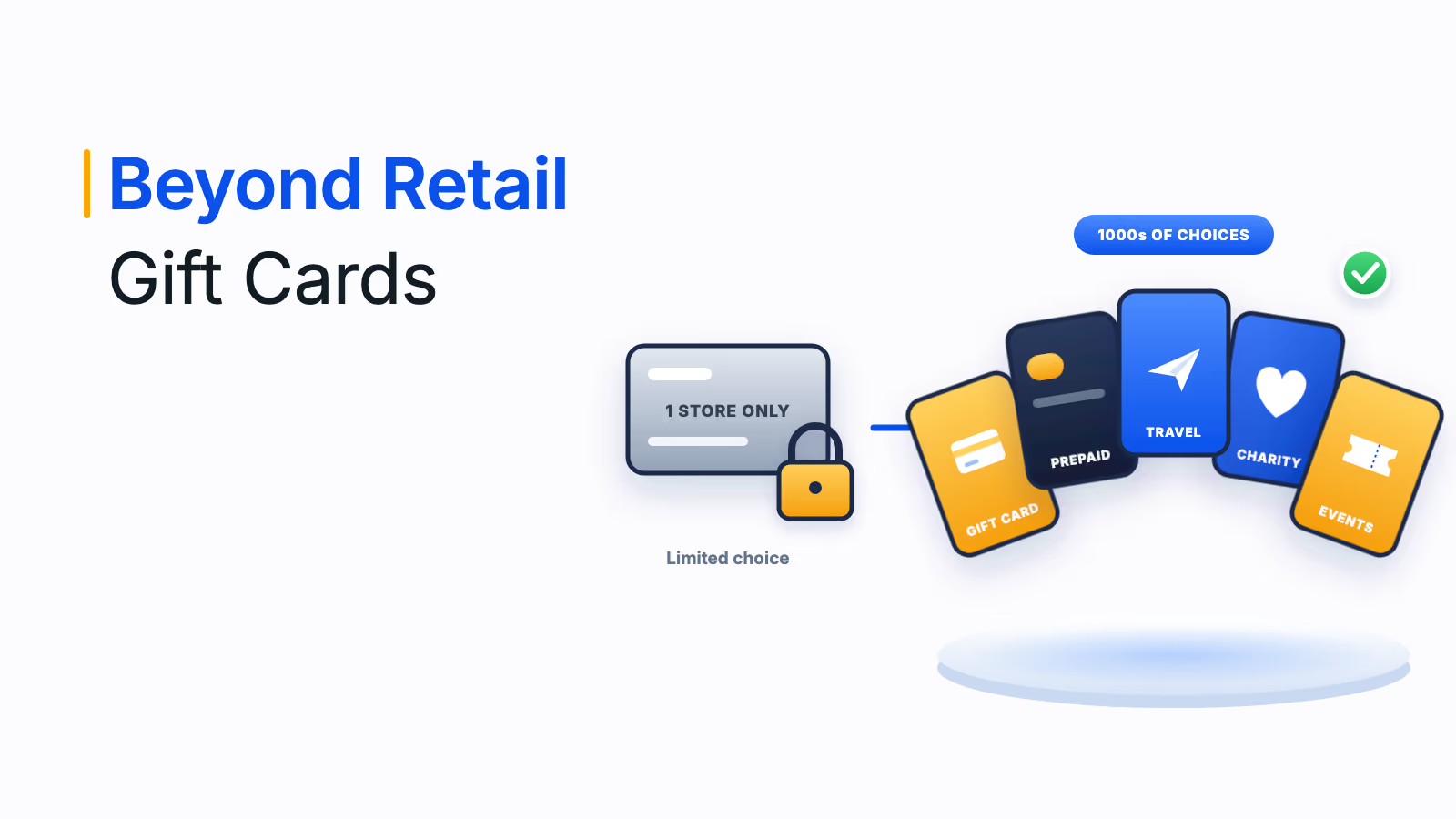
- Who are the recipients and where? A catalog that works in one country fails the moment the product expands. Check local reward options and payout rails in each market.
- Who owns the budget and the audit trail? Reward spend needs caps, approvals and logs before volume grows, not after.
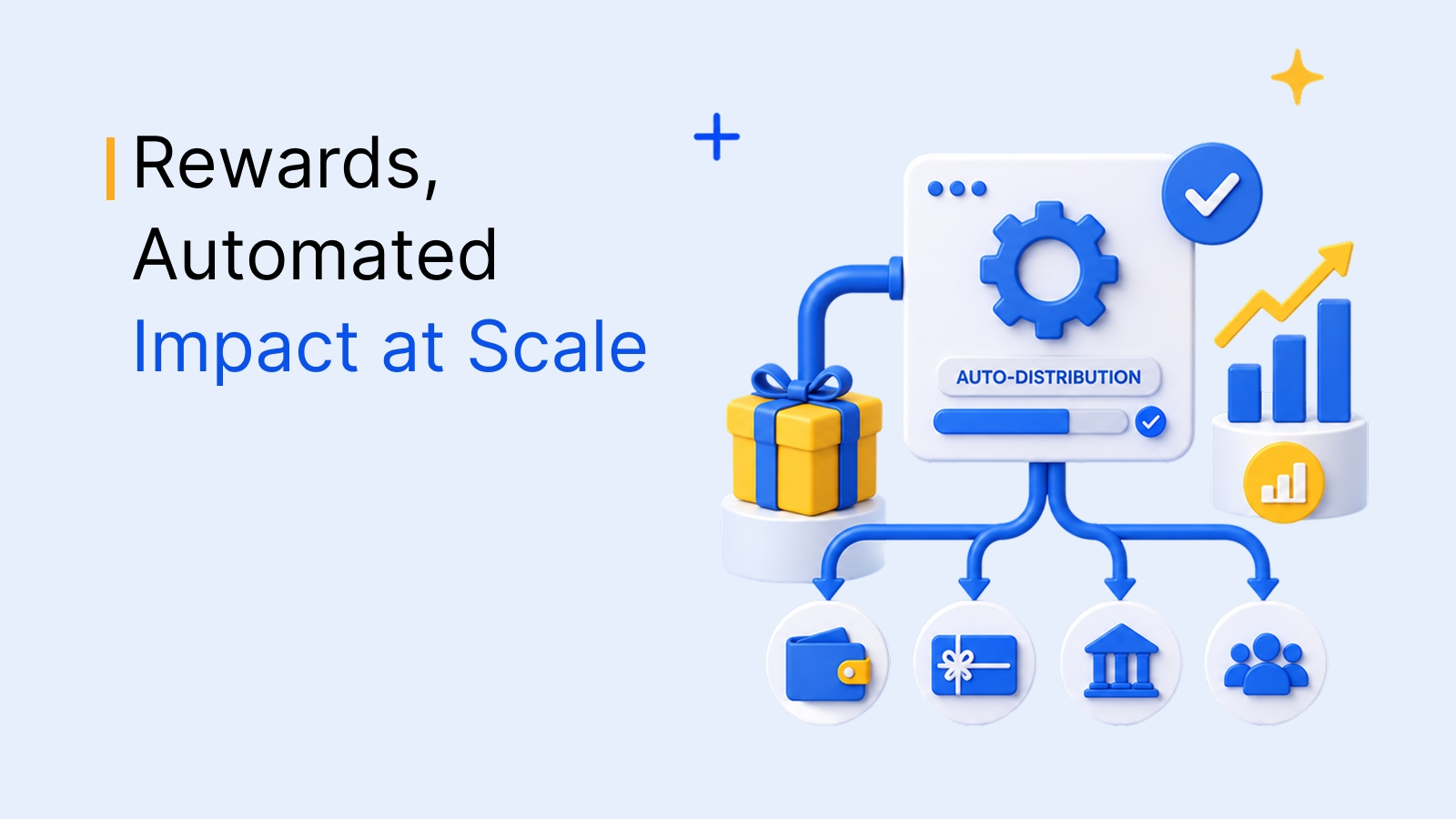
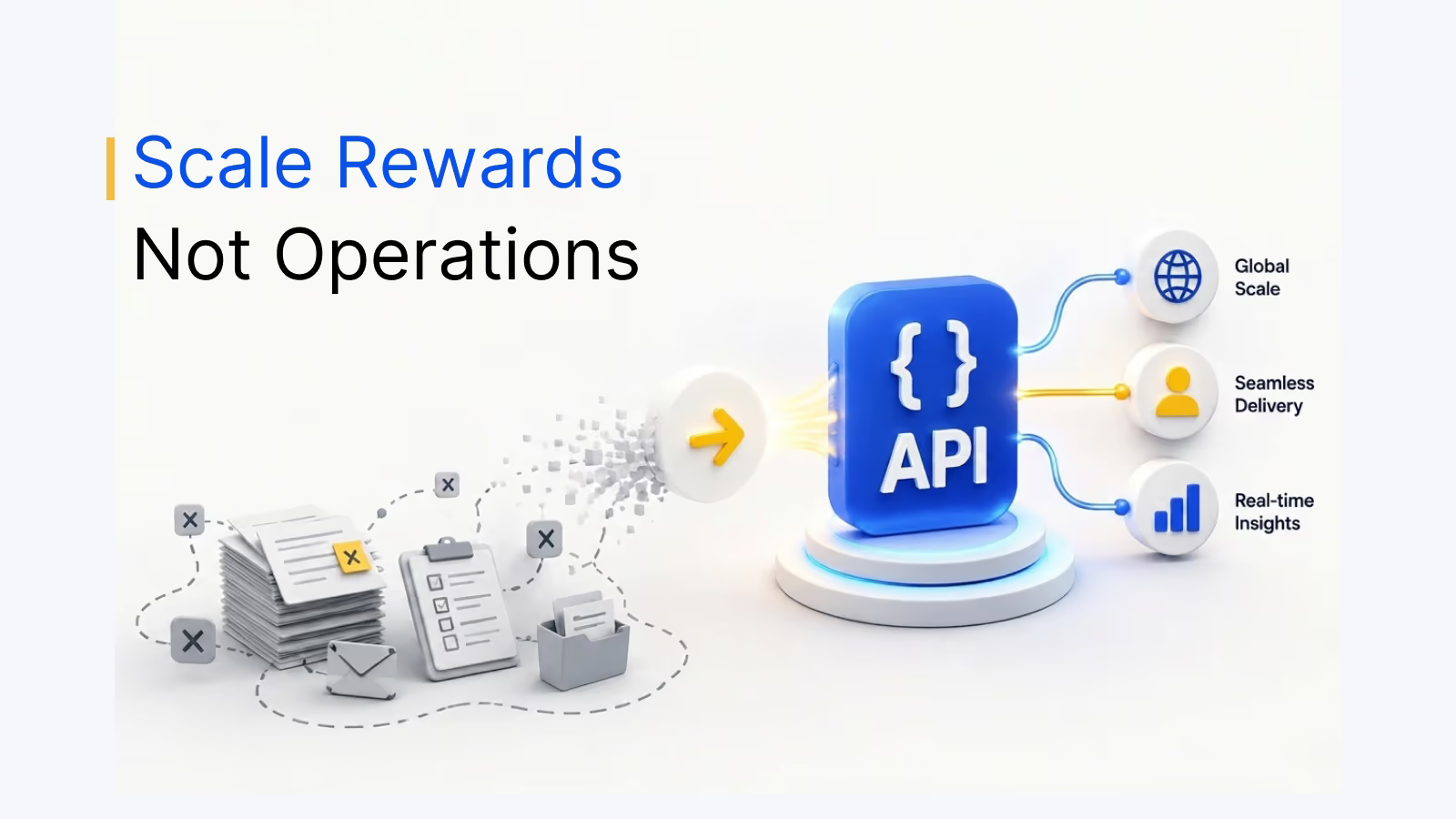
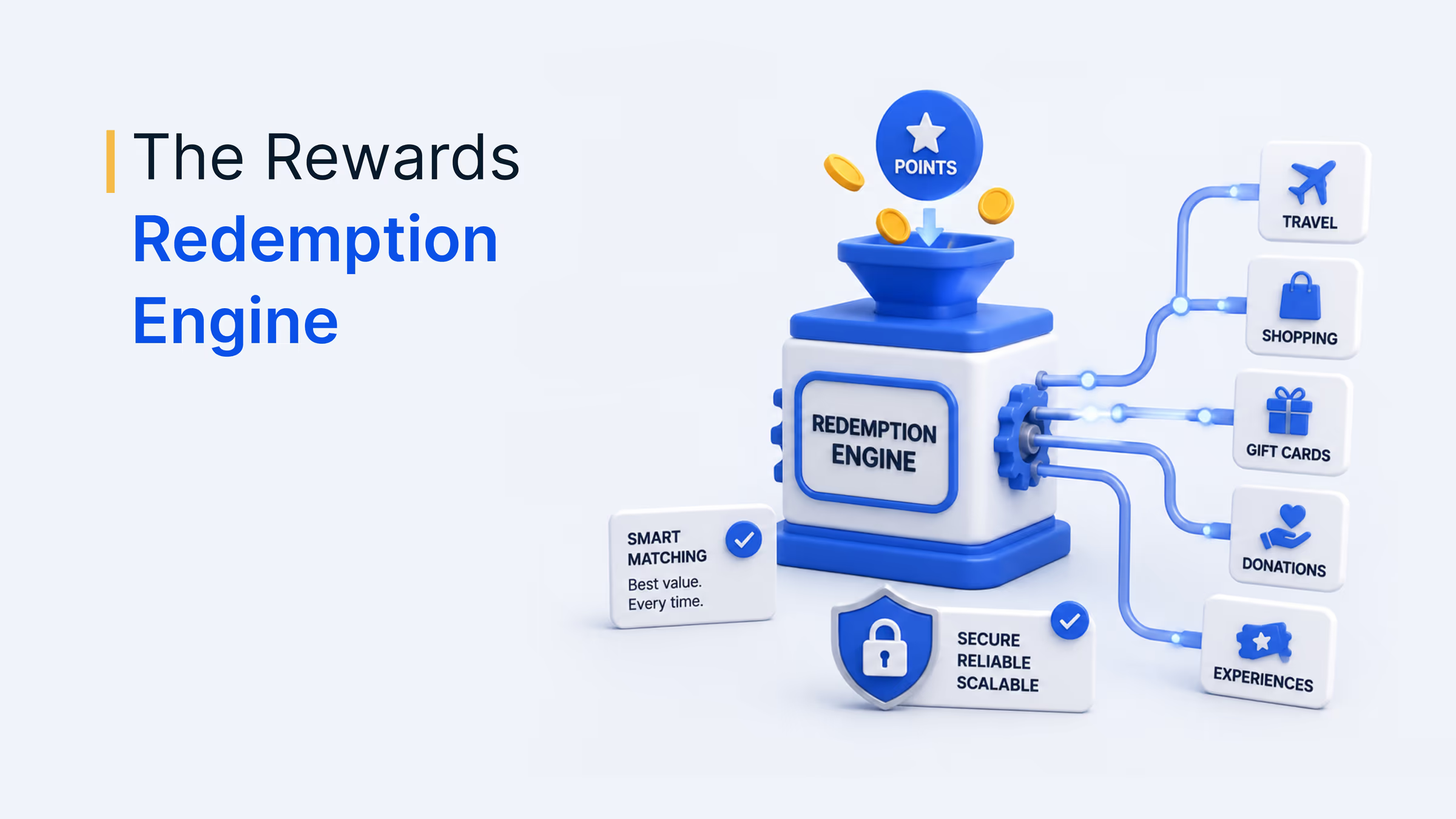
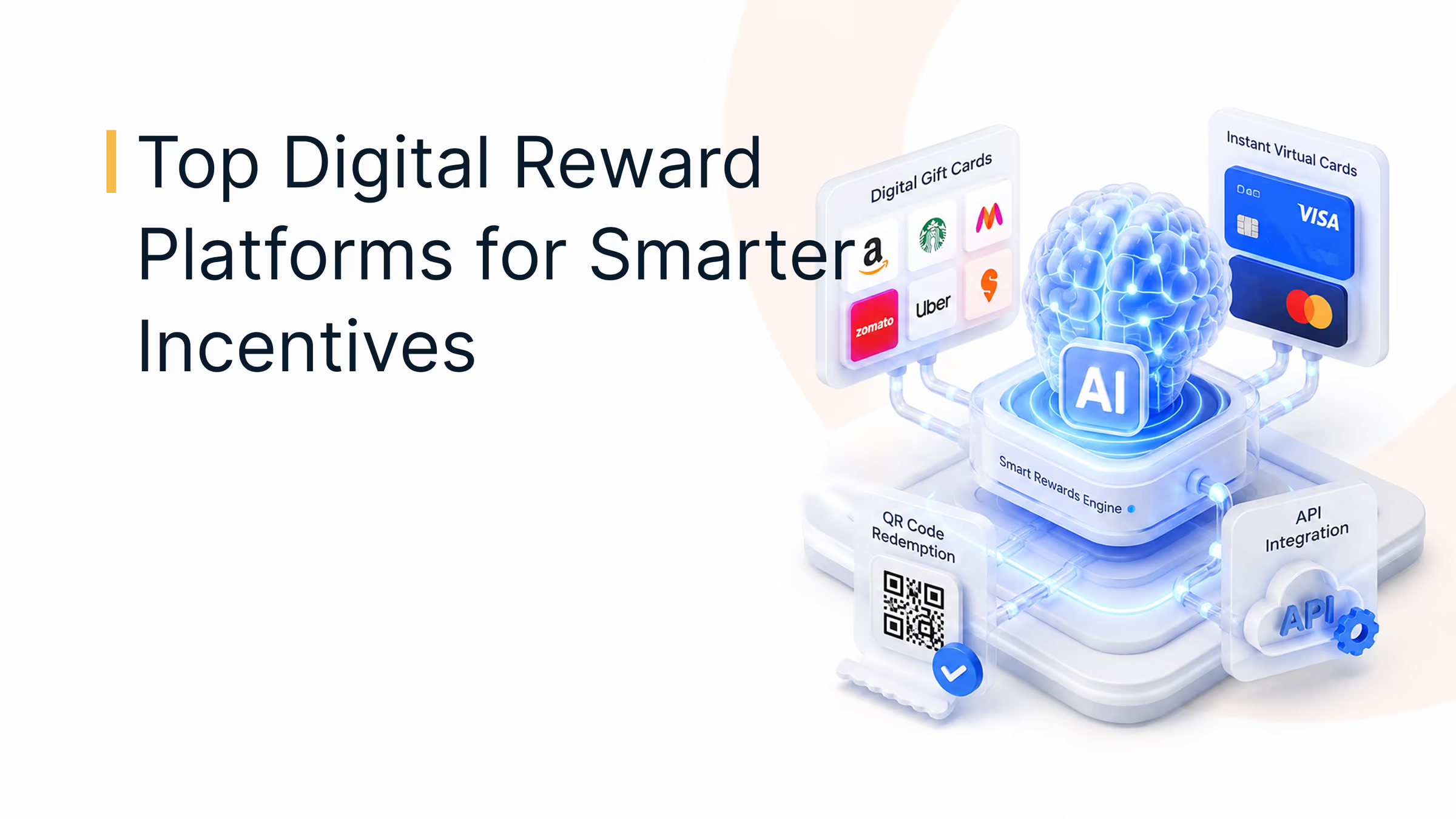
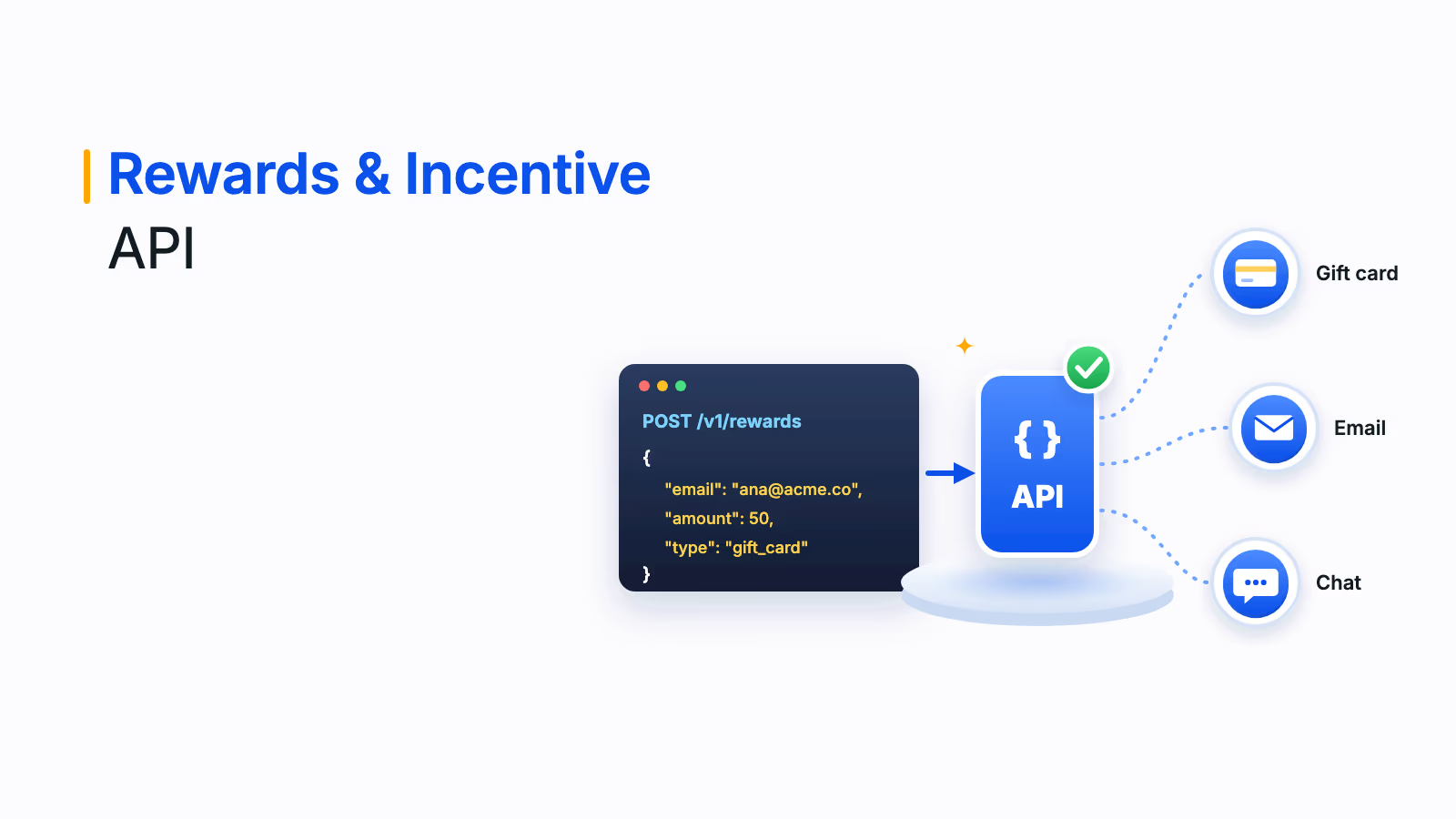
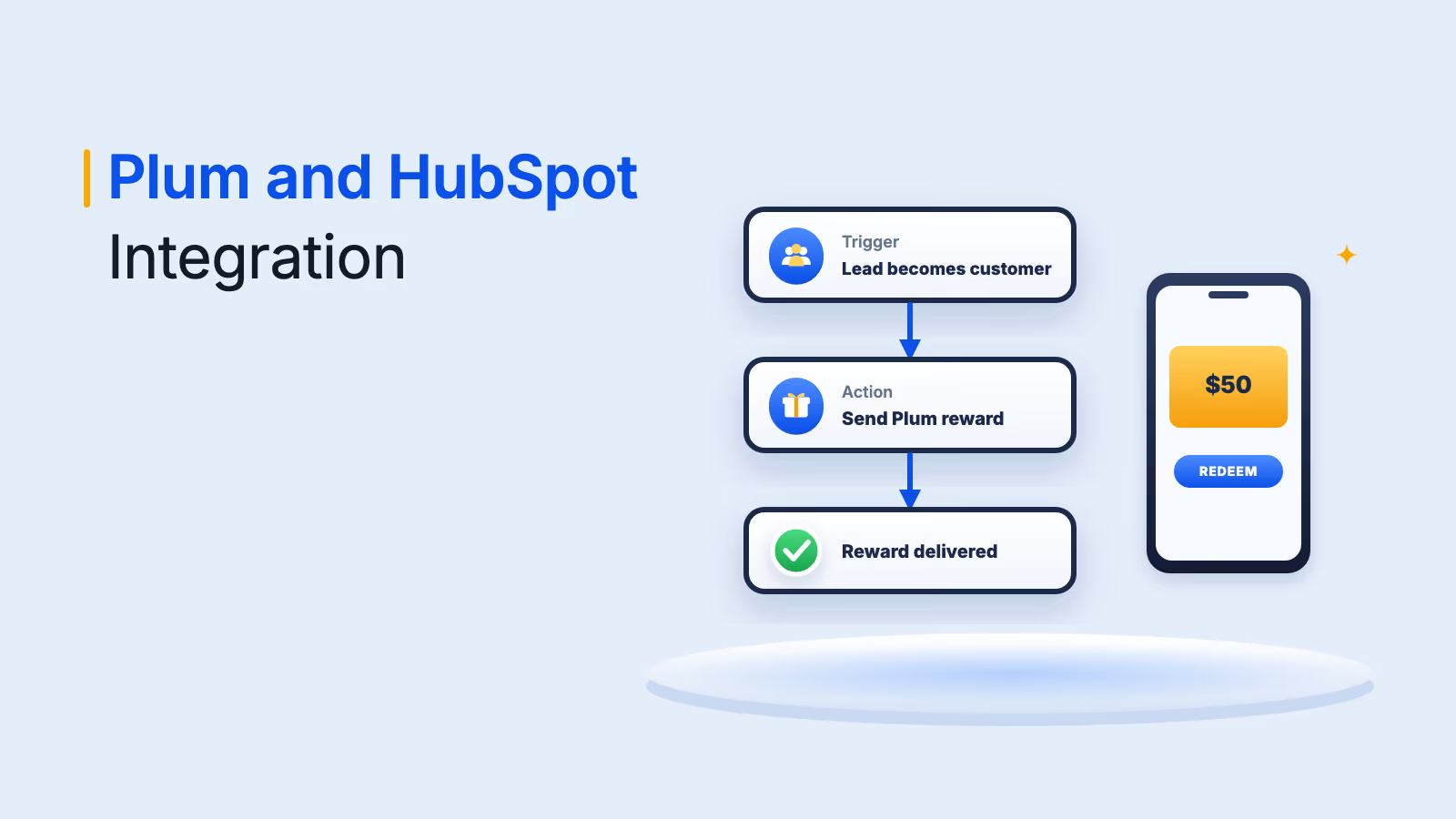
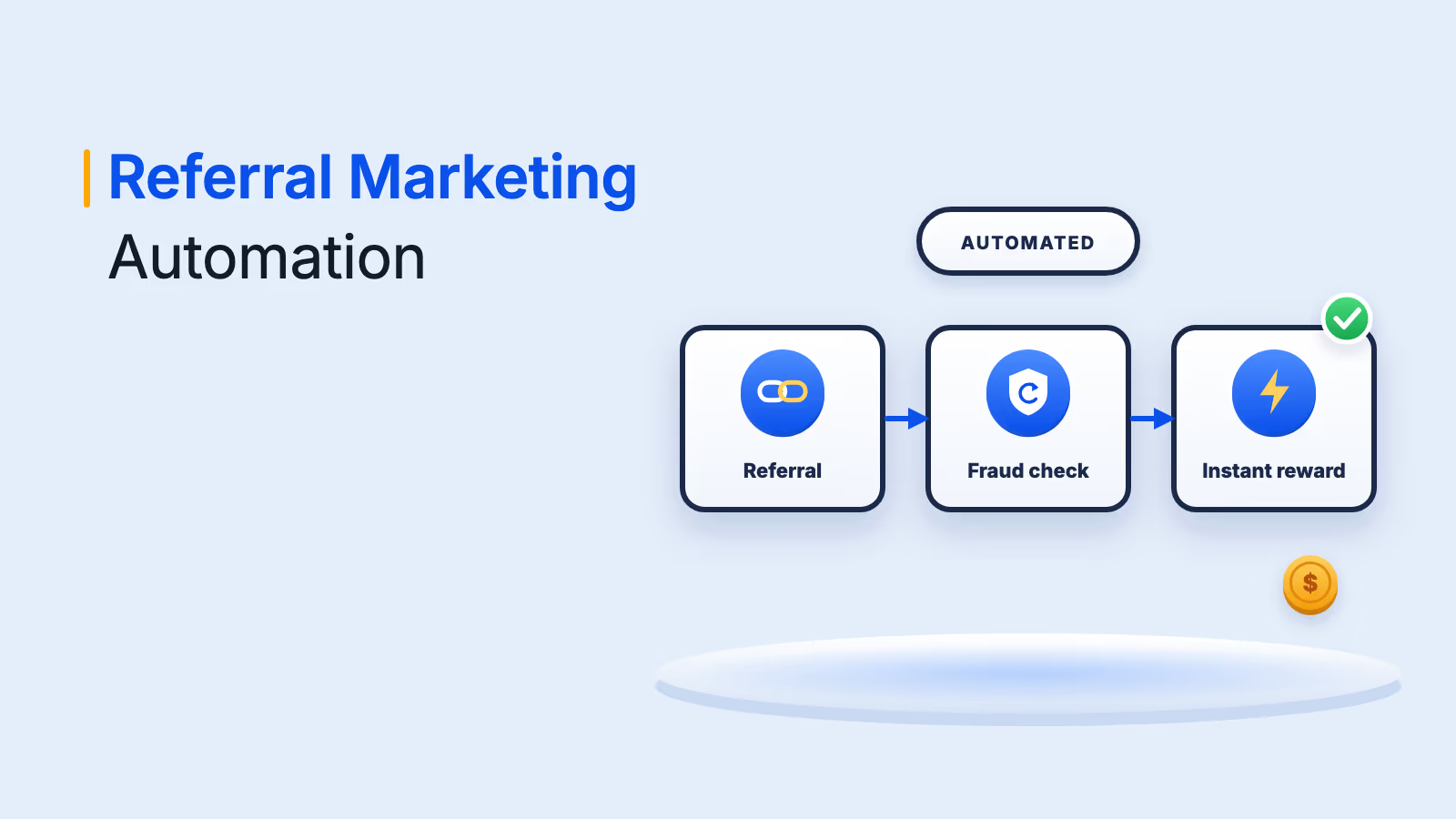
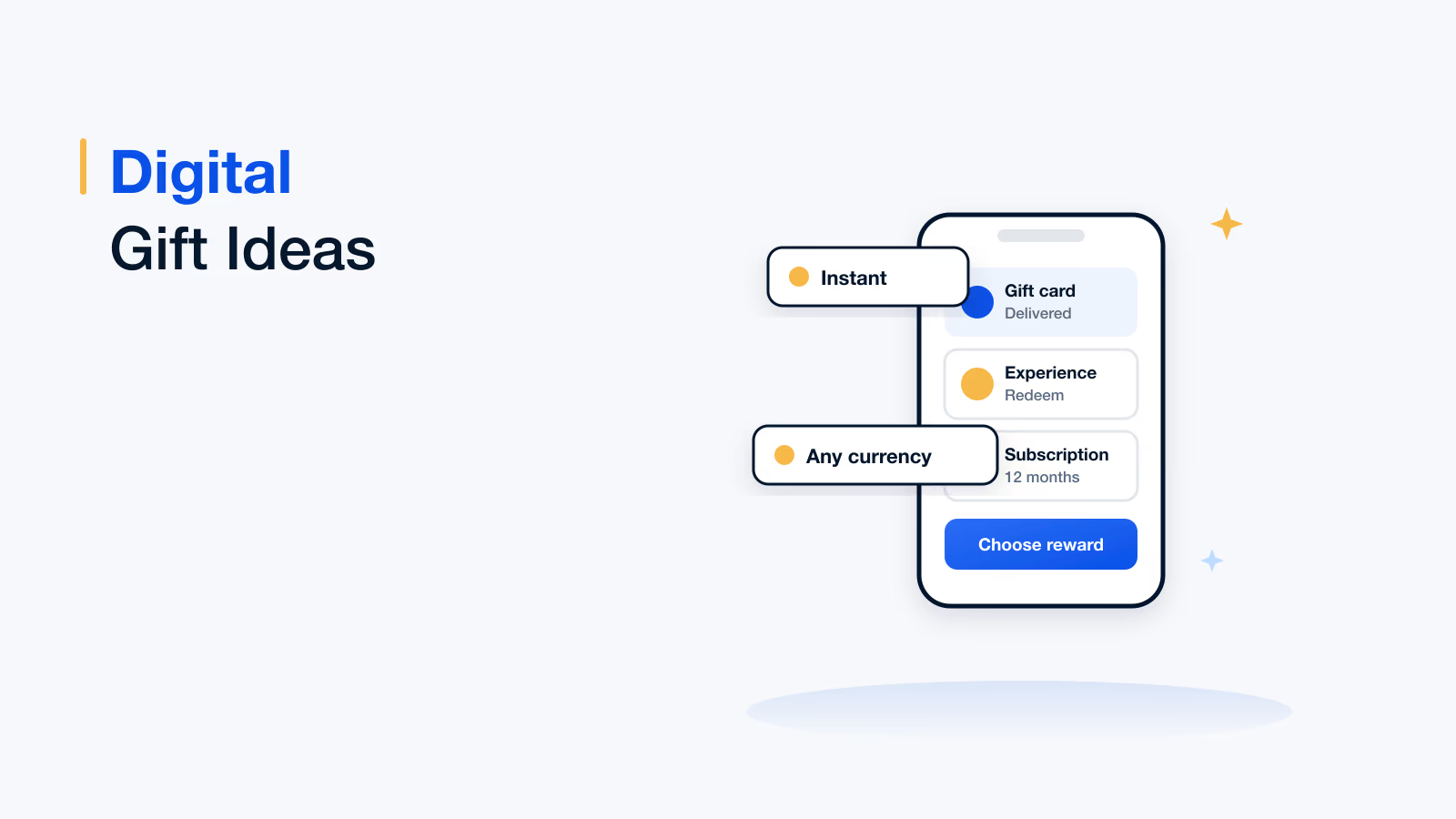
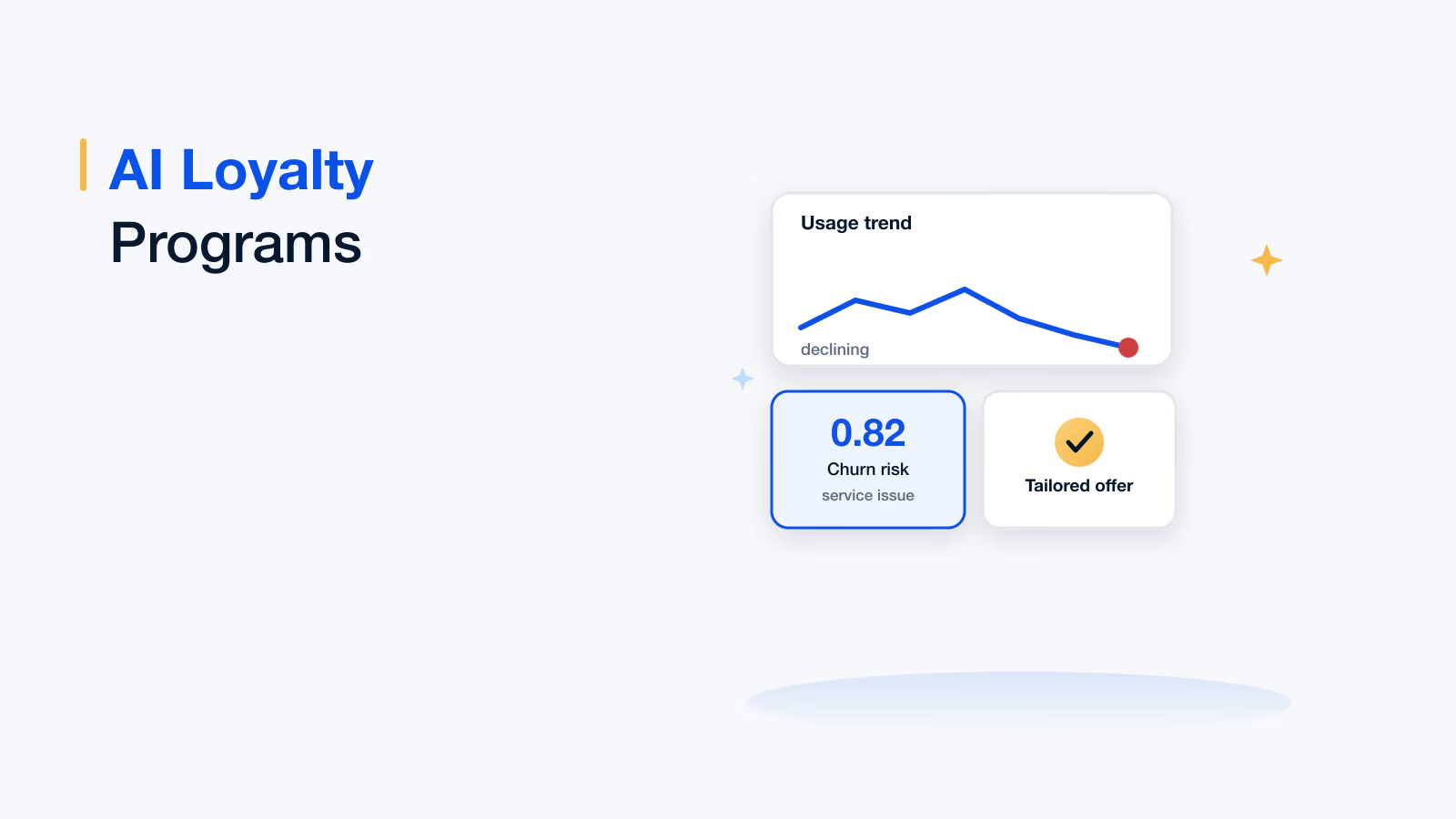
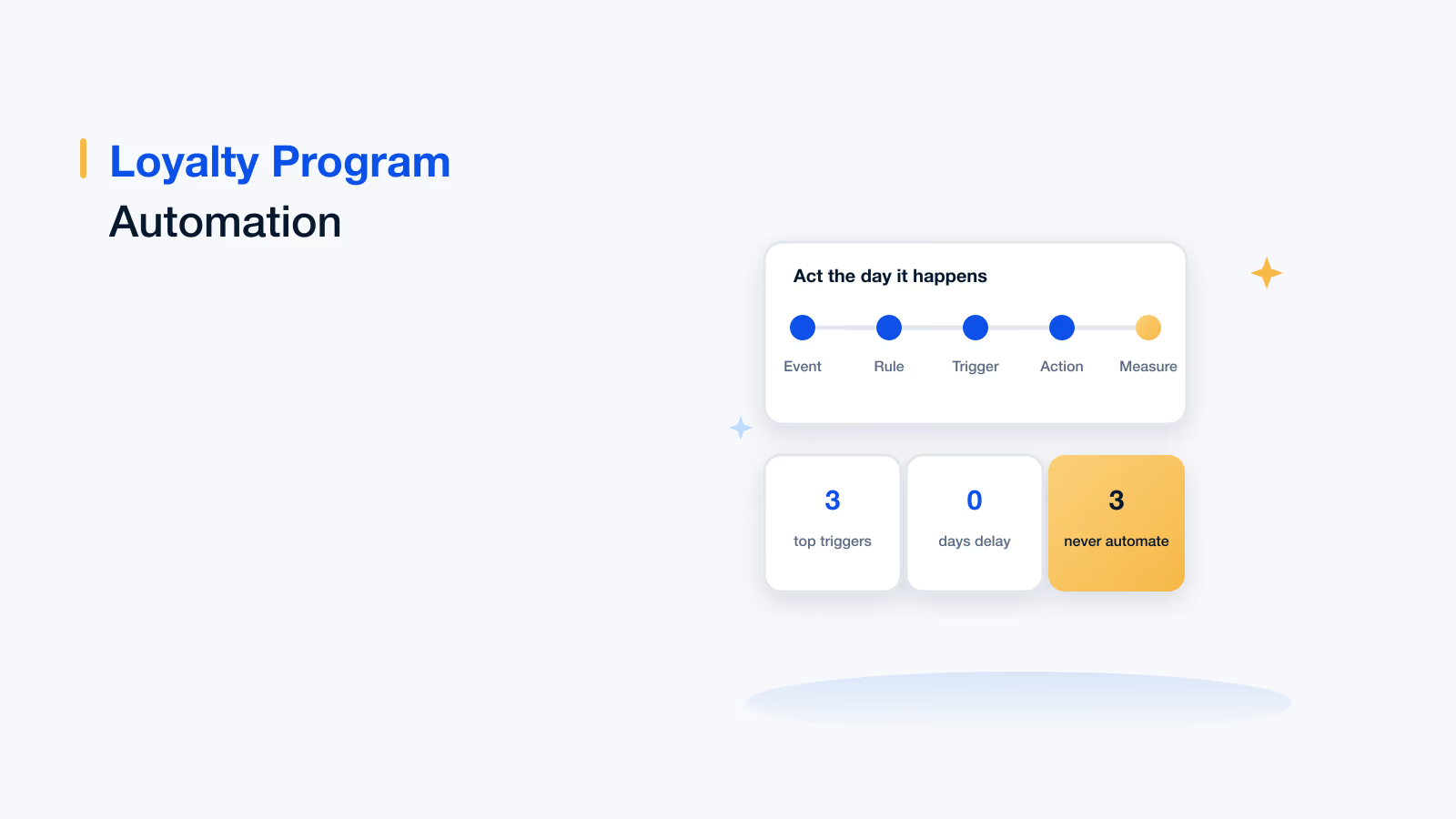
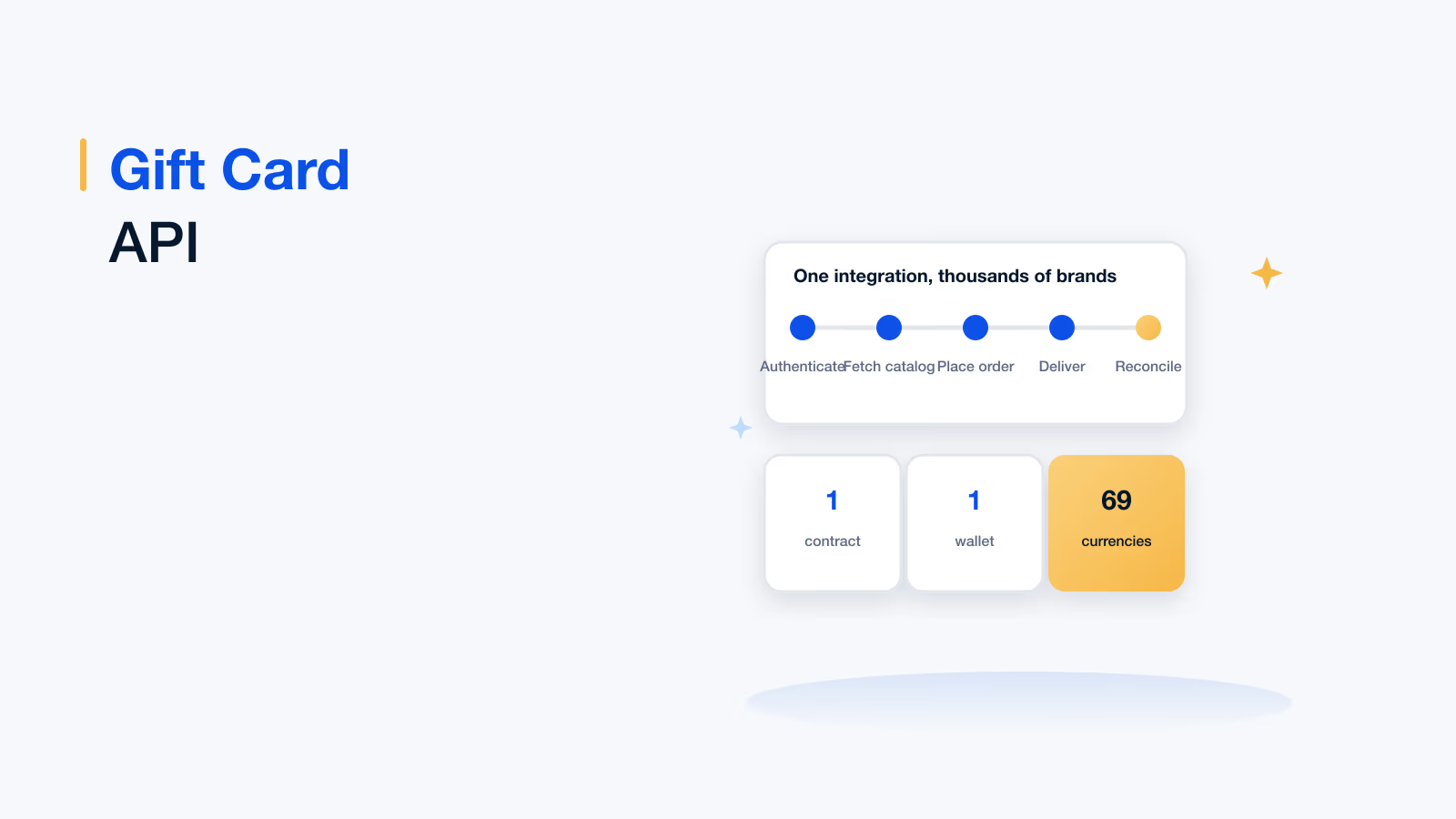
Behind every use case sits the same flow: your product sends an event to a rewards API, the API checks eligibility and budget, then delivers a reward by email, SMS, WhatsApp or in-app message. The trigger is the easy part. Most of the engineering effort goes into fraud checks, multi-currency settlement, catalog upkeep and tax compliance. Read how a rewards API works and the guide to embedding rewards directly into your product before you decide between building and partnering.
Which In-Product Reward Should You Start With?
Fintechs should start with KYC and account verification or deposit milestones, since those steps decide whether a new user ever transacts. SaaS teams should start with an onboarding milestone or a verified referral. Teams that pay out money, such as refunds or partner commissions, should look at recipient-choice payouts first.
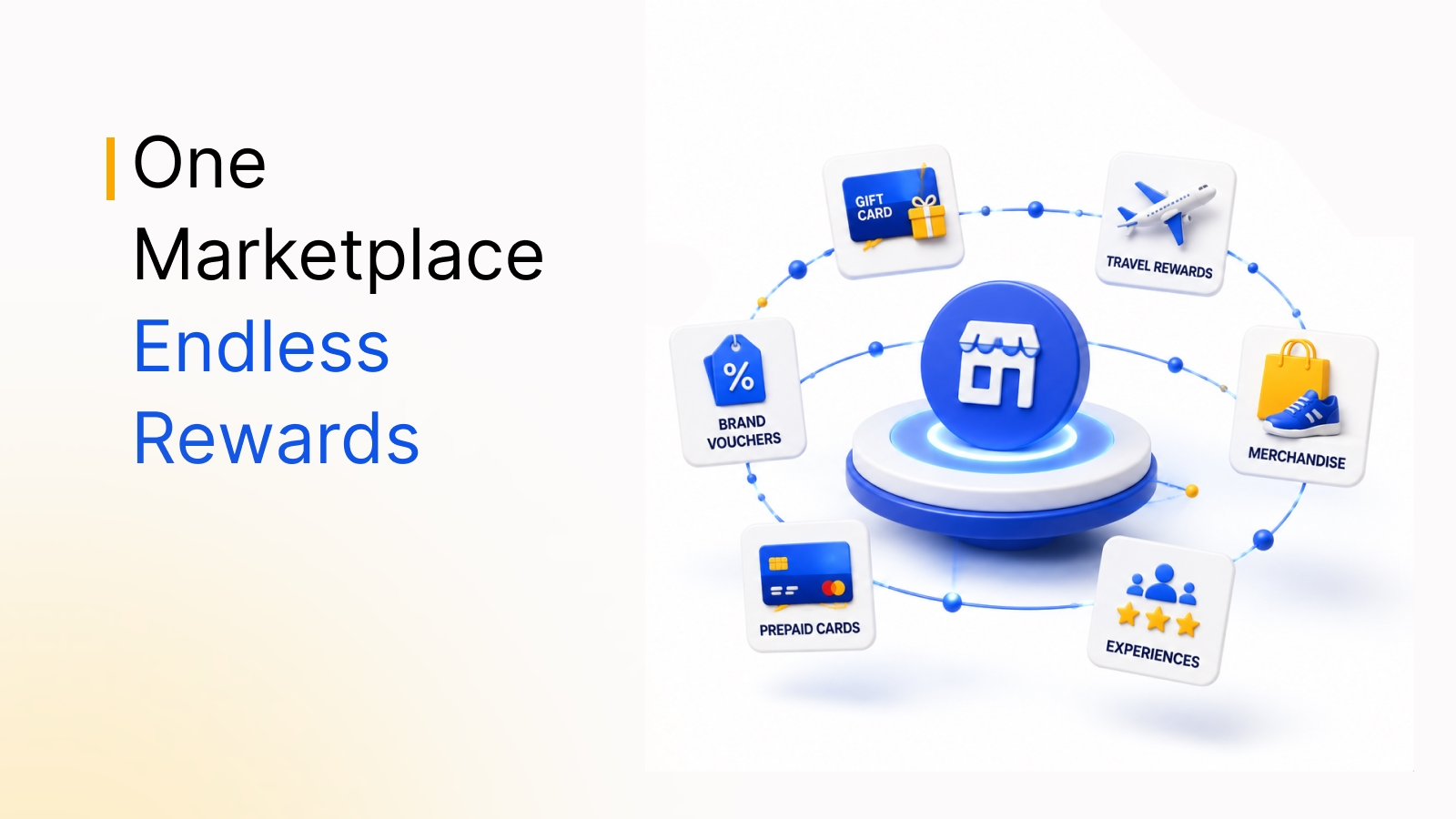
Xoxoday Plum runs these use cases from one platform, with 10M+ rewards options across 150+ countries, bulk issuance of up to 10,000 recipients and W-9 and 1099 handling before disbursement. Book a free 30-min demo or see Plum's rewards fulfillment capabilities.
Book your Plum demo
Frequently asked questions
It means a reward is triggered by an event in your app, such as finishing KYC or inviting a teammate, and delivered to the user without a separate loyalty program or sign-up. The reward is part of the workflow, not a campaign that runs beside it.
Start with the step where the most users drop off and the trigger can be verified, which for most fintechs is KYC completion and for most SaaS teams is a hard onboarding milestone. Pilot that one use case for four weeks before adding another.
Pay only after a verified event, such as an approved KYC check or a referred user's first transaction. Add duplicate and self-referral detection, per-user limits and redemption thresholds, and keep an audit log of every reward.
Yes, once reward value passes certain thresholds. In the US that can mean collecting W-9 forms and issuing 1099s, and other countries have their own rules. A rewards platform such as Plum handles tax form collection before disbursement so your team does not have to.
A pilot can start from a dashboard or bulk upload in days, and an API integration typically takes a small development team one to four weeks, depending on how complex the trigger and eligibility logic is.