A site coordinator in a Phase III diabetes study spends Friday afternoon chasing a $75 visit stipend. The participant drove 90 minutes to get there, and her card was never loaded. She has now missed her second visit.
Most trial teams treat payments as admin until a participant stops showing up. By then the cost is a replacement patient, a protocol deviation to explain and a site that is tired of reconciling spreadsheets.
A payment tool has three jobs. It pays on time, it keeps a clean record for audit, and it lets participants take the money in a form they can use. Few tools do all three well for every study.
We compared 10 platforms for paying clinical trial participants and running pharma patient incentive programs, grouped by where each one sits in the trial stack. That way a team can match the tool to its study instead of forcing one platform onto every protocol.
Disclosure: Xoxoday publishes this guide and Plum is one of the 10. All are judged on the same criteria.
The Best Rewards Platforms for Clinical Trial Patient Incentives
- Xoxoday Plum for multi-country studies that want reward choice and API-triggered payouts
- Greenphire for established stipend programs that pair payments with travel support
- Nmible for teams that want embedded payouts through an API or white-label app
- Scout Clinical for sponsors that want payments and travel run as a managed service
- Medidata Patient Payments for studies already running on Medidata Rave EDC or eCOA
- IQVIA Clinical Trial Financial Suite for large sponsors that want participant and site payments together
- Sitero Mentor Participant Payments for studies already using the Mentor EDC and CTMS suite
- Mural Health for studies that want a participant app with many local payment options
- mdgroup for travel-heavy studies that need relocation and accommodation support
- Realtime-eClinical for site networks that already run RealTime-CTMS
What Makes a Patient Incentive Platform Worth Choosing?
Retention is the number that makes payment tooling matter. Participant dropout is rising, and every missed visit costs time and data.
19.1%
Average dropout
late-development studies in 2019
15.3%
Average dropout
same study type in 2012
14.3%
Sites with no enrollment
activated sites that enrolled no patients
Source: Tufts Center for the Study of Drug Development, as reported by the Association of Clinical Research Professionals, January 2020.
We judged every platform on five tests:
- Payout formats. Reloadable cards, wallets, bank transfers and gift cards suit different participants. Check how many formats one study can offer.
- Trial system triggers. A completed visit should start the payment without a coordinator exporting a list.
- Global reach. Look at the countries and currencies where your participants live, not the headline number.
- Compliance and tax paperwork. Tax forms, identity checks, audit trails and data privacy decide whether a program survives an audit.
- Travel and expense support. Reimbursing travel, meals and lodging is a different job from paying a flat stipend.
We weighted trial system triggers and compliance most, because late payments and manual reconciliation are where programs lose participants and time. FDA guidance says payment to research subjects should accrue through the study and should not depend on finishing it, so we also looked at how each tool handles partial and prorated payments. Feature claims come from each vendor's public pages, written in our own words. Ratings come from G2 and Capterra as of October 2026 and change over time. Most vendors here have no public score, and we say so rather than fill the gap.
The Best Clinical Trial Patient Incentive Platforms at a Glance
- Xoxoday Plum
- Type
- Global rewards and gift cards
- Best for
- Multi-country studies that want reward choice and API-triggered payouts
- Rating
- G2 Leader 2026 (Xoxoday)
- Greenphire
- Type
- Stipend cards and wallets
- Best for
- Established stipend programs that pair payments with travel support
- Rating
- MedTech Breakthrough 2024, Best Overall Patient Engagement Service
- Nmible
- Type
- Stipend cards and wallets
- Best for
- Teams that want embedded payouts through an API or white-label app
- Rating
- No public G2 or Capterra rating
- Scout Clinical
- Type
- Stipend cards and wallets
- Best for
- Sponsors that want payments and travel run as a managed service
- Rating
- No public G2 or Capterra rating
- Medidata Patient Payments
- Type
- Built into a clinical suite
- Best for
- Studies already running on Medidata Rave EDC or eCOA
- Rating
- No public G2 or Capterra rating
- IQVIA Clinical Trial Financial Suite
- Type
- Built into a clinical suite
- Best for
- Large sponsors that want participant and site payments together
- Rating
- No public G2 or Capterra rating
- Sitero Mentor Participant Payments
- Type
- Built into a clinical suite
- Best for
- Studies already using the Mentor EDC and CTMS suite
- Rating
- No public G2 or Capterra rating
- Mural Health
- Type
- Participant app and travel
- Best for
- Studies that want a participant app with many local payment options
- Rating
- No public G2 or Capterra rating
- mdgroup
- Type
- Participant app and travel
- Best for
- Travel-heavy studies that need relocation and accommodation support
- Rating
- No public G2 or Capterra rating
- Realtime-eClinical
- Type
- Site-network payments
- Best for
- Site networks that already run RealTime-CTMS
- Rating
- No public G2 or Capterra rating
Trigger participant rewards from your trial systems
Send cash-like and gift card rewards across 150+ countries when a visit is completed, with budget controls and an audit trail.
Book a free 30-min demoTrusted by 5,000+ companies
1. Xoxoday Plum
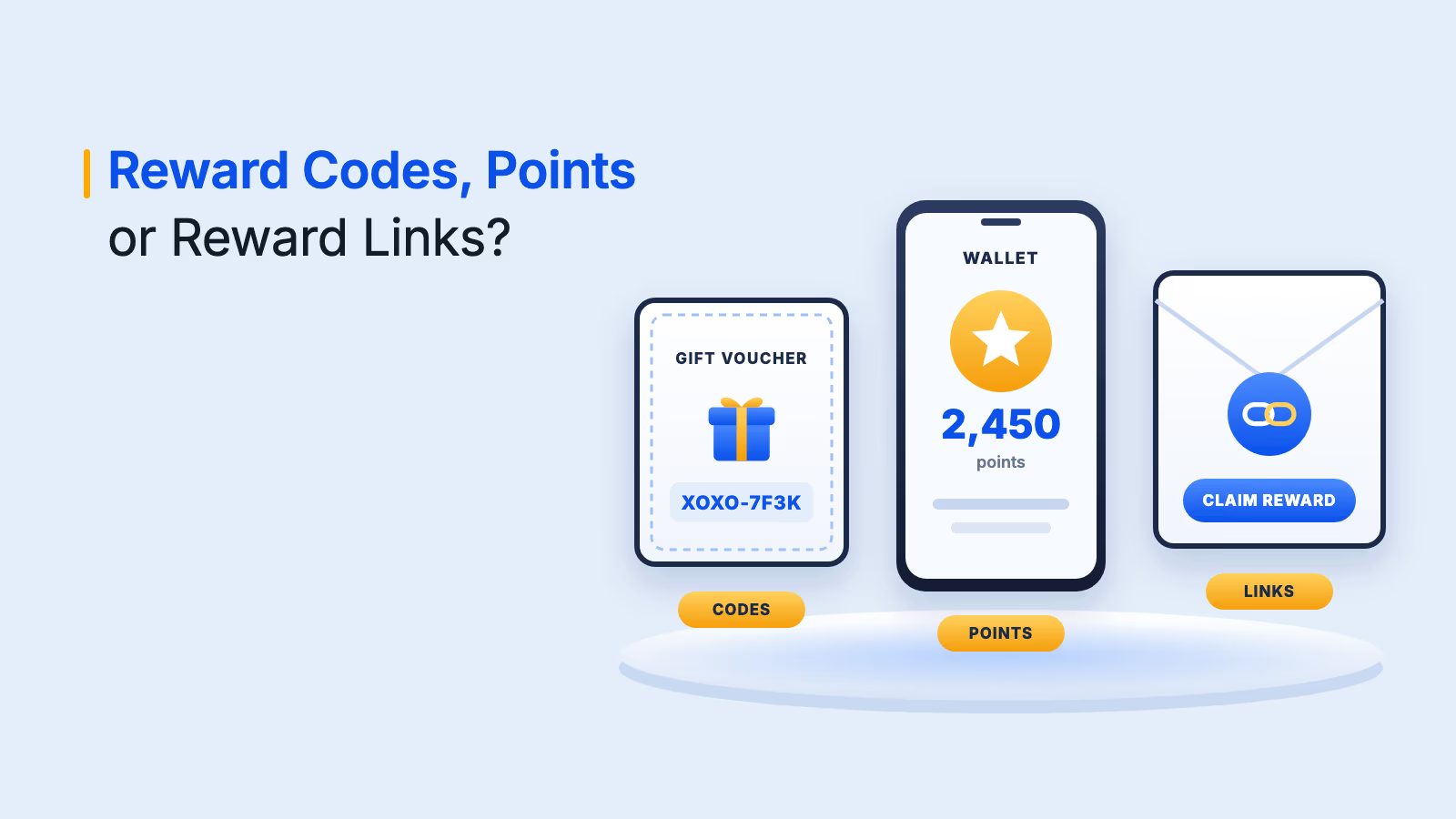
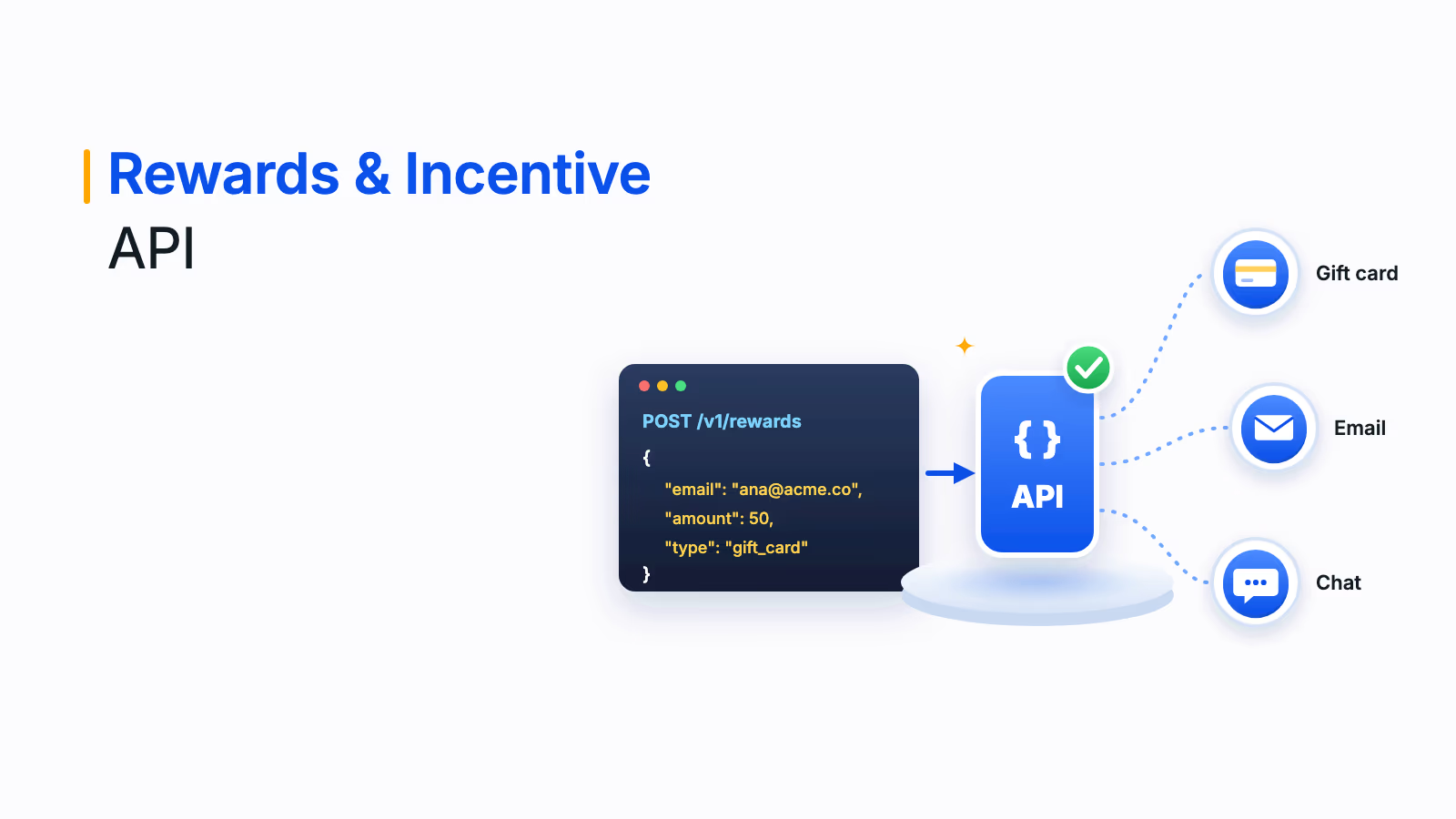
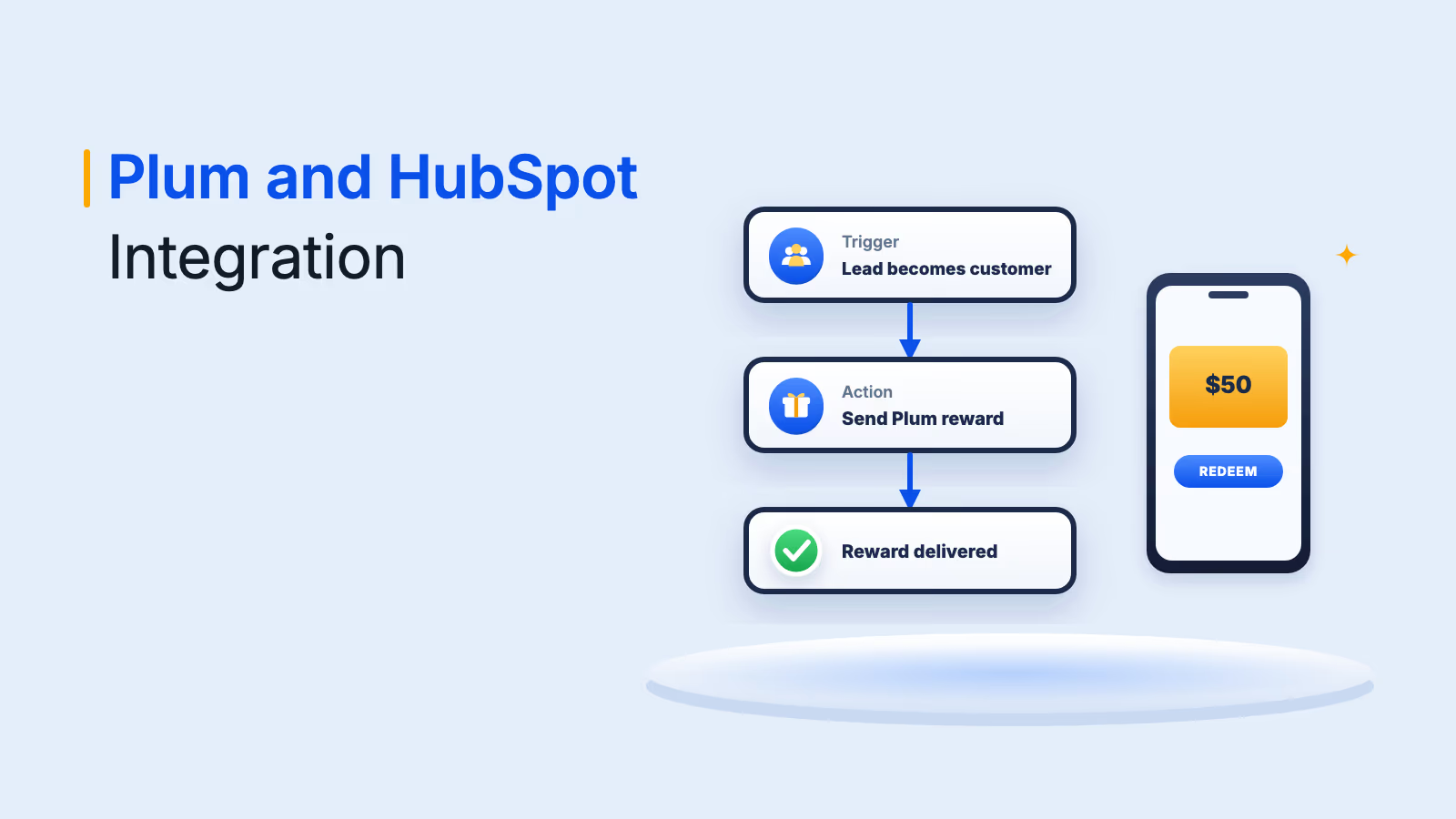
Type: Global rewards and gift cards. Plum connects to a trial's EDC or CTMS through a REST API, so a completed visit can fire the reward without a coordinator touching a spreadsheet. The participant receives it as a link, code or voucher, and the same campaign can offer cash-like options such as PayPal, Venmo, bank transfer and push-to-debit next to gift cards, drawn from 10M+ reward options across 150+ countries.
Rewards can be issued in local currency, and Plum collects tax forms such as W-9 where cash is involved. Point-based and anonymous rewards suit studies where cash payments are restricted, and budget controls, role-based access and approval workflows give finance teams an audit trail. SOC 2 certified and GDPR compliant.
Plum is a rewards and payout platform, not a clinical payments suite. It does not book travel, issue reloadable stipend cards or ship built-in EDC connectors, so teams pair it with their own trial systems through the API.
- Completed visits can trigger rewards through the API
- Cash-like, gift card and point options in one campaign
- Local-currency issuance across 150+ countries
- No travel booking or reloadable stipend card, and EDC and CTMS connections run through the API
2. Greenphire
Type: Stipend cards and wallets. Greenphire automates participant stipends and reimbursements for travel, meals, mileage and parking. Payments can fire on a data event, such as a completed eCOA, and participants choose between ClinCard, a physical or virtual reloadable debit card, and direct bank deposit.
The company is now part of Suvoda, and Greenphire's pages redirect to the Suvoda site. Its payments link to Suvoda's RTSM, eCOA, eConsent and travel products, and it documents 1099 tax reporting with TIN validation and payments in 30+ currencies.
- Card and direct deposit options for participants
- Payments can trigger from trial events
- Tax reporting with TIN validation
- Now part of Suvoda, so product names and bundling may change
3. Nmible
Type: Stipend cards and wallets. Nmible is a participant payment infrastructure provider for clinical trials. It can run as a managed service, white-label software, an embedded API, or a concierge model that adds travel coordination.
Participants can claim through an app, an API flow or an in-clinic terminal, and payout rails include Visa Direct, ACH, SEPA, Faster Payments, prepaid cards, Apple Pay and Google Pay. The company lists ISO 9001, ISO 27001 and SOC 2.
- Managed, white-label and API deployment options
- In-clinic terminal and self-service app options
- Approval workflows driven by policy
- A newer provider, and public pages do not itemize country coverage
4. Scout Clinical
Type: Stipend cards and wallets. Scout Clinical manages participant payments, travel and lodging so participants avoid out-of-pocket costs. A coordinator submits requests through the Scout Portal, and the team handles booking and reimbursement for flights, gas and lodging.
Payout methods include direct deposit, mobile wallet, prepaid debit card and check, with 24/7 multilingual support. The company says it has processed 1M+ payments and supported trips in 100+ countries. It lists ISO 27001, SOC 2 and HIPAA.
- Payments and travel handled by one team
- Several payout methods for participants
- 24/7 multilingual support
- Service-led model, so less suited to teams that want to run payouts entirely in house
5. Medidata Patient Payments
Type: Built into a clinical suite. Medidata Patient Payments lets participants submit expenses for travel, meals, lodging, lost wages, childcare and mileage, and triggers payment from events such as a completed visit in Rave EDC or eCOA. Participants manage requests in the myMedidata portal.
Payment options include bank transfer, PayPal, Venmo, physical cards and e-gift cards, with integrated 1099 reporting. Travel concierge support comes through a partnership with Illingworth Research Group. Medidata announced the product in September 2024.
- Payments trigger from existing EDC and eCOA events
- Several payout options including e-gift cards
- Integrated 1099 reporting
- Most useful to teams already on Medidata, and a relatively new product
6. IQVIA Clinical Trial Financial Suite
Type: Built into a clinical suite. IQVIA's Clinical Trial Financial Suite covers the participant payment lifecycle from stipend calculation to disbursement and reporting. Participants submit expenses through a free mobile app or the web platform, with receipt scanning, and the suite supports virtual cards, ACH, wire and localized methods.
It also handles W-9 and TIN validation for 1099 reporting, multilingual support and regional servers with tokenization. IQVIA says it operates in 180+ countries. The suite launched in September 2025 and extends beyond participants to site payments.
- Participant and site payments in one suite
- Receipt scanning in the participant app
- Tax validation and multilingual support
- Built for large sponsors, and the suite is new as of 2025
7. Sitero Mentor Participant Payments
Type: Built into a clinical suite. Sitero's payments module sits inside its Mentor eClinical suite and plugs into Mentor EDC and CTMS. Participants are funded by debit card or bank transfer and see balances and transactions in a participant portal.
US sites use a physical debit card with a virtual option, while the rest of the world uses electronic funds transfer. Role-based access keeps personal data out of Sitero's database. The company says it works across 65+ countries and funds cards in under a minute.
- Payments live inside the Mentor suite
- Participant portal with balances and transactions
- Companion site payments product
- Mainly relevant to Mentor EDC and CTMS users
8. Mural Health
Type: Participant app and travel. Mural Health runs the Mural Link app, which bundles payments, travel coordination and participant messaging. Named payment options include Venmo, PayPal, Zelle, local bank transfers, Revolut, Visa, Mastercard, Mercado Pago, Pix and a fee-free debit card.
Participants can book rides in the app, and the company supports international travel coordination. By the company's count, it has supported 4,000+ trials in 75+ countries. It lists partnerships with Clinical ink and ICON.
- Wide mix of regional payment options including Pix and Mercado Pago
- In-app ride booking and travel coordination
- Satisfaction dashboard for sponsors
- App-centered model, so teams with an existing participant app may find overlap
9. mdgroup
Type: Participant app and travel. mdgroup is a patient travel and logistics provider covering travel, accommodation and relocation for trial participants, with payments alongside. It is a separate company from Mural Health.
The company has added automated stipends and reimbursements with configurable workflows through its acquisition of Skyelarke and the SkyePay platform. Travel remains the center of its offer, so it suits studies where logistics matter more than the payout itself.
- Travel, accommodation and relocation support
- Stipend and reimbursement workflows through SkyePay
- Travel-led, so payments are one part of a broader logistics offer
10. Realtime-eClinical
Type: Site-network payments. Realtime-eClinical sells two payment modules alongside its clinical trial management suite. SitePay handles digital participant payments for sites and site networks, and GlobalPay covers participant payments and study funding for sponsors and CROs, including multi-currency transfers.
The company says its software supports 600,000+ patient visits a year across 3,000+ research sites. Payments sit next to RealTime-CTMS and its eRegulatory tools, so the strongest fit is a site network already on that stack.
- Separate modules for sites and for sponsors
- Multi-currency transfers for sponsor studies
- Sits next to RealTime-CTMS
- Payments are an add-on to the CTMS, so teams on other systems get less from it
How to Match a Platform to Your Trial
Most studies do not need every format. Start with your protocol, your trial systems and where participants live.
- Multi-country studies with mixed participant needs: a platform like Plum that offers several reward formats and API triggers in one campaign avoids running a different tool in each market.
- Established stipend programs: Greenphire, Nmible and Scout Clinical focus on stipend cards, rails and managed payment service.
- Studies already on one clinical suite: Medidata, IQVIA or Sitero keep payments inside the system your sites already use.
- Travel-heavy protocols: Mural Health and mdgroup put logistics next to payments.
- Site networks on RealTime-CTMS: Realtime-eClinical adds payments without a new vendor.
For a deeper look at running rewards in studies, see clinical study reward management best practices, how to choose the right survey reward and best survey and market research incentive platforms.
What to Ask Before You Choose a Platform
Demos make every platform look the same. These four questions separate the real differences.
- Which countries and currencies can we pay today? Get a list for your top 10 participant markets, not a global claim.
- What triggers a payment, and can our EDC or eCOA trigger it? Ask to see a completed visit send a payment with no manual step.
- How are partial and withdrawn-participant payments handled? Confirm payments accrue through the study and that participants who leave are still paid for the visits they completed.
- What paperwork do you handle, and what is your approval trail? Confirm who collects tax forms, how data privacy is handled and what the audit log shows.
Which Clinical Trial Incentive Platform Should You Choose?
If you pay participants across many countries and want reward choice with API triggers, start with Plum. For stipend cards and payment rails, compare Greenphire, Nmible and Scout Clinical. If your sites already run one clinical suite, check Medidata, IQVIA and Sitero first. For travel-led protocols, look at Mural Health and mdgroup, and for site networks on RealTime-CTMS, Realtime-eClinical.
To see how rewards fit into a study, read clinical study reward management best practices, then see how Xoxoday Plum runs it.
Book your Plum demo
Frequently asked questions
It is software that pays or reimburses participants for study visits, travel and time. The better ones connect to trial systems so a completed visit triggers the payment with no manual step.
Yes. FDA guidance treats payment as a recruitment incentive and recommends that it accrue through the study and not depend on completion. Reimbursing travel costs is not considered undue influence, and an IRB reviews the amounts and the plan.
A stipend is a set payment for time and effort, often per visit. A reimbursement repays documented costs such as travel, meals or parking. Many platforms handle both, but the approval steps differ.
Pay for the visits the participant completed, and set the schedule in the IRB-approved plan. Platforms that accrue payments visit by visit make this simpler than a lump sum at the end.
Often, especially where cash is restricted or participants prefer choice. A rewards platform like Xoxoday Plum offers gift cards, points and cash-like options in one campaign, but your protocol and IRB decide what is allowed.