A loyalty manager at a retailer asks for one change: let members spend points in the mobile app, not just at the till. The platform vendor says it is on next year's roadmap. Meanwhile the engineering team has already built the app, the checkout and the customer database.
The gap between roadmap and app is why enterprise buyers now ask a different question. They no longer ask which platform has the most features. They ask which one lets them keep the ledger, the rules and the rewards while they build the front end themselves.
Loyalty vendors now pitch that idea under three labels: composable, API-first and headless. The labels are not interchangeable, and vendors use them loosely. A platform can have a public API and still ship its member app as one locked block.
We compared nine platforms on how much of the promise holds up in each vendor's own public documentation, grouped by how each one is built.
Disclosure: Xoxoday publishes this guide and Loyalife is one of the nine. All are judged on the same criteria.
The Best Composable and API-First Loyalty Platforms
- Xoxoday Loyalife for one program for customers, channel partners and influencers, with APIs for your own app
- Open Loyalty for enterprise brands adding a configurable loyalty engine to an existing stack (G2 4.7/5)
- Voucherify for developer teams running promotions and loyalty from one rules engine (G2 4.6/5)
- Perx for banks, insurers and telcos running behavior-led rewards programs (G2 4.1/5)
- Oracle CrowdTwist for large restaurant and retail brands already on Oracle systems (G2 4.8/5)
- Kobie for large consumer brands that want a platform plus a loyalty strategy partner (G2 4.8/5)
- Yotpo for ecommerce brands running loyalty behind a custom storefront
- LoyaltyLion for Shopify and headless storefront brands that want an API to extend loyalty (G2 4.6/5)
- Voyado for European omnichannel retailers combining loyalty with marketing automation
What Makes a Loyalty Platform Composable or API-First?
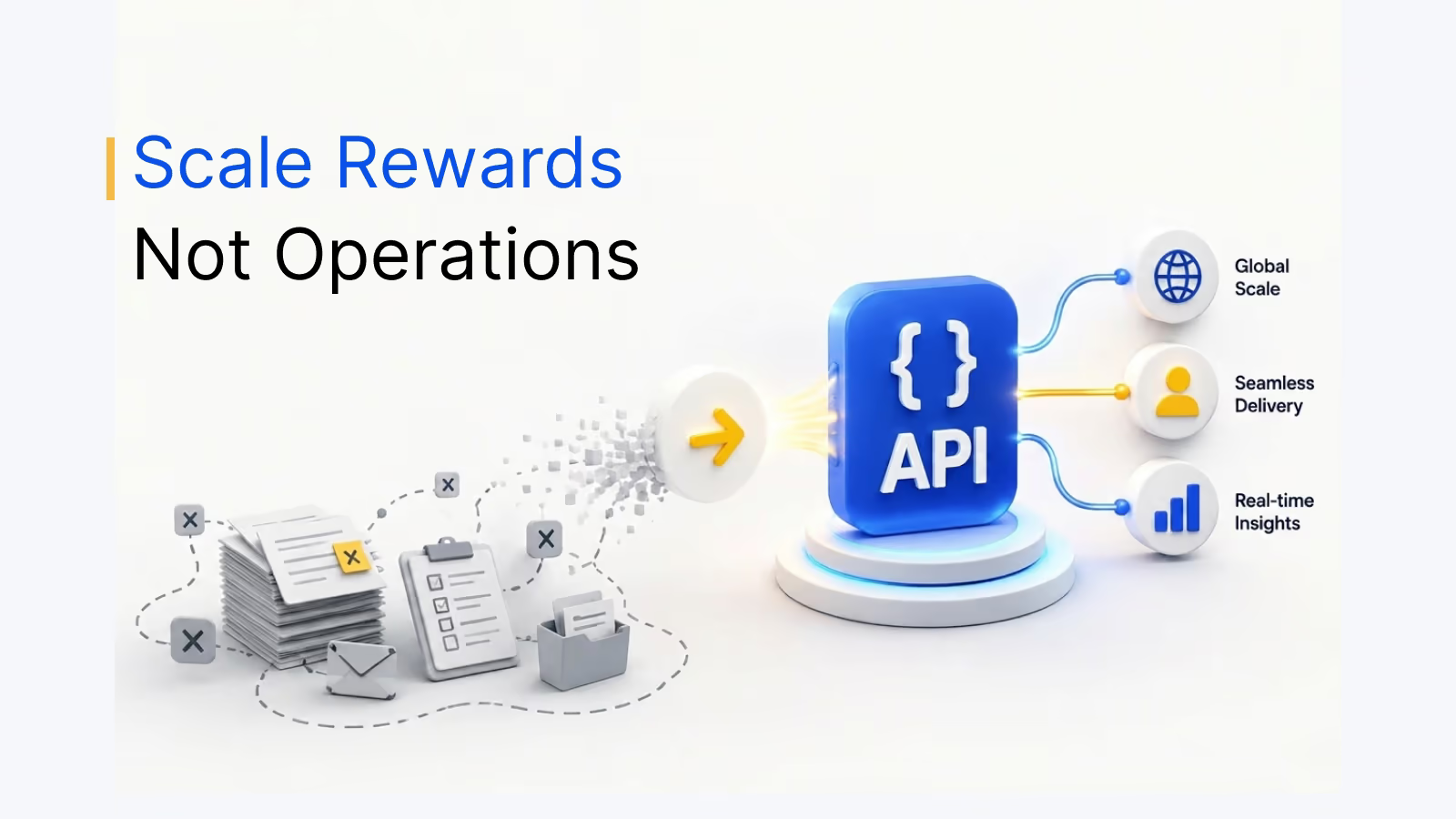
Composable means you can adopt parts of a platform and keep the rest of your stack. API-first means every function is available through a documented API. Headless means the screens are yours.
87%
Organizations with MACH technologies widely implemented
microservices, API-first, cloud-native, headless, MACH Alliance 2025
91%
IT leaders reporting rising desire to adopt MACH
561 IT decision makers at companies with 5,000+ employees, MACH Alliance 2025
9 in 10
Adopters meeting or beating ROI expectations
among organizations that implemented some MACH technology, MACH Alliance 2025
Source: MACH Alliance, 2025 Global Annual Research, January 2025. The survey covers technology stacks in general, not loyalty platforms alone.
We judged every platform on five tests:
- Documented APIs. Can a developer find endpoints, authentication and event details without a sales call?
- Events and webhooks. Does the platform push points earned, tier changes and redemptions to your systems as they happen?
- Your own front end. Can the program run inside your app or storefront, not only in a hosted widget?
- Enterprise controls. Look for approvals, audit trails, multi-program support and security certifications.
- Rewards and redemption. Does it ship a catalog and fulfillment, or do you bring your own?
We weighted documented APIs and your own front end most, because those decide how much of the platform you can actually reuse. Feature claims come from each vendor's public pages, written in our own words, and we say when a vendor does not use the labels composable or API-first. Ratings come from G2, Capterra and Forrester as of November 2026 and change over time. Where a score rests on fewer than 20 reviews, we show the count.
Run loyalty inside your own app, on one platform
Loyalife gives your team APIs, an SDK and a shared rewards marketplace, so you keep the front end and skip the rebuild.
Book a free 30-min demoTrusted by 5,000+ companies
The Best Composable and API-First Loyalty Platforms at a Glance
- Xoxoday Loyalife
- Best for
- One program for customers, channel partners and influencers, with APIs for your own app
- Standout feature
- Full loyalty suite you can call from your own app
- Rating
- G2 Leader 2026 (Xoxoday)
- Open Loyalty
- Best for
- Enterprise brands adding a configurable loyalty engine to an existing stack
- Standout feature
- API-first engine with no-code mechanics
- Rating
- G2 4.7 (15 reviews) · Capterra 4.8 (15 reviews)
- Voucherify
- Best for
- Developer teams running promotions and loyalty from one rules engine
- Standout feature
- One rules engine for promotions and loyalty
- Rating
- G2 4.6 (23 reviews) · Capterra 4.8 (24 reviews)
- Perx
- Best for
- Banks, insurers and telcos running behavior-led rewards programs
- Standout feature
- Modular engines behind headless endpoints
- Rating
- G2 4.1 (7 reviews)
- Oracle CrowdTwist
- Best for
- Large restaurant and retail brands already on Oracle systems
- Standout feature
- Documented REST APIs plus Oracle POS connectors
- Rating
- G2 4.8 (2 reviews)
- Kobie
- Best for
- Large consumer brands that want a platform plus a loyalty strategy partner
- Standout feature
- Modular platform with a services-led model
- Rating
- G2 4.8 (10 reviews) · Forrester Wave Leader, Loyalty Platforms Q4 2025
- Yotpo
- Best for
- Ecommerce brands running loyalty behind a custom storefront
- Standout feature
- Public API and webhooks for custom storefronts
- Rating
- G2 4.3 (Yotpo overall) · Capterra 4.4 (Yotpo overall)
- LoyaltyLion
- Best for
- Shopify and headless storefront brands that want an API to extend loyalty
- Standout feature
- Headless API for custom channels
- Rating
- G2 4.6 · Capterra 4.4 (19 reviews)
- Voyado
- Best for
- European omnichannel retailers combining loyalty with marketing automation
- Standout feature
- Loyalty inside a customer engagement suite
- Rating
- G2 4.5 (Voyado overall)
1. Xoxoday Loyalife
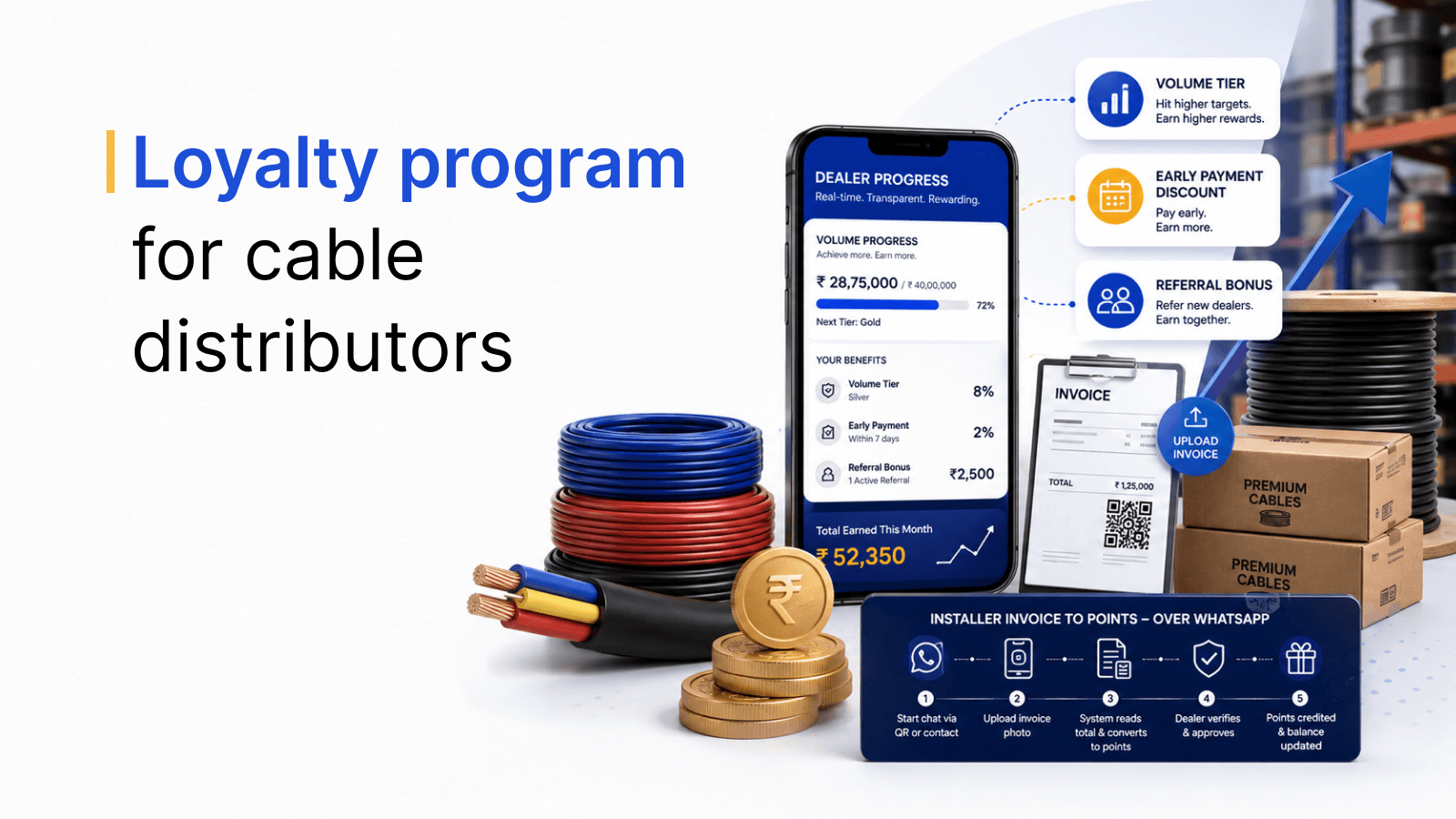
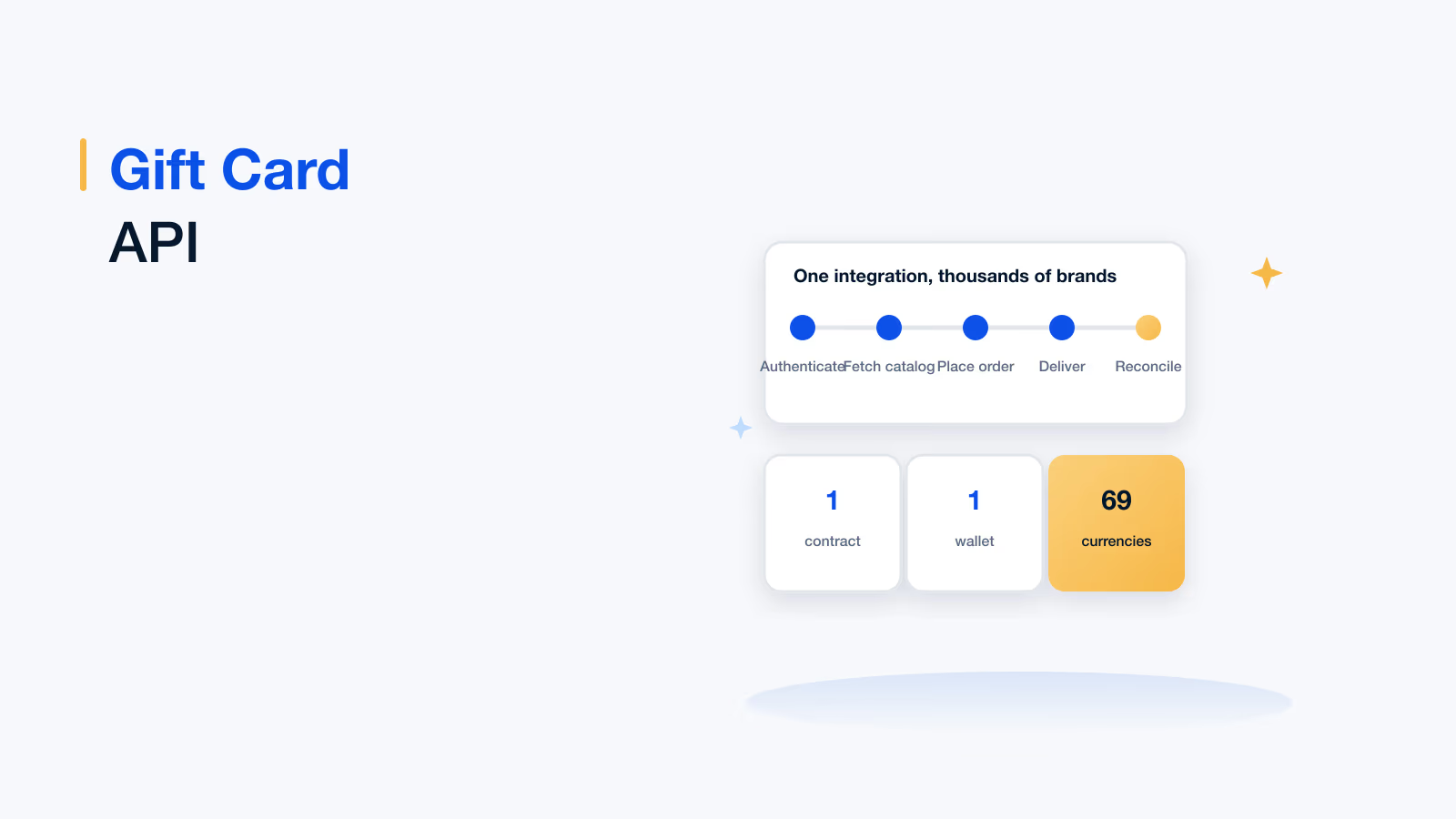
Full suite with open APIs. Loyalife covers the whole loyalty chain in one platform: member profiles, a rule engine, campaigns, rewards, a redemption marketplace and analytics. Your systems connect through APIs and scheduled bulk uploads, and an SDK lets you run the program inside your own mobile app. Its promotions engine is API-first, and an MCP connection lets AI assistants analyze programs and trigger campaigns.
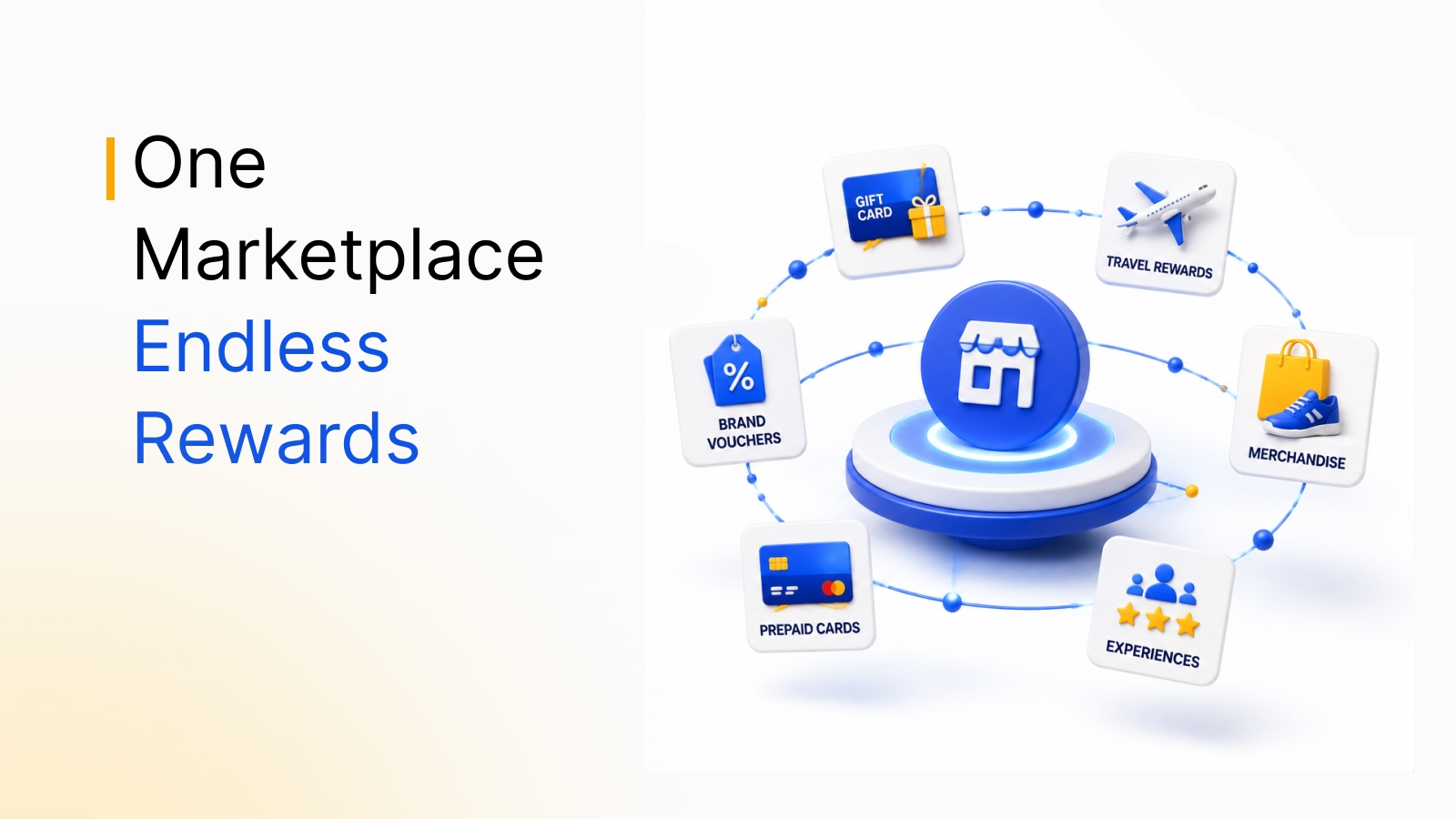
The same core runs customer, channel and influencer programs, with a shared catalog of 10M+ reward options across 150+ countries. It supports 100+ integrations, cloud or on-premise deployment, and maker-checker approvals on rule changes.
Loyalife is a full suite. A team that only wants a bare points ledger behind a front end it has already built will get more than it needs.
- Customer, channel and influencer programs on one platform
- REST API sync, bulk upload and an SDK for your own app
- Rewards marketplace and fulfillment included
- More platform than a team needs if it wants only a headless points ledger
2. Open Loyalty
API-first engines. Open Loyalty describes itself as API-first and composable. Brands connect it to their commerce and CRM systems through a Loyalty API, then configure points, tiers, wallets, coupons and campaigns without code. It also runs a Loyalty MCP server for AI assistants.
The company says it works with 100+ enterprise brands across 60+ countries and offers a 99.99% uptime SLA. It is an engine. The rewards catalog and the member front end come from elsewhere.
- Mechanics configured without code, including multi-wallet and multi-tier referrals
- A/B testing of incentives
- Multitenancy for multi-program setups
- Engine only, so the rewards catalog and front end are your own build; its site describes cloud hosting only
3. Voucherify
API-first engines. Voucherify began as a promotions engine and now runs coupons, loyalty, referrals, gift cards and wallets from the same rules. One set of logic can apply across web, app and point of sale. Its site points to hundreds of purpose-built endpoints, official SDKs, Postman collections, webhooks and Kafka connectors, and it shows a MACH Alliance badge.
The company says its API responds in under 50 milliseconds with 99.99% uptime. Its homepage does not use the labels composable or API-first. Setup is developer-led. Loyalty is one module beside coupons and promotions, not the whole product.
- Stacking rules, per-customer limits and velocity caps
- Approval workflows with change tracking
- Cost tracking and margin guardrails on promotions
- Developer-led setup, and loyalty sits beside a promotions-first core
4. Perx
API-first engines. Perx organizes its platform as a stack of engines for campaigns, behavior, rewards and insights. Its site describes an API-first design with headless endpoints, so CRM and customer data tools can connect without a rip-and-replace. A no-code campaign builder and a rewards marketplace sit on top.
The company says its platform has handled 10 billion interactions. It leans toward banks and telcos. An on-premise option is available for teams that need one, and the site says API-first and headless but not composable.
- No-code campaign builder with an approval step
- Churn prediction and win-back campaigns
- On-premise deployment available
- Positioned mainly at financial services and telecom, with less retail emphasis
5. Oracle CrowdTwist
Enterprise suites. Oracle CrowdTwist is Oracle's loyalty and engagement product for large brands. Its developer pages document REST APIs for creating and updating members, crediting activity, and handling purchases, returns and fulfillment, plus a data push option.
Its documented connectors lean toward Oracle's own stack, such as Simphony for restaurants and Xstore for retail, where it supports member lookup and paying with points. Oracle does not describe it as composable. Treat it as API-driven and integration-rich.
- Documented APIs for members, activity, purchases and returns
- Pay with points inside Simphony
- Real-time rewards from live activity
- Strongest documented connectors sit inside the Oracle ecosystem
6. Kobie
Enterprise suites. Kobie sells the Kobie Alchemy Loyalty Cloud alongside loyalty strategy services. Its site says customers can adopt the full platform or integrate individual capabilities into their existing ecosystem, such as the Loyalty Data Engine, Personalization Hub, Rewards Hub and Zero-Party Data Hub.
A Bonnie AI Loyalty Assistant sits on top for analysis and recommendations. Kobie is a services partner as much as a software vendor, and its homepage makes no composable or API-first claim. Public developer documentation is hard to find. Ask for the API reference early.
- Use the whole platform or individual capabilities, per the company
- Strategy and program services from the same vendor
- Zero-party data collection through preference centers and gamification
- Services-led model, and API depth is hard to judge from public pages
7. Yotpo
Commerce-led platforms. Yotpo Loyalty publishes a Loyalty API that creates customers, records custom actions, adjusts point balances, posts orders and refunds, and lists active campaigns and redemption options. Webhooks fire on events such as points earned, tier earned, redemption created and referral completed.
A documented guide covers custom or unsupported platforms: your server sends customers, orders and refunds, and your own interface shows points. The company says it has launched 30k+ programs and lists 180+ technical integration partners. The pages we read do not use the word composable. It is built around ecommerce. Multi-brand enterprise programs are not its focus.
- Public Loyalty API and event webhooks
- Documented path for custom platforms
- Points Drop for time-limited bonus points to segments
- Built around ecommerce on mainstream commerce platforms, not multi-brand programs
8. LoyaltyLion
Commerce-led platforms. LoyaltyLion lists a Headless API among its enterprise features, for building loyalty experiences across channels. Its developer portal covers installs on Shopify, Shopify Headless, Adobe Commerce and custom platforms through its API.
The company says its programs have more than 250m members and 1B+ loyalty events a year. Its base is Shopify brands. Details on single sign-on, multi-brand setups and service levels are not on its public pages.
- Headless API alongside a Shopify app
- Shopify POS integration for in-store members
- A loyalty agent that answers questions about program performance
- Centered on Shopify, with other platforms handled through Adobe Commerce or the custom API
9. Voyado
Commerce-led platforms. Voyado sells loyalty as part of Voyado Engage, next to marketing automation and messaging. Points, a point shop, vouchers, promotions and challenges are add-ons, and a Loyalty API lets a merchant sync promotions and vouchers and show loyalty data in its own front end.
Developer documentation is public. An MCP connector links AI assistants to the platform, though its pages use neither headless nor composable. Its focus is mid-size and large retailers in Europe. Loyalty is a module in a wider suite, not a standalone engine.
- Loyalty, messaging and personalization in one suite
- Public developer documentation
- Multi-market, multi-language and multi-currency setups
- Loyalty features are add-ons to a broader suite, with a mainly European retail focus
What to Ask Before You Choose a Loyalty Platform
Every demo shows a clean API call. These four questions show how much of the platform you can really build on.
- Which APIs are public? Ask for the API reference and a sandbox, not a feature list. For connector-level detail, see our guide to loyalty platforms that integrate with Shopify, Salesforce and HubSpot.
- Who owns the front end? Confirm whether the member app, widgets and checkout flow are yours to build or the vendor's to host. A white-label loyalty program is the vendor-hosted version.
- How do events reach our systems? Ask which events fire as webhooks, and how failed deliveries retry. Check the Loyalife integrations page for what is prebuilt.
- What happens to points and data if we leave? Get the export format and the liability reporting in writing.
Which Composable or API-First Loyalty Platform Should You Choose?
If you need customer, channel and influencer programs on one platform, with APIs and an SDK for your own app, start with Loyalife. For an engine behind a front end you build yourself, compare Open Loyalty and Voucherify. Financial services teams should look at Perx.
Large brands on Oracle systems should evaluate Oracle CrowdTwist, and teams that want a strategy partner alongside the platform should talk to Kobie. For Shopify and headless storefronts, compare Yotpo and LoyaltyLion, and European retailers can look at Voyado.
The deciding question is who owns the front end, so answer it before you book a demo. For a look at one platform serving several loyalty audiences, read our guide to the best customer loyalty platforms, then explore an enterprise loyalty platform built for it, or the customer loyalty program software buyer's guide.
Book your Loyalife demo
Frequently asked questions
It is a loyalty system built from separate parts, such as a rules engine, a points ledger and a rewards catalog, that you can adopt individually and connect to your own stack. You keep the pieces that work and replace the ones that do not.
API-first means every platform function is available through a documented API. Headless means the member-facing screens are separate, so you build the app or storefront yourself and call the platform for points, tiers and rewards.
Choose composable when engineering already owns the app and customer data, and the program needs rules a suite cannot express. Choose a suite when you want a member app, campaigns and a rewards catalog running without a build project.
Look for public endpoints, authentication details, a sandbox, and event webhooks with retry behavior. Also confirm rate limits and whether points, tiers and redemptions are all reachable through the API, not just member lookups.
Yes, but many engines leave the catalog to you. If you want redemption included, check whether the vendor ships a catalog and fulfillment or expects you to connect a separate rewards provider.