A loyalty platform that was right for three programs and one region gets tested when the brand adds a fourth program and a second region. Rules that lived in a spreadsheet need an owner, rewards need sourcing in a new currency, and finance asks for a liability report the current setup cannot produce.
Loyalty Juggernaut sells GRAVTY, a cloud-native loyalty platform pitched at ecosystem and multi-brand programs. Large brands look past any incumbent for ordinary reasons: a different service model, regional coverage, a program type the platform does not cover, or a need to fold loyalty into a wider stack.
Switching is costly, and a replacement that adds another silo only moves the problem. Forrester found that 78% of US B2C marketing executives say their marketing and loyalty technologies are siloed.
We compared 10 platforms that large brands shortlist for enterprise loyalty, ranked by how much of the enterprise loyalty job each one covers natively.
Disclosure: Xoxoday publishes this guide and Loyalife is one of the 10. All are judged on the same criteria.
The Best Loyalty Platforms for Large Brands
- Xoxoday Loyalife for large brands running several loyalty programs across markets
- Kobie for global enterprises that want a loyalty platform and a services team from one vendor (G2 4.8/5)
- Bond Brand Loyalty for enterprises that want loyalty strategy and research alongside a platform
- Open Loyalty for enterprise teams that want to build loyalty on their own stack (G2 4.7/5)
- Voucherify for large retail, fintech and travel teams that need to control promotion spend (G2 4.6/5)
- Zeta Global for large brands that want loyalty inside a data and marketing platform (G2 4.0/5)
- Maritz for large brands that want custom, managed customer and channel programs
- Punchh for large restaurant and convenience chains that want loyalty tied to ordering and point of sale (G2 2.6/5)
- Paytronix for multi-unit restaurant and convenience chains that want ordering, payments and loyalty together
- Yotpo for ecommerce brands that want configurable loyalty without developers (G2 4.3/5)
What Makes an Enterprise Loyalty Platform Worth Choosing?
Large brands rarely fail on features. They fail on scope: one platform cannot hold every program, region and data source the group runs, so work drifts back into side systems.
78%
US B2C marketing executives who say marketing and loyalty technologies are siloed
Forrester, 2024
35%
Brands with loyalty initiatives that had recently revamped them
Forrester CMO Pulse Survey, Q1 2022
29%
Brands that planned to modify their loyalty program within the next year
Forrester CMO Pulse Survey, Q1 2022
Source: Forrester, B2C Marketing and Customer Experience Predictions 2025 (October 2024); Forrester, Changing Your Loyalty Program? Here's What To Consider (October 2022).
We judged every platform on five tests:
- Program scope. Can one platform run several brands, programs and program types, or does each need its own setup?
- Data and integration. Look for a unified member profile, open APIs and connections to the commerce, point-of-sale and CRM systems you already run.
- Rewards and reach. Check what members can redeem, in which countries and currencies, and who sources the catalog.
- Controls and compliance. Does it offer approval workflows, audit trails, fraud checks and the certifications your security team asks for?
- Delivery model. Is it software your team configures, a managed program run for you, or a mix, and how much of that is optional?
We weighted program scope and delivery model most, because those decide whether a large brand can replace its platform or only add one beside it. Feature claims come from each vendor's public pages, written in our own words, and we label figures the vendor publishes itself. Ratings come from G2, Capterra and Forrester as of November 2026 and change over time. Where a score rests on fewer than 20 reviews, we show the count.
Enterprise Loyalty Platforms at a Glance
- Xoxoday Loyalife
- Best for
- Large brands running several loyalty programs across markets
- Standout feature
- Multi-program loyalty with a global rewards marketplace
- Rating
- G2 Leader 2026 (Xoxoday)
- Kobie
- Best for
- Global enterprises that want a loyalty platform and a services team from one vendor
- Standout feature
- Alchemy Loyalty Cloud with managed loyalty services
- Rating
- G2 4.8 (10 reviews) · Forrester Wave Leader, Q4 2025
- Bond Brand Loyalty
- Best for
- Enterprises that want loyalty strategy and research alongside a platform
- Standout feature
- Emotional loyalty analytics with research from the Bond Loyalty Report
- Rating
- Forrester Wave Strong Performer, Q4 2025
- Open Loyalty
- Best for
- Enterprise teams that want to build loyalty on their own stack
- Standout feature
- Composable loyalty API with a gamification library
- Rating
- G2 4.7 (15 reviews) · Capterra 4.8 (15 reviews)
- Voucherify
- Best for
- Large retail, fintech and travel teams that need to control promotion spend
- Standout feature
- Guardrails on budgets, caps and margin
- Rating
- G2 4.6 · Capterra 4.8
- Zeta Global
- Best for
- Large brands that want loyalty inside a data and marketing platform
- Standout feature
- Zeta Loyalty beside an identity graph and CDP
- Rating
- G2 4.0
- Maritz
- Best for
- Large brands that want custom, managed customer and channel programs
- Standout feature
- Behavioral-science program design across customer, channel and sales
- Rating
- No public G2 or Capterra rating
- Punchh
- Best for
- Large restaurant and convenience chains that want loyalty tied to ordering and point of sale
- Standout feature
- Smart Passes and Guest360 inside PAR Engagement
- Rating
- G2 2.6 (10 reviews)
- Paytronix
- Best for
- Multi-unit restaurant and convenience chains that want ordering, payments and loyalty together
- Standout feature
- Loyalty with online ordering, kiosks and payments in one suite
- Rating
- Capterra 4.1 (12 reviews)
- Yotpo
- Best for
- Ecommerce brands that want configurable loyalty without developers
- Standout feature
- Points Drop and loyalty migration with balances preserved
- Rating
- G2 4.3 · Capterra 4.4
Run several loyalty programs on one platform
Loyalife holds multiple programs in one account and redeems from 10M+ reward options across 150+ countries, with approval workflows and audit trails built in.
Book a free 30-min demoTrusted by 5,000+ companies
1. Xoxoday Loyalife
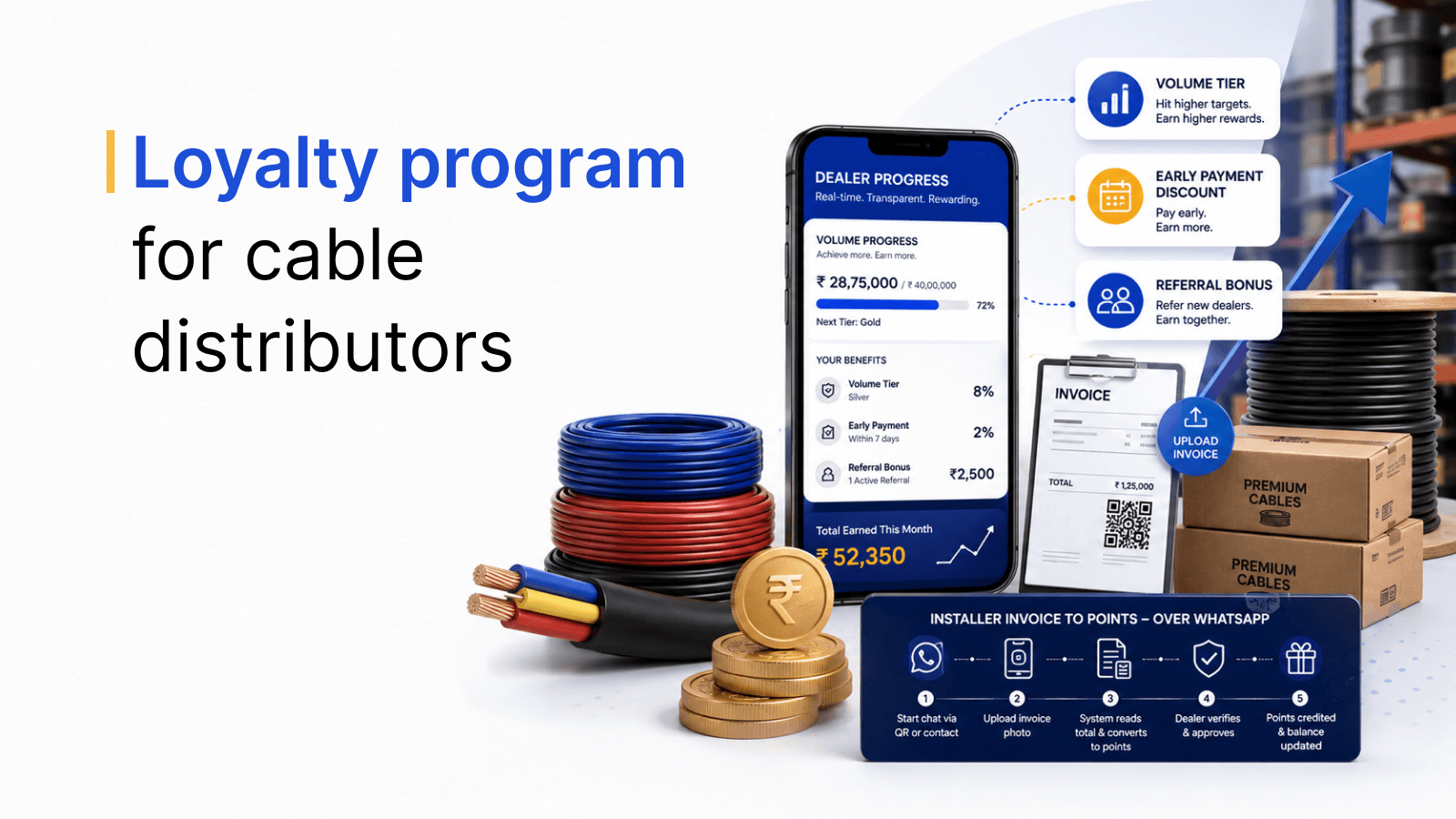
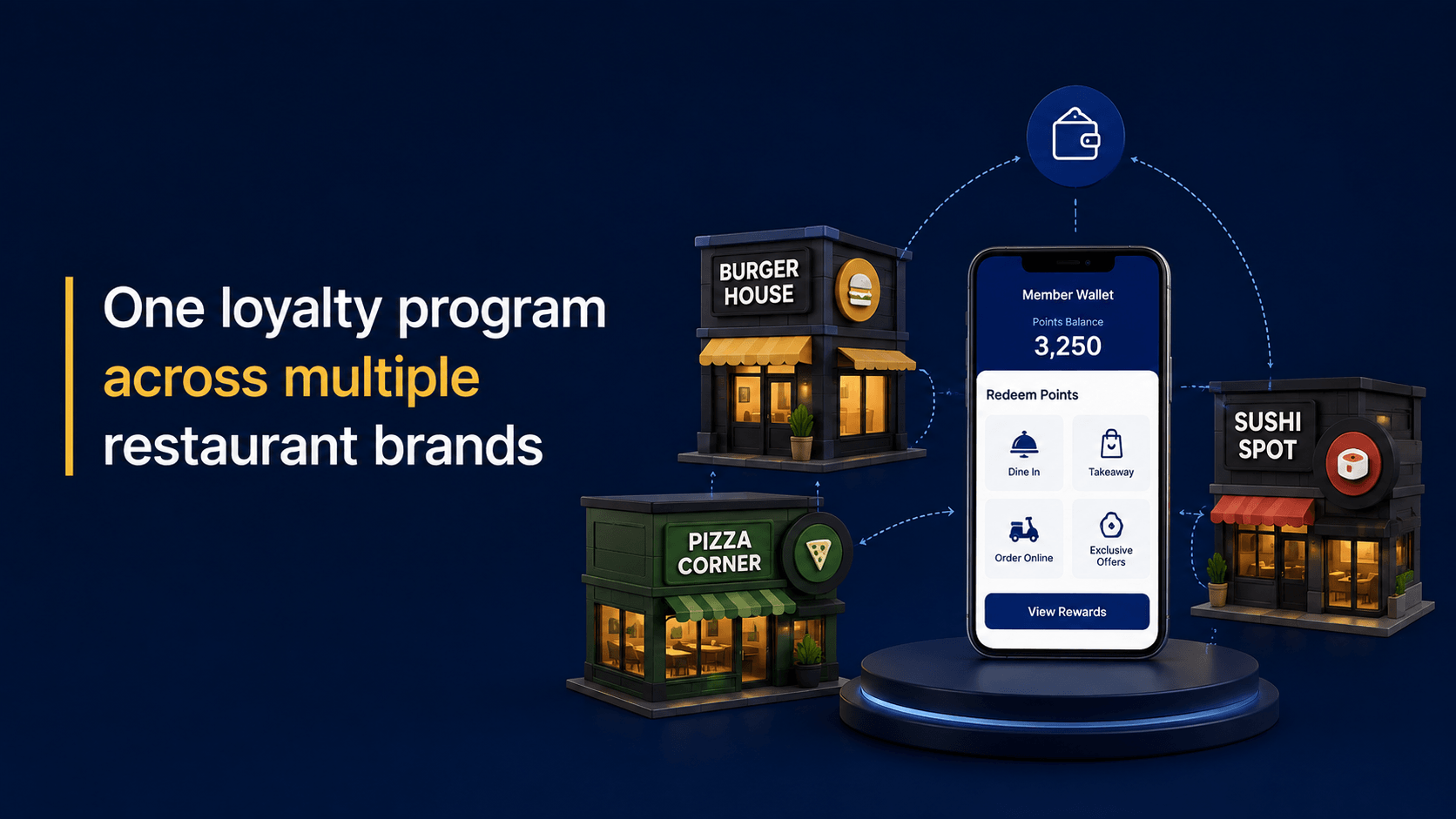
Enterprise loyalty platform. Loyalife runs the whole loyalty value chain in one platform: member profiles, a rule engine, segments and tiers, campaigns, promotions, redemption and reporting. One account can hold several programs, so a group with more than one brand, or with customer, channel and influencer programs side by side, manages them in one place.
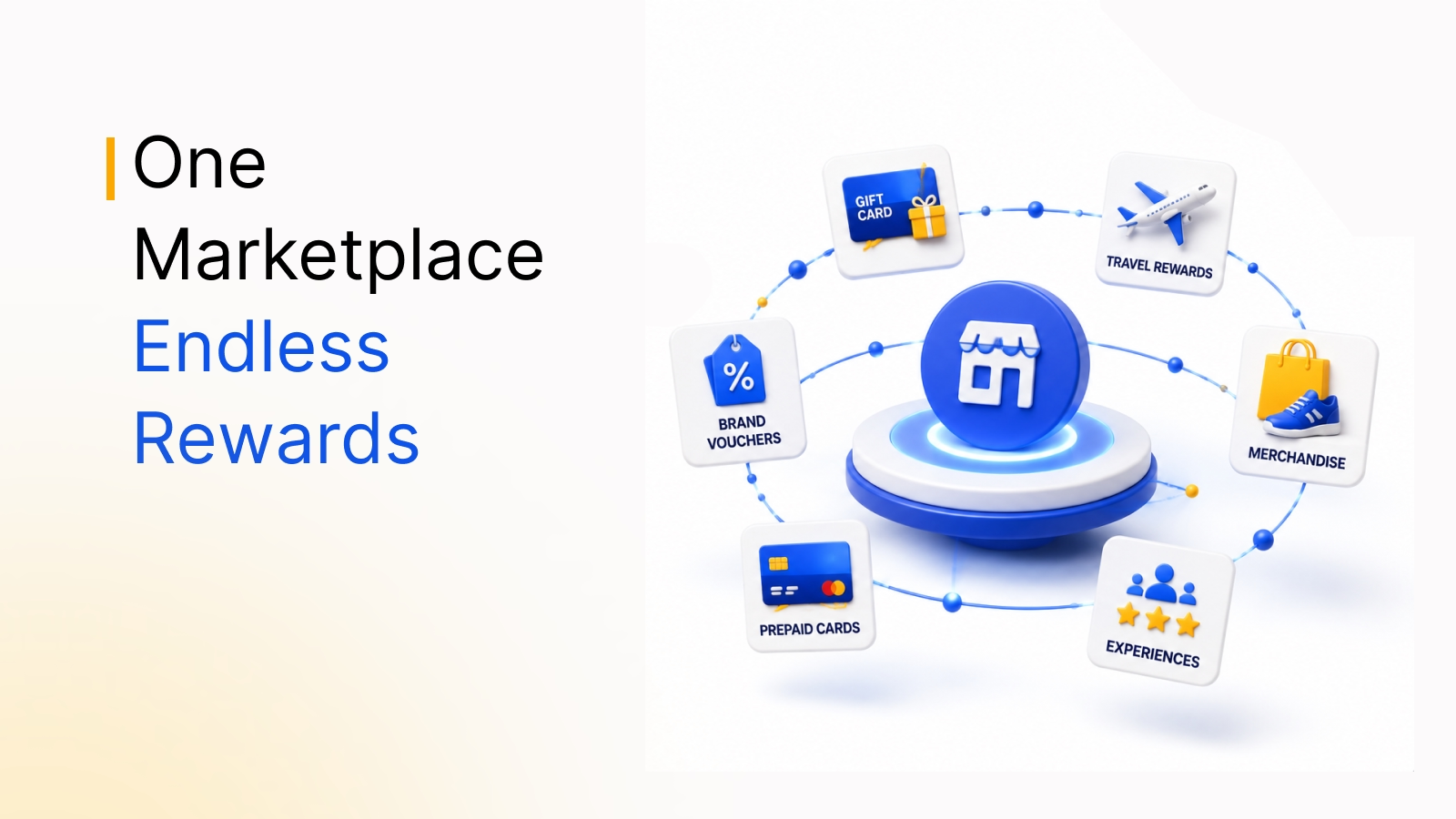
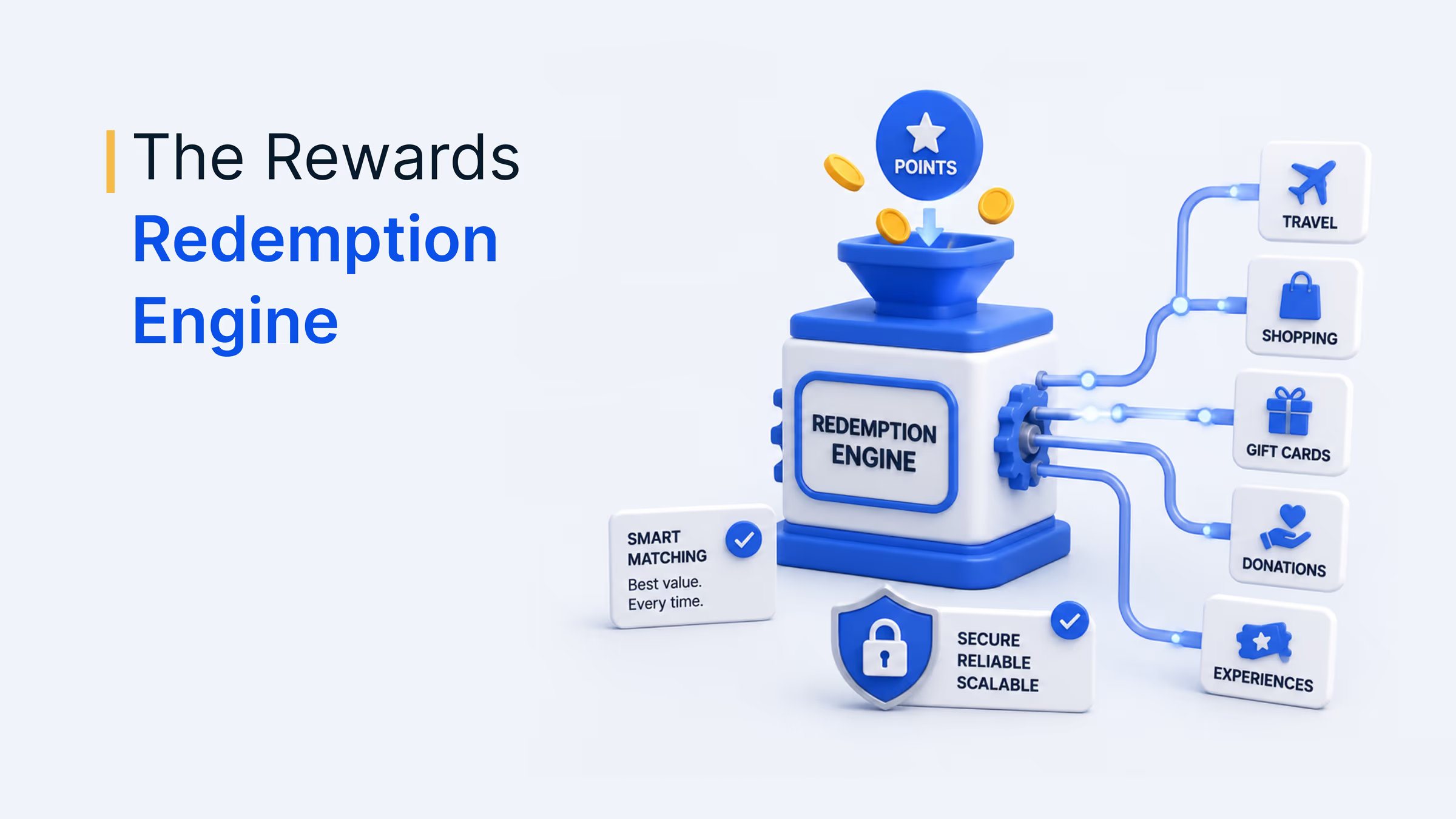
Earning is not limited to the till. Members can scan a QR code, upload a receipt that OCR turns into points, or check in at a geofenced store. Redemption draws on a marketplace of 10M+ reward options across 150+ countries, in 50+ currencies and languages, so a program in a new market does not wait on rewards sourcing.
Loyalife is a full suite. Implementation runs as a project of roughly 10 weeks, so a team that needs a single campaign tool will find it broader than the job.
- Several programs, brands and program types on one platform
- Rewards marketplace with 10M+ options across 150+ countries
- Anomaly detection, maker-checker approvals and audit trails
- A full loyalty suite with a roughly 10-week implementation, so broader than needed for campaign messaging alone
2. Kobie
Loyalty technology and services. Kobie sells Kobie Alchemy Loyalty Cloud and the services to run it. The platform includes a Loyalty Data Engine that builds Panoramic Customer Profiles, Loyalty Management with an assistant called Bonnie, a Personalization Hub, a Rewards Hub for redemption and a Zero-Party Data Hub.
The services side is a real part of the offer. Kobie Loyalty Services covers program strategy, operations and data and AI enablement, so a brand can hand over parts of the work instead of staffing them.
That model suits large programs with a loyalty team to direct it. Brands that want to run the platform entirely in-house should ask how much of the service layer is optional.
- Platform and managed services from one vendor
- Zero-party data collection built into the platform
- Forrester Wave Leader in loyalty platforms, per the company
- Services-led model aimed at enterprise-scale programs
3. Bond Brand Loyalty
Loyalty strategy and technology partner. Bond pairs loyalty strategy with technology for complex, multi-brand programs. Its public positioning rests on emotional loyalty analytics, AI-powered insights and an API-first architecture.
Research is its other calling card. Bond publishes the Bond Loyalty Report with Visa, now in its 15th edition, a consumer research asset that sits beside its strategy work.
Bond's public pages list few product or module names, so a buyer should ask for a platform walkthrough early and compare it feature by feature.
- Strategy, research and platform in one engagement
- Annual consumer research benchmark in the Bond Loyalty Report
- Suited to multi-brand program design
- Consultative engagement, with limited public product detail to evaluate
4. Open Loyalty
API-first loyalty engine. Open Loyalty is a composable loyalty engine. Teams call it through its loyalty API and keep their own customer data, commerce and messaging tools around it, which suits brands with developers and an existing stack to protect.
It ships a wide set of mechanics: points, tiers, coupons and digital wallets, plus gamified formats such as spin-the-wheel, scratch-and-win, badges, leaderboards and challenges. AI Labs adds image verification and a loyalty MCP server, and a Loyalty Success Team helps with design and integration. The company says 100+ enterprise brands use it.
It is an engine, not a managed program. A brand without engineering capacity will need a partner to build the customer-facing layer.
- Composable design that sits beside an existing CRM or data platform
- Broad gamification library beyond points and tiers
- Loyalty MCP server for AI-agent workflows
- Developer-led integration, so it assumes engineering resources
5. Voucherify
Incentive optimization engine. Voucherify treats loyalty as one part of incentive management. Its Rule Builder sets stacking and exclusivity rules, and guardrails cap budgets, per-customer use and redemption velocity while protecting margin.
Delivery is built for developers. Real-time decisioning runs across web, mobile, point of sale and partners, with dynamic coupons, gift cards, referrals and digital wallets, and Kafka connectors, SDKs and webhooks for integration. Incentive Experimentation and Incentive Analytics test and measure offers, and Vincent is its AI agent.
It is stronger at promotion governance than at classic tiered or coalition programs, so teams whose main need is a member program should check the loyalty module closely.
- Spend controls that stop promotions from eating margin
- Real-time decisioning with developer tooling
- Coupons, gift cards, referrals and wallets in one engine
- Promotion-led, so less of a tier-based or coalition program platform
6. Zeta Global
Enterprise marketing cloud with loyalty. Zeta Loyalty sits under Customer Retention and Advocacy in Zeta's marketing cloud. The loyalty product is one module next to a customer data platform with a unified profile and the Zeta Data Cloud, which includes an identity graph.
That combination suits brands that want loyalty, data and messaging from one vendor. The company says 51% of the Fortune 100 are clients.
Zeta's public pages say little about program mechanics such as tiers, points and rewards, so ask for a loyalty-specific demo. The G2 rating below covers the whole Zeta Marketing Platform, not loyalty alone.
- Loyalty, customer data and marketing in one suite
- Identity graph and data scale for large brands
- Loyalty alongside email, data and activation tools from one vendor
- Loyalty is one module of a wider suite, with little program detail on its public pages
7. Maritz
Loyalty, incentive and engagement programs. Maritz designs and runs programs rather than selling a single software product. Its offer spans Loyalty Rewards, Employee Rewards, Sales Incentives, Channel Partner Engagement and automotive dealer programs, with the Maritz Motivation Platform behind them.
Its approach leans on behavioral science, and it names automotive, airline, financial services and healthcare among its sectors. A company with customer, dealer and sales programs can run them with one partner.
Public detail on platform features is thin, and the offer is broader than loyalty software. Buyers who want to configure and own the platform themselves should ask what is self-serve.
- Customer, channel, sales and employee programs from one partner
- Behavioral-science approach to program design
- Programs for automotive dealers, airlines and financial services brands
- A managed-program offer, with little public platform feature detail
8. Punchh
Restaurant and convenience loyalty platform. Punchh is a PAR Technology company, and its loyalty product is now sold within PAR Engagement. Punchh Loyalty covers points, tiers and referrals, with Marketing and Offers, Loyalty Pay, PAR Games for gamified loyalty and a fraud and security module.
Two newer pieces stand out. Smart Passes put a loyalty card in Apple Wallet or Google Wallet so a guest does not need an app, and Guest360 unifies guest data. The company says its platform serves 275+ brands.
It is built for food service. Brands in retail, banking, travel or telecom will find little that is specific to them, and its G2 score rests on 10 reviews, so ask for references.
- Loyalty, offers, ordering and guest data in one restaurant suite
- Wallet passes that work without an app
- Open APIs with strategy and managed services
- Built for restaurants and convenience stores, not multi-industry programs
9. Paytronix
Restaurant and convenience guest engagement platform. Paytronix sells a Guest Engagement Suite for restaurants and convenience stores. Loyalty comes with gift cards and comps, and the same suite covers online ordering, catering, kiosks, in-restaurant pay-at-table ordering, payments, and CRM and messaging.
Onboarding and service are structured. FlightPaths guides setup, Customer Success Plans set targets after launch, and an Order Experience Builder shapes the ordering flow. Tobacco Reporting covers a compliance need specific to convenience stores. The Access Group announced a plan to acquire the company in November 2024.
It is a vertical product. A brand outside restaurants and convenience stores will find little built for it.
- Ordering, payments, messaging and loyalty on one platform
- Convenience-store features such as tobacco reporting
- Structured onboarding with named success plans
- Specialized for restaurants and convenience stores
10. Yotpo
Ecommerce loyalty and reviews platform. Yotpo Loyalty is built for brands on Shopify, BigCommerce, Adobe Commerce and Salesforce Commerce Cloud. Marketers configure Earning Rules for actions such as reviews and milestones, VIP Loyalty Tiers, referrals and several reward types, with margin protection on rewards.
Points Drop sends expiring bonus points to a chosen segment, which gives teams a simple lever for timed campaigns. Yotpo also lists a migration service that moves a program from another platform with balances preserved, plus a launch specialist.
The product centers on ecommerce. Complex multi-brand, coalition or financial-services programs sit outside it, and the G2 and Capterra scores below cover the whole Yotpo platform, not loyalty alone.
- Marketer-friendly setup with no developer needed
- Migration service that preserves points balances
- Loyalty connected to reviews and user-generated content
- Ecommerce-centric, so less suited to multi-brand or coalition programs
What to Ask Before You Switch Platforms
Every demo looks fast. These four questions show what happens to the programs you already run.
- How do balances, [tiers](/loyalife/member-engagement/tiers) and member history migrate? Ask for the cutover plan, the freeze window and what a member sees on day one.
- Which of our programs run natively? Get a named list of customer, channel and partner program types, not a promise of flexibility.
- What is software and what is service? Ask which tasks your team does itself after launch and which the vendor does for you. Check the Loyalife integrations for what ships built in.
- Who owns the rewards catalog and its fulfillment? Confirm coverage by country and currency, and who handles a failed redemption.
For the wider framework, see our customer loyalty program software buyer's guide and our enterprise loyalty program best practices.
Which Enterprise Loyalty Platform Should You Choose?
The right pick depends on how much you want to run yourself. If you run several programs across markets and want one platform and a global rewards marketplace, start with Loyalife. Teams that want a vendor to share the running of the program should compare Kobie, Bond Brand Loyalty and Maritz.
Engineering-led teams that want to build on their own stack should look at Open Loyalty, and teams whose main concern is promotion spend should look at Voucherify. Brands that want loyalty inside a marketing cloud can compare Zeta Global. Restaurant and convenience chains fit Punchh and Paytronix, and ecommerce brands fit Yotpo.
Whichever you shortlist, ask to see the migration plan before the feature tour. To see how Loyalife handles multi-brand programs, read about enterprise multi-brand loyalty, then explore an enterprise loyalty platform.
Book your Loyalife demo
Frequently asked questions
It is software that runs points, tiers, rewards and member data for large brands, often across several programs, brands or markets. The enterprise label usually means multi-program support, open integrations and finance and audit controls.
Common reasons are a different delivery model, regional coverage, a program type the platform does not cover, or a need to connect loyalty to a wider data stack. Forrester found 35% of brands with loyalty initiatives had recently revamped them.
Ask how balances, tiers and member history migrate, which programs run natively, what is software and what is service, and who owns rewards fulfillment. Get the cutover plan before the feature tour.
Yes. Xoxoday Loyalife holds several programs in one account, so a group can run customer, channel and multi-brand programs together. Rewards come from a marketplace of 10M+ options across 150+ countries.
Usually not. Vertical platforms build features around one sector, such as ordering and point-of-sale links for restaurants. Brands in retail, banking or travel should compare platforms built for multi-industry programs.