Key Takeaways
Building a loyalty platform means owning the ledger, fraud controls, and finance reporting, not just the points engine.
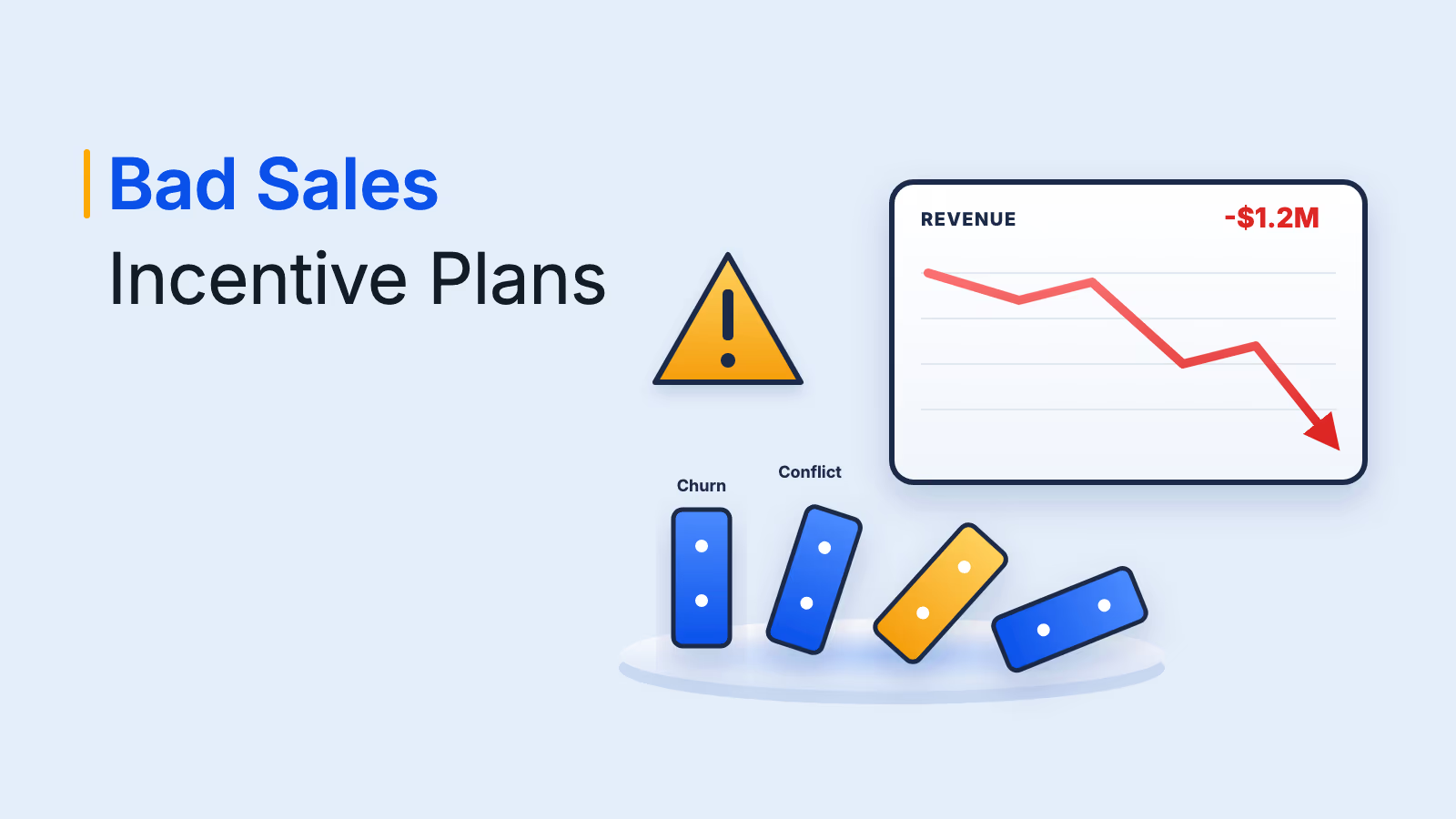
The build estimate covers launch. Maintenance, fraud, audit, and every program change land on engineering afterward.
Build only when loyalty is your product. For most brands, the real comparison is a product team versus a platform fee.
Your engineering lead says they can build the points engine in one sprint. They are probably right. The sprint is not the problem.
The cost shows up later. Finance asks for a liability report. The POS vendor changes an API. Someone finds a cluster of duplicate accounts farming the signup bonus. None of that was in the estimate.
This guide covers what it costs to build a loyalty platform versus buy one: the parts of the system teams forget they own, the costs that start after launch, and a short test for when building is the right call.
What a loyalty platform actually includes
Points are the visible part. Underneath sits a stack that has to work every time a member scans a card or taps redeem.
- Rule engine
- What you build
- Logic for every earn rule, tier change, and expiry edge case
- What a platform typically ships
- Configurable rules marketing can change
- Owner after launch (build / buy)
- Engineering / Program team
- Member data and consent
- What you build
- Profiles, identity matching, consent records, PII controls
- What a platform typically ships
- Member profiles with access controls
- Owner after launch (build / buy)
- Engineering and legal / Vendor and your team
- Ledger and liability
- What you build
- A points ledger, audit trail, breakage reporting
- What a platform typically ships
- Ledger and liability reports
- Owner after launch (build / buy)
- Engineering and finance / Finance
- Redemption and rewards
- What you build
- Catalog, vendor contracts, fulfillment, payouts
- What a platform typically ships
- A connected rewards catalog
- Owner after launch (build / buy)
- Procurement / Vendor
- Fraud controls
- What you build
- Detection rules, approval queues, maker-checker workflows
- What a platform typically ships
- Anomaly detection, approvals, audit trails
- Owner after launch (build / buy)
- Engineering / Vendor and risk team
- Integrations
- What you build
- POS, ecommerce, CRM, and warehouse connectors
- What a platform typically ships
- Prebuilt connectors and APIs
- Owner after launch (build / buy)
- Engineering / Vendor
Most build estimates price the first row and wave at the rest. Our list of must-have loyalty management system features shows how long the full inventory gets.
The estimate stops at launch
A build estimate prices the build. Four costs only start once members are using the program:
- Maintenance: every upstream change lands on your team: a POS update, a new payment rule, a privacy requirement.
- Fraud and abuse: points behave like currency, and people treat them that way. Duplicate accounts and account takeover need rules, review queues, and someone watching them.
- Finance and audit: unredeemed points are a liability. Auditors expect reporting you can defend, which is why liability and breakage accounting belongs in the build scope from day one.
- Program changes: a new tier or promotion becomes a ticket, queued behind the core product roadmap.
The last one costs more than it looks. A marketing team that waits weeks for a tier change stops asking for changes.
See how Loyalife handles rules, ledger, and fraud controls
Bring your program rules and audiences. We will show which of the six capabilities you would not have to build.
Book a free 30-min demoTrusted by 5,000+ companies
Time to launch is a cost too
Every month without a program is a month of customers who bought once and had no reason to come back. A build that takes nine months instead of three costs more than engineering time. It gives up a season of repeat purchases.
Software estimates also slip. According to McKinsey and the University of Oxford, which studied more than 5,400 IT projects, large projects ran 45% over budget and 7% over schedule on average, and delivered 56% less value than predicted. Software carried the highest overrun risk.
Most loyalty builds are far smaller than the $15 million projects in that study. Read it as a warning about estimating software, not a forecast for yours.
Why "we only need points" rarely stays true
Year one is points. In year two, marketing asks for tiers. The partner team wants dealers earning on invoices. A regional launch needs a second currency and a WhatsApp channel.
Each request is reasonable. Together they make a second product, with its own roadmap and its own on-call rotation. Programs that serve several audiences, such as customers, dealers, and influencers, hit this wall first. A white-label loyalty program built on a platform absorbs those requests as configuration instead of code.
When building is the right call
Building is sometimes right. It is right less often than teams expect, and for predictable reasons.
- Loyalty is the product itself, such as a marketplace whose currency is the offer
- Best fit
- Build
- Why
- The engine is your differentiation, so owning it pays
- One audience, simple rules, small team to run it
- Best fit
- Buy
- Why
- Little to gain from custom logic, a lot to lose to maintenance
- Customers, dealers, and influencers in one program
- Best fit
- Buy
- Why
- Multi-audience rules are the fastest-growing scope
- Strict data residency or an unusual architecture
- Best fit
- Hybrid
- Why
- Vendor engine and ledger, your own front end and data layer
- Launch needed within a quarter
- Best fit
- Buy
- Why
- Builds slip, and a missed quarter has a real cost
The hybrid row is underrated. A custom front end on a platform's APIs keeps your brand experience and skips rebuilding the ledger. Check the integration options before you assume it needs a rebuild.
How Loyalife approaches the build-or-buy question
Teams that choose to buy usually want the same thing: the unglamorous parts already finished. Xoxoday Loyalife ships the rule engine, member profiles with access controls, a points ledger with liability reports, and anomaly detection with maker-checker approvals. Its rewards catalog connects to 10M+ rewards options across 150+ countries.
In practice, a marketer changes an earn rule or launches a tier from the rule engine without filing a ticket. Finance pulls its own liability report. Your engineers keep the integrations that are specific to your business.
You can see the full scope on the loyalty management software overview, and see how the cost lines compare on the pricing page.
Five questions to settle it
- Is loyalty your product, or a way to sell your product?
- Who owns the program in year three, after the original engineers move on?
- Can finance get a liability report without a ticket?
- How many audiences will you serve within 18 months?
- What happens to the product roadmap while the build runs?
If most answers point away from "loyalty is the product," you are pricing a product team, not a project. For the numbers, start with the loyalty program cost breakdown and the loyalty program ROI model.
Your next step: price the whole system
Take the six capabilities from Table 1 and ask three things of each: who builds it, who runs it, and who fixes it at 2 a.m.? If the answer is "engineering" most of the time, the build is not the cheaper option.
Already built and ready to leave? Our loyalty platform migration checklist covers the steps and risks. Considering a vendor? The buyer's guide to loyalty program software shows how to compare them.
Book your Loyalife demo
Frequently asked questions
Building is cheaper on the launch invoice and more expensive over time. Maintenance, fraud controls, finance reporting, and program changes keep consuming engineering hours. Compare three years of ownership, not the build quote.
A basic points engine can be ready in weeks. A production system with a ledger, fraud controls, integrations, and reporting takes much longer, and timelines tend to slip as scope grows. A platform typically launches in weeks to a few months.
Maintenance, fraud and abuse handling, finance and audit reporting, privacy compliance, and the engineering time every new tier or promotion takes. Add the revenue lost while the build is still running.
When loyalty is the product itself and the engine is your differentiation. Brands with strict data residency needs can also build the front end and buy the engine.
Yes. A platform's APIs let you build a custom front end while the vendor runs the ledger, rules, and fraud controls. Loyalife supports this through its APIs and integrations.