Every loyalty platform demo looks the same for the first twenty minutes. Points go up, a badge pops, a push notification lands. The differences show up in month eight, when finance asks for points liability by tier and nobody can pull it, or when marketing wants double points for one segment on one weekend and the platform needs a developer ticket to say yes.
The features that decide whether a loyalty management system works are rarely the ones in the demo.
Members are not patient with weak programs. Deloitte's 2025 survey of 5,564 US loyalty members found people enroll in about eight programs and actively use five. The other three sit unused, and a program that is slow to reward or hard to change has little chance of staying in the five.
This guide lists the 10 loyalty management system features worth testing before you sign, with the question that exposes a weak version of each.
Disclosure: Xoxoday publishes this guide and Loyalife is a loyalty management platform, so some features include a note on how Loyalife handles them. Every feature is judged on the same test: would you miss it in year two?
The 10 must-have loyalty management system features
- Flexible rule engine for earning and spending rules you can change without engineering
- Unified member profile for one view of every purchase, point and message
- Tiers and segmentation for status members can climb and groups you can target
- Omnichannel earn and redeem for the same balance in store, online and in the app
- Personalized campaigns and smart nudges for offers timed to member behavior
- Rewards catalog and redemption options for something worth redeeming for
- Gamification and referrals for challenges and member-led growth
- Real-time analytics and liability reporting for numbers marketing and finance both trust
- Fraud controls and governance for protecting points as the currency they are
- Open APIs and prebuilt integrations for connecting the POS, CRM and ecommerce stack
What makes a loyalty management system worth buying?
A loyalty management system is the software that runs a program end to end: who earns what, how members are tracked, what they redeem for, and what it all costs. The numbers below show why the details matter.
5 of 8
Programs members actively use
out of the programs they enroll in
72%
Say loyalty programs make them more likely to spend
with their preferred brand
40%
Admit they sometimes forget to redeem
even when they have rewards
Source: Deloitte, 2025 Consumer Loyalty Program Survey, 5,564 US adults who are loyalty program members.
We judged every feature on four tests:
- Year-two test: does it still matter after launch, when the program has grown and the easy wins are gone?
- Self-serve test: can a program manager change it without engineering help?
- Audit test: can finance and compliance verify what it did?
- Channel test: does it work the same way across store, web, app and partners?
Features are ordered by how much of the rest of the program depends on them. Rules and member data come first because everything else reads from them.
The 10 loyalty management system features, at a glance
- 1. Flexible rule engine
- What it controls
- How members earn, multiply, cap and lose points
- Red flag in a demo
- Every new rule needs a services engagement
- 2. Unified member profile
- What it controls
- One record per member across systems
- Red flag in a demo
- Balance and history live in separate screens
- 3. Tiers and segmentation
- What it controls
- Status levels and who gets which offer
- Red flag in a demo
- Tiers are reviewed once a year by hand
- 4. Omnichannel earn and redeem
- What it controls
- The same balance in every channel
- Red flag in a demo
- Store balances update overnight
- 5. Personalized campaigns and nudges
- What it controls
- Who hears what, when and where
- Red flag in a demo
- Segments are static lists exported weekly
- 6. Rewards catalog and redemption
- What it controls
- What points can be spent on
- Red flag in a demo
- A thin catalog and a manual fulfillment queue
- 7. Gamification and referrals
- What it controls
- Challenges, progress and member-led growth
- Red flag in a demo
- A separate module with its own data
- 8. Analytics and liability reporting
- What it controls
- What the program costs and returns
- Red flag in a demo
- Finance exports to a spreadsheet
- 9. Fraud controls and governance
- What it controls
- Who can change what, and what gets flagged
- Red flag in a demo
- No audit trail for balance adjustments
- 10. Open APIs and integrations
- What it controls
- How the platform joins your stack
- Red flag in a demo
- Integrations are quoted per connector
1. Flexible rule engine
The rule engine decides how members earn and spend, so every other feature sits on top of it. A weak one makes you describe the program you want in the terms the software allows.
Say marketing wants double points on Tuesdays for gold-tier members who bought in two categories last month. If that rule needs a developer ticket, it will not run before the quarter ends. A good engine takes conditions (tier, category, channel, store, date) and actions (earn, multiply, cap, expire), and lets you test a rule before it goes live.
Ask the vendor: can a program manager build, schedule and simulate a new earn rule without engineering?
In Loyalife: the rule engine configures complex program rules and schemes, and automates the rewards that follow.
See these 10 features run against your own program rules
Bring your hardest earn rule and your reporting questions. We will build and show them live.
Book a free 30-min demoTrusted by 5,000+ companies
2. Unified member profile
A loyalty program that cannot see the whole member makes small, expensive mistakes. It sends a win-back offer to someone who bought yesterday in a store the platform never heard about.
The profile should pull purchases, points, redemptions, communications and support history into one record, updated in near real time. It should also capture first-party data directly, through surveys, forms, gamified actions and receipt or invoice scans, so you are not renting cookies to know your own members.
Ask the vendor: how fast does an in-store purchase reach the profile, and which system wins when two systems disagree?
In Loyalife: a 360-degree member profile syncs through APIs and scheduled bulk upload, with PII protection and role-based access.
3. Tiers and segmentation
Tiers give members something to climb. Segments give you someone specific to talk to. You need both, and they should share the same data.
Watch for tiers that are evaluated once a year by a person with a spreadsheet. Members notice when status takes a month to show up, and they notice more when a tier drops without warning. Rolling windows and a visible progress bar to the next tier solve most of it.
If you also run dealer, distributor or influencer programs, ask whether one platform holds those audiences with different rules, rather than three separate tools.
Ask the vendor: can tiers use rolling windows, and can a member see exactly how far they are from the next one?
In Loyalife: segments and tiers can be built on spend, points balance or tenure.
4. Omnichannel earn and redeem
A member earns online on Monday and tries to redeem in a store on Tuesday. If the balance has not moved, the program has just taught them not to trust it.
Omnichannel means one balance, one set of rules and the same answer in every channel, in real time. It is the hardest feature to fake, because it depends on how the platform connects to your point-of-sale and ecommerce systems. Our guide to omnichannel loyalty programs covers the design side.
Ask the vendor: is the balance real-time at the till, or batched overnight?
In Loyalife: online and offline data are unified so offers and rewards reach members in store, online and in the app.
5. Personalized campaigns and smart nudges
Members will share data if the offers justify it. Deloitte found willingness to share personal information for tailored offers is high among younger members and drops with age, which tells you who a personalization engine can serve best.
Look for a campaign builder that runs multi-step journeys on several attributes, not a blast tool with a segment dropdown. The next level is predictive: lapse-risk scoring that triggers a retention offer before the member goes quiet.
Ask the vendor: are segments live and rule-based, or lists you export and reload each week?
In Loyalife: campaigns run across channels, with churn prediction and time- and channel-optimized nudges.
6. Rewards catalog and redemption options
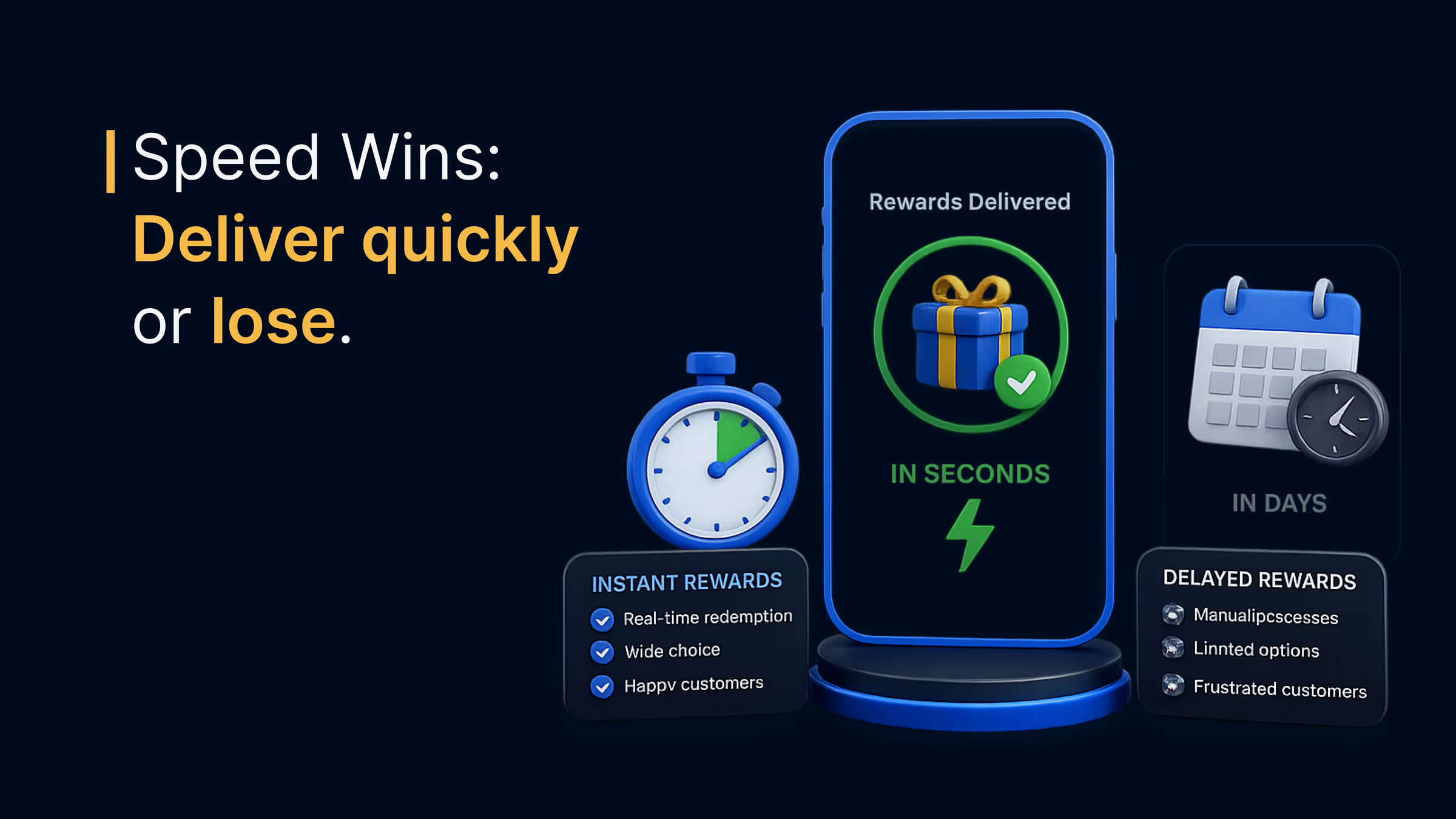
Deloitte found 40% of members sometimes forget to redeem. Part of the fix is a catalog worth remembering.
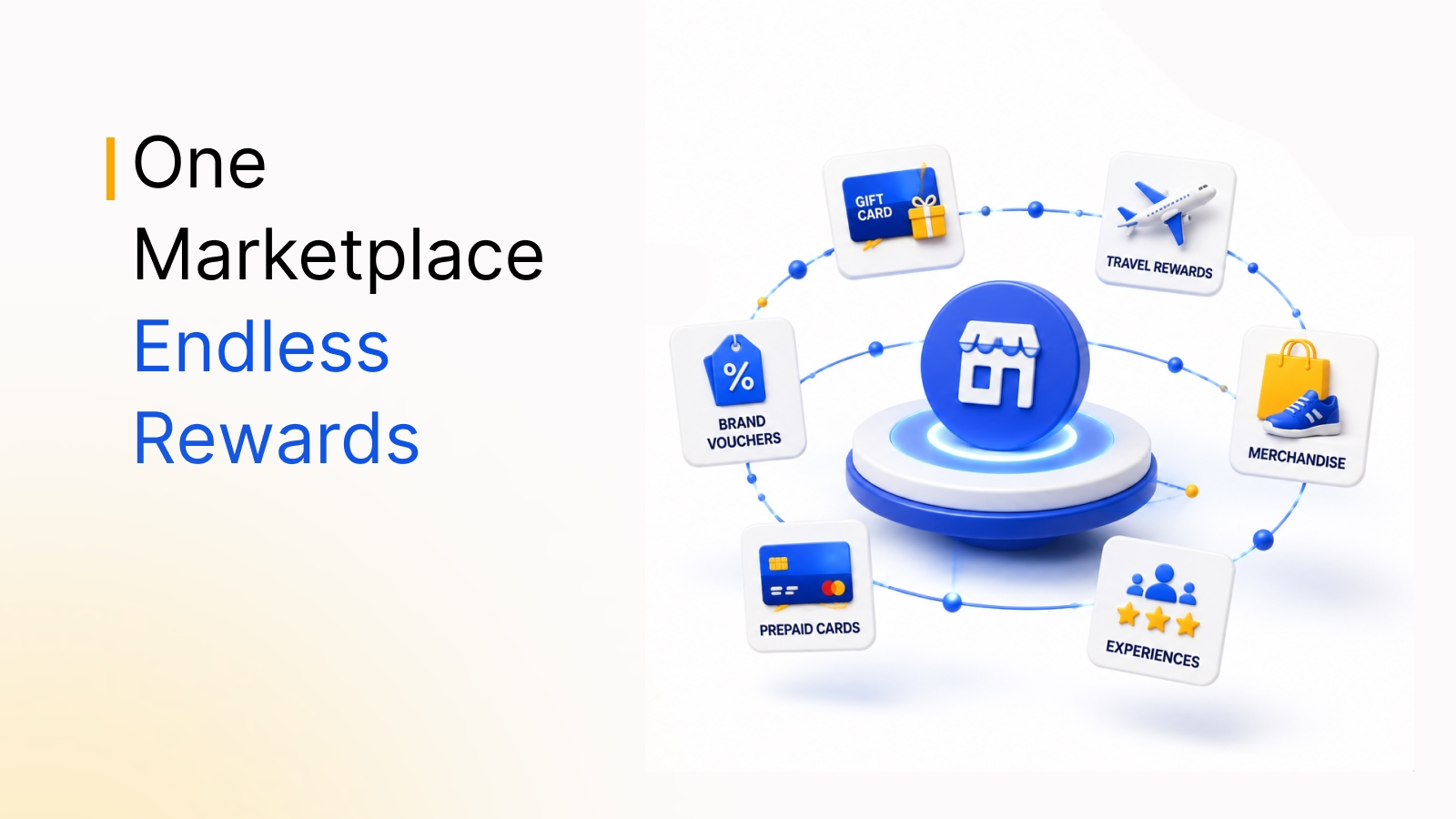
A strong catalog mixes gift cards, experiences, travel, merchandise and cash-style options, and covers the countries where your members live. Points should be able to sit in a wallet alongside digital cards or custom currencies, with redemption that takes a few taps.
Ask the vendor: how many countries and currencies does the catalog cover, and who handles fulfillment, delivery and tax?
In Loyalife: the rewards marketplace offers 10M+ options across 150+ countries.
7. Gamification and referrals
Gamification that is bolted on feels like a sticker chart. It works when challenges, milestones and leaderboards run on the same rules and data as the rest of the program.
Referrals follow the same logic. A configurable referral engine turns happy members into an acquisition channel, as long as it credits the right person and cannot be gamed. Our gamification in loyalty programs guide has examples of mechanics that hold up.
Ask the vendor: can a challenge use the same segments and rule engine as everything else, or is it a separate module with its own data?
In Loyalife: real-time leaderboards, milestones and progress trackers sit alongside a configurable referral engine.
8. Real-time analytics and liability reporting
Marketing wants engagement and redemption. Finance wants liability and expiry. A dashboard that serves only one of them gets ignored by the other.
The report library should cover transactions, members, communications, expiry and liability, and let you build custom reports without a data team. Plain-English summaries help the person who has two minutes before a meeting. The metrics to track first are in our guide to loyalty program KPIs.
Ask the vendor: can finance pull points liability and expiry by tier without leaving the platform?
In Loyalife: a reports and insights layer includes a configurable real-time dashboard and AI-generated KPI snapshots.
9. Fraud controls and governance
Points are a currency, and currencies attract thieves. Duplicate accounts, takeover of dormant balances and fake claims all cost real money, usually before anyone notices.
The controls to look for are anomaly detection on earning and redemption thresholds, approval queues for unusual activity, maker-checker steps on critical changes, role-based access and a full audit trail. They matter as much for honest mistakes as for fraud.
Ask the vendor: who can change a rule or adjust a balance, and where can an auditor see the history?
In Loyalife: security, fraud and governance controls include maker-checker workflows and audit trails. The platform is SOC 2 certified and GDPR compliant.
10. Open APIs and prebuilt integrations
A loyalty platform that cannot talk to your stack becomes a second source of truth, and then a source of arguments. Point-of-sale, ecommerce, CRM, data warehouse and payments are the connections that decide whether the program runs on live data.
Ask which integrations are prebuilt, which need custom work, and who pays for the work when a source system changes. Well-documented APIs matter even if you never write code yourself, because your engineers and your next vendor will.
Ask the vendor: which of my systems have prebuilt connectors, and what happens to them when I upgrade the POS?
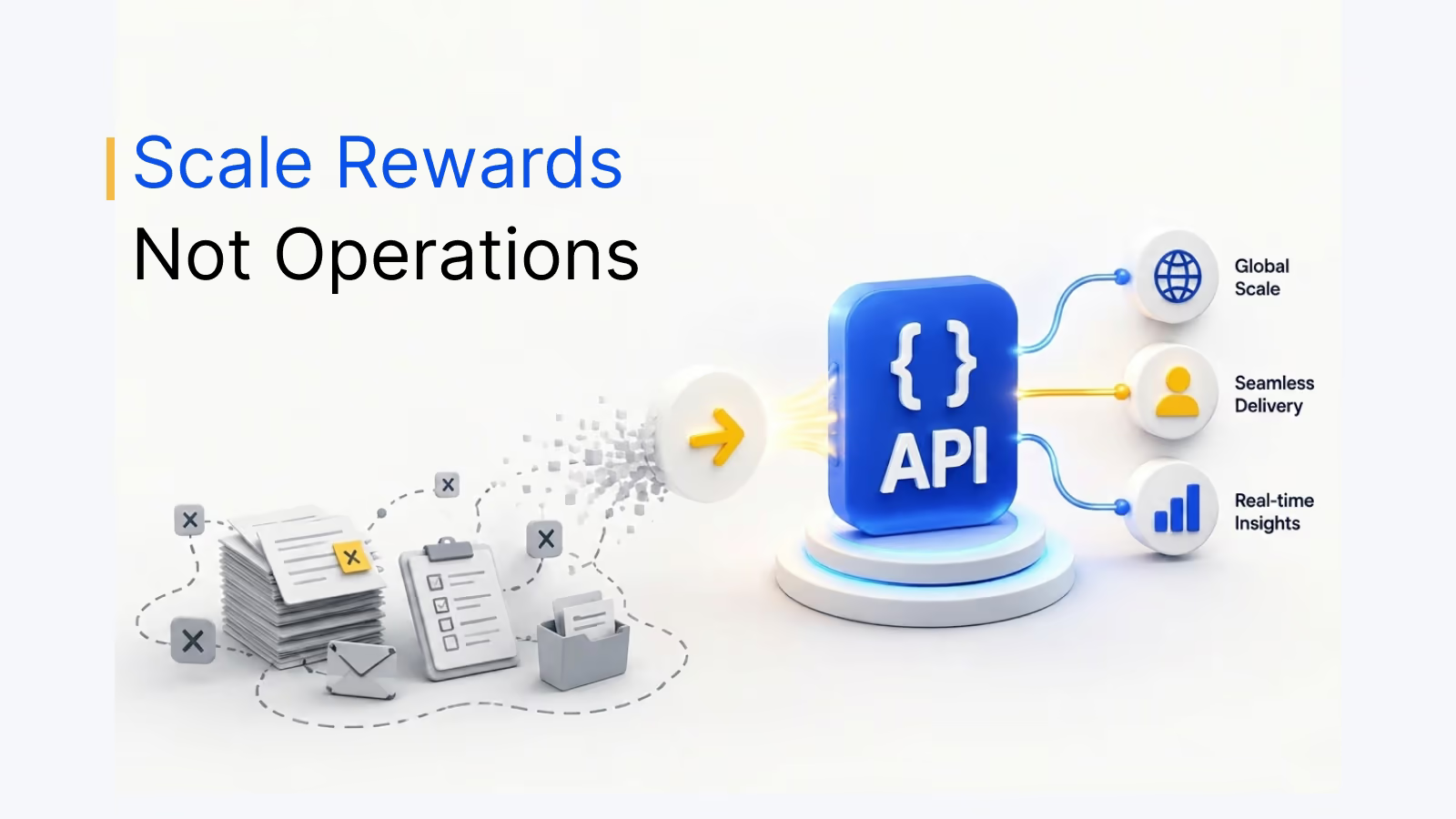
In Loyalife: a REST API-first design with OAuth 2.0 connects the platform to your existing systems, and batch SFTP is an option for getting started.
How Loyalife approaches loyalty management
Most feature lists assume one program for one audience. Brands rarely stay there. A retailer starts with customers, then adds a dealer scheme, then an influencer program, and ends up with three tools and three versions of the truth.
Xoxoday Loyalife runs customer, channel, influencer and coalition programs from one member-management core and one rewards marketplace. Teams manage every audience in one place instead of three. For the full picture, start from Loyalife's loyalty management software overview.
Book a free 30-min demo to see these ten features against your own rules.
How to test these features in a vendor evaluation
A feature list on a slide proves nothing. Make every vendor show you these four things with your data:
- Your hardest rule, built live. Pick the most complicated earn rule in your current program and watch it configured, not described.
- A balance across two channels. Earn in one, redeem in another, and check the number.
- A liability report. Ask finance to name the report they need and see it produced on the spot.
- A bad adjustment, traced. Make a deliberate error and ask where the audit trail shows it.
Our customer loyalty program software buyer's guide has a fuller evaluation checklist for enterprise teams.
Which features to prioritize first
You cannot weight all ten equally. Start from the problem that hurts most.
- Members drop out after sign-up: features 5, 6 and 7. Relevance, rewards worth redeeming and a reason to come back.
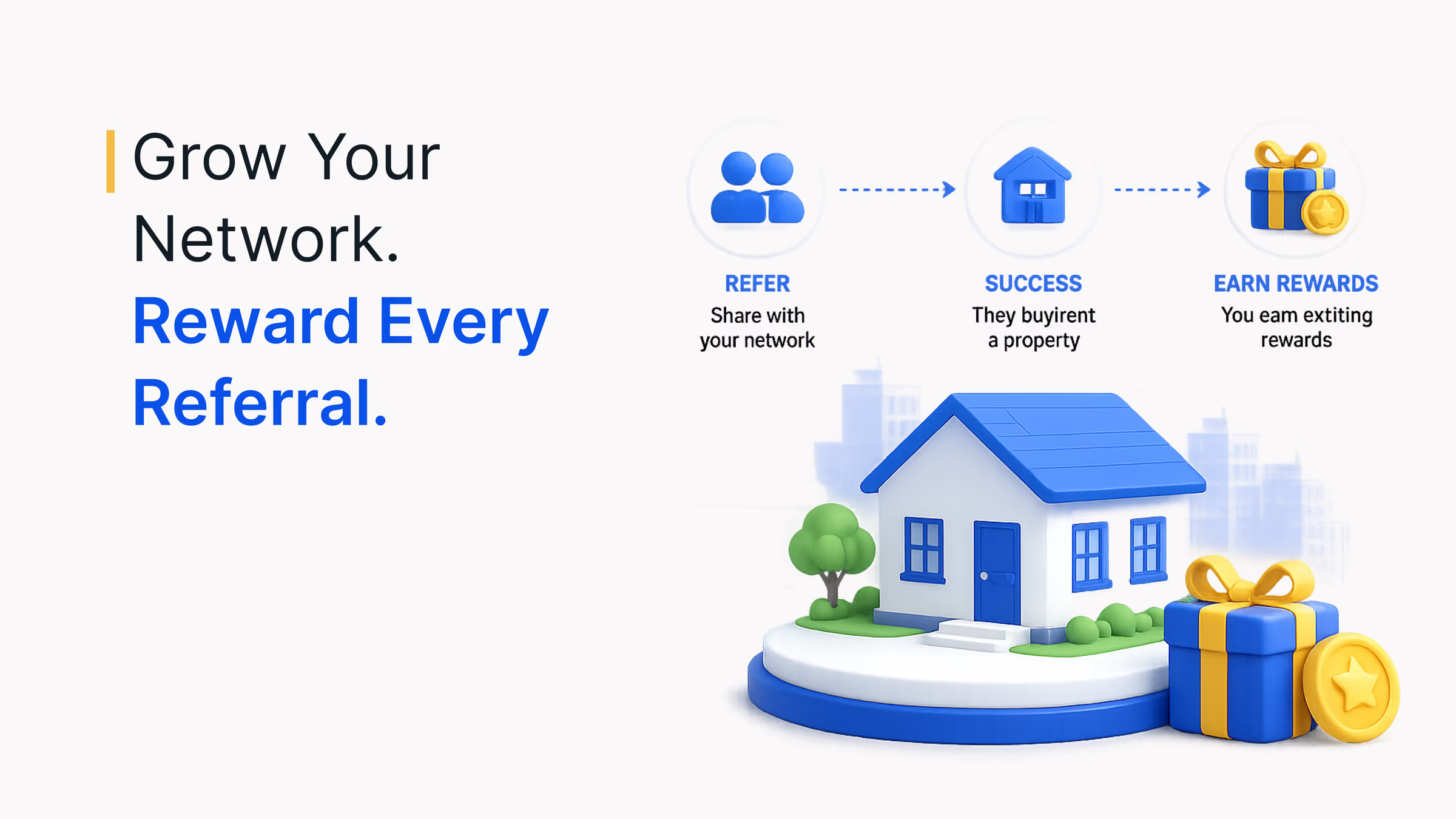
- Teams cannot launch changes quickly: features 1 and 3. Rule and segment control without engineering.
- Numbers do not match across teams: features 2, 4 and 8. One profile, one balance, one set of reports.
- Compliance or fraud worries: features 9 and 10. Governance and clean integrations.
Whichever list you start with, the rule engine and member profile decide how far the rest can go. Test those two hardest.
Book your Loyalife demo
Frequently asked questions
The core features are a flexible rule engine, a unified member profile, tiers and segmentation, omnichannel earn and redeem, personalized campaigns, a rewards catalog, gamification and referrals, analytics with liability reporting, fraud controls, and open integrations. The rule engine and member profile matter most because every other feature reads from them.
A loyalty management system is the software that runs a loyalty program end to end. It sets earning and redemption rules, tracks members and balances, delivers rewards and campaigns, and reports on cost and results.
Ask each vendor to build your hardest earn rule live, show one balance across two channels, and produce a liability report. Then make a deliberate balance error and ask where the audit trail shows it. A vendor that can do all four in a demo can usually do them in production.
Some can. Xoxoday Loyalife runs customer, channel, influencer and coalition programs from one member-management core and one rewards marketplace, so teams manage every audience in one place instead of in separate tools.
The program is the design: who you reward, for what, and with what. The management system is the software that runs it day to day. A good design on weak software stalls the first time marketing wants to change a rule.