Key Takeaways
Electronic payments are 85% of Saudi retail, so the earn moment has to attach to a card tap or phone number, not a receipt
Five regimes touch a Saudi program: data consent, consumer terms, VAT, central bank rules and competition law, so design each before launch
Only 7.7% of UAE and Saudi shoppers say membership brings them back, so make the first reward reachable in one or two purchases
Most loyalty programs launched in Saudi Arabia start as a copy of a program that worked somewhere else: points per riyal, a 12-month expiry, a pre-ticked marketing box at sign-up.
Three months later the marketing team is fielding three questions. Why do members tap a card at the till and never open the app? Why did legal flag the consent screen? And how does finance book a redeemed gift card against 15% VAT?
None of those three is a launch bug. They are the Saudi market showing how it works: payments that happen on a card or a phone, data rules written around opt-in consent, and tax and central bank guidance that treat points as something with value. Each shapes the program you build, and each is easier to design in than to retrofit.
Payments decide how members earn
Saudi retail now runs overwhelmingly on electronic payments. According to the Saudi Central Bank (SAMA), electronic payments made up 85% of retail payments in 2025, up from 79% in 2024.
85%
Electronic share of retail payments, 2025
SAMA, up from 79% in 2024
14.6 billion
Electronic transactions, 2025
SAMA, up from 12.6 billion in 2024
1.77 billion
mada e-commerce transactions, 2025, growing more than 57%
SAMA
Saudi payments by the numbers
Payment habits like these change the earn mechanic. A receipt-scanning program built for cash-heavy markets has nothing to scan. Identity has to attach at the payment itself: a mobile number keyed at the till, a QR code in the app, or a card token the member has agreed to link.
Linking a card or number is a data decision before it is a loyalty decision, and Saudi law treats it that way.
Why a generic points program struggles here
Membership alone is a weak pull. A Tabby survey of more than 7,500 shoppers in the UAE and Saudi Arabia found that only 7.7% called loyalty membership a strong reason to return to a brand. Separately, 30% said a good shopping experience mattered most, and nearly 30% of Saudi shoppers were frustrated when a retailer offered no free shipping.
Read that as a design brief, not a verdict. The survey does not say why membership scores so low, but one reasonable reading is that shoppers are not rejecting rewards. They are rejecting balances that sit in an app until some distant day.
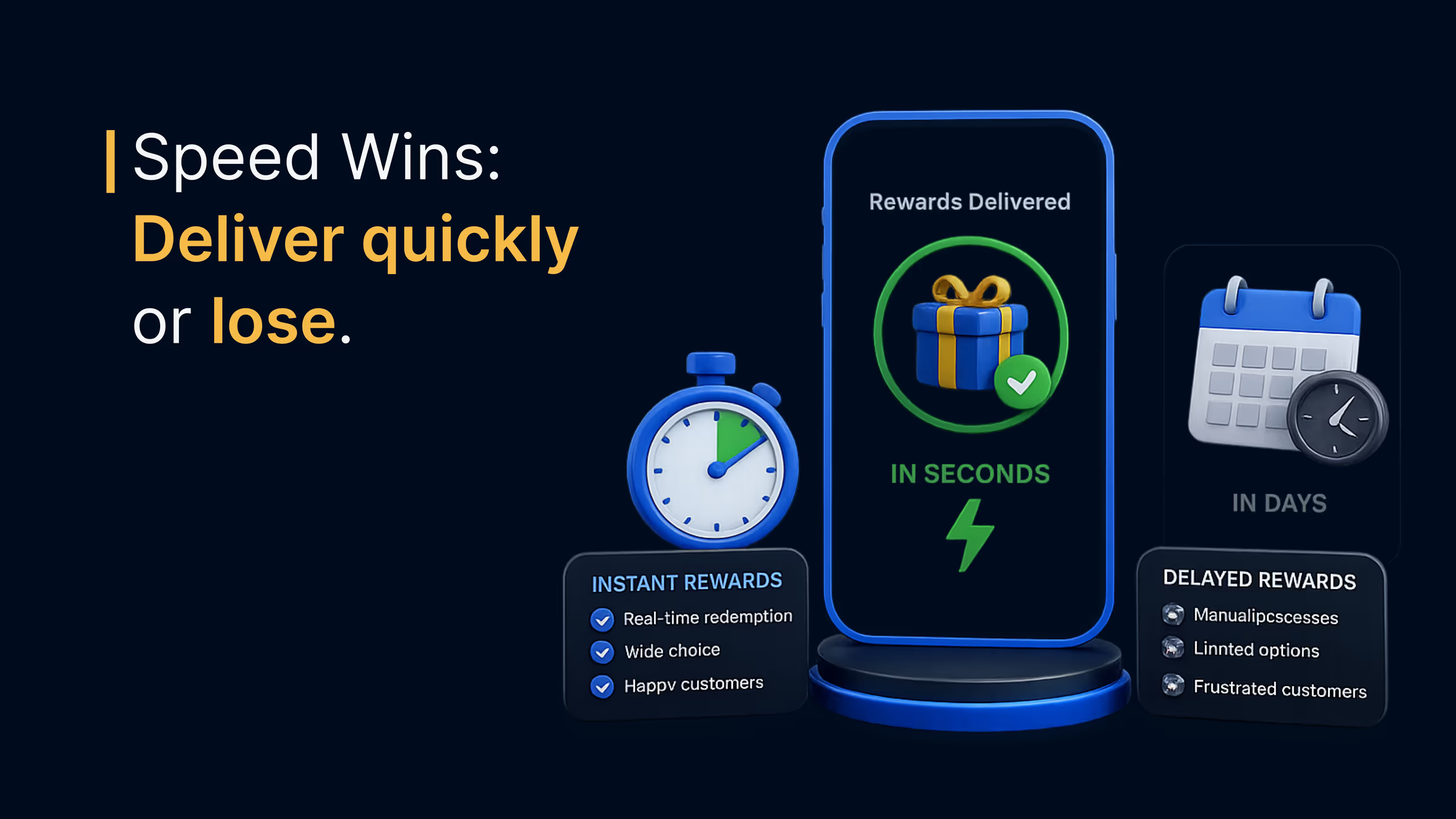
A program that pays back in the things shoppers already complain about, like delivery fees and checkout friction, earns attention a points counter does not. The first reward belongs there. See loyalty points programs for how to set that threshold.
See how Loyalife handles thresholds, approvals and audit trails
Set limits, review flagged transactions, and track liability and expiry in one loyalty program.
Book a free 30-min demoTrusted by 5,000+ companies
The rules a Saudi loyalty program has to respect
Saudi Arabia has no single loyalty law. Several regimes each touch a different part of the program. Use what follows as a design checklist, then confirm each point with local counsel before launch.
Consent and personal data
The Personal Data Protection Law (PDPL), enforced by the Saudi Data and AI Authority (SDAIA), makes the program operator a data controller. Marketing needs prior consent. According to Latham & Watkins, pre-ticked boxes and bundled consents are non-compliant.
Keep timestamped consent records and an easy way to withdraw. If a coalition shares member data across partner brands, treat each sharing path as its own consent question. SDAIA has also consulted on amendments to the implementing regulations, so check the current text before launch.
Terms and consumer rules
Under the Electronic Commerce Law, terms need to be accepted before a contract forms, usually through a click-wrap. Loyalty terms should spell out earning, redemption, expiry, forfeiture, and what happens if you change or end the program.
A seven-day rescission right applies to many online purchases, with exceptions for sectors such as accommodation and transportation that may cover some redemptions.
VAT
ZATCA's guidance on loyalty points indicates that where customers are charged no extra consideration for points, earning them is not a separate supply. VAT at 15% applies to the goods or services the member receives when points are redeemed through a merchant.
Vouchers follow separate rules in ZATCA's promotional offers guideline, and treatment can differ by sector and contract. Have a tax advisor confirm each reward format before it goes into the catalog.
Central bank rules
If points carry cash value, such as points that convert to cash, transfer between members, or behave like stored value, SAMA's Payments Regulations may apply, and licensing questions follow. According to Latham & Watkins, SAMA has issued no loyalty-specific guidance. Until counsel signs off, the conservative design is closed-loop rewards, no cash-out, and limited transfers.
Competition and partners
Coalition programs add exclusivity, partner settlement and data sharing between competitors to the list. Saudi competition law, enforced by the General Authority for Competition, looks at exactly those areas. Narrow, time-limited, terminable exclusivity keeps the risk lower.
| Area | Authority | Program element it touches | Design decision |
|---|---|---|---|
| Personal data | SDAIA (PDPL) | Sign-up, card or number linking, targeted offers | Opt-in consent, timestamped records, a withdrawal path |
| Consumer terms | E-Commerce Law framework | Earning, expiry, forfeiture, program changes | Click-wrap terms, plain expiry language |
| Tax | ZATCA | Redemptions, vouchers | Map VAT treatment per reward format |
| Payments | SAMA | Cash-out, transfers, stored value | Closed-loop rewards until counsel confirms |
| Competition | General Authority for Competition | Coalition exclusivity, partner data | Time-limited exclusivity, data-sharing controls |
What to put in the reward catalog
No neutral, published survey ranks Saudi redemption preferences, and vendor surveys that claim to are not worth building a catalog on. Guessing is expensive. Start from what the payment habits and rules above allow, then let redemption data pick the winners.
| Format | Time to value | Compliance question | Best use |
|---|---|---|---|
| Instant digital gift cards | Minutes | Voucher VAT treatment | Default catalog anchor |
| Checkout credit or cashback-style discount | Next purchase | Does it behave like stored value (SAMA)? | Repeat purchase in retail |
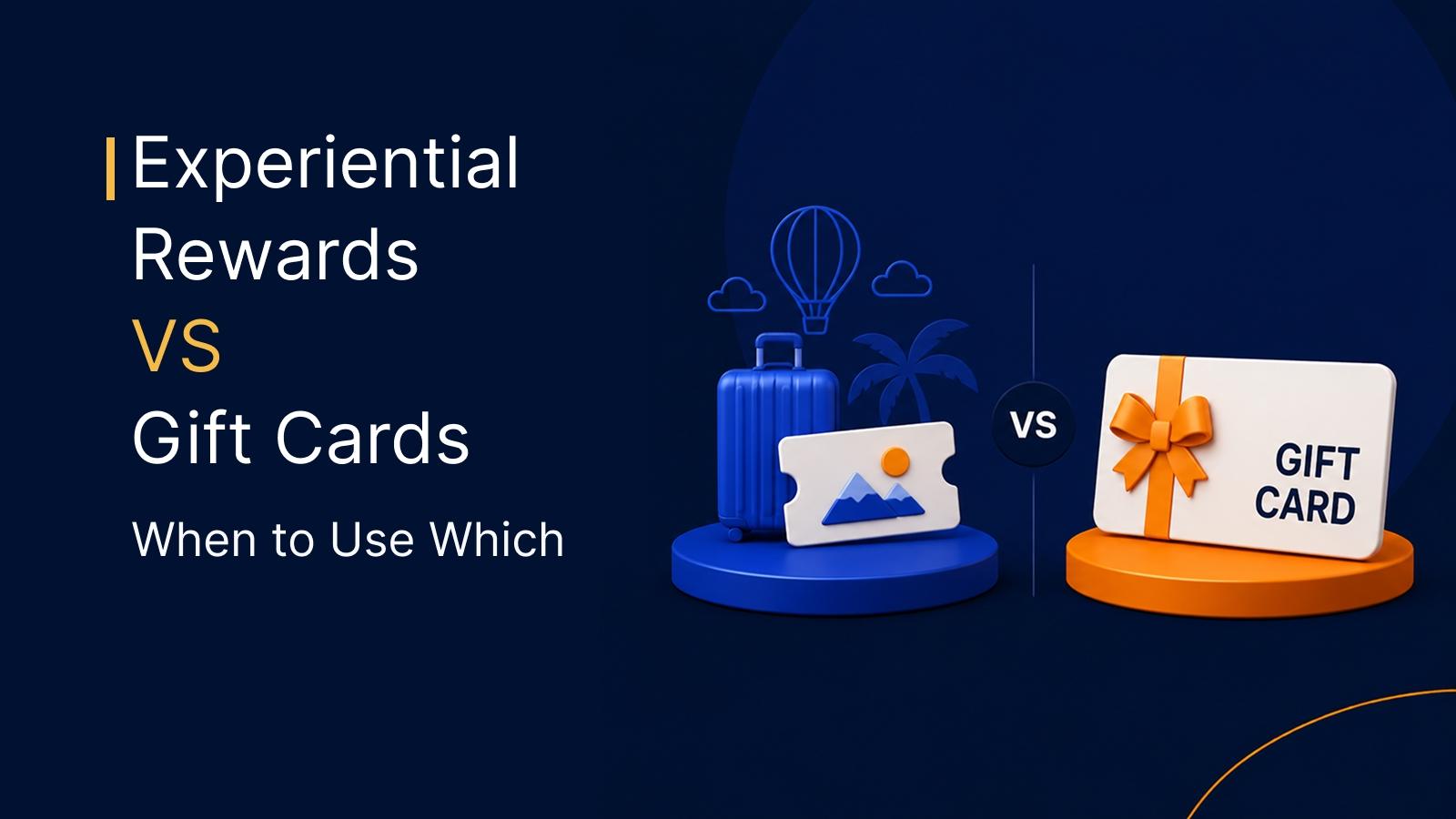
| Partner experiences (dining, travel, entertainment) | Days | Partner terms, rescission exceptions | Top-tier, aspirational redemptions |
| Physical goods | Days to weeks | Fulfillment and returns | Low priority at launch |
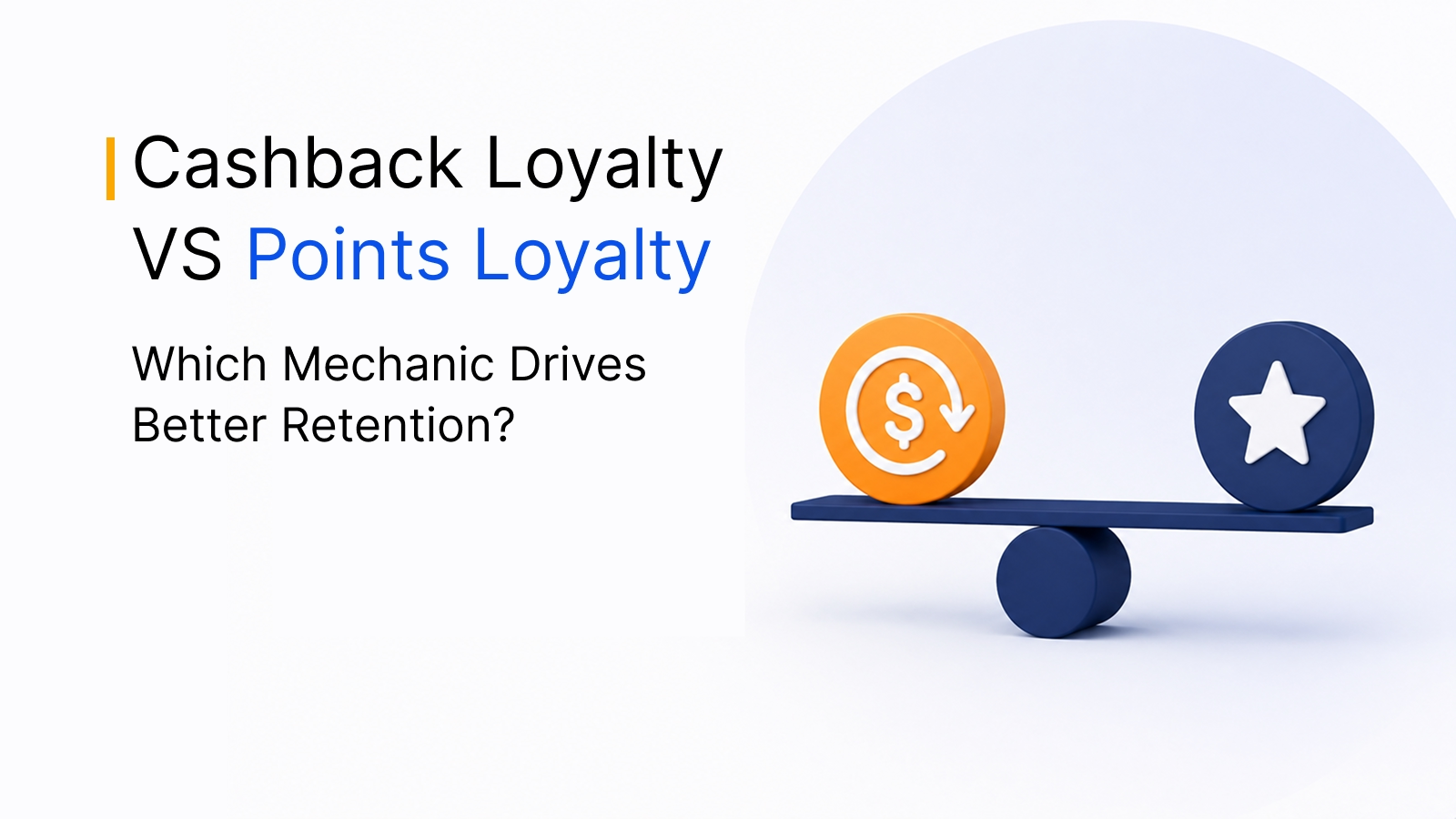
Launch with the first two formats plus a small experiences shelf, and put the first reward within one or two purchases. At day 90, check the redemption mix and move catalog weight to what members actually choose. The cashback vs points comparison covers how the two mechanics behave over time.
How Xoxoday Loyalife approaches loyalty in Saudi Arabia
Xoxoday Loyalife, a loyalty platform, connects to the payment and sales data a retailer or bank already holds, through APIs or scheduled bulk uploads. Points post when the transaction does. Members see balances in a white-labeled app or a WhatsApp bot, and redeem from a rewards catalog with local and global options in multiple currencies and languages.
On the control side, program owners set limits on points per transaction and per redemption, route anything over the limit to a reviewer, and keep an audit trail of every adjustment. Liability and projected expiry reports answer the question finance will ask in month three: what do we owe members? For coalition programs, a shared wallet lets partner brands run one points currency.
Two things to ask any vendor, us included: show Arabic and right-to-left screens, and show where member data is hosted. Both decide whether the program clears your legal review. The customer loyalty program software buyer's guide lists the rest.
A 90-day plan for a Saudi launch
Sequence matters more than speed.
- Days 1 to 15: Map your top three payment moments, such as in-store card or tap, online checkout and the app, and decide how a member is identified at each.
- Days 1 to 30: Write consent screens and terms with counsel, including expiry wording and what happens when the program changes.
- Days 15 to 45: Get tax advice on each reward format before it enters the catalog.
- Days 30 to 60: Launch with a small catalog and a first reward within reach after one or two purchases.
- Days 60 to 90: Review redemption mix, flagged transactions and liability, then rebalance the catalog.
Your next step toward a loyalty program built for Saudi customers
Pull last month's transactions and count how many arrive through each payment method. The dominant method is where your earn mechanic has to live, and where your consent screen has to be right.
A program that fits how Saudi customers pay, what the rules allow and what members will use does not need louder promotions. It needs to be there at the till.
Book your Loyalife demo
Frequently asked questions
They work when the value is easy to reach. A Tabby survey of UAE and Saudi shoppers found only 7.7% said membership was a strong reason to return, so programs that rely on membership alone struggle. Rewards tied to payments, delivery and an early first redemption give members a reason to use them.
Yes. A loyalty program collects and uses personal data, so the operator is a data controller under the PDPL. Marketing requires opt-in consent that is kept on record, with an easy way to withdraw.
Where members are charged nothing extra for points, ZATCA guidance indicates earning them is not a separate supply, and 15% VAT applies to the goods or services received at redemption. Vouchers and sector-specific cases follow separate rules, so confirm each reward format with a tax advisor.
Not by default, and SAMA has issued no loyalty-specific guidance. If points carry cash value, convert to cash, or transfer like stored value, SAMA's Payments Regulations may apply and licensing questions follow. Closed-loop rewards without cash-out lower that risk.
Anchor the catalog in instant digital rewards and checkout credit, add a small shelf of experiences for top tiers, and let redemption data decide the rest. No neutral survey ranks Saudi redemption preferences, so measure your own members by day 90. Xoxoday Loyalife reports on redemptions and liability to support that review.