Key Takeaways
Receipt scanning lets a brand reward purchases at any store, with no retailer data deal, by turning a photo of proof of purchase into points.
OCR only reads a receipt and cannot tell if the image is real, so duplicate checks and fraud scoring decide whether points are safe to post.
AI-generated fakes grew from 0% to 70.8% of flagged fake receipts in about 14 months, so approval rules must assume a polished receipt can be false.
A shopper buys your product at a store you have never signed a data agreement with. She walks out, and your loyalty program never hears about it.
Any brand that sells through someone else's checkout lives with this every day. You cannot link the sale to a member ID, a card, or a phone number, so your most loyal customer looks exactly like a stranger.
Receipt scanning closes that gap with an old trick: ask for the proof. The hard part is deciding which proof to trust.
What is receipt scanning in a loyalty program?
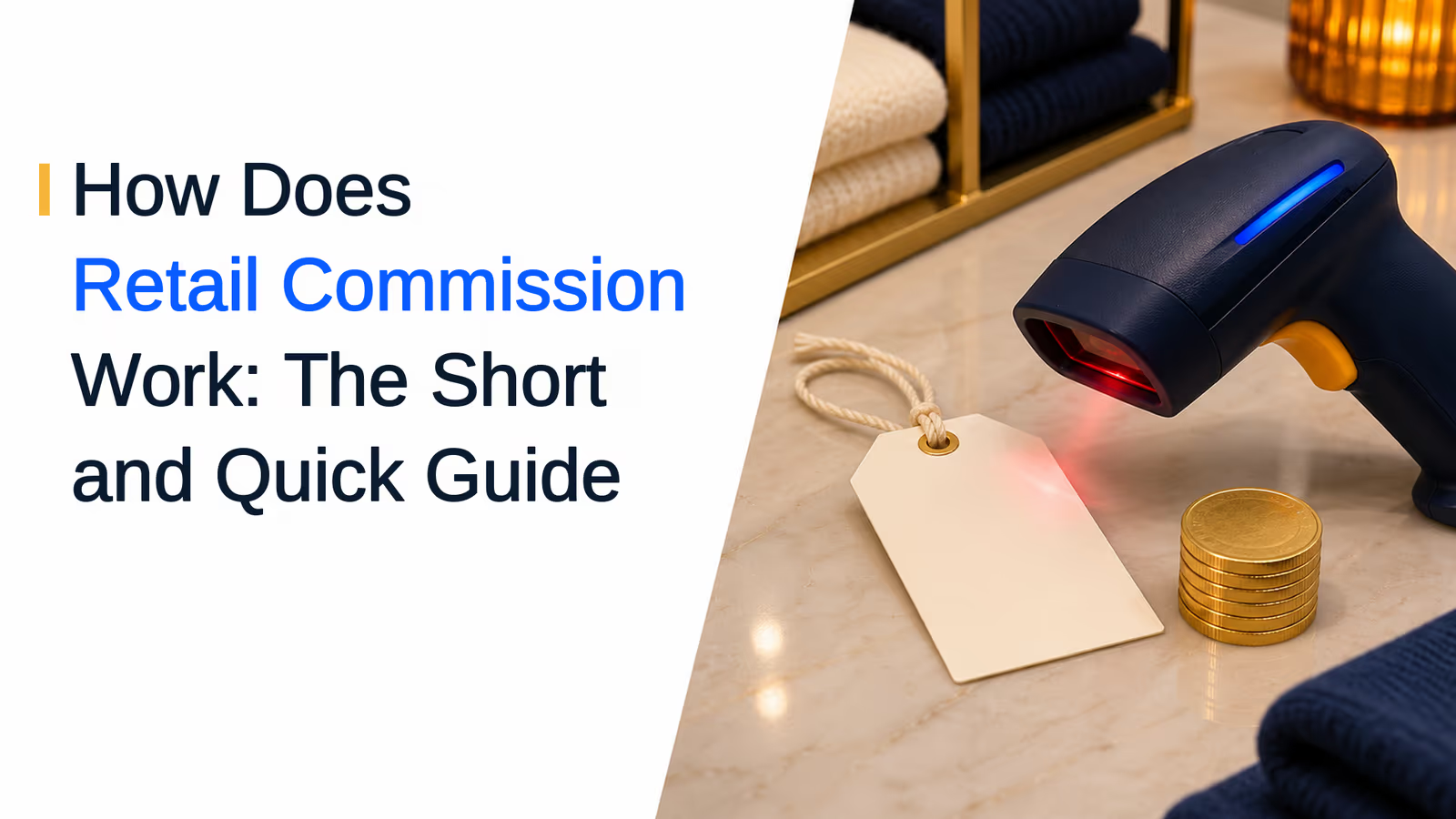
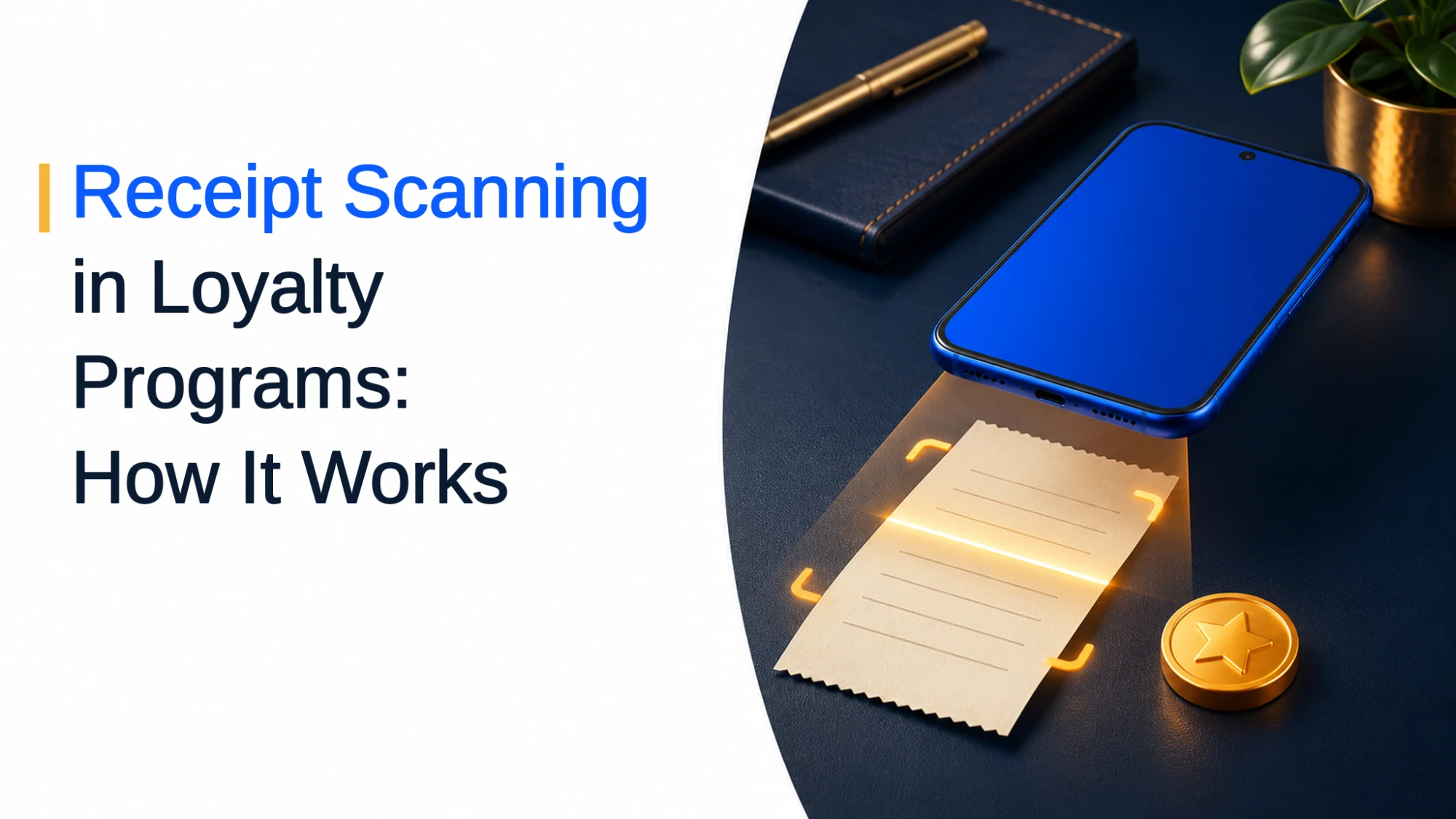
Receipt scanning lets a member photograph a receipt and upload it to earn points, cashback, or a reward. Software reads the receipt, checks it against the program's rules, and credits the member if the purchase qualifies.
It solves one specific problem: recognizing a purchase you did not process yourself. A retailer with its own POS can tie a sale to a member ID at the till. A brand selling through supermarkets, pharmacies, or distributors cannot, so the receipt becomes the only evidence.
The idea is old. Reading the photo no longer takes a person.
How receipt scanning works, step by step
Five steps sit behind the upload button:
- The member photographs the receipt. This happens in an app, a mobile web page, or a chat thread such as WhatsApp.
- The image is cleaned up and read. OCR pulls the merchant, date, total, and line items out of the photo.
- The data is checked against program rules. Does the receipt include a qualifying product? Is the date inside the campaign window? Is the merchant eligible?
- Fraud checks run. The system looks for duplicates, edited images, and spending patterns that do not look human.
- The decision posts. Clean receipts credit points within seconds. Uncertain ones wait in a review queue, and the member is told either way.
Step five matters more than it looks. A member who waits a week with no word on a rejected receipt does not upload a second one.
Why brands reach for receipts
Brands that sell through retailers face a loyalty problem the retailers do not. According to PYMNTS Intelligence, only 17% of grocery shoppers consider themselves loyal to specific brands, while 44% are deal chasers who go wherever the price is best. Without a direct line to those shoppers, a brand cannot tell which ones to keep.
Members will trade data for value. The trade has to feel fair. Bond Brand Loyalty's 2025 report found that 64% of customers are willing to share their data with a company in exchange for the benefits they prefer. The same coverage noted that customers are typically active in only about half the programs they belong to.
Receipt scanning is one of several ways to recognize a purchase, and not always the best one:
- Receipt scanning
- Needs retailer integration?
- No
- Customer effort
- Medium: photo and upload
- Product-level detail
- High: line items on the receipt
- Best for
- Brands selling through third-party stores
- Card-linked
- Needs retailer integration?
- Issuer or processor feed
- Customer effort
- Low after opt-in
- Product-level detail
- Medium: merchant and amount
- Best for
- Banks and rewards apps
- Member ID at POS
- Needs retailer integration?
- Yes, your own till
- Customer effort
- Low: show a code
- Product-level detail
- High, but only in your stores
- Best for
- Retailers and restaurants
- QR scan on pack
- Needs retailer integration?
- No
- Customer effort
- Medium: scan and submit
- Product-level detail
- Medium: the pack, not the store
- Best for
- Low-cost promotions and trade programs
If the card transaction feed is the better fit for you, our guide to card-linked loyalty programs covers that alternative in detail.
See Loyalife read a receipt and post the points
Watch OCR, duplicate checks, and approval rules run on a real receipt in a 30-minute demo.
Book a free 30-min demoTrusted by 5,000+ companies
What the OCR actually reads, and where it slips
OCR turns pixels into text. It does not understand what the text means.
The gap shows up in a few predictable places:
Fields it must extract
Merchant name, date, total, and the line items that decide whether the purchase qualifies. A program that only reads the total can reward a basket with none of your products in it.
Where reads go wrong
Faded thermal paper, receipts folded in a pocket, long receipts photographed in two shots, and layouts that differ by chain and country. Each one lowers the read's confidence.
What good systems do
They score their own confidence on every read and send the low-scoring ones to a person. A guess is cheaper to ignore than to reverse after the points are spent.
For FMCG brands selling through third-party stores, line-item accuracy is the whole point, because the reward usually depends on one specific product.
The fraud problem nobody budgets for
Reading a receipt and trusting a receipt are two different jobs. OCR validates the text, not where the image came from.
Fakes have also gotten better, fast. AppZen platform data, reported by Accounting Today in June 2026, covers expense reports rather than loyalty programs, but anyone with a phone can use the same tools.
34%
of workers admit using AI to generate a fake business receipt
Emburse, 2,000 U.S. and U.K. workers
32%
of finance professionals would not recognize an AI-generated fake receipt
Reported by Accounting Today, 2026
0% to 70.8%
AI-generated share of flagged fake receipts
March 2025 to mid-May 2026, AppZen, 1,471 flagged receipts
About $100
average flagged AI fake, with a median near $32
AppZen. Small amounts slip under approval thresholds.
How easy fake receipts have become
The last number is the one to remember. Fraud that stays small avoids the checks built for big claims.
No single check is enough, so programs stack them:
- Duplicate detection (fields and image match)
- What it catches
- The same receipt submitted twice or by two members
- What it misses
- A receipt re-photographed from a different angle
- Rule thresholds (amount caps, frequency limits)
- What it catches
- Unusually large or frequent claims
- What it misses
- Small claims that stay under the caps
- Image forensics
- What it catches
- Edited or synthetic images
- What it misses
- A genuine receipt for a purchase that does not qualify
- Manual review queue
- What it catches
- Cases the system cannot decide
- What it misses
- Nothing, but it does not scale if everything lands there
Set caps, send outliers to review, and keep a person in the loop for the first few months.
How Loyalife approaches receipt scanning
Reading a receipt is the easy part. Loyalife puts its effort into deciding what the receipt is worth.
A member uploads a photo through the white-labeled app or a WhatsApp chat. The platform reads the amount, date, and line items, scores its own confidence, and runs duplicate and image-readability checks.
The rule engine then applies campaign windows, product eligibility, and caps. Clean receipts post points automatically. Claims that cross a threshold wait for an approver, and claims management keeps an audit trail on every decision.
The same engine runs on security, fraud and governance controls such as anomaly thresholds and maker-checker approvals, so a spike in claims gets held before points move. A tyre manufacturer, for example, runs a WhatsApp-based mechanic program with duplicate checks and invoice-date validation, a pattern covered in our guide to automotive loyalty programs.
Brands can run this on one loyalty platform alongside points, tiers, and campaigns. The same invoice-upload flow also rewards influencers and trade partners, who often prefer a WhatsApp message to an app.
Rules to set before launch
Policy beats technology here. Decide these six things first:
- Define a qualifying purchase. Name the products, the eligible merchants, and the campaign dates in plain language members will read.
- Cap the rewards. Set a limit per receipt, per day, and per member so one clever user cannot drain the budget.
- Hold points until the return window closes. A refunded purchase should not leave the points behind.
- Set a decision time and keep it. Tell members how long review takes, and message them on every outcome.
- Ask for consent clearly. Say what receipt data you keep and why, and follow the privacy rules of each region you operate in.
- Measure review load and false rejects. Track them alongside the KPIs that matter to finance and marketing, not just uploads.
Treat the first 60 days as a tuning period. Loosen what blocks honest members and tighten what lets fakes through.
Your next step to a receipt program members trust
Receipt scanning is only as good as the rules behind it. The OCR gets a photo into your system. The caps, the checks, and the reply time decide whether anyone uploads a second one.
Start with one product, one campaign window, and a small review queue. Add scale once the rejects make sense.
Book your Loyalife demo
Frequently asked questions
Members photograph a receipt and upload it to earn points or rewards. Software reads the receipt, checks it against program rules, and credits the member if the purchase qualifies.
OCR extracts the merchant, date, total, and line items from the image. Rule and fraud checks then decide whether to credit points automatically or send the receipt to review.
Accuracy depends on image quality and receipt layout, so no single number fits every program. Good systems score each read and send the low scores to a person.
Yes, and AI tools make fakes easier to produce. Programs stack duplicate detection, amount and frequency caps, image checks, and manual review to catch them.
No. Receipt scanning works without any retailer data agreement, which is why brands that sell through third-party stores use it. A POS feed can speed up approvals where one exists.