Key Takeaways
A failing loyalty program looks healthy at sign-up. The gap between enrolled and active members is the first number to check.
Most failures trace to ten causes, from rewards out of reach to set-and-forget management, and each one shows up in a different metric.
Fix in order: name one behavior, shorten the path to the first reward, then segment and measure monthly instead of rebuilding.
The sign-up number goes up every quarter. The number of members who actually redeemed something does not, and nobody in the review meeting asks about it.
Most loyalty programs fail this way: quietly, behind a dashboard that still looks fine. Members enroll, earn a few points, and stop opening the emails.
The causes are rarely mysterious. There are ten, each fixable, and each leaves a different fingerprint in your data. Below: how to tell which one you have, and the order to fix them in.
Failure looks like success for the first year
Enrollment is the easiest number in loyalty to grow. A launch discount, a checkout prompt, and a few thousand members appear in a week. Whether anyone comes back is a separate question.
The Bond Loyalty Report found US consumers held about 19 loyalty memberships each in 2024, and only about 9.3 were active, according to eMarketer's summary. Customers are not short on programs. They are short on reasons to use yours.
19
Loyalty memberships held per US consumer
2024
9.3
Of those memberships that are active
2024
Source: Bond Loyalty Report 2024, via eMarketer
The cost of that gap is real. Bain's Frederick Reichheld, writing in Harvard Business Review, found that a 5% gain in retention can lift profits by 25% to 95%, depending on the business. A program that fails to retain leaves that range unclaimed.
So start with one blunt check: divide active members by enrolled members. If the ratio is shrinking while sign-ups grow, the program is failing, whatever the headline says.
Fix the weak link in your loyalty program
See how Loyalife handles earning rules, segments, and redemption in one platform.
Book a free 30-min demoTrusted by 5,000+ companies
Ten reasons loyalty programs fail
Nobody named the behavior
A program built to "increase loyalty" has no way to know whether it did. Loyalty is an outcome. The program has to target a behavior: a second purchase within 30 days, a higher basket, a referral, a reactivated lapsed customer.
Without that, rules get built for everything and tuned for nothing. Our customer loyalty plan framework starts here for a reason.
The first reward is too far away
A customer who needs 18 months to earn a $5 voucher stops counting by month three. Points feel like a long-term promise, and most customers will not wait months on a promise.
The fix is distance, not value. A reward reachable in two or three purchases builds the habit; a bigger reward later keeps it. Our guide to designing a loyalty points program covers the value-per-point math.
Everyone gets the same treatment
The same email goes to a weekly buyer and to someone who last purchased a year ago. Neither feels recognized, so both tune out.
Segmentation does not need machine learning. Recency, frequency, and category are enough to send three different messages, and three beats one.
Redemption is a chore
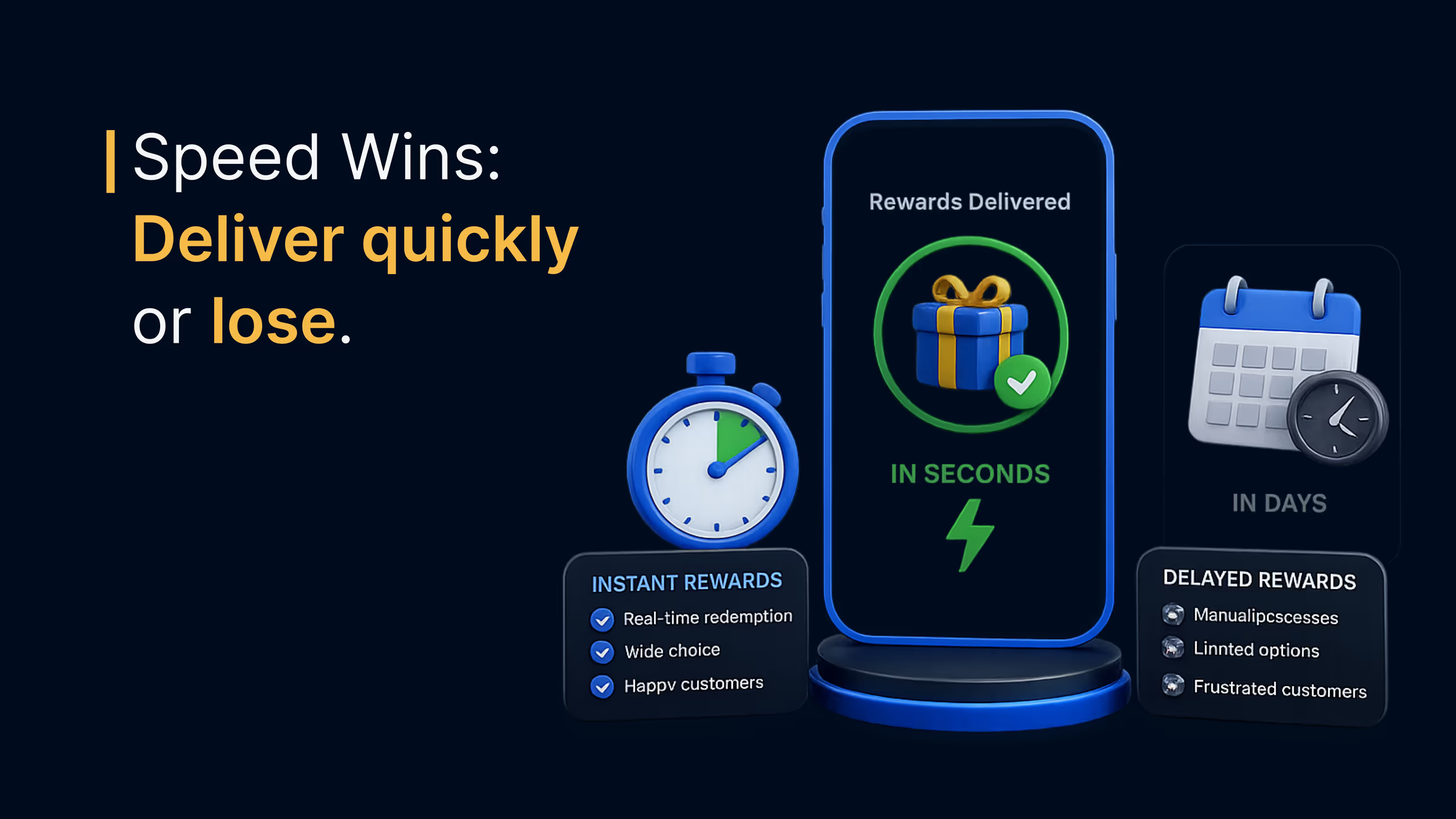
A thin catalog, a claim form with six fields, a voucher that arrives two days later: each one turns a reward into homework. McKinsey lists unappealing rewards, redemption problems, and members forgetting they are enrolled among the reasons points go unused.
A healthy earn rate paired with a weak redemption rate points straight at redemption friction.
The rules take a paragraph to explain
Tiered multipliers, blackout dates, and expiry that varies by reward type. If a member cannot say what they earn on their next purchase, they will stop trying to find out.
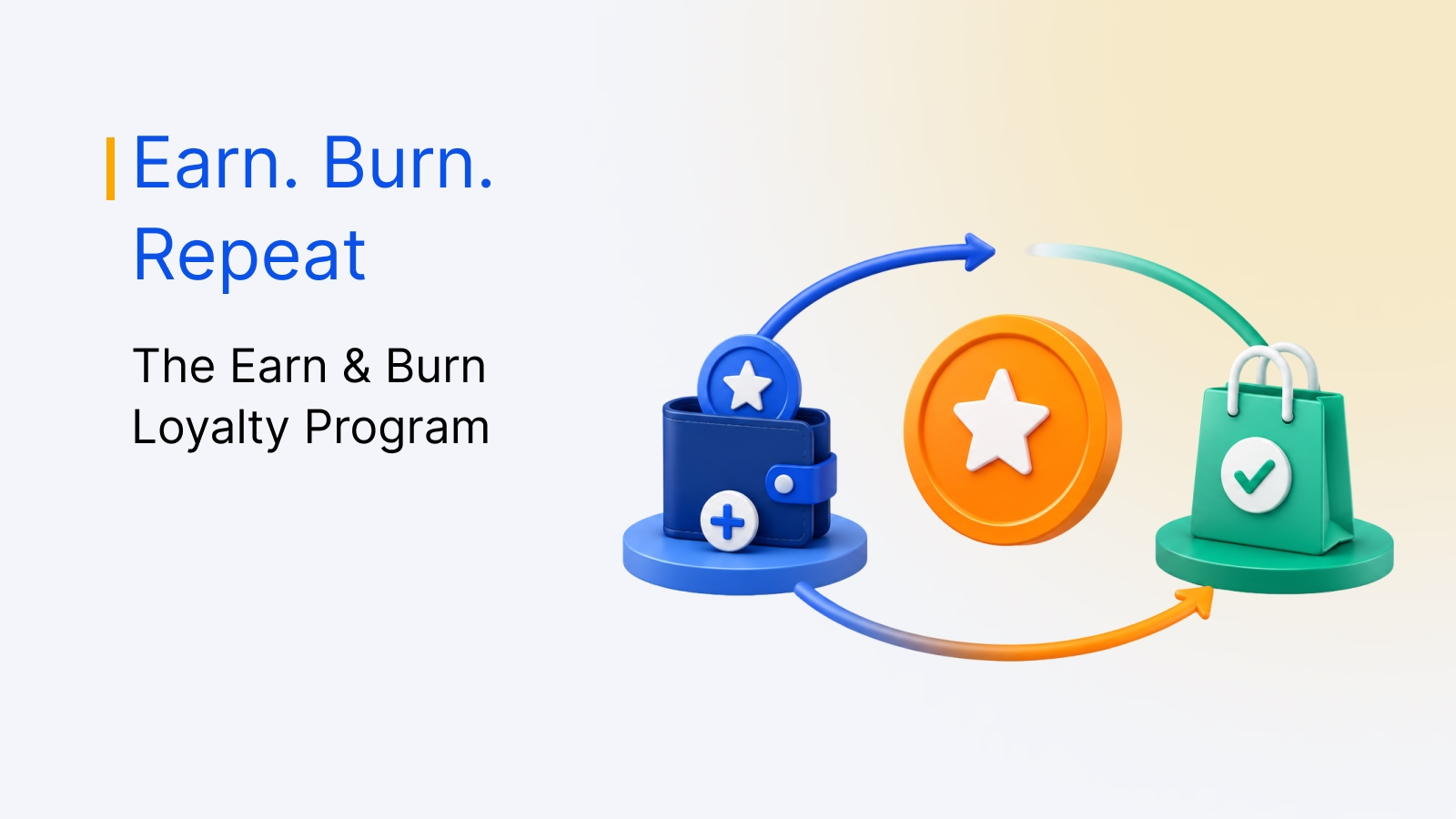
Test it: ask five colleagues how the program works, without looking. Disagreement is your answer. The earn-and-burn model shows where complexity usually creeps in.
Nobody measures what matters
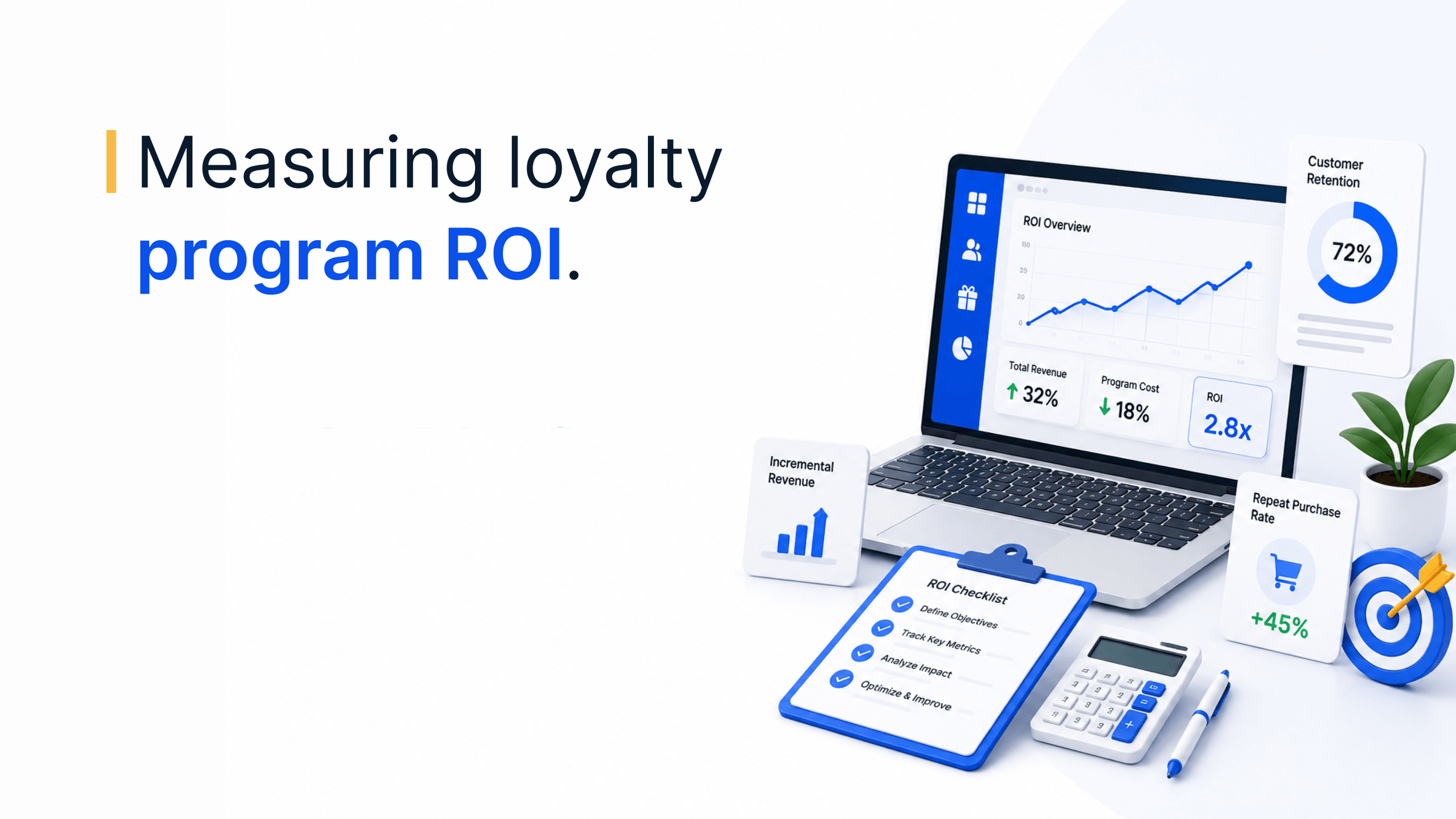
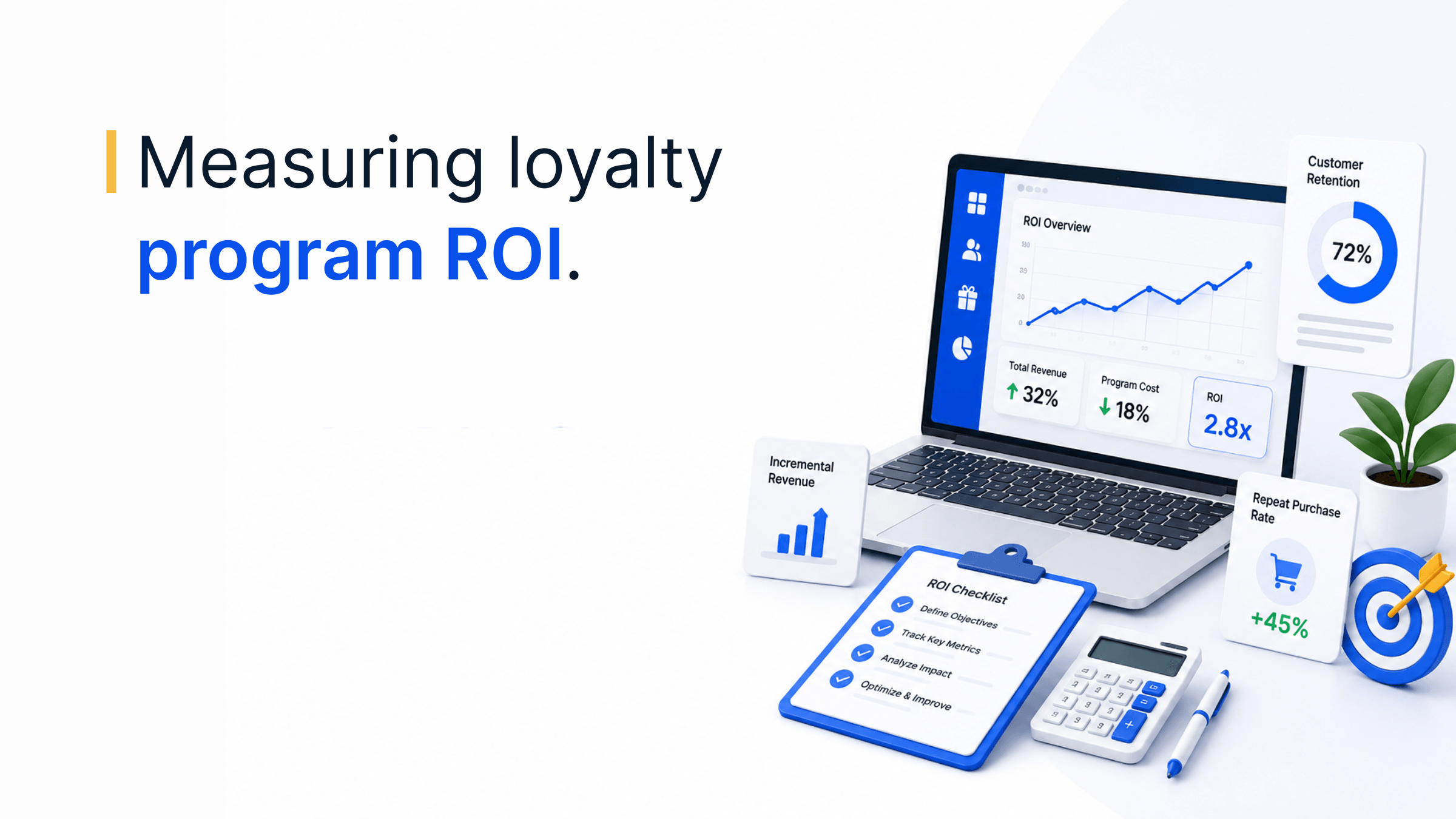
Sign-ups, points issued, and emails sent are activity metrics. They rise whether or not behavior changes. Active rate, repeat purchase rate, redemption rate, and incremental revenue tell the truth.
See the loyalty program KPIs worth tracking and how to measure loyalty program ROI.
The program was launched and then left alone
Margins move, competitors change their offers, and customers settle into new habits. A program configured once and never reviewed drifts out of fit. It drifts faster when points, campaigns, and reporting live in separate tools, because every change becomes a project and nothing gets changed.
Points expire without warning
A member opens the app to find 4,000 points gone, with no email beforehand. They do not blame the policy. They blame the brand, and they rarely earn again.
Expiry is a legitimate lever, but it needs two or three reminders and an easy way to extend by taking one action.
Nobody owns the program
Marketing runs the campaigns, finance sets the budget, and IT owns the platform. When active rate drops, each team assumes another is looking at it.
Name one owner with a single number to move, and give them the authority to change rules without three approvals.
The program lives in one channel
A member earns online but cannot redeem in store, or the app shows a balance the point-of-sale system cannot see. Every mismatch trains customers to ignore the balance.
Earn and redeem should work wherever the customer buys, from the same ledger.
- No named behavior
- What you see in the data
- Points issued rising, repeat purchase flat
- First fix
- Pick one target behavior
- Metric to watch
- Repeat purchase rate
- First reward too far away
- What you see in the data
- Many members stall at low balances
- First fix
- Add an early reward within 2 to 3 purchases
- Metric to watch
- Time to first redemption
- Same treatment for all
- What you see in the data
- Low open and click rates across the base
- First fix
- Split into three segments
- Metric to watch
- Active rate by segment
- Redemption friction
- What you see in the data
- High earn rate, low redemption rate
- First fix
- Widen catalog, shorten claim flow
- Metric to watch
- Redemption rate
- Rules too complex
- What you see in the data
- Support tickets about balances and expiry
- First fix
- Cut to one earn rule per action
- Metric to watch
- Support tickets per 1,000 members
- Wrong metrics
- What you see in the data
- Reports full of sign-ups, no revenue link
- First fix
- Add active rate and incremental revenue
- Metric to watch
- Incremental revenue per member
- Set and forget
- What you see in the data
- No rule or offer changes in 12 months
- First fix
- Schedule a quarterly review
- Metric to watch
- Days since last change
- Points expire without warning
- What you see in the data
- Spike in complaints and churn after expiry dates
- First fix
- Send reminders and offer an extension action
- Metric to watch
- Churn after expiry
- Nobody owns the program
- What you see in the data
- No one can say who changes a rule
- First fix
- Assign one owner and one number
- Metric to watch
- Days to ship a rule change
- One channel only
- What you see in the data
- Balance mismatches between app, web, and store
- First fix
- Run earn and redeem off a single ledger
- Metric to watch
- Balance-related tickets by channel
How to tell which failure you have
Most programs have two or three of these at once, but one usually dominates. Work through the data in this order:
- Compare enrolled and active members. If the active share is falling, move to step 2.
- Split earn from redeem. Strong earn with weak redemption points to rewards or friction. Weak earn points to behavior, rules, or reach.
- Cut active rate by segment and tenure. If new members drop off in the first 60 days, the first reward is too far away. If long-tenured members drop off, the program has gone stale.
- Read the support tickets. Questions about balances and expiry are a complexity signal that dashboards miss.
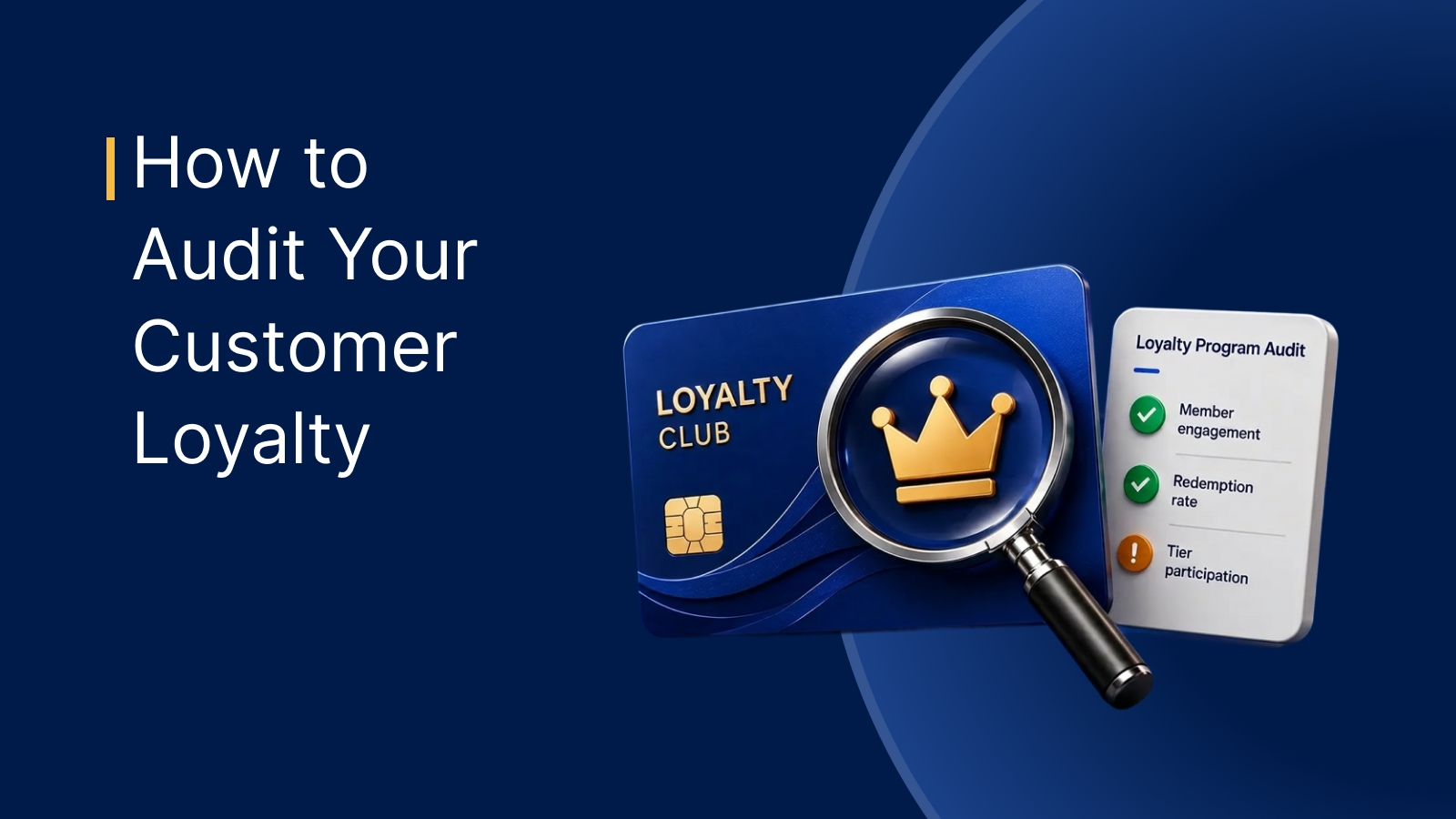
A full structured review is covered in our guide to auditing your customer loyalty program.
What a working program earns
The reason to fix it is not sentiment. Activity and redemption are where the spend is.
According to McKinsey, a typical active member spends about 10% more than an inactive one, and members who redeem spend about 25% more. The pattern is plain: spend follows activity and redemption, not enrollment. A program with a large inactive base is a mailing list with a rewards page.
How to fix a failing program, in order
Resist the full rebuild. A rebuild takes a year and resets the members you do have. Fix in this order instead:
- Name one behavior. Choose the single outcome the program should move this year.
- Pull the first reward forward. Add a small reward reachable within the first two or three purchases.
- Cut the rules. One earn rule per action. If a rule needs a footnote, remove it.
- Segment three ways. Recency and frequency are enough. Send each group a different message and offer.
- Open the redemption flow. Broaden the catalog and remove steps. Gamification mechanics such as streaks and challenges help once the basics work.
- Review monthly. Check active rate, redemption rate, and repeat purchase. Change one thing at a time so you know what worked.
If churn is the pain behind all this, pair these fixes with a loyalty-first retention playbook.
How Xoxoday Loyalife approaches this
Several of the causes above come down to configuration. A rule engine that cannot express a bonus for the second purchase in 30 days forces teams into blunt campaigns.
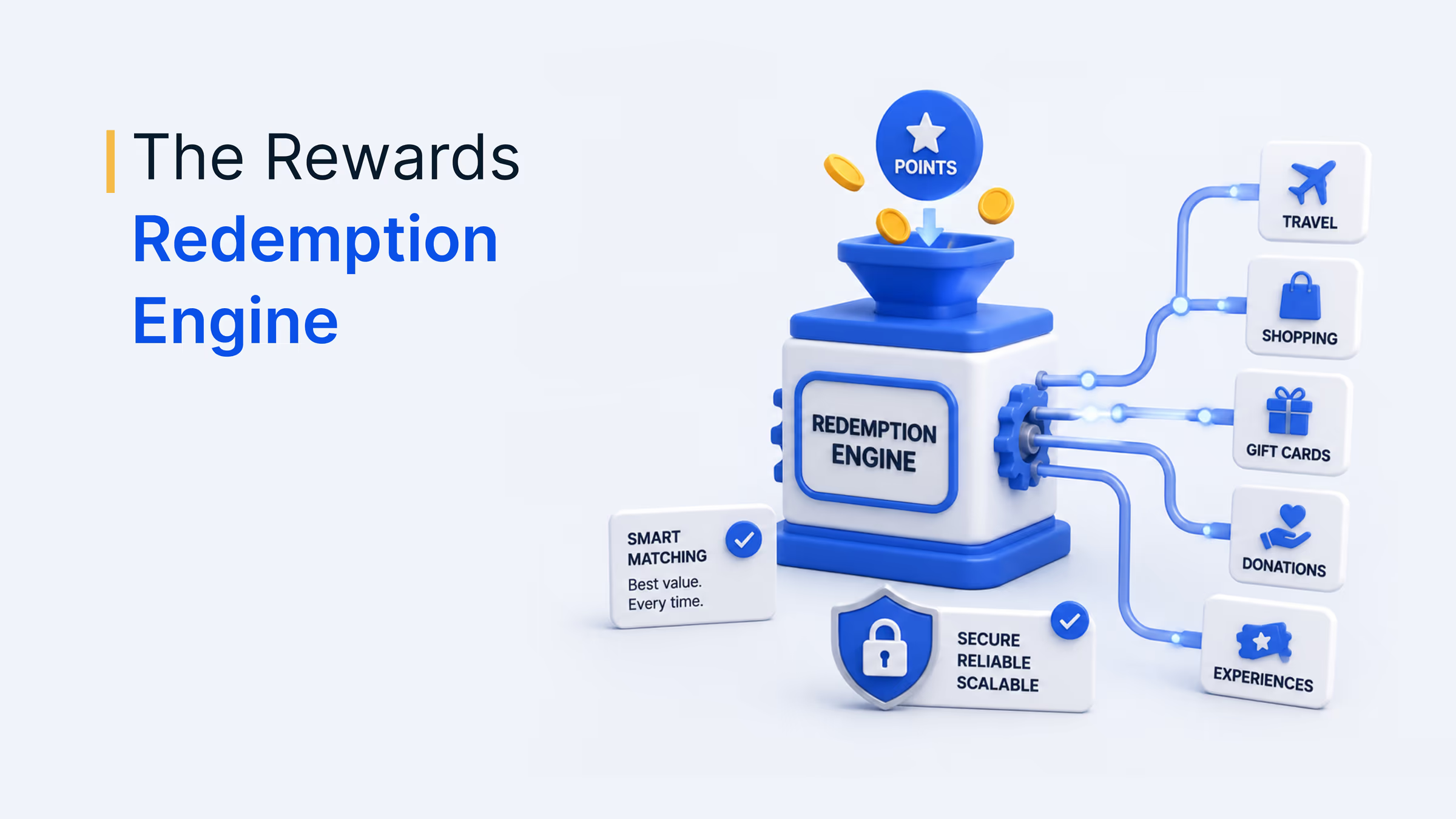
Xoxoday Loyalife lets teams set earning rules with conditions, caps, and multipliers, build tiers on points, spend, or both, and trigger a campaign when a member goes inactive. Redemption connects to a catalog of 10M+ reward options, so the reward is one members want. Active rate and projected liability sit on the same report, so marketing and finance work from one set of numbers.
If you are evaluating a loyalty platform, our loyalty software buyer's guide lists the questions to ask, and you can explore the full set of loyalty program capabilities.
Your next step: fix one failure at a time
Do not start with a rebuild. Start with the ratio of active to enrolled members, find which of the ten causes sits behind it, and fix that one this quarter.
Programs rarely fail because the idea was wrong. They fail because nobody went back to look.
Book your Loyalife demo
Frequently asked questions
Execution, not the concept, is usually the problem. Common causes are no defined target behavior, rewards that are too far away, generic treatment, redemption friction, and no ongoing measurement. The data usually shows it as a growing gap between enrolled and active members.
Compare active members to enrolled members. If sign-ups grow while active share, redemption rate, or repeat purchase rate falls, the program is failing. Support tickets about balances and expiry are another early signal.
The most common are launching without a target behavior, setting reward thresholds too high, treating every member the same, and tracking sign-ups instead of active rate. Complex rules and a launch-and-forget approach come next.
Usually, yes. Fix the weakest link first, often the distance to the first reward or the redemption flow, then segment and measure monthly. In Loyalife, teams change rules and campaigns without a development project.
Early signals, such as a faster time to first redemption and a higher active rate, can appear within one or two earn cycles. Revenue impact takes longer, so review monthly and change one variable at a time.