Key Takeaways
Points fraud stays hidden for 150 to 180 days on average, because nearly half of loyalty accounts sit unmonitored for months
Account takeover is one door of five: fake accounts, forged claims, bad redemptions and insider edits drain points too, so cover every earn and burn path
Scale friction to value: let small earns flow untouched, and add checks only as the balance leaving an account grows
A member opens your app to check a balance she has not looked at since March. It reads zero. She never redeemed anything.
She files a ticket. Your support agent finds a redemption from three days ago, a gift card code that has already been used, and a login from a device nobody recognizes. Now the agent has to choose: refund the points, blame the member, or escalate to a fraud team that does not exist yet.
Most loyalty teams meet fraud exactly this way, one upset member at a time, after the damage is done. This guide covers how loyalty points fraud and account takeover really work, the warning signs that show up early, and the layers of control that stop them without punishing honest members.
Why are loyalty points such an easy target?
To a thief, points are a currency. To the program owner, they are often a rounding error.
Points convert into gift cards, flights, and merchandise that can be resold quickly. Yet many programs guard them with a password and little else.
Members make it easier, because they rarely check balances. According to LexisNexis Risk Solutions, as cited by AARP, nearly half of loyalty accounts are used infrequently or go unmonitored for months or years. A thief can sit on a compromised account until the balance is worth draining.
Then there is the ownership gap. Marketing owns the program, security owns the logins, and finance owns the liability on the balance sheet. Fraud lives in the space between all three, which is why nobody is watching it.
How does loyalty points fraud actually happen?
Account takeover gets the headlines. It is one of five routes.
Account takeover
Attackers take username and password pairs leaked in other breaches and try them against your login page, a method called credential stuffing. Accounts that reuse a password and have no second step fall quickly. Phishing and fake support calls pick up the rest.
Fake accounts and bonus farming
Bots or organized groups open hundreds of accounts to collect signup bonuses and referral rewards, then funnel the points into a single account.
Fraudulent redemption and cash-out
Stolen points become gift cards, travel, or goods, which are then resold or moved through mule accounts. Redemption is the moment of loss, so it is also where controls pay off most.
Duplicate and forged claims
In dealer, retailer, and influencer programs, earning depends on uploads and scans. The same invoice gets submitted twice, a QR code is scanned again and again, or a receipt is edited before upload.
Insider and process abuse
An admin adjusts a balance by hand. A support agent grants goodwill points to a friend. A rule change quietly raises the accrual rate. These cases are rare and expensive, because the person involved has legitimate access.
| Route | How it works | Early signal | First control |
|---|---|---|---|
| Account takeover | Reused or leaked credentials, phishing | Failed-login spikes, new device then profile change | Second login step, login rate limits |
| Fake accounts | Bots farm signup and referral bonuses | Sequential emails, shared devices, no purchases | Reward after first purchase, email verification |
| Fraudulent redemption | Points cashed out into resellable rewards | Dormant balance drops to near zero in one redemption | Redemption limits and holds above a threshold |
| Forged claims | Duplicate invoices, repeat QR scans | Same invoice number or code seen twice | Duplicate detection, geo and timestamp checks |
| Insider abuse | Manual edits, rule changes by admins | Adjustments clustered around one user or month end | Maker-checker approval, audit trail |
See how Loyalife flags and holds risky transactions
Set thresholds, review held transactions, and keep an audit trail of every approval and rule change in one program.
Book a free 30-min demoTrusted by 5,000+ companies
What does points fraud really cost?
The stolen points are only the first line item. The bigger costs are reimbursing members, the support hours spent untangling each case, and a points liability inflated by accounts that never belonged to real people. For banks and card issuers, financial services loyalty programs add regulatory exposure on top.
$3.1B
Fraudulent redeemed points in the US, 2020
Loyalty Security Association, as cited by EY
150 to 180 days
Average time to detect loyalty fraud
EY
Nearly half
Loyalty accounts infrequently used or unmonitored for months or years
LexisNexis Risk Solutions, as cited by AARP
Loyalty fraud by the numbers
That detection window matters more than the dollar figure. At five to six months, abuse stops being an incident and becomes a pattern. By the time the first complaint arrives, the same attacker may already be working through the next batch of accounts.
There is also a quieter cost. A member who loses points learns that what they earned was never really theirs.
What are the warning signs before the complaint arrives?
Fraud leaves a trail well before a member notices. Watch for these seven signals:
- Login spikes. Failed logins from one IP range, or a surge of password resets in a short window.
- Change then redeem. A new device, followed within minutes by an email, phone, or address change, followed by a redemption.
- Dormant account drained. A balance that sat untouched for months drops to near zero in one transaction.
- Shared delivery details. Many accounts redeeming to the same email address or shipping address.
- Accrual outliers. A single transaction, or a rolling seven-day total, far above the member's normal pattern.
- Referral clusters. Signups with sequential emails or shared devices and no purchases.
- Clustered manual edits. Balance adjustments concentrated around one admin user or the end of a month.
None of these proves fraud alone. Together, they give you a score.
Which controls stop fraud without hurting honest members?
The principle is simple: friction should be proportional to the value at risk. A member earning 50 points on a coffee should never see a challenge. A member redeeming 40,000 points into a gift card minutes after a password reset should.
Verify identity at the door
Block disposable email addresses, rate-limit login attempts, and require a second step for sensitive actions such as changing contact details. Pay referral rewards only after the referred member makes a first purchase.
Set velocity and threshold limits
Cap points per transaction, points per rolling window, and the size of a single redemption. The numbers do not need to be perfect on day one. They need to exist, and a human needs to see what they catch.
Add friction to redemption, not to earning
Earning is where members feel the program. Redemption is where thieves feel it. Hold large or unusual redemptions for review and let everything else flow.
Separate duties for admin changes
Anyone who can adjust a balance, suspend a member, or change an earn rule should need a second person to approve it. This one control closes most of the insider route.
Reconcile the ledger and keep an audit trail
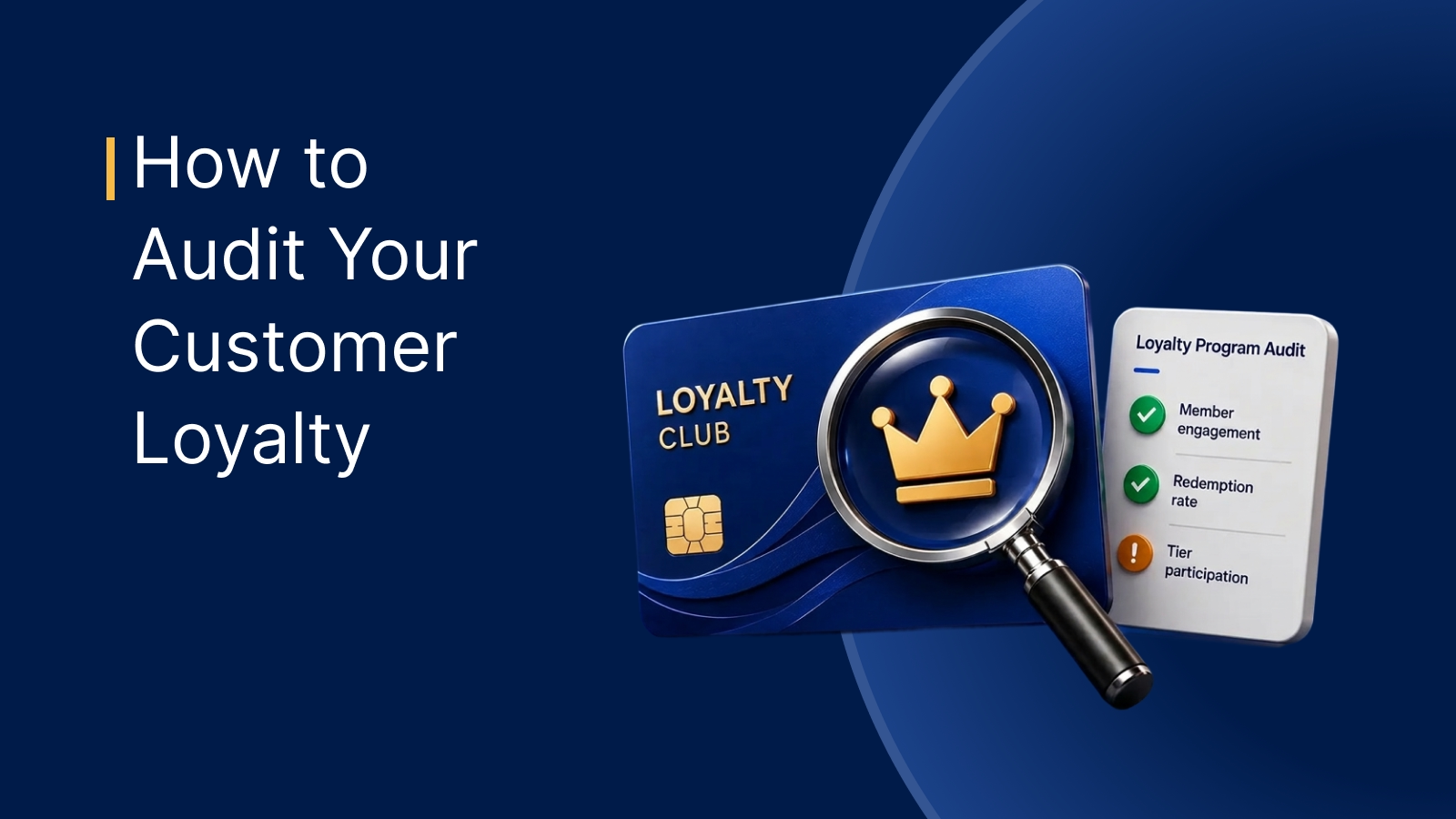
Compare accruals, redemptions, reversals, and expirations on a fixed schedule, and log every configuration change with who made it and when. Your loyalty program audit is the natural place to build this habit.
| Control | What it stops | Member friction | Owner |
|---|---|---|---|
| Login hardening | Account takeover | Low | Security |
| Referral and signup rules | Fake accounts, bonus farming | None for real members | Marketing |
| Thresholds and holds | Fraudulent redemption, accrual spikes | Only above the limit | Loyalty team |
| Maker-checker approvals | Insider abuse | None for members | Operations |
| Ledger reconciliation | Everything that slipped through | None | Finance |
How Xoxoday Loyalife approaches loyalty fraud
Thresholds only help if someone sees what they catch.
In Xoxoday Loyalife, a customer loyalty platform, program owners set limits on points per transaction, cumulative points inside a rolling window such as seven days, and the size of a single redemption. Limits apply globally, with overrides per product. A transaction that crosses a limit lands in a Pending Transactions queue, a reviewer with Fraud Review permission is notified in real time, and they approve or reject it. If nobody acts before the timeout, it resolves to the default your team chose in advance.
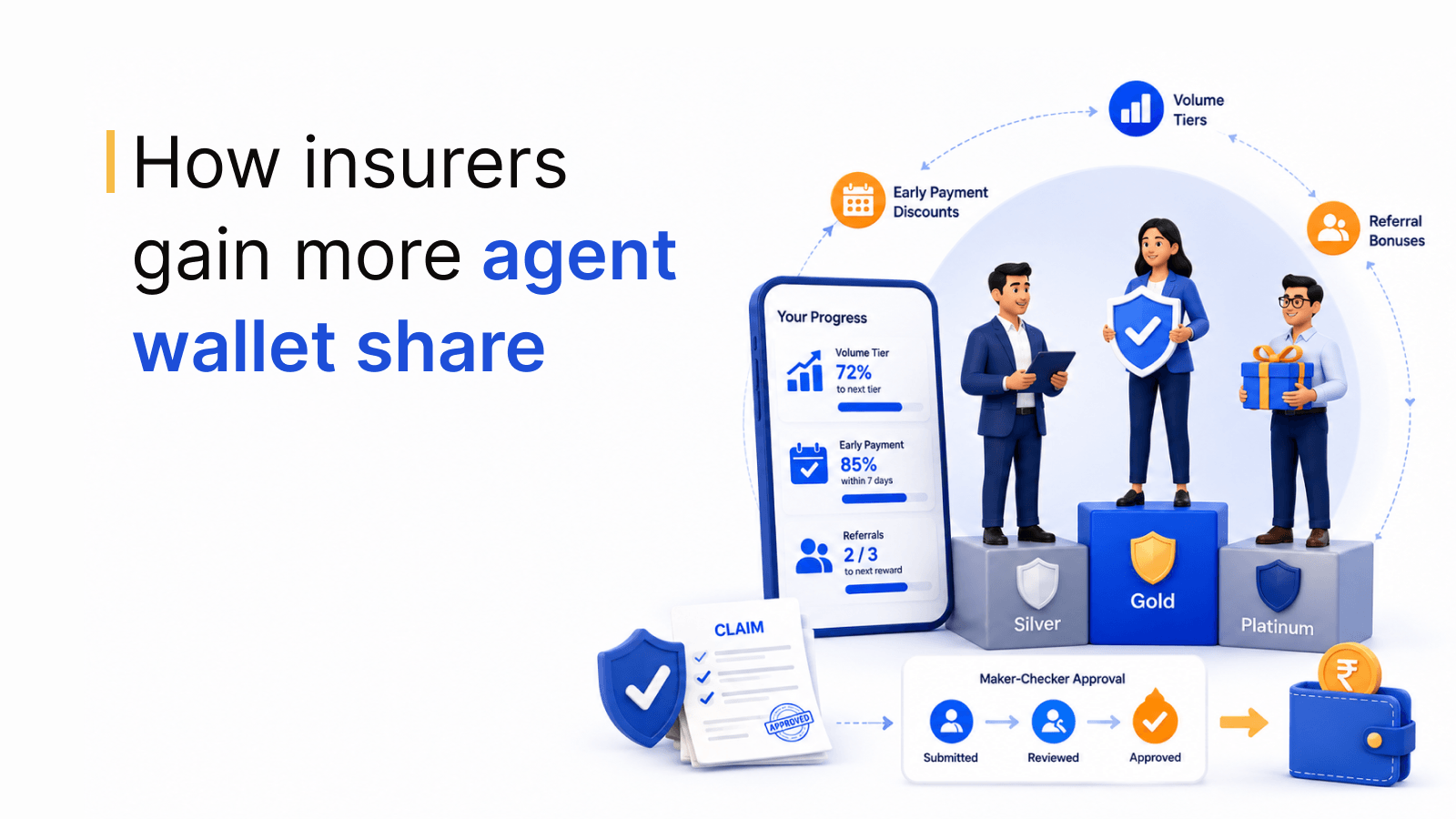
Maker-checker workflows put a second approver on manual point adjustments, member suspensions, and earn rule changes, and the audit trail records who changed what, with before and after values. For channel programs, QR scans carry geo and timestamp checks with repeat-scan prevention, and invoice uploads run through OCR with confidence scoring. Loyalife also supports password policies, session timeouts, and account deactivation timelines, while liability and projected expiry reports show where unredeemed points sit.
Choosing a platform? The customer loyalty program software buyer's guide lists the fraud and risk questions worth asking every vendor.
What should you do in the first 48 hours of a fraud spike?
Move fast. Perfection can wait. A workable order:
- Freeze the exposure. Suspend redemptions on flagged accounts so the damage stops growing.
- Pull the ledger for the window. Look for shared signals: device, email domain, delivery address, redemption timing.
- Reverse what you can. Where fulfillment allows, reverse fraudulent redemptions and credit the points back to the real member.
- Notify affected members plainly. Say what happened, what you have restored, and what to change. Skip the legal fog.
- Tighten the control that missed it. Lower the threshold or add the hold that would have caught this case, and log the change.
Your next step toward fraud-resistant loyalty
Pull your last 90 days of redemptions and sort them by points per redemption. Read the top 20. They will tell you within an hour whether you already have a problem, and they point to the path that needs a control first.
Fraud will not leave loyalty. But you can make it a cost you see, cap, and explain, instead of a surprise a support ticket delivers.
Book your Loyalife demo
Frequently asked questions
Loyalty points fraud is the theft or abuse of rewards points through account takeover, fake accounts, forged claims, or fraudulent redemptions. The thief converts the points into gift cards, travel, or goods, and the member or the brand absorbs the loss.
Most start with credential stuffing, where leaked usernames and passwords are tried against a program's login page. They also use phishing, fake support calls, and bots that farm signup and referral bonuses. Once inside, they redeem the balance quickly, often into resellable gift cards.
Track failed-login spikes, profile changes followed by redemptions, dormant accounts that suddenly drain, and many accounts redeeming to one delivery address. Set thresholds on points per transaction, points per rolling window, and single redemptions, then review whatever crosses them.
It blunts credential stuffing, because a stolen password alone no longer opens the account. It does not stop phishing that captures the second step, fake accounts, or insider abuse, so pair it with redemption limits and holds.
It can catch the cases that cross your rules, but people still make the call. Xoxoday Loyalife holds transactions that cross your thresholds, notifies a reviewer, and records every approval in an audit trail, so your team decides on the few cases that matter instead of reading every transaction.