Key Takeaways
Rewards are usually the largest line in a loyalty budget, and the one finance controls least. Model redemption before software.
Platform pricing is rarely the real cost: setup, integrations, and the team that runs the program often outweigh the license fee.
A loyalty budget that holds has five lines: rewards, platform, team, marketing, and integrations. Price all five before you sign.
Your CFO asks one question before approving the loyalty budget: "What does this cost us in a year?" Most marketing teams answer with the software quote. That answer leaves out the biggest lines.
The quote covers one line of the budget. The rest sits in places nobody put on the slide: the points members will redeem, the two people who run the program, the integrations that connect it to the POS and CRM, and the launch campaign that gets anyone to join.
This guide breaks loyalty program cost into its real lines, shows how each pricing model hides a different cost, and walks through a year-one budget you can adapt for your own program.
Where the money goes in a loyalty program
Every loyalty program cost falls into five lines. Miss one and the budget breaks in month seven.
- Rewards: the value members redeem. For most programs this is the largest line by a wide margin, and it grows with success.
- Platform: the license or subscription, plus one-time setup. Vendors quote this line, so it gets the most attention.
- Team: the loyalty manager, an analyst, and some share of engineering, finance, and support. People cost is steady and rarely shows up in the program's own P&L.
- Marketing: launch, member communications, and the promotions that keep earn-and-burn moving. A program nobody hears about has a perfect cost-per-member and zero return.
- Integrations and support: POS, ecommerce, CRM, data warehouse and payment connections, plus the work of keeping them running when a source system changes.
Rewards are the biggest line and the hardest to forecast
The platform fee is a contract. Reward cost is a behavior. You set the earn rate, but members decide when, and whether, to redeem.
That gap is why finance and marketing argue about the same program. Marketing wants high redemption because it signals value. Finance wants low redemption because every redeemed point is cash out the door. Both are right, and the budget has to hold both views.
Treat unredeemed points as a liability, not free money. Under revenue accounting rules, points are deferred revenue until members redeem or they lapse, and the share you expect to lapse (breakage) is an estimate you have to defend. Our guide to loyalty program liability and breakage accounting walks through how auditors look at it.
Three inputs drive the reward line:
- Earn rate: the percent of spend returned as points.
- Redemption rate: the share of issued points members actually spend.
- Cost to brand: what a redeemed point really costs you. It is lower than face value when rewards are discounted or vendor-funded.
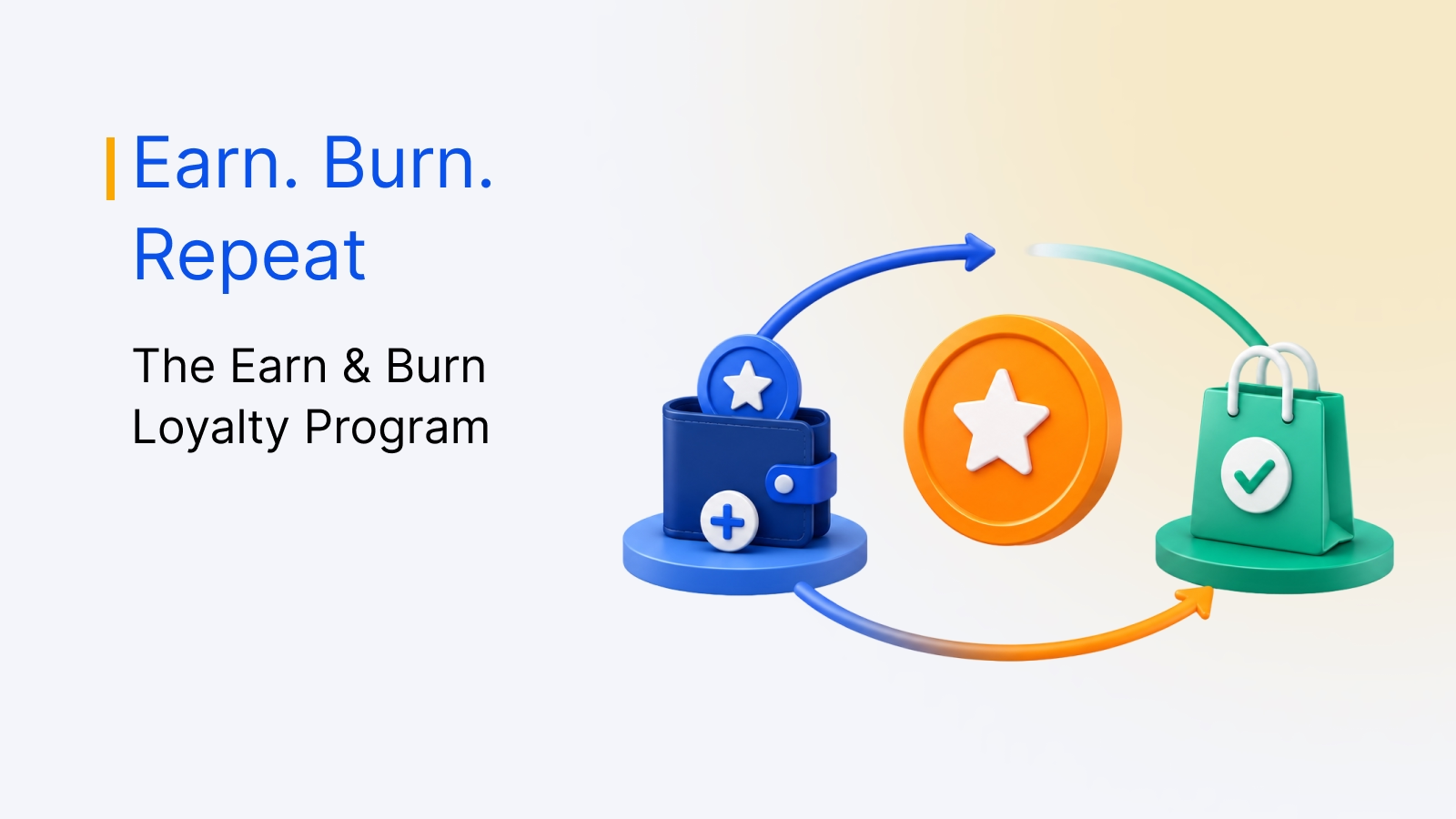
Changing the earn rate by one point moves the whole budget. Changing the platform vendor rarely does. For the mechanics, see loyalty points programs, and for keeping both sides in balance, earn-and-burn design.
See what your loyalty budget looks like on one page
Bring your member count and earn rate. We will model rewards, platform, and team cost for your program before you commit to anything.
Book a free 30-min demoTrusted by 5,000+ companies
Build, buy, or outsource: how each path changes the budget
The same program costs different amounts depending on who builds and runs it. The totals matter less than where the cost lands and how predictable it is.
- Technology
- Build in-house
- Large upfront build, then permanent maintenance
- Buy a platform
- Subscription plus setup
- Managed service
- Bundled into the service fee
- Team
- Build in-house
- Engineers, product and program staff on your payroll
- Buy a platform
- Program manager and analyst; vendor runs the stack
- Managed service
- Mostly vendor-side; you keep strategy
- Time to launch
- Build in-house
- Longest, most likely to slip
- Buy a platform
- Weeks to a few months
- Managed service
- Fastest to start
- Cost predictability
- Build in-house
- Low; scope grows with requirements
- Buy a platform
- High for platform, variable for rewards
- Managed service
- High if scope is fixed in contract
- Control over changes
- Build in-house
- Total
- Buy a platform
- High, within platform limits
- Managed service
- Lower; changes go through the provider
Building looks cheaper on a spreadsheet because the license line is zero. It stops looking cheaper once you add the engineers who keep it running through every POS upgrade, tax rule change, and fraud pattern. Buying converts a large unpredictable cost into a smaller predictable one, which is why many enterprise programs land there. Our loyalty program software buyer's guide lays out how to evaluate that choice.
Platform pricing models, and what each one hides
Vendors price the same capability four different ways. Each one is cheap in one situation and expensive in another.
- Per member
- How you are charged
- A fee per enrolled or active member each month
- Works best when
- Member count is small or slow-growing
- Watch for
- Cost climbs with every member, including inactive ones
- Tiered subscription
- How you are charged
- A flat fee per plan level, tied to volume or features
- Works best when
- Volume is predictable
- Watch for
- A feature you need sits one tier up
- Transaction-based
- How you are charged
- A fee per transaction or point event
- Works best when
- Low volume, high value per transaction
- Watch for
- High-frequency programs get expensive fast
- Revenue share or success fee
- How you are charged
- A percent of attributed revenue or results
- Works best when
- You want vendor incentives aligned with yours
- Watch for
- Attribution rules decide your bill, so read them closely
Ask every vendor for the same thing: the all-in cost at your member count today, at twice that count, and at five times. The shape of the curve tells you more than the entry price. A per-member model that looks cheap at 20,000 members can overtake a tiered plan well before you reach 200,000.
Also ask what is outside the quote. Setup, data migration, custom integrations, and premium support are often priced separately, and enterprise contracts commonly add a one-time implementation fee. For moving data between systems, see our guide to loyalty platform migration.
A year-one budget, line by line
Numbers make this real. The model below is illustrative: it uses assumptions we chose to show the shape of a budget, not benchmarks from a survey. Swap in your own.
Assumptions: 100,000 active members spending an average of $400 a year ($40 million in member revenue), a 3% earn rate, and 70% of issued points redeemed. The program issues $1.2 million in points and pays out about $840,000 in rewards. Add the other four lines and year one comes to roughly $1.51 million.
Rewards take 56% of the total, and the whole program costs about 3.8% of the revenue those members generate. The platform subscription is 10% of the budget. A team that negotiates hard on a license fee and ignores the earn rate is optimizing one of the smaller levers.
Year two looks different. Implementation drops out, redemption usually rises as members learn the program, and the team line stays flat. Budget year two from your year-one redemption data, not from the year-one total.
How Loyalife approaches cost
Cost surprises usually trace back to a quote that covered the platform and nothing else. Loyalife starts the conversation from the whole budget instead: rewards, platform, team, and integrations modeled together for your member base and your channels. No single line gets to hide.
In practice you see a total-cost view before any contract, with setup, integrations, and support itemized rather than folded into one number. The platform handles points, tiers, redemption, and reporting for customer, channel, and influencer programs, so you are not paying for three systems to run three audiences. You can see how this works on the Loyalife pricing page.
If you are comparing options now, our loyalty program software overview shows what sits inside the platform, which helps you check a competing quote line by line.
Six costs most budgets miss
Most first budgets skip these. They surface in quarter two.
- Fraud and abuse: duplicate accounts, points takeover, and fake claims drain rewards faster than any marketing line.
- Finance and audit time: liability reporting and breakage estimates need real finance hours every quarter.
- Tax and compliance: rewards can carry tax and reporting duties that vary by market.
- Partner and fulfillment fees: catalog, shipping, and payout costs sit behind the redemption.
- Member communications: email and SMS volume scales with member count, and points-expiry reminders add to it.
- Program changes: a new tier or earn rule needs engineering, QA, and member communication every time.
Where to cut cost without cutting value
Cut the wrong line and the program gets worse while the budget stays the same. These levers work.
- Tune the earn rate, not the headline offer. A small change compounds across every transaction.
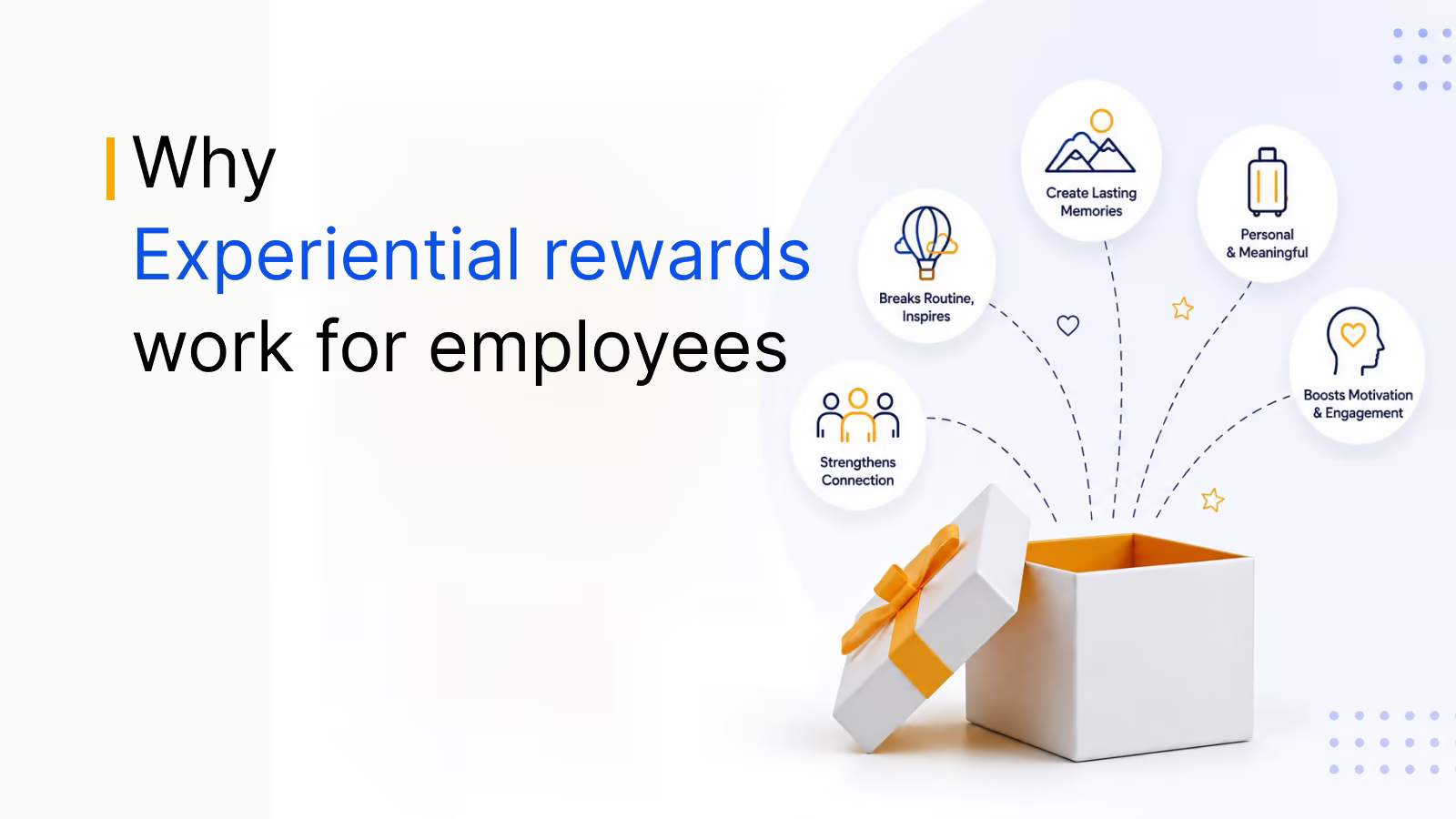
- Shift the reward mix toward experiences and partner-funded rewards, which cost you less than their perceived value.
- Prune inactive members from per-member pricing before a renewal, where the contract allows it.
- Run an annual audit. Our loyalty program audit checklist finds mechanics that cost money and move nothing.
- Set the metrics before launch. Loyalty program KPIs and a clear loyalty program ROI model make the next budget conversation easier.
Your next step: one budget, five lines
Build the sheet with five lines before you take another vendor call: rewards, platform, team, marketing, and integrations. Fill rewards first, because it decides everything else.
Then get every vendor to price the same assumptions. If two quotes cannot be compared line by line, the difference is not price, it is scope.
Book your Loyalife demo
Frequently asked questions
It depends on member count, earn rate, and delivery model. The reward payout is usually the largest line and can be more than half of year-one spend, with platform fees, staff, marketing, and integrations making up the rest. Model all five lines for your own member base rather than relying on a single quoted number.
Rewards. Every point a member redeems is a real cost, and that cost grows as the program succeeds. The earn rate, redemption rate, and what a redeemed point costs you decide the number.
Most platforms charge per member, by subscription tier, per transaction, or as a share of results. Enterprise contracts often add a one-time implementation fee. Ask for the all-in cost at your current member count and at several times that size.
Building looks cheaper because there is no license fee, but engineering, maintenance, and integration work usually erase that gap. Buying turns an unpredictable cost into a predictable one and gets you to launch faster.
Estimate what share of points will lapse, then budget rewards on the redeemed share only. Treat the lapse estimate as a forecast finance has to defend, not a saving you can spend early.