A member finishes a purchase, closes the app, and does not open it again for six weeks. The points are there. The reason to come back is not.
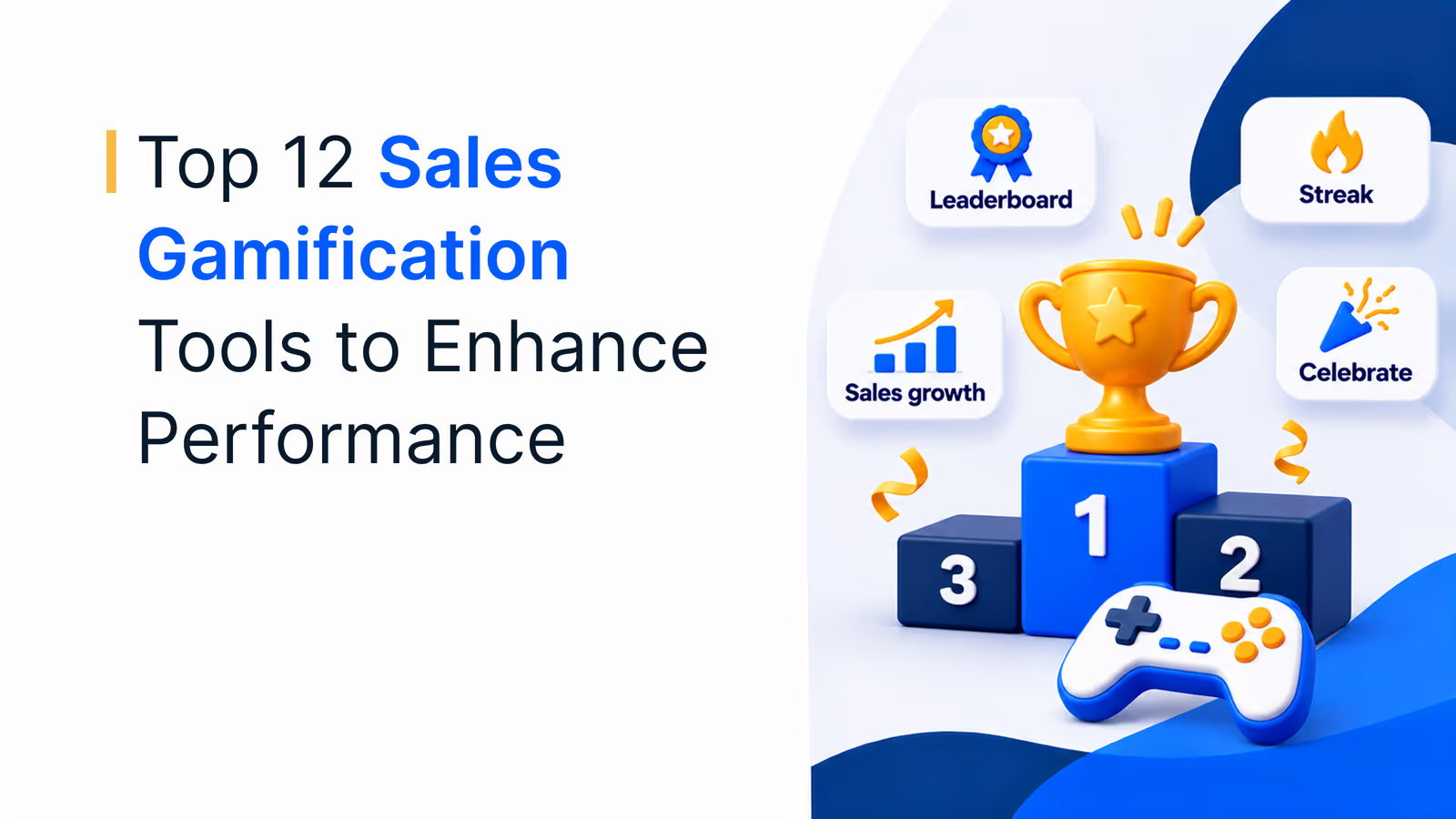
Gamification fills that gap. It gives the next visit a job: protect a streak, finish a challenge, scratch a card, make the next draw. Brands that use it well are not buying attention. They are scheduling the next purchase.
McKinsey's Australian Consumer Loyalty Survey, which covered more than 1,400 consumers and 90-plus programs, ranked gamification among the most valued loyalty features across industries. Members of top-performing programs were 14% more likely to increase purchase frequency. Outcome data on any single mechanic is rare. So each case study below says what the brand built, what it asks the member to do, and the lesson to take from it.
Disclosure: Xoxoday publishes this guide, and Loyalife is one of the 10 entries. Every entry is judged on the same tests.
The loyalty gamification case studies
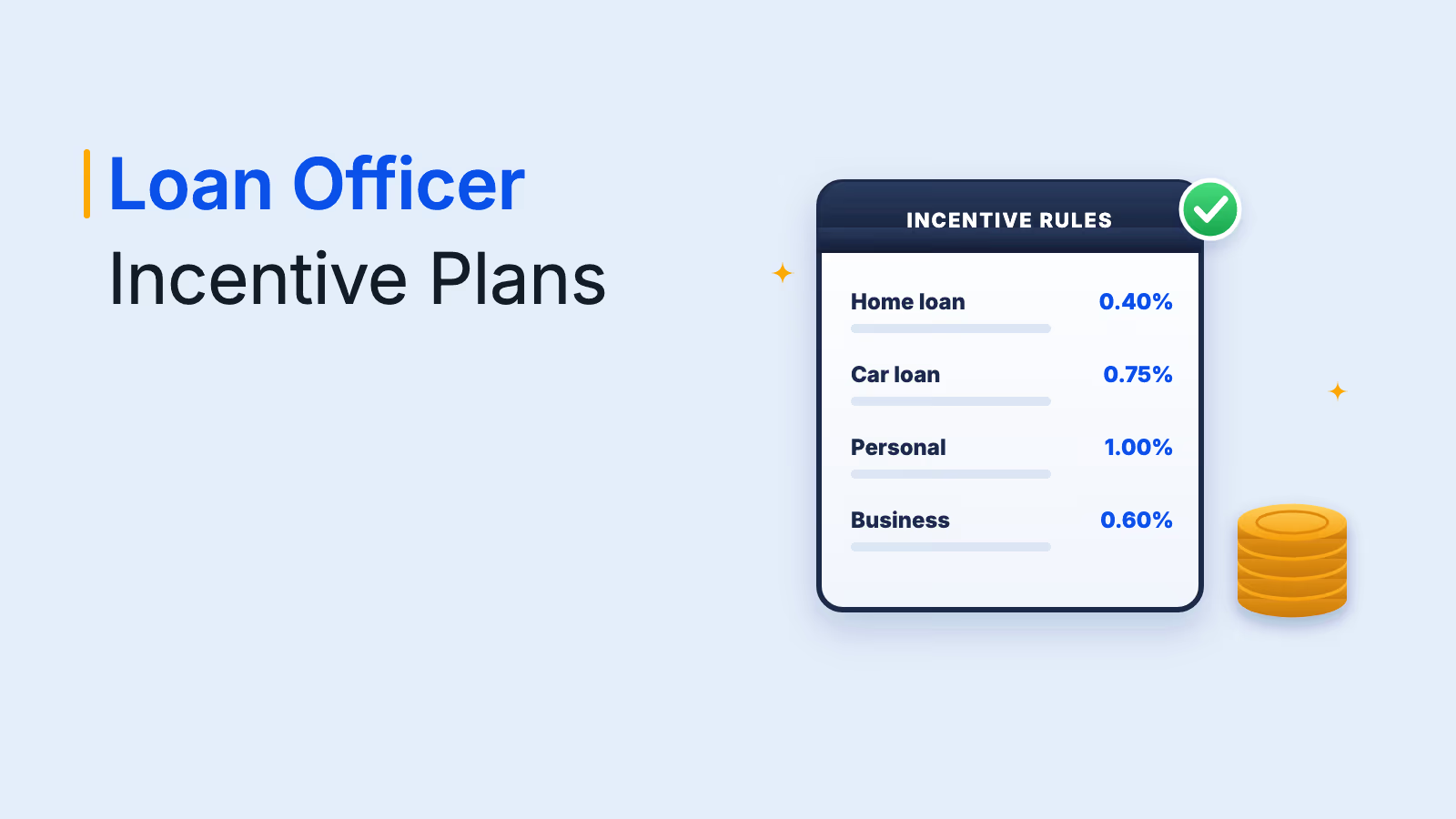
- Xoxoday Loyalife for running games, leaderboards, and tiers on the same engine as points
- Duolingo for streaks and leaderboards that turn learning into a daily habit
- Flipkart for streaks and games that pay out in store currency
- Starbucks for weekly instant-win plays that bring members back into stores
- Google Pay India for low-stakes scratch cards unlocked by small challenges
- Sinclair Oil for game-linked rewards for fuel and convenience visits
- Sephora for in-app challenges open to every tier
- Tesco for personalized spending challenges
- Ulta Beauty for a closed mini-game pilot with timed challenges
- Nike for limited-window draws that reward app attention
What makes loyalty gamification work?
Loyalty gamification is a game mechanic attached to a purchase, a visit, or a habit: a streak, a challenge, a scratch card, a draw. A loyalty program says "earn points." A gamified one says "come back by Friday and you might win." For the full toolkit, see gamification in loyalty programs and the main types of loyalty programs.
The mechanic matters less than the trigger. The case studies that hold up share one trait: finishing the game requires another visit or another purchase.
10%
More likely to shop with the brand
members of top-performing programs
14%
More likely to increase purchase frequency
members of top-performing programs
12%
More likely to recommend the brand
members of top-performing programs
Source: McKinsey, Australian Consumer Loyalty Survey (1,400+ consumers, 90+ programs). The survey does not isolate gamification's share of these gains.
We judged every case study on five tests:
- Repeat trigger. Does the game give the member a reason to return, or only a reason to open the app?
- Reward control. Are prize odds, caps, and deadlines set in advance?
- Fairness. Is the outcome visibly random or skill-based, with clear rules?
- Evidence. Does the brand publish what happened, and is it labeled as the brand's own figure?
- Operating fit. Can a normal loyalty team run it every week?
Each case study comes from the brand's own pages or from named press coverage, as of November 2026. Where the only outcome figure is the brand's own, we label it as reported. Where a brand published no outcome, we say so. Loyalife shows the score of G2's Xoxoday listing, as of November 2026, because brands have no software rating to compare.
The loyalty gamification case studies at a glance
- Xoxoday Loyalife
- Mechanic
- Scratch card, spin the wheel, roll a dice, leaderboards
- Repeat behavior it drives
- Return for the next play window
- Published outcome
- Not applicable (platform)
- Duolingo
- Mechanic
- Streaks, leaderboards
- Repeat behavior it drives
- Daily return
- Published outcome
- 2.3M daily users with 365+ day streaks (company)
- Flipkart
- Mechanic
- Streaks, games, SuperCoins
- Repeat behavior it drives
- Daily logins
- Published outcome
- None published
- Starbucks
- Mechanic
- Weekly Prize Play, sweepstakes
- Repeat behavior it drives
- Store visits for extra plays
- Published outcome
- None published
- Google Pay India
- Mechanic
- Challenges, scratch cards
- Repeat behavior it drives
- Finish challenges by a deadline
- Published outcome
- None published
- Sinclair Oil
- Mechanic
- Game-linked rewards
- Repeat behavior it drives
- Fuel and store visits
- Published outcome
- 42% more visits among engaged members (company)
- Sephora
- Mechanic
- Challenges
- Repeat behavior it drives
- Task completion across tiers
- Published outcome
- None published
- Tesco
- Mechanic
- Personalized challenges
- Repeat behavior it drives
- Spend on chosen behaviors
- Published outcome
- Higher-than-expected trial participation (company)
- Ulta Beauty
- Mechanic
- Mini-games, quests (closed pilot)
- Repeat behavior it drives
- Weekly return to play
- Published outcome
- 86% returned next week (company)
- Nike
- Mechanic
- Limited-window draw
- Repeat behavior it drives
- Return when a draw opens
- Published outcome
- None published
See instant-win games in action
Scratch cards, spin the wheel, and leaderboards with set win odds, on the same engine as your points and tiers.
Book a free 30-min demoTrusted by 5,000+ companies
1. Xoxoday Loyalife
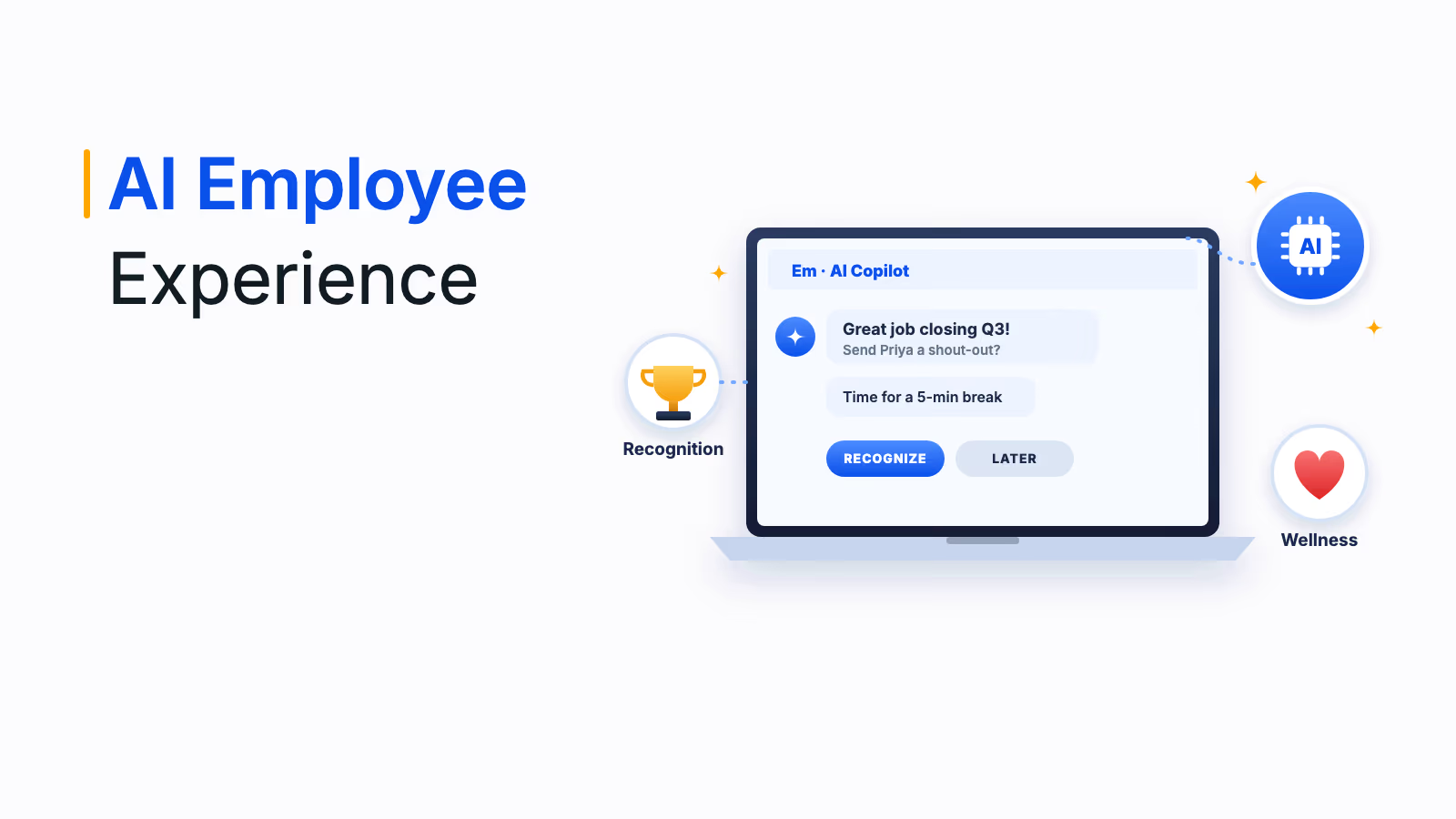
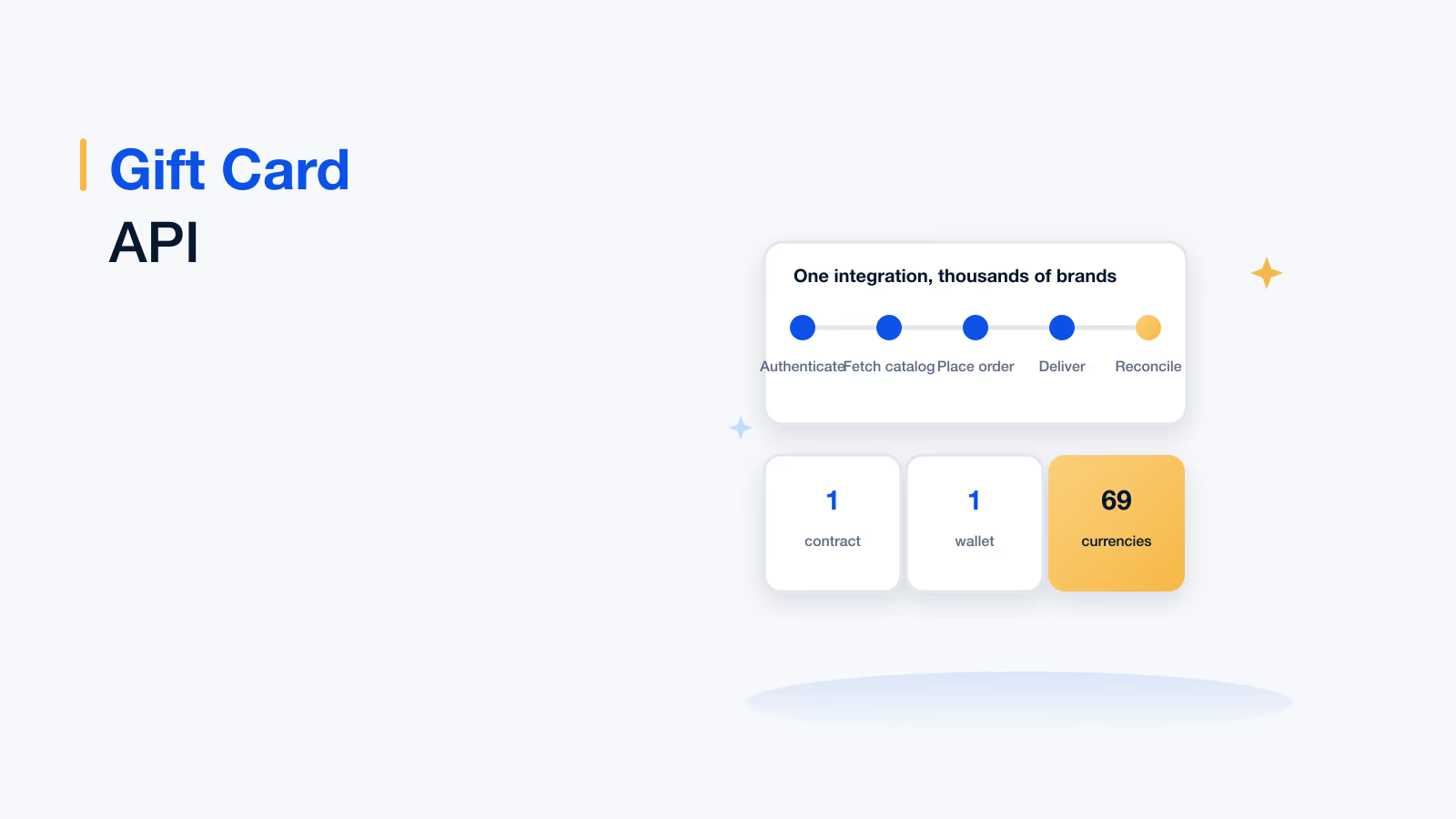
Loyalife is the one entry here that is a platform, not a brand's own program. A brand runs games on the same engine as points, tiers, and redemption, with no separate games tool to connect.
The games layer has three formats: scratch card, spin the wheel, and roll a dice. Each game carries start and end dates, several voucher rewards with win probabilities that must total exactly 100%, and an on-off switch. Outcomes are decided on the server, so a player cannot change a result from the app.
Afterward, a loyalty team sees total games, active games, and engaged users in one dashboard. The lesson from every case study below applies here: pick the repeat behavior first, then choose the mechanic.
- Win odds are explicit and capped, so the prize budget is known before launch
- Games, tiers, and redemption share one member record
- More than a brand needs if it only wants one scratch-card campaign
2. Duolingo
Duolingo names two mechanics as engagement drivers in its 2021 S-1 filing: streaks and leaderboards. A streak counts consecutive days of learning. A leaderboard ranks learners against each other over a week.
The company's Q3 2022 shareholder letter gives the clearest scale. It reports that 2.3 million daily active users had a streak longer than 365 days, and 10 million had a streak longer than 7 days. Those are Duolingo's own figures.
The lesson: a streak does not offer a bigger prize. It creates something to lose. Members return to protect a number they have already built, which is why a streak can work with almost no reward budget.
- Costs almost nothing to run because the reward is progress, not a prize
- Leaderboards add a social reason to return each week
- Streak pressure fits a daily habit product and may not fit a quarterly purchase
3. Flipkart
Flipkart's Shopsy app rewards engagement itself. According to Flipkart's own announcement, logins, streaks, and game formats earn SuperCoins, which shoppers can redeem against purchases in India.
The loop is the point. A shopper plays or logs in, earns coins, and spends them in the same app. Because the coins are a points currency that works only at checkout, the reward pulls the next order.
The lesson: pay game rewards in a currency that has to be spent with you. Flipkart has not published engagement figures for these games, so there is no outcome claim here.
- Coins earned from play are spendable on purchases
- Streaks reward consistency, not a single big order
- Without a clear coin value, shoppers may not know what they are working toward
4. Starbucks
Starbucks for Life is a holiday game for Starbucks Rewards members. The 2025 edition, called Merrython, ran from December 8, 2025 to January 4, 2026, and moved players through four virtual cities.
Each week opened with a free Prize Play for an instant prize: food, drinks, gift cards, or Bonus Stars. Visits to participating stores earned up to two additional plays a day.
The lesson: tie the extra plays to a visit. The game rewards presence, not just a lucky tap. Starbucks' 2026 loyalty announcement says games like this remain a benefit for Green-level members.
- Extra plays are earned in store, which ties the game to a visit
- Weekly resets give members a reason to return each week
- A sweepstakes needs legal review wherever it runs
5. Google Pay India
Google Pay's 2023 Festival City campaign in India let users complete challenges to earn shaguns. According to Google's help page, 501 shaguns unlocked two scratch cards, with cashback of up to Rs 501 or a partner reward. The first shagun required a transaction of just Rs 1.
Challenges had to be completed by November 20, 2023, so the campaign ran on a deadline.
The lesson: a tiny first step lowers the cost of starting. Google has not published results for this campaign, so there is no outcome claim here.
- A Rs 1 first task makes the first step nearly free
- A deadline gives users a reason to finish now
- Scratch-card prizes are small, so the mechanic works best at high volume
6. Sinclair Oil
Sinclair Oil's DINOPAY loyalty program added game-linked rewards through Mistplay's LoyaltyPlay. The National Association of Convenience Stores (NACS) reported the results on August 26, 2026.
Sinclair's figures, as reported: a 42% increase in site visits among highly engaged members, 9.7% more fuel purchases tied to redemptions, and 13% of monthly active members engaged within six months. These are company-reported, and NACS gives no baseline for the 42%.
The lesson: measure fuel and store visits, not game plays. A gamified program earns its place only if the visits it drives are real. Treat the figures as one operator's result, not a benchmark.
- Results are reported against visits and fuel purchases, not play counts
- Game rewards link to an existing loyalty program
- Figures are company-reported and come without a stated baseline
7. Sephora
Beauty Insider Challenges launched in September 2023 as the gamified layer of Sephora's loyalty program. Members join challenges in the app and earn extra points as they complete tasks.
The first challenge, Ready, Set, Sephora, had four tasks worth 100 points each: buy online and pick up in store, sign up for text alerts, add samples at online checkout, and try the in-store Color iQ shade-matching tool. Finishing all four paid a bonus, 500 points in total.
The lesson: mix tasks that need a purchase with tasks that do not. Challenges are open to all tiers, so a new member can play in the first week, and no-purchase tasks bring a shopper back into the app between orders.
- Open to every tier, so new members engage immediately
- Mixes purchase and non-purchase tasks
- Non-purchase tasks need a cap, or they can reward activity that never converts
8. Tesco
Tesco Clubcard Challenges use AI to personalize challenges for each member and reward incremental behavior. From May 20, 2024, members could complete up to 10 challenges for a total of up to £50 in Clubcard points across a six-week campaign.
Tesco said a trial drew higher-than-expected participation and planned to extend the challenges to more members.
The lesson: set each target from the member's own baseline. A bigger basket or an extra trip is a different lever from a streak, and it is easier to size against loyalty program KPIs such as basket size and visit frequency.
- Challenges are personalized, so each target is relevant to the member
- A multi-week window creates repeat visits to finish
- Capped points per campaign mean the reward stays small next to the shop it asks for
9. Ulta Beauty
Ulta Beauty piloted GlamXplorer with 1,000 of its top-spending loyalty members in a soft launch of about eight months. The invite period has closed. Press coverage described 42 mini-games, timed challenges, and 30 quests built on virtual makeup try-ons, with personalized prizes such as gift cards, discounts, and beauty products.
Ulta reported that 86% of players returned the following week, a figure from its own pilot with no outside measurement.
The lesson: test with your best members first. A closed pilot shows whether the mechanic works before it costs a full program's budget. Read this as a closed test, not a live program.
- Quests tied play to a product activity, virtual try-on
- Personalized rewards matched member preferences
- A pilot with 1,000 top spenders may not hold at full scale
10. Nike
SNKRS Draw is Nike's limited-window draw for its most sought-after releases. Each draw has a countdown, one registration per person per shoe style, and a random drawing among entries. Nike's terms say the draw was created to counter automated bots and keep access fair, and results arrive within about 24 hours.
A draw works differently from a prize game. The prize is the right to buy, so the shopper returns each time a new draw opens.
The lesson: scarcity can be the reward. If you have something members want and cannot easily get, access can do more than points.
- Scarcity makes each draw a reason to return
- One registration per person per style keeps the draw fair
- Entrants who lose repeatedly may stop entering, so draw frequency needs watching
What to ask before you build a loyalty game
Four checks keep a game from costing more than it earns.
- What does the prize cost if it goes well? Set win odds and a prize cap before launch, not after the first viral week.
- What do the rules say, in every region? Sweepstakes and prize draws carry legal requirements that vary by region, so have legal review the terms first.
- Does play collect data you may use? Ask for consent when a game captures preferences or contact details.
- How will you know it worked? Hold back a small group of members from the game and compare repeat purchase rate against the players. Our guides on how to measure loyalty program ROI and reducing customer churn show what to track.
Which loyalty gamification approach should you choose?
Match the mechanic to the behavior you need. For a daily habit, use streaks, as Duolingo and Flipkart do. For a weekly return, use a weekly play or a short challenge, as Starbucks and Sephora do. For a wider basket, use personalized challenges like Tesco's. If you are unsure, pilot with your best members first, as Ulta did. For campaign ideas, see gamified consumer promotions and our guide to driving repeat purchases with gamified promotions.
Want several of these on one loyalty platform, with set odds and member data in one place? Start with Loyalife's member engagement features, or compare customer loyalty platforms first.
Book your Loyalife demo
Frequently asked questions
A real example of a brand adding a game mechanic, such as a streak, a challenge, or a scratch card, to a loyalty program or app. A good one reports what the brand built and what changed.
It can, when the game requires another visit or purchase. McKinsey found members of top-performing loyalty programs were 14% more likely to increase purchase frequency, though the survey does not isolate gamification's share.
Match it to the goal. Streaks suit daily habits, weekly plays and challenges suit frequency, and personalized challenges suit basket size. A small pilot with top members is a safe first test.
Yes. Prize draws and sweepstakes are regulated, and the rules differ by country and state. Have legal review the odds, entry rules, and terms before launch.
Compare repeat purchase rate between players and a held-out group of similar members. Track engaged players, active games, and prize cost per repeat order.