Key Takeaways
Pay with points works when members can spend a balance at the moment of purchase, not days later in a separate catalog.
Set the value of a point, the minimum points share and the per-order cap before launch. Those three rules decide your margin.
Returns, fraud holds and liability reporting are where pay with points breaks. Plan them first, not after the first refund.
A member with 4,200 points stands at checkout and sees a $38 total. The points are right there in the app. She cannot use them. To spend them, she has to leave, open a catalog, wait for a voucher, and come back.
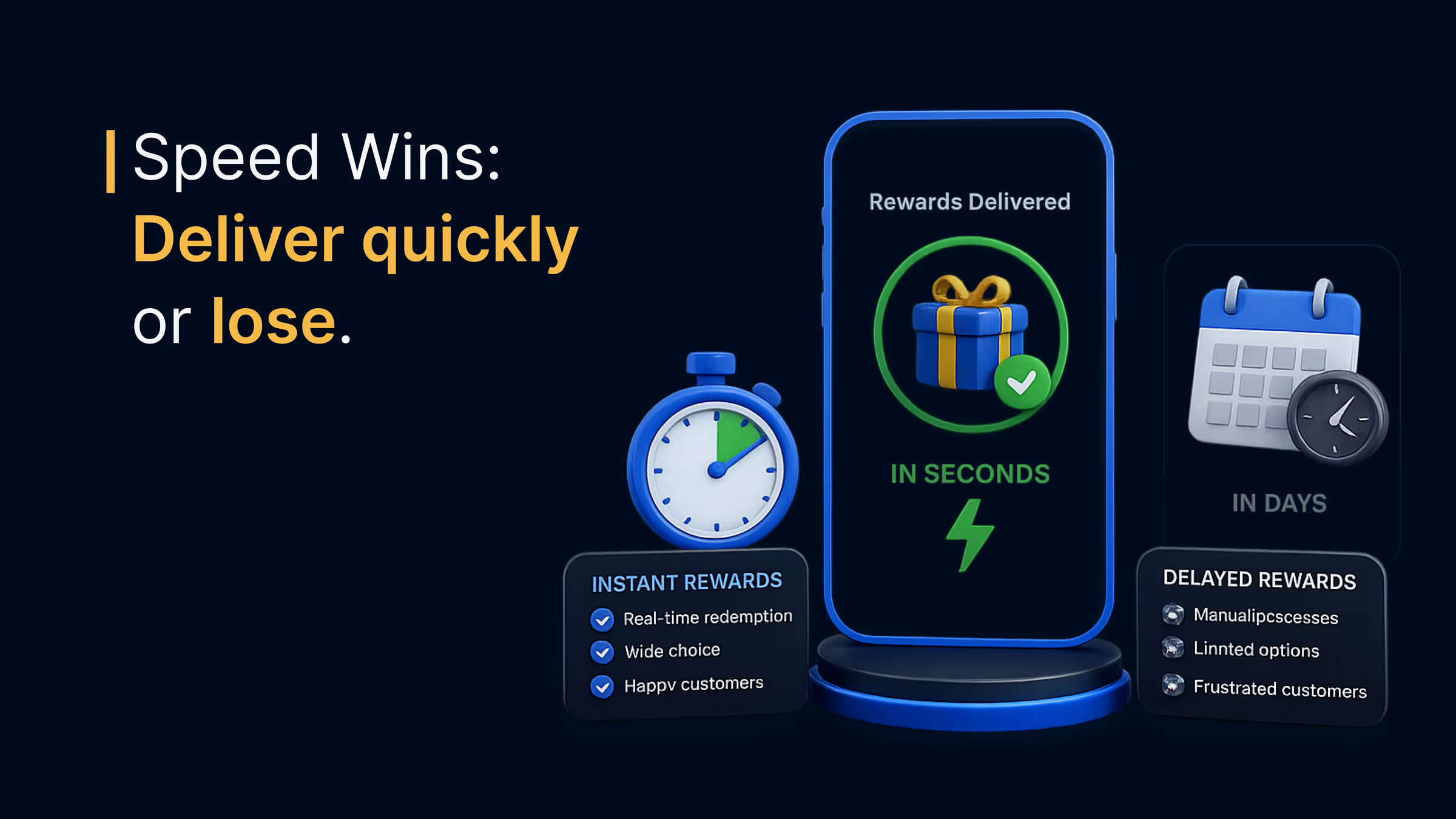
Most loyalty programs treat that gap as normal. Members earn at the till and redeem somewhere else, days later, in a different interface. Pay with points closes the gap by letting the balance work as payment at the moment of purchase.
Here is how it works from both sides of the counter, and the decisions that determine whether it grows your margin or eats it.
What it means to pay with points
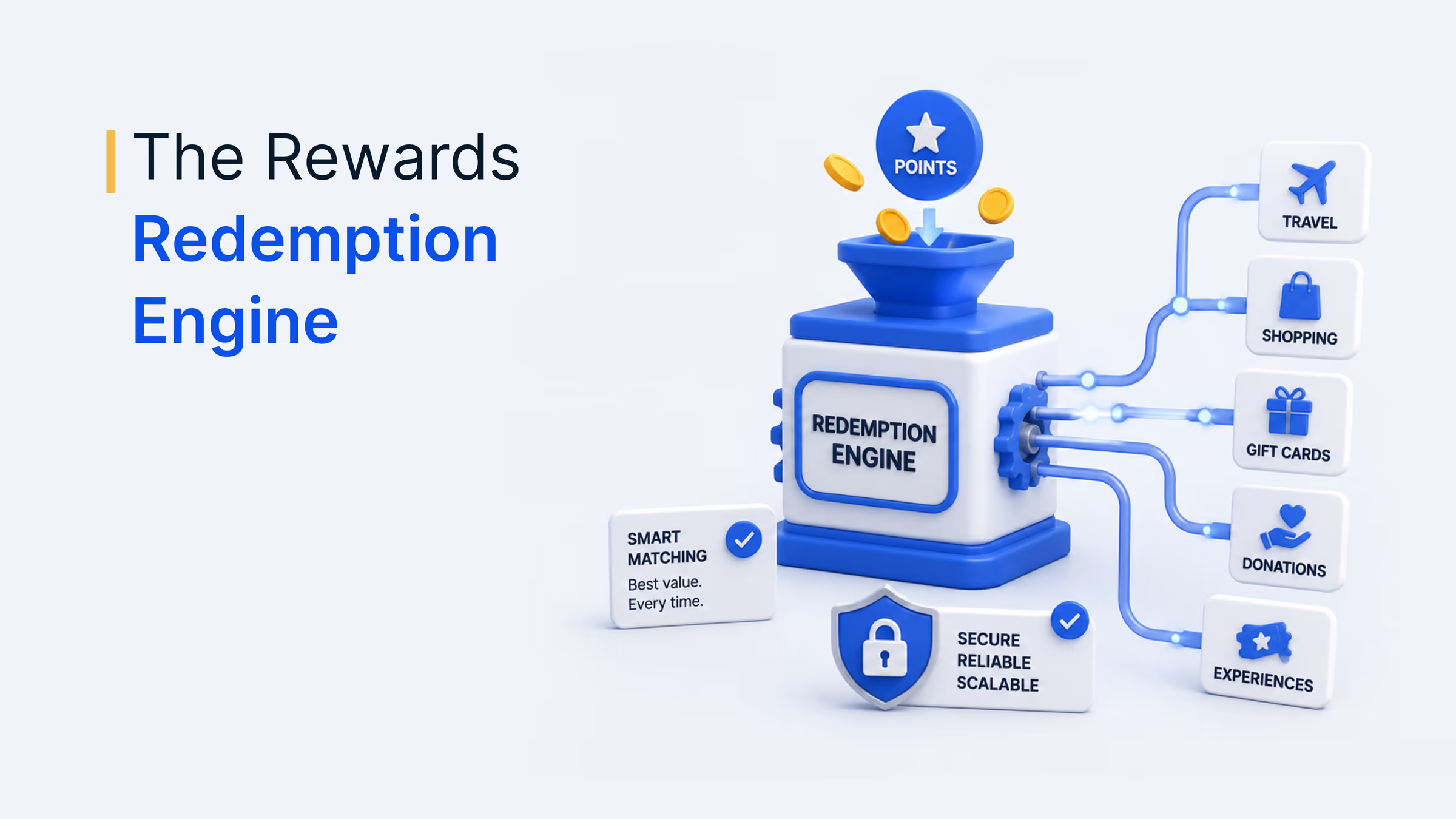
Paying with points means a member uses a loyalty balance as tender at checkout, in full or in part, and the order total drops immediately. The brand keeps the sale. The program debits the points.
Three things get confused with it:
- Catalog redemption: points are exchanged for a voucher or product that arrives later.
- Statement credit or cashback: points convert to money after the purchase.
- Points as a discount: a rule applies a coupon, and the member never chooses.
The difference is timing. Pay with points happens inside the purchase, not around it. If you are still deciding between mechanics, cashback versus points covers that choice, and a points program primer covers the basics.
Programs usually offer two versions. Full points covers the whole order. Points plus cash covers part of it and puts the rest on the member's card.
How pay with points works for the member
The member sees five steps:
- She reaches checkout and sees her points balance and its cash value beside the payment options.
- She chooses how many points to apply. The total updates at once.
- The remainder goes on her card or wallet.
- She confirms. The points are held, then debited when payment clears.
- The confirmation shows points spent, cash paid and the new balance.
A good flow never asks her to leave the page. Every extra login or redirect is another chance to abandon the cart.
48%
of Americans are very satisfied with their loyalty program
Bond Loyalty Report 2025
Source: [Bond Loyalty Report 2025](https://bondbrandloyalty.com/the-2025-bond-loyalty-report-15-years-of-benchmarking-what-matters-most)
Satisfaction is thin, and the same report found that access, such as early drops and skipped lines, has overtaken point accumulation as the top driver of loyalty. A balance members can spend instantly is a form of access.
See how Loyalife handles points at checkout
Walk through points plus cash, rate controls and fraud holds with our team.
Book a free 30-min demoTrusted by 5,000+ companies
What happens behind the checkout
For the brand, one tap triggers six steps:
- Balance check: the system confirms the member has enough points.
- Rate conversion: points convert to currency at the current rate.
- Hold: the points are reserved so they cannot be spent twice.
- Remainder payment: the card or wallet pays the rest.
- Debit and ledger entry: the points are debited and the ledger records why.
- Reversal: if the order is returned, both parts are refunded.
Step six surprises most teams. Say a member pays $60 in points and $40 on a card, then returns the item. The program must refund $40 to the card and re-credit the points, at the same rate used at purchase. If the rate changed last week, the re-credit still uses the old one. Programs that skip this logic end up arguing with customers over a few hundred points at a time.
Four ways to let members pay with points
Not every program should offer the same model. The right one depends on how much margin control you need and how fast you want members to spend.
| Model | Member experience | Margin control | Effect on breakage | Best fit |
|---|---|---|---|---|
| Full points | Fastest spend moment; balance must cover the order | Lowest; the full order is paid at your point rate | Lowers breakage the most | Travel, hospitality, top tiers |
| Points plus cash | Flexible; member picks the amount | Strong; a minimum points share protects cash | Moderate | Retail, e-commerce, quick service |
| Points as a discount | Simple; member sees a code or an auto-applied discount | Strong; caps and rules limit exposure | Moderate | Campaigns and promotions |
| Statement credit | Delayed; happens after the purchase | Predictable; fixed rate | Low to moderate | Card programs |
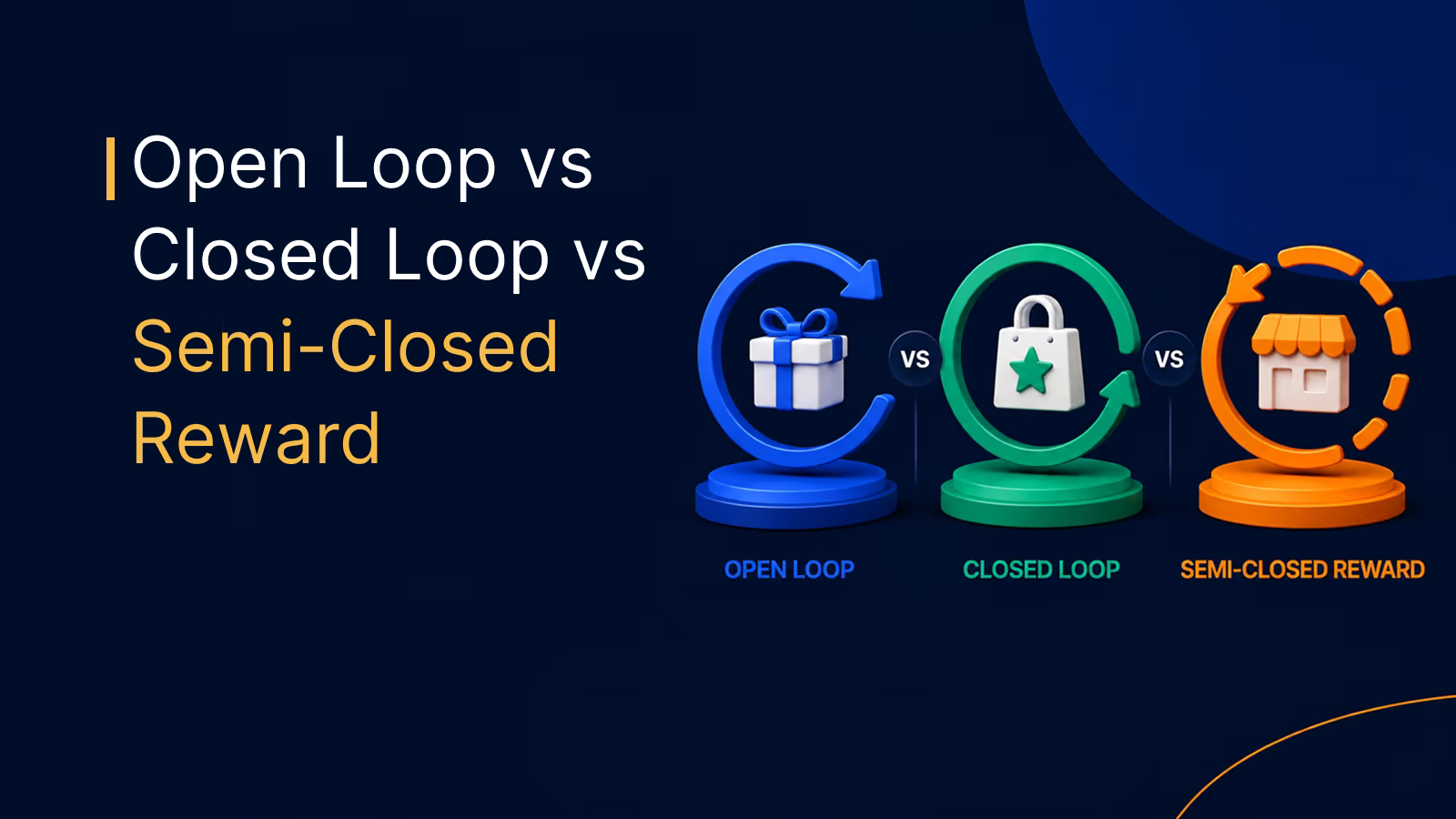
Start with points plus cash. It gives members the spend moment and keeps cash flowing in. It is also a closed-loop setup, where points work only at your own checkout. Open-loop versus closed-loop loyalty explains what changes when points can be spent anywhere.
Set the value of a point before anything else
A point is worth whatever your rate says. Members check. The Points Guy's July 2024 valuation put a Chase Ultimate Rewards point at about 2 cents. Shopping with those points on Amazon returns about 0.8 cents. Members who see that gap hoard their points or spend them elsewhere.
The lesson for a brand is simple: a stingy checkout rate trains members to ignore the feature. A generous one makes it a cost you must model. Five levers decide where you land:
| Lever | Tighter setting | Looser setting | What it protects |
|---|---|---|---|
| Point value | Lower cash value per point | Higher cash value per point | Margin vs. member perception |
| Minimum points share | Members must pay a share in cash | Members can use points for the whole order | Cash flow |
| Per-order cap | Low maximum points per order | No cap | Exposure on large baskets |
| Eligible products | Margin-rich categories only | Whole catalog | Low-margin products |
| Expiry timing | Short window after earning | Long window | Liability and urgency |
Treat points as real money: each one spent costs the cash value you pay out. Then compare it to the repeat purchase it pulls forward. The loyalty program ROI guide shows the math, and earn and burn design shows how the two sides balance.
Where pay with points breaks
Five things go wrong most often.
- Returns and partial refunds: re-credit at the original rate, every time.
- Fraud and account takeover: an instantly spendable balance is a target. Say a member's phone is cloned on Friday night, and by Saturday morning the points have bought electronics. Velocity limits and holds above a set threshold stop that. Our security and fraud controls page shows how those checks work.
- Rate changes mid-cart: lock the rate for the length of the session.
- Accounting: unredeemed points sit on the books as a liability, and faster spending changes the timing. Tell finance before launch.
- Regulation: in some markets, points that behave like stored value can draw payment rules. Check locally.
How Xoxoday Loyalife approaches points payment
Most of the failure modes above come down to one thing: the rules live in too many places. Xoxoday Loyalife keeps them in one program configuration. Admins set the points currency, the redemption rate and the minimum balance, and changes to rates or rules can require maker-checker approval. Transactions above a fraud threshold wait in a pending queue for review, and a reversed redemption posts a credit back to the member's ledger.
For checkout itself, Loyalife integrates with a points payment gateway alongside third-party gateways, so points can cover a purchase while a card covers the rest. In Xoxoday Loyalife, a loyalty platform, the shared rewards marketplace adds a minimum points contribution, with the remainder paid by the member's preferred method. A liability report shows unredeemed points by tier. Finance sees the exposure early. If your stack already has a checkout, the APIs and SDKs connect it, and the same balance can follow members across omnichannel programs.
Your launch checklist for pay with points
Six decisions come before the switch:
- Pick the model: full points, points plus cash, discount or credit.
- Set the point value and the minimum points share.
- Cap points per order and per day.
- Write the returns rule: refund order, rate used, partial returns.
- Put fraud holds and step-up checks in place.
- Brief finance on liability and timing.
Start with points plus cash on one product category. Track redemption rate, repeat purchase and cost per point for a quarter, using the loyalty program KPIs your team already trusts. Then widen it. A balance that members can spend where they are already spending is no longer a number in an app. It is a reason to come back on Saturday.
Book your Loyalife demo
Frequently asked questions
It means using a loyalty balance as payment at checkout, in full or in part, so the order total drops immediately. Catalog redemption differs: points convert to a voucher that arrives later.
Yes, wherever the program supports split payment. The member picks how many points to use and the card pays the rest. Many programs set a minimum points share so the brand keeps some cash from every order.
Check the cents per point. Compare checkout with the other ways to redeem. A point worth 2 cents toward travel but 0.8 cents at checkout is better spent on travel.
It is a cost like any reward, and the point value, the minimum share and the per-order cap control it. Faster spending also lowers breakage, so model the liability before launch.
Use velocity limits, holds on transactions above a set threshold, and extra verification on large redemptions. An audit trail on every adjustment shows what happened. Loyalife holds over-threshold transactions for review before points move.