Key Takeaways
Card taps and phone numbers, not receipts, are the earn moment in the Gulf, so identify members at payment, not after it
Six GCC countries mean six data and tax regimes: one consent standard and one VAT assumption per market will not travel across borders
Dining is the perk about half of GCC consumers redeemed last year, so anchor the catalog in everyday use before aspirational travel
Most regional loyalty programs fail at the till.
A retailer opens in Riyadh, Dubai and Doha with one program, one set of terms and one points currency. By week eight, legal in Riyadh has flagged the consent screen and finance in Dubai is asking how to book a redeemed voucher. Doha, meanwhile, has no VAT to book it against.
The Gulf looks like one market from a slide. Operationally it is six, held together by cards, phones and a shared appetite for dining and travel. A program designed around those three things launches faster and survives its first legal review.
Payments decide where a member is identified
Gulf retail runs on cards and phones, so the earn moment is a tap, not a receipt. In Saudi Arabia, electronic payments reached 85% of retail payments in 2025, according to the Saudi Central Bank (SAMA). In the UAE, the Central Bank reported that 82% of in-store card transactions in 2024 were contactless, as cited by Khaleej Times.
85%
Electronic share of Saudi retail payments, 2025
SAMA
82%
Contactless share of UAE in-store card transactions, 2024
Central Bank of the UAE, via Khaleej Times
Dh565.5 billion
Projected UAE card transaction value, 2025
GlobalData, via Khaleej Times
Gulf payments by the numbers
A receipt-scanning mechanic built for cash markets has nothing to scan here. Identity has to attach at the payment itself: a mobile number keyed at the till, a QR code, or a card token the member agreed to link.
Linking a card or a number is a data decision before it is a loyalty decision, and the rules start there.
Why a points counter alone does not pull Gulf shoppers back
Membership by itself is a weak reason to return. A Tabby survey of about 7,500 shoppers in the UAE and Saudi Arabia found that only 7.7% called loyalty a strong reason to go back to a brand. A larger Tabby survey of more than 20,000 shoppers, fielded in November 2025, found that 70% would avoid retailers without flexible payment options.
Read those two numbers together. Shoppers are not turning down rewards. They are turning down friction, and balances that sit in an app for months.
Dragonpass's GCC Loyalty Index says the same thing from the other side: complex tiers, unclear redemption rules and hidden conditions undermine engagement, especially among younger members. So the first reward belongs within one or two purchases, and the rules for earning it should fit on one screen.
See how Loyalife handles consent, limits and audit trails
Set limits, review flagged transactions, and track liability and expiry in one loyalty program.
Book a free 30-min demoTrusted by 5,000+ companies
Six countries, six rulebooks
The Gulf has no single loyalty law. Each country has its own data regime and tax position, and they do not line up. Use the table as a design checklist, then confirm each row with local counsel.
| Country | Data protection | VAT | Design decision |
|---|---|---|---|
| UAE | Federal PDPL (Decree-Law 45 of 2021): consent first, no pre-ticked boxes | 5% | Opt-in consent; check supplier-funded vs partner-funded points |
| Saudi Arabia | PDPL, enforced by SDAIA | 15% | Closed-loop rewards until counsel clears any cash value |
| Bahrain | PDPL in force since August 2019, with a ban on cookie walls | 10% | No consent-by-browsing at sign-up |
| Oman | Royal Decree 6/2022, full effect from February 2026, strict consent | 5% | Treat consent as the strictest in the region |
| Qatar | Law No. 13 of 2016, the first general data law in the GCC | No VAT yet | Apply the common consent standard anyway |
| Kuwait | Narrow regime covering mainly licensed telecom and ISP providers | No VAT yet | Do not read "not covered" as "no consent needed" |
Skip the six consent flows. Build the strictest one (opt-in, timestamped, easy to withdraw) and use it everywhere. A coalition that shares member data across partner brands should treat each sharing path as its own consent question.
Set one VAT assumption per market, not one for the region. In the UAE, Crowe distinguishes two models. When the supplier funds the points, they are treated as a discount and VAT applies to the net amount. Third-party-funded programs generally carry a higher VAT liability.
In Saudi Arabia, ZATCA guidance indicates that earning points is not a separate supply where members pay nothing extra, and 15% VAT applies to what members receive at redemption. Have a tax advisor confirm every reward format before it enters the catalog. The Saudi deep dive covers the KSA rules in more detail.
What members actually redeem
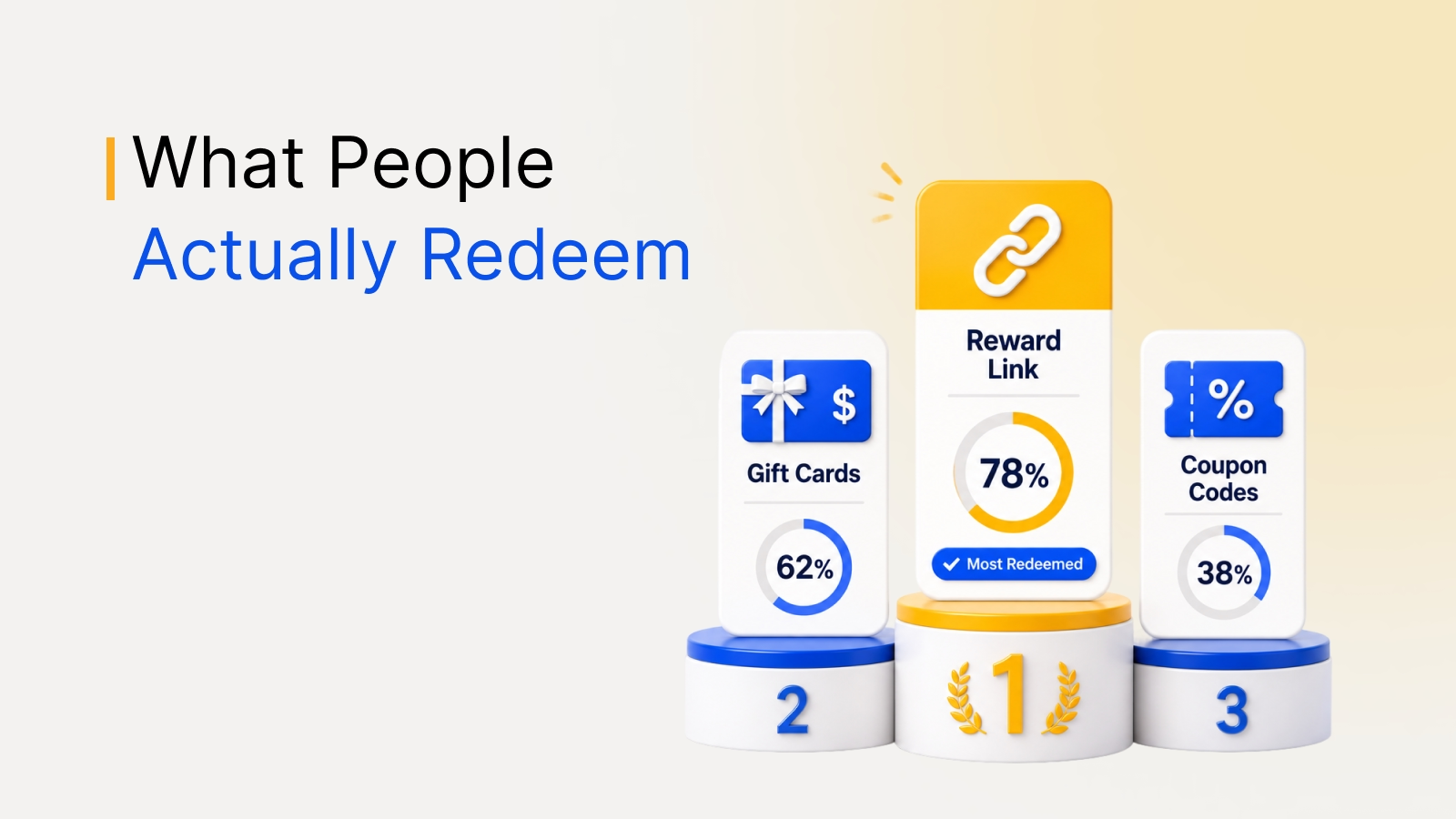
The best published signal comes from Dragonpass's 2026 GCC Loyalty Index. Dining was the most commonly redeemed perk, used by about half of consumers in the past 12 months. Hotel benefits and airport lounge access were each used by nearly four in ten, and more than a quarter used wellness perks.
Treat these as approximate. The published pieces do not state a sample size, and they measure perk use in programs that already exist, not points redemption inside yours.
Even so, the order is useful. Everyday use beats aspiration. A catalog anchored in dining and instant digital rewards earns its first redemption in minutes, and travel can sit on the top tier as a reason to climb. The cashback vs points comparison shows how each mechanic behaves once the novelty wears off, and open loop vs closed loop explains why closed loop is the safer default while the cash-value questions in the table stay open.
How Xoxoday Loyalife approaches a GCC program
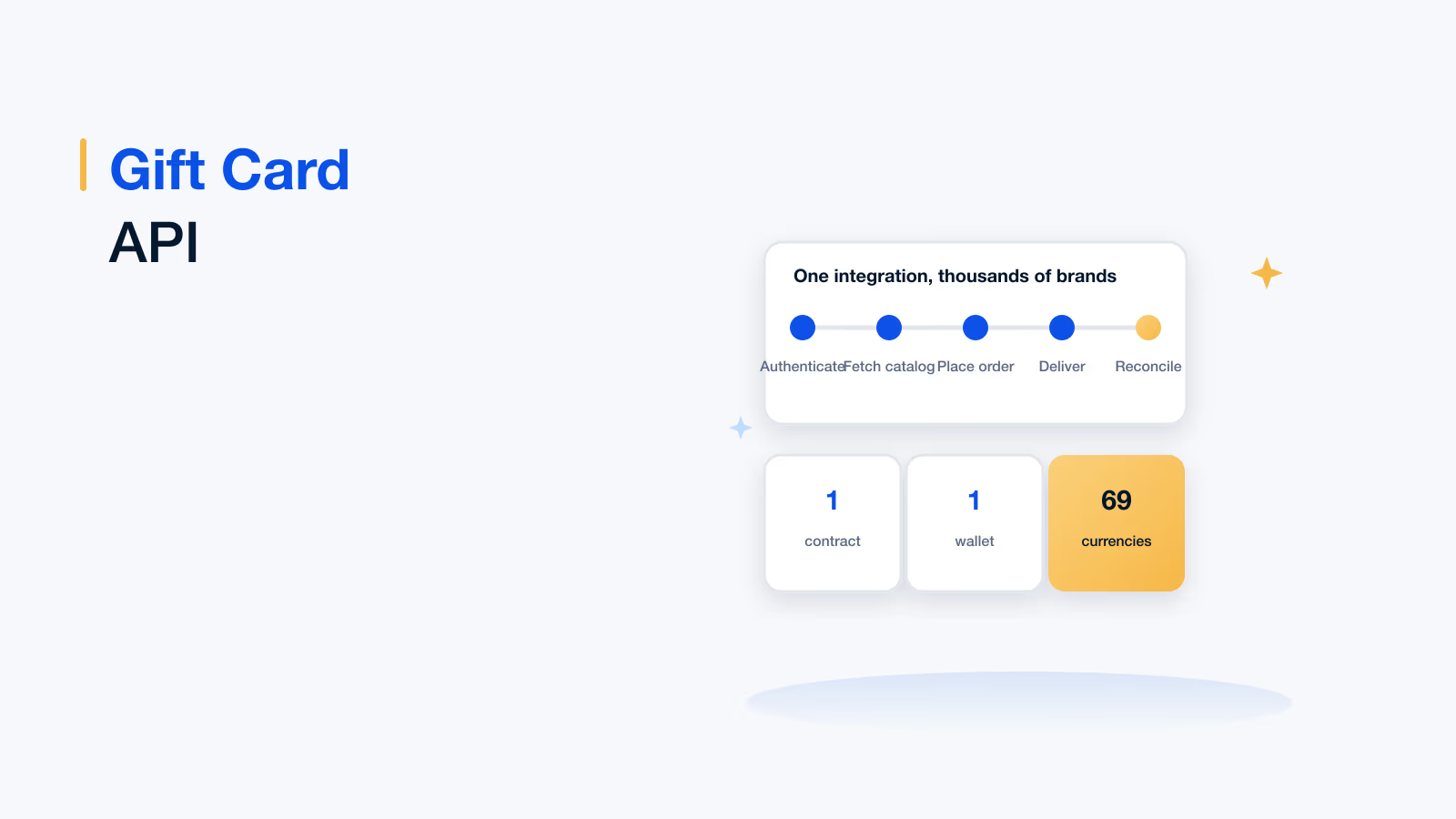
A retailer or bank already holds payment and sales data. Xoxoday Loyalife, a loyalty management software platform, pulls it in through APIs or scheduled bulk uploads, and points post when the transaction does. Members see balances in a white-labeled app or a WhatsApp bot and redeem from a catalog with local and global options in multiple currencies and languages.
On the control side, program owners set limits on points per transaction and per redemption. Anything over the limit is held for a reviewer, and every adjustment lands in an audit trail. Liability and projected-expiry reports answer finance's month-three question: what do we owe members, and when?
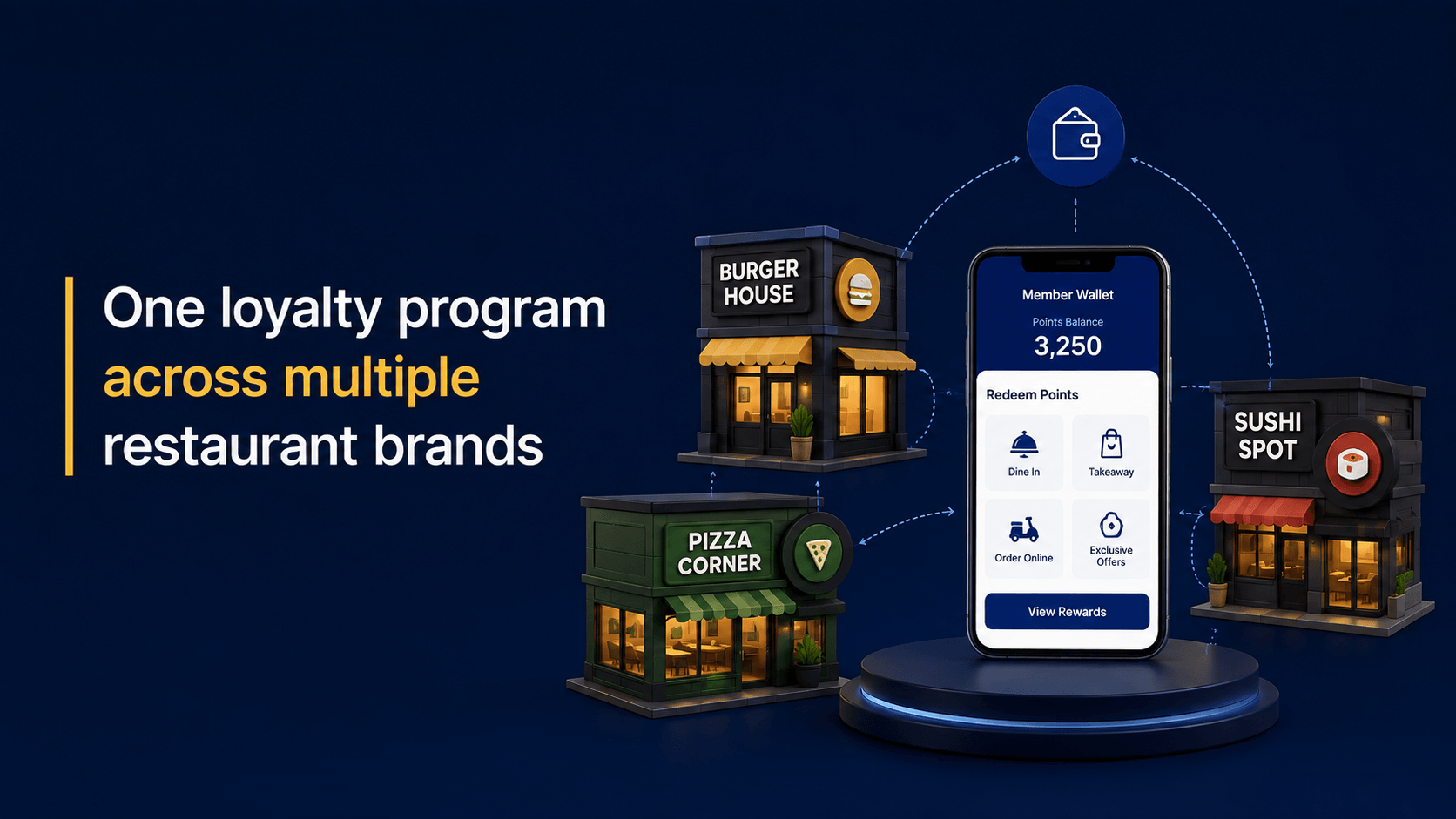
For banks and financial houses, where Gulf loyalty demand concentrates, the same engine links to card spend and mobile banking, as covered in loyalty programs for financial services. For brand groups across borders, a shared wallet lets partner brands run one points currency, as described in coalition loyalty programs.
Two questions to put to any vendor, us included: show Arabic and right-to-left screens, and show where member data is hosted. Government and banking buyers in the region often require in-country hosting. The software buyer's guide lists the rest.
A 90-day plan for a multi-country launch
Sequence matters more than speed.
- Days 1 to 15: Map the top three payment moments (in-store tap, online checkout, app) and decide how a member is identified at each.
- Days 1 to 30: Write one consent screen and one set of terms to the strictest standard, with counsel in each launch country.
- Days 15 to 45: Get VAT advice per country and per reward format.
- Days 30 to 60: Launch in one market with a small catalog and a first reward within one or two purchases.
- Days 60 to 90: Review the redemption mix, flagged transactions and liability, then add the next country.
Your next step toward a loyalty program built for the Gulf
Pull last month's transactions and count how many arrive through each payment method in each country. The dominant method is where your earn mechanic has to live, and where your consent screen has to be right.
A program that fits how Gulf customers pay, what each country allows and what members use does not need louder promotions. It needs to be at the till.
Book your Loyalife demo
Frequently asked questions
They work when the first reward is easy to reach. Tabby's survey found only 7.7% of UAE and Saudi shoppers called loyalty a strong reason to return, so membership alone is not enough. Dragonpass found that more than 82% of GCC consumers say perks matter, which points to practical rewards like dining.
Yes. Design to the strictest rules, then localize tax and catalog per country. Use one opt-in consent standard everywhere and set VAT treatment market by market. Xoxoday Loyalife supports multiple programs under one account, with separate currencies and languages.
Yes. The UAE PDPL makes consent the default legal basis, and silence or pre-ticked boxes do not count. Keep timestamped records and an easy way to withdraw.
Who funds the points decides it. Crowe says supplier-funded points are treated as a discount, with VAT charged on the net amount, while third-party-funded programs generally carry a higher VAT liability. Confirm your model with a tax advisor.
Anchor the catalog in dining and instant digital rewards, then add hotel and travel benefits for upper tiers. Dragonpass found about half of GCC consumers redeemed dining offers in the past year. Check your own redemption mix by day 90.