Key Takeaways
Predictive rewards run on three signals: who is about to lapse, which reward fits, and when to reach out
Reactive programs see cardholders only after they leave, so retention offers arrive after the decision is made
Start with lapse risk on one segment, test against a holdout, and measure active and redemption rates
Picture a cardholder with 41,000 points in her account. She opens the app twice a month, glances at the balance, and closes it. Her statement credit offer expired in March. Nobody at the bank has noticed that her spending moved to another card in April.
Most rewards programs only see her after she leaves. They tally what she did and send the same quarterly email to everyone who did something similar. Predictive rewards flip the order: the program works out what she is likely to want, or likely to do, and acts before the moment passes.
Why reactive rewards stop working after the first year
Reactive programs follow a simple rule: the cardholder acts, the program responds. Spend on dining, earn points on dining. Hit a threshold, get a tier badge. It works well in month one, when everything is new and the rewards feel like a gift.
By month 14, the same cardholder has learned the rules and stopped paying attention. The offers arrive on the program's calendar, not hers. Cardholders do not leave because the rewards are bad. They leave because nothing in the program seems to know them.
Expectations have moved faster than most programs have. According to McKinsey, 71% of consumers expect companies to deliver personalized interactions, and 76% get frustrated when that does not happen. The same research found that faster-growing companies draw 40% more of their revenue from personalization than slower-growing peers.
71%
of consumers expect personalized interactions
76%
get frustrated when personalization is missing
40%
more revenue from personalization at faster-growing companies
Personalization benchmarks. Source: McKinsey, Next in Personalization (2021).
Personalization has a ceiling, though. Putting a first name on an offer is personalization. Knowing which cardholder is drifting away this month is prediction. A typical financial services loyalty program stops at the first.
What predictive rewards actually predict
A predictive rewards program does not try to read minds. It scores three things, each from data the issuer already holds.
Lapse risk
A lapse-risk score estimates how likely a cardholder is to go quiet or move spend to another card. The signals are ordinary: swipe frequency falling, a redemption that was started and abandoned, app logins that stop. None of them says "leaving" alone. Together they form a pattern a model can learn.
The practical payoff is timing. A retention offer sent in week two of a spending decline lands differently than one sent in month six. It is the same idea behind any good loyalty-first approach to reducing customer churn, applied to a single cardholder instead of a segment.
Reward fit
Reward fit answers a narrower question: of the 200 things this cardholder could redeem for, which three should she see first? The model looks at what she has redeemed before, what similar cardholders chose, and what her spend says about her life. A traveler who books flights twice a year and a parent who spends weekly on groceries should not see the same rewards shelf.
Timing and channel
The last prediction is when and where to reach her. Some cardholders respond to a push notification the evening after a large purchase. Others never open the app and read email on Sunday mornings. A good program learns this per person and stops spraying the same message everywhere.
See lapse-risk scoring and smart nudges in one loyalty platform
Loyalife pairs churn prediction, personalized recommendations, and a rule engine with a global rewards catalog.
Book a free 30-min demoTrusted by 5,000+ companies
Reactive vs predictive: where the difference shows up
Same decision, two outcomes. The gap is easiest to see by following each decision through both approaches.
- Who gets a retention offer
- Reactive program
- Everyone below a spend threshold, after the quarter closes
- Predictive program
- Cardholders whose lapse-risk score crossed a set level this week
- What changes for the cardholder
- Offers show up while she is still deciding
- What the rewards shelf shows
- Reactive program
- The same catalog ordering for all members
- Predictive program
- Top picks ranked by redemption history and lookalike behavior
- What changes for the cardholder
- Fewer scrolls to something she wants
- When messages go out
- Reactive program
- The program's campaign calendar
- Predictive program
- The window each member has responded to before
- What changes for the cardholder
- Fewer ignored messages, fewer unsubscribes
- How success is read
- Reactive program
- Total points issued and redeemed
- Predictive program
- Active rate and redemption rate against a holdout group
- What changes for the cardholder
- The team knows what caused the lift
The data a cardholder program already has
Most issuers assume predictive rewards need a data project first. They usually do not. The raw material is already sitting in four places:
- Transaction history: merchant category, frequency, ticket size, and how all three change over time.
- Redemption behavior: what was redeemed, what was browsed and dropped, and how long points sat unused.
- App and web events: logins, searches in the rewards catalog, abandoned redemptions.
- Lifecycle markers: card age, tier, recent product changes, and whether a promotional rate is about to end.
The harder part is joining these into one profile per cardholder. When transactions live in the core system and redemption lives in a vendor portal, no model can see the pattern. Fixing that join is often the real first milestone.
How Loyalife approaches predictive rewards
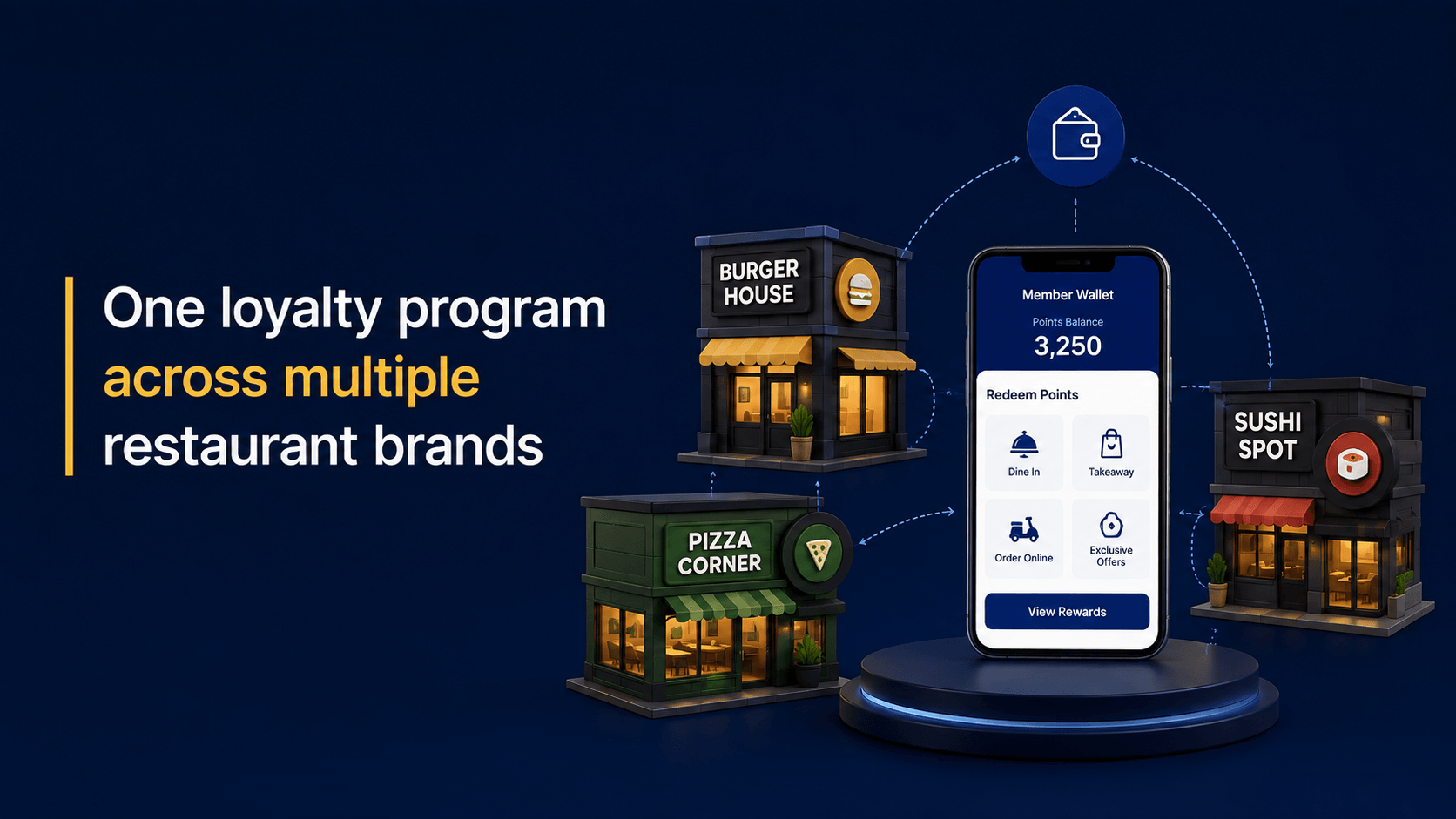
Xoxoday Loyalife, a customer loyalty platform, starts from the join problem. It builds a 360-degree member profile that pulls transactions, redemptions, and engagement events into one record, fed by real-time APIs or scheduled files, so the scoring has something complete to work from.
On top of that profile sits an AI layer with three jobs that mirror the three predictions above. Churn prediction scores lapse risk so a retention campaign can fire before spend drops off. Personalized recommendations rank rewards by profile and by how look-alike members behaved. Smart nudges pick the time and channel for the next message, so the cardholder sees it when she is most likely to act.
The program team turns a prediction into action with campaigns. A triggered campaign is evaluated per member, not per segment, and can fire on inactivity for a set number of days, a balance falling below a threshold, or a tier change. Each one carries an incentive such as bonus points or a multiplier, plus a cooldown period so the same cardholder is not hit with the offer again and again. Campaigns layer bonuses on top of the base earning rules without rewriting them.
The Projected Expiry report ties back to the cardholder with 41,000 points. It shows which cohorts have points about to lapse, month by month, so the team can plan redemption nudges before a balance disappears.
Redemption stays in the same place. Cardholders redeem against a catalog of 10M+ rewards options across 150+ countries, and a bank can keep the experience white-labeled in its own app. For banks weighing the catalog side, the white-labelled app shows the redemption layer in more depth.
Guardrails: fairness, fraud, and the creepy line
A program that guesses wrong or overreaches loses trust faster than it gains engagement. Three guardrails matter.
- Keep predictions explainable. If a cardholder gets a retention offer, the team should be able to say which signals triggered it. "The model decided" is not an answer a compliance reviewer will accept.
- Draw the line on sensitive data. A model can infer a lot from spend. Decide in advance which inferences are off limits, such as health-related purchases, and exclude those categories from scoring.
- Watch for gaming. Predictive offers create new incentives. Fraud thresholds on points per transaction, points over a rolling window, and single redemptions hold unusual activity for review, which keeps a generous offer from becoming a leak. Rule and campaign changes can require maker-checker approval, and the audit trail logs each change with before and after values. Loyalife is SOC 2 certified and GDPR compliant.
None of this slows the program down much. It mostly means writing the rules down before the first campaign instead of after the first complaint.
How to measure whether prediction is working
Points issued tells you almost nothing about prediction. A program can issue more points and be worse off.
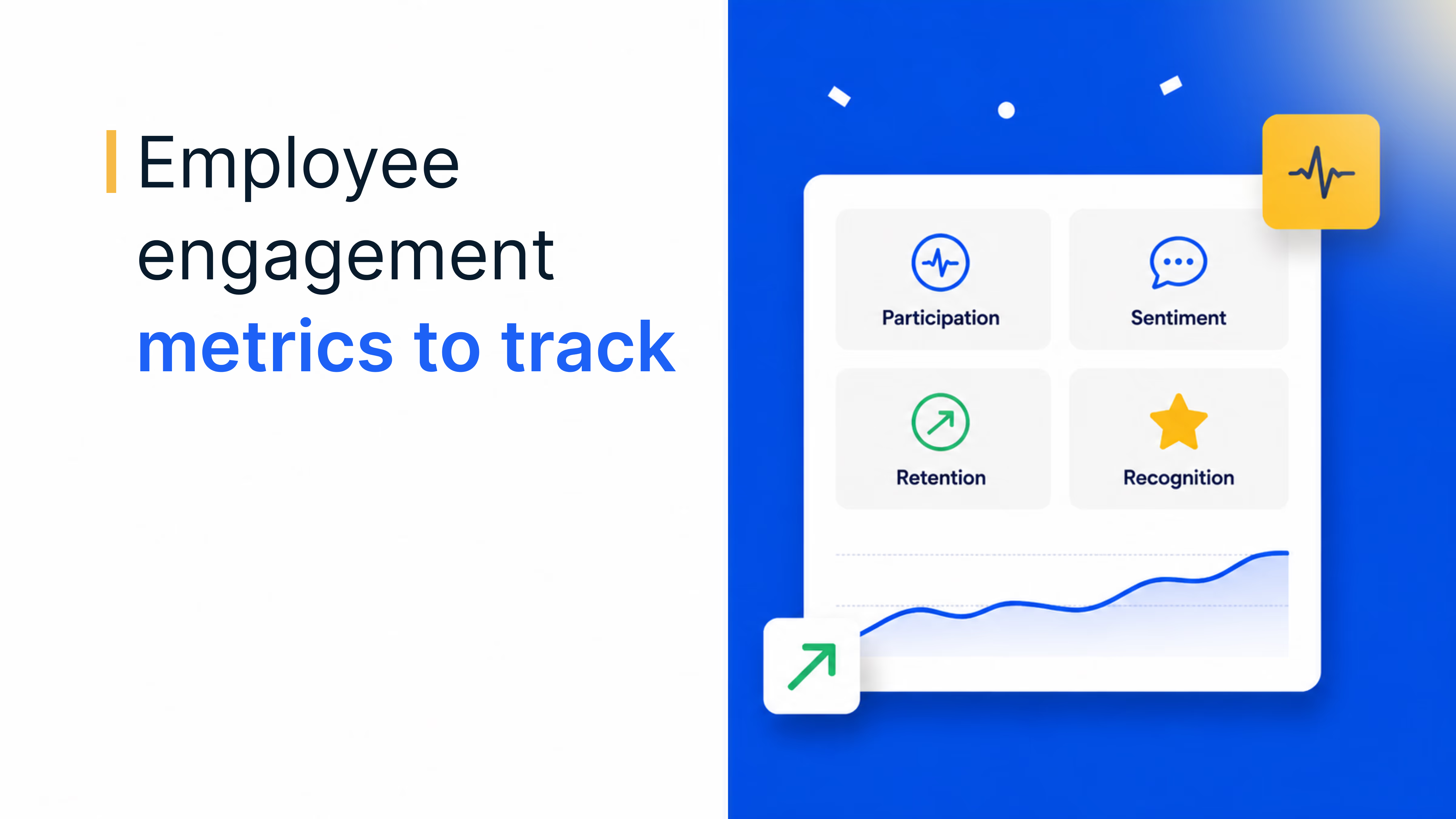
Compare against a holdout. Pick a random slice of cardholders who receive the standard program, and give the rest the predictive version. After 90 days, compare three numbers: active rate, redemption rate, and spend per cardholder.
The research on loyalty segments explains why those three. McKinsey found that a typical active loyalty member spends 10% more than someone enrolled but inactive, and members who redeem spend 25% more.
That ladder is the target. Predictive rewards earn their keep by moving cardholders up it, from enrolled to active and from active to redeeming. For the full metric set, see how to set loyalty program KPIs that both finance and marketing trust.
Your next step: start with one prediction, not ten
Resist the urge to launch every model at once. Pick the single prediction with the clearest action attached. For most card issuers that is lapse risk, because the action is obvious: a timely retention offer.
Run it on one segment, against a holdout, for one quarter. If active rate moves, add reward fit next. Timing and channel come last, because they only pay off once the first two are working.
The cardholder with 41,000 points did not need a smarter email blast. She needed someone to notice in April.
Book your Loyalife demo
Frequently asked questions
Predictive rewards are rewards that a program offers based on a forecast of what a member is likely to do or want next, rather than only on what they already did. The forecast might be lapse risk, the reward most likely to be redeemed, or the best time to send a message.
Personalized rewards adjust an offer to who the member is, such as their name, tier, or past purchases. Predictive rewards add a forward-looking layer: they act on what the member is likely to do next, so the program can step in before a cardholder lapses.
Transaction history, redemption behavior, app and web events, and lifecycle markers such as card age and tier are enough to start. The bigger requirement is joining them into a single profile per cardholder. Xoxoday Loyalife builds that profile from real-time APIs or scheduled files.
Yes, if the model infers sensitive attributes from spend or nobody can explain why an offer was sent. Set limits on which categories feed the model, keep the signals behind each offer traceable, and confirm the platform meets standards such as SOC 2 and GDPR.
Use a holdout group. Give a random slice of cardholders the standard program and the rest the predictive version, then compare active rate, redemption rate, and spend per cardholder after 90 days.